The presidential election ended on Tuesday. Multiple ballot drop boxes and the University of Colorado Boulder Memorial Center voting poll closed on the CU Boulder campus at 7 p.m.
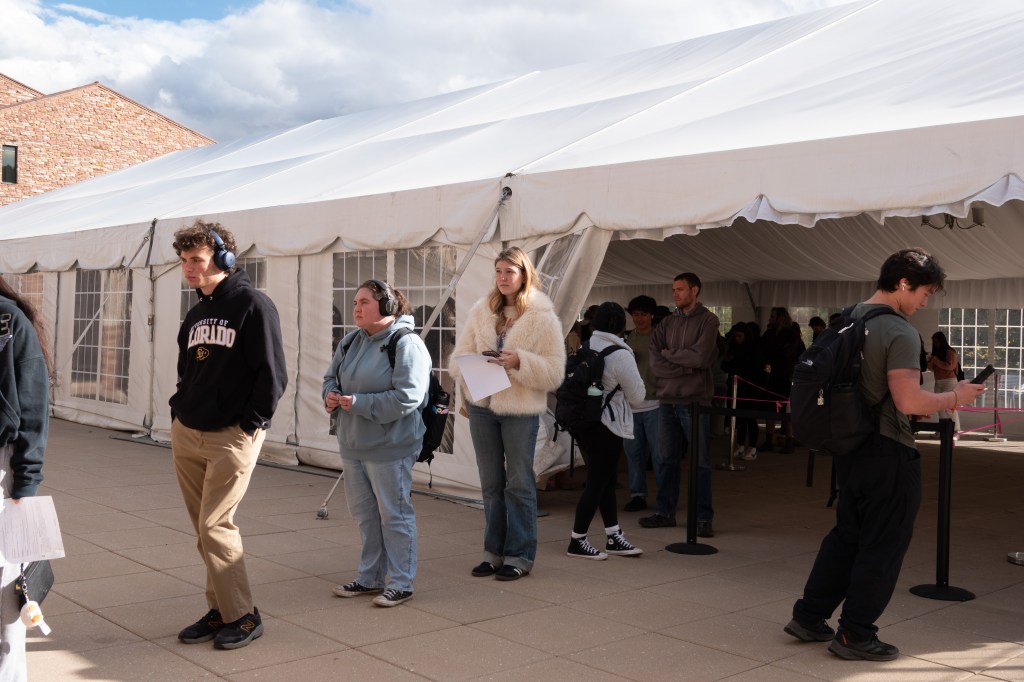
Students lined up at the entrance to the Glenn Miller Ballroom inside the UMC at near-freezing temperatures, the line extended out the door. The warming tent housed many voters who waited to exercise their constitutional right.
University of Colorado, Boulder students wait in line to vote outside the Colorado Memorial Center. (Melodie Miller | Photographer)
“Colorado typically boasts one of the highest turnouts for young voters in the entire country,” said Nicole Hensel, the director of New Era Colorado.
First-time voter Haley Hastedt, a senior at CU Boulder, expressed her concerns.
“I am extremely nervous about the election today,” Hastedt said. “I believe this is the most important election of our lifetime, and at this point, I think it could go either way,.”
University of Colorado, Boulder students register to vote at the Colorado Memorial Center. (Melodie Miller | Photographer)
Many first-time voters scrambled for identification cards and asked volunteers for information about how to register and vote. In-person voters show ID and “skip the signature verification,” which speeds up the process, according to Mircalla Wozniak, a communications specialist for Boulder County. All Colorado voters can register with Ballottrax to receive confirmation text messages that their ballot was received and counted. If there is a problem, Boulder County will notify the voter.
Thomas Uroskie, a CU Boulder student, waited in line at UMC. “This is my first time voting. I am feeling kind of weird. I’d rather vote in person than a mail-in ballot and get the experience,” Uroskie said.
Election day in Boulder unfolded smoothly after concerns heightened over ballot box fires reported in Washington and Oregon by CNN on Wednesday, October 30. Ballot box security “didn’t come out of nowhere. We have mechanisms for this,” Wozniak, said. “We have a regular pick-up schedule as we get closer to the election.”
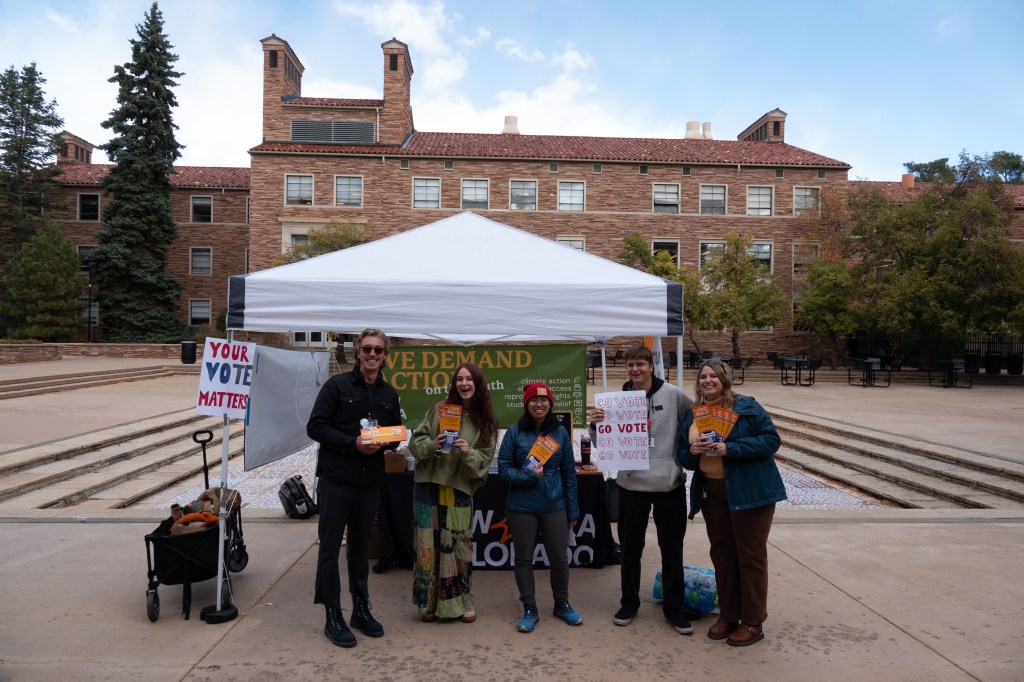
New Era volunteers positioned outside the University Memorial Center answered voters questions. (Shutterstock | Photographer)
Georgia Moreland, a senior majoring in English at CU Boulder, said, “I’m nervous for the state of the country and how divided we have become due to this election.”
The FBI positioned election coordinators and command posts nationwide to enable streamlined communication and rapid response to ensure the safety of election workers, voters, ballot boxes and polling stations.
“Every FBI field office will stand up an election command post to coordinate with their local and state partners,” FBI spokesperson Vikki Migoya said. “Our focus is on protecting elections from potential threats so Coloradans can have confidence in their democratic process.”
The CU Division of Public Safety partnered with the CU Boulder Police Department to secure the UMC polling location and the rest of campus on election day. Academic buildings were locked with a Buff OneCards required for entrance “as part of ongoing efforts to enhance campus safety and minimize disruptions,” CUPD spokesperson Christine Mahoney said.
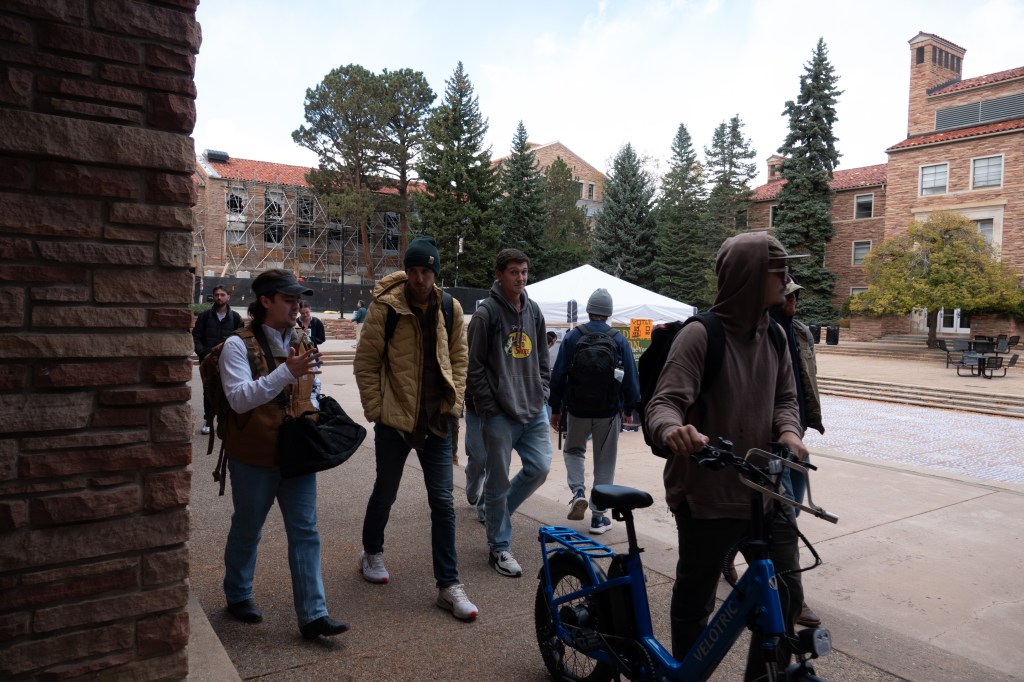
University of Colorado, Boulder students exit the University Memorial Center. (Melodie Miller | Photographer)
“Our campus is definitely encouraging the get out the vote, and we’re very very happy students are engaging in their civic duty,” Mahoney said. “We’re here to provide safety so they can do that.”
New Era Colorado was “on eight college campuses all across the state,” Hensel said, making sure that students had their voting rights protected “until every lost voter was through the polls at 7 p.m.”
New Era Colorado volunteers answer voters questions outside the University Memorial Center. (Melodie Miller | Photographer)
New Era volunteers positioned outside the University Memorial Center answered voters questions. (Melodie Miller | Photographer)
Although safety was a priority on campus, the results of the election troubled Elena Sedin, a junior in Philosophy at CU, Boulder. “I couldn’t relate to half of the U.S. population. I felt like a lot of people hate me through their vote,” Sedin said
New Era director Hensel said she felt “confident in the integrity of campus elections and knows that Colorado student election boards all across the state were working to ensure that students have safe and secure elections.”
New Era Colorado is a non-profit 501(c) political advocacy group that aims to educate and mobilize young people where they can have the greatest impact. New Era Colorado is a free resource for voters who want to know more about the ballot initiatives.
University of Colorado, Boulder students climb the stairs to the University Memorial Center to place their vote. (Melodie Miller | Photographer)
First-time voter Arielle Buzil said “It is very nice to vote, it feels empowering. It’s a little overwhelming, but I think it’s good because we’re all coming together and making change to the world.”
The Boulder County ballot included the presidential race, CO state and local candidates, measures, and the state constitutional Amendment 79 that would protect the right to an abortion. Colorado voters passed Amendment 79 with 1,736,436 votes, an 81% ‘yes’ vote by Boulder County and a 61.9% ‘yes’ vote statewide, as of 8:35 p.m. Thursday, Oct. 7.
CUPD offers a non-emergency line at 303-492-6666 to report any concerns that violate campus policies and 911 in an emergency.
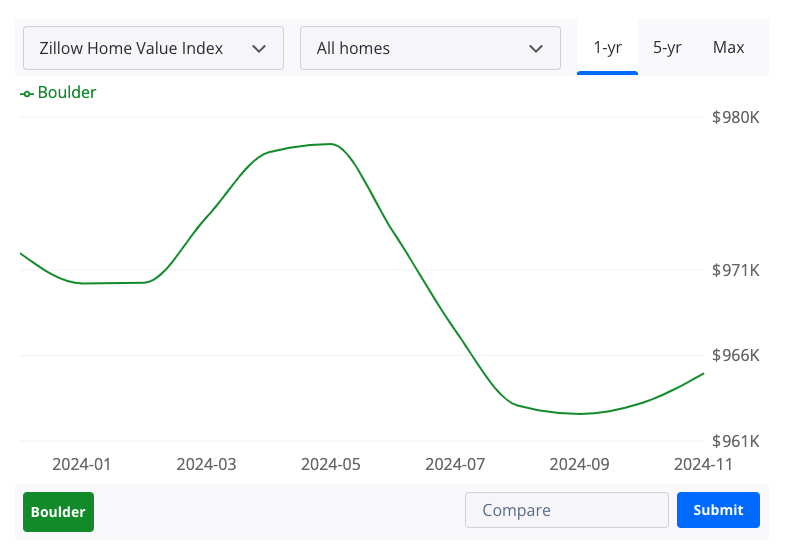
The term “starter home” has a new meaning. The average price of a home in Boulder jumped from $166,000 in 2000 to $966,000 in 2025. Boulder’s cost of living is 41% higher than the national average. This means a dozen eggs that costs $4 in Jackson, Mississippi, will cost $5.64 in Boulder, Colorado. What does that mean for housing?
The median sale price of homes in Boulder County, Colo. in 2024 was $970,000, according to Zillow.com. To match a house payment with the average rental price of $2,300 per month, a buyer needs $725,000 for a down payment.
With a median household income of $84,840 and expenses of $77,280 yearly, an excess of $7,560 per year will require ninety-five years to save the downpayment.
The Common Sense Institute of Colorado reported in January of 2023 that voters passed Proposition 123 with a 54 percent majority to fund affordable housing programs statewide.
Data USA. Adobe Express. (Melodie Miller / Creator)
Data USA reported similar data for Boulder, Colorado, in 2022, with a higher median household income of $99,700 and a lower median property value of $671,100. This additional $14,860 yearly income means a buyer could buy a house in 25 years.
“During my time in the state senate, I have been trying to find ways to lower the cost of living,” Senator Dylan Roberts said, “and this starts first and foremost with housing.”
Proposition 123 dedicated a total of $290 million toward housing equity in the first year. Willoughby Corner at 120th and Emma Street in Lafayette is part of the Boulder County Housing Authority (BCHA) 400 affordable housing project using some Proposition 123 funding.
“It takes a lot of funding. It takes federal funding, state funding, and a lot of it is funded by the low-income housing tax credits,” Bill Cole, housing partnership and policy manager for Boulder County. “It’s a federal program run through the state.”
According to Cole, the Willoughby Corner construction takes three phases. The first phase is 90 units of senior housing. The second phase is multifamily apartments totaling 200 units. “The third phase is actually going to be homeownership opportunities, townhomes, about 80 units,” Cole said. All units except the senior housing have a waiting list.
Boulder County’s affordable housing imposes income limits that exclude many people from government benefits. The average Boulder County resident earning a salary of $84,840 will not qualify for this benefit.
Some potential home buyers find that there is no solution for home ownership. These buyers earn more than the income base to qualify for affordable housing but do not earn enough to make a substantial down payment.
“With 6% interest rate right now, how does a new home buyer afford that?” Boulder County realtor Ernie Sica said. “They have to have a really substantial income. That is really hard.”
With a mandatory high down payment, future homeowner Elena Sedin said, “My parents are already paying for my college. They can’t help me buy a house.”
According to Cole, those individuals who qualify for affordable housing should “Look at Prop 123. There’s gonna be a lot of the state funding for the foreseeable future,” Cole said. “Boulder County plans to build multifamily, senior and single-family developments as it tries to “increase the housing in the city of Boulder.”
According to the archeological dating of the Morocco Jebel Irhoud animal fossils and the Homo sapiens who ate them, humans have hunted game animals for over 300,000 years. Although humans are omnivores, they did not start farming until 23,000 years ago, according to the Ohalo II archaeological site in Israel. This means that humans needed to hunt for 277,000 years for food security.
Kelly Maher, an avid Coloradan hunter and mother, said part of her family ethic is “we hunt to eat and we eat what we hunt.” During the Covid 19 shutdown, her family ate deer meat stored in the freezer from the previous hunting season. Maher said she believes hunting is a core part of “understanding our place in the world.”
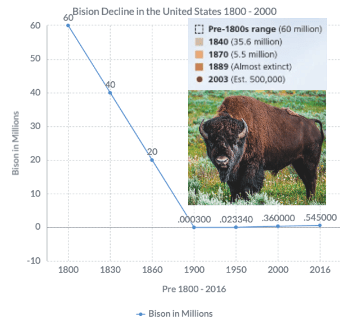
American wildlife suffered at the end of the nineteenth century from mismanagement, according to the Audubon Society. The bison population had diminished from 60 million to 300 in 100 years due to lack of management and overhunting according to All About Bison. Together, President Theodore Roosevelt, George Bird Grinnell and John Muir along with the Audubon Society, established a conservation movement to preserve nature.
Roosevelt, the “conservation president,” used his authority in 1906 to protect public lands and wildlife by creating the United States Forest Service (USFS). This service established 150 national forests and 18 national monuments through the American Antiquities Act. This act protected over 230 million acres of open public space for citizens of the United States use.
With the advent of city living, increased public criticism, and reduced barriers to food security, hunting has declined in the United States. The decline of hunters is problematic state-wide for wildlife conservation efforts that depend on funding from hunting license sales.
The U.S. Fish and Wildlife Service manages nationwide conservation funding through the collection of hunting license revenue and firearms and ammunition excise sales tax from each state. The funding is distributed back to the state parks and wildlife departments that manage public land conservation and animal populations.
Sources: U.S. Census Bureau. Wildlife for All. U.S Fish and Wild Life Service Hunting licenses issued between 1960 and 2020 compared to the U.S. population.
“There are 180 hunting units that Colorado has divided into Game Management Units (GMUs),” Cody Heneghan, a hunt planner for Colorado Parks and Wildlife said. “These units designate which part of the state your particular license permits you to hunt in.”
Hunting licenses for Colorado’s Western GMUs with higher elk populations are in high demand with a limited number available per year. A hunter must apply for these types of licenses through a “big game draw,” or purchase a leftover license after the draw if one is available.
“I’m not hunting as much now because the last time I bought a license, it was in a unit with a low population and I didn’t get an elk that time,” Wally Light, a 21-year-old hunter said. “It was a lot of work without a payoff. It didn’t seem worth it.” According to Colorado Parks and Wildlife, the Federal Bureau of Land Management (BLM) manages 8 million acres of public land in Colorado. However, non of the 23,000 acres of open space and trails in rural Pitkin County are open for hunting. Open space hunting in Pitkin County Colorado is prohibited according to the Pitkin County Open Space and Trails program. However, private land is huntable with permission.
According to wildlife advocates, limiting hunting units in Colorado become problematic for wildlife management. “Management of ecosystems is important,” Maher said. “By virtue of the fact that humans are here, we must manage this system” to ensure the well-being of animals and the environment.
Between 1970 and 2000, hunting license sales revenue increased from $600 million to $1.1 billion according to The U.S. Fish and Wildlife Service reports. However, revenue remained stagnant over the next two decades.
Data from the Congressional Research Service reports that between 2017 and 2022, excise tax collected from the sale of firearms increased from $600 million (inflation adjusted) to $1.1 billion due to increased sales during the pandemic but not to sales for hunting equipment. However, funding from the U.S. Congress has decreased since 2015.
Hunting is an integral part of maintaining a stable deer and elk population. Lands maintained by hunting license revenues distributed by the U.S. Fish and Wildlife Service are more likely to support natural wildlife.
The “availability of food sources in the wilderness is a factor in monitoring the population,” wildlife advocate Mark Surls said. This becomes a closed-loop, sustainable ecosystem.
The U.S. Fish and Wildlife Service operating budget, is partially funded through congressional appropriations. In 2024, the operating budget was $4.1 billion with $1.722 billion allocated by the government and the balance coming from grants, excise tax revenue and hunting license sales.
Sources: Congressional Research Service Funding requested to manage Fish and Wildlife Services, and congressional funding enacted to finance conservation in all 50 states and 16 territories.
Public opinion contributes to the hunter’s image in the U.S. On Nov. 5, voters were given a choice through “Cats Aren’t Trophies” Proposition 127 to decide whether Colorado Parks and Wildlife would continue to manage the mountain lion population by issuing hunting licenses.
“Hunting deer is fair chase,” wildlife advocate Carol Monaco said. But hound hunting “mountain lion is cruel.” It isn’t helping anyone and “very few big cats are dressed for consumption. We need to learn to coexist with wildlife.”
Surls advocates that hound hunting is unethical and should be removed from the hunting license options because “it gives our hunters a bad name for violations of fair chase,” integrity in hunting.
Some critics combine hunting for food with “trophy hunting.” Trophy hunting is hunting wild animals for sport and keeping body parts for display, not food. Mesa County Commissioner Cody Davis commented that this type of rhetoric is needless with an “end route to limit hunting” and “trophy hunting is already illegal in Colorado.”
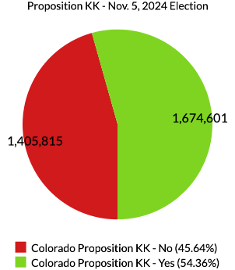
Proposition 127 aimed to remove mountain lion population management from the Colorado Parks and Wildlife. In Nov. 290,000 voters rejected the proposition. In a compromising effort at a public engagement meeting critics of mountain lion hunting demanded that “guaranteed kill” be removed from hunting outfitter’s advertising because it is illegal in Colorado and a violation of CPW’s policy.
“We want to work with Colorado Parks and Wildlife,” Monaco said, “in every way so they can do their job” managing wildlife population.
As hunting license sales decrease, U.S. Fish and Wildlife Service funding must be replaced with a new source. Hunting licenses are an important source of revenue.
“Colorado Parks and Wildlife are brilliant at managing the wildlife population and it should stay that way. It is a scientific method of conservation,” Davis said
Humor offers a chance to challenge the narrative of marginalization. This is according to Dallas Goldtooth, Res Ball (film) actor and environmental activist, who spoke on Tuesday, Sept. 24, at the University of Colorado Macky Theater. Goldtooth mixed his signature storytelling and humor with advocacy, gaining the audience’s trust.
“Buy American Spirit cigarettes,” he said when asked how non-indigenous allies can get involved.
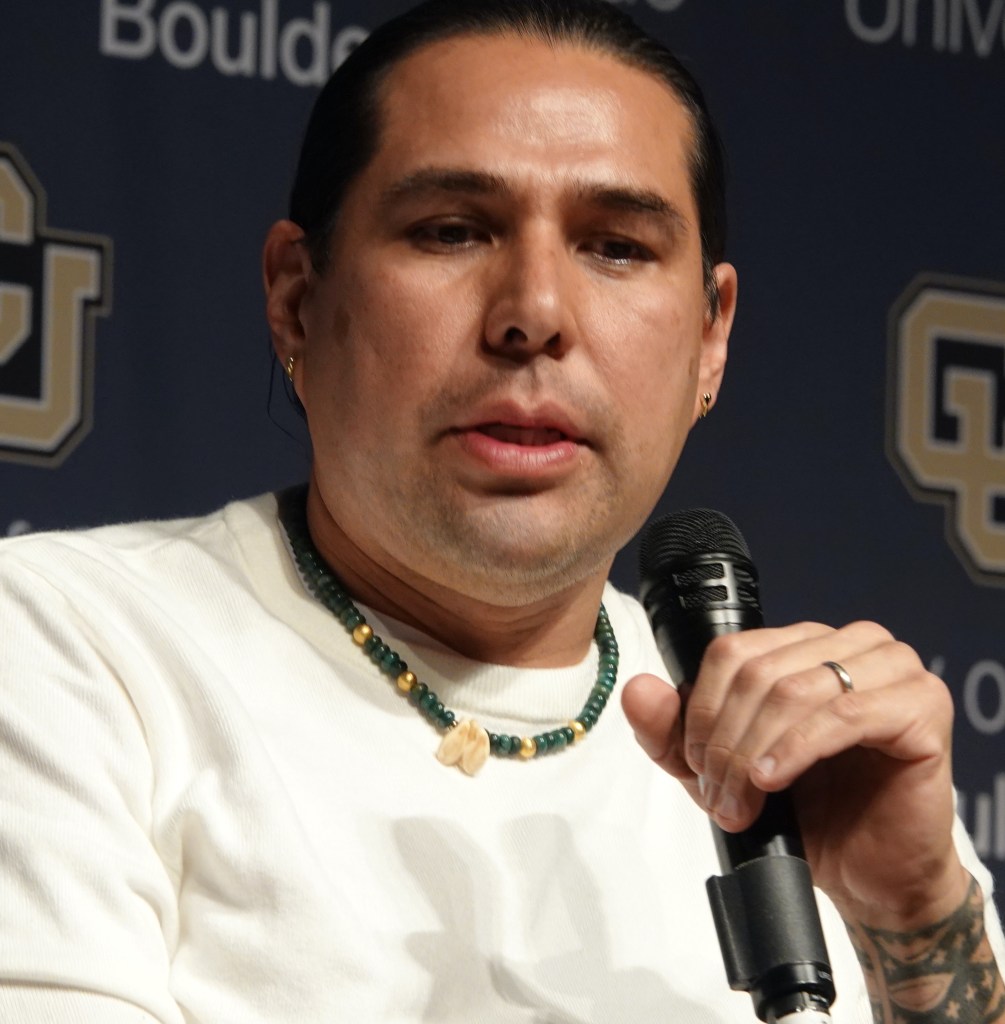
Dallas Goldtooth of Dakota and Diné heritage speaks at Macky Theater on the Campus of University of Colorado at Boulderof his experience with environmental issues and activism . (Melodie Miller | Photographer)
Goldtooth is known for his character William Spirit Knifeman in the FX series Reservation Dogs. He is also the founding member of the 1491’s comedy group. He joked with the Boulder audience and reminded them that solving the climate crisis means acting on a larger scale. The climate crisis disproportionately impacts Indigenous communities and other marginalized groups.
Actor and activist Dallas Goldtooth as William Knife-Man in FX’s Reservation Dogs. (Photograph by Shane Brown / FX)
“I’m sure all of you are really happy about your hybrid car that you’re driving or that you switched your light bulbs to LED lights. It’s great. But we have to remind ourselves as we understand that the causation of climate chaos is capitalism. It also means that the fight to protect this planet is much more than environmentalism,” Goldtooth said.
Activist Dallas Goldtooth encourages the audience to . (Melodie Miller | Photographer)
The fight for climate change is a fight for liberation, according to Goldtooth. Many areas affected by climate chaos are marginalized communities. Their citizens often lack the power to influence what happens to the land. They have no voice regarding the water, the air, or their bodies. He encouraged the audience to help lift marginalized voices.
“This will allow us to imagine a future that’s livable for everyone,” Goldtooth said.
Dallas Goldtooth combined humor and inspiration for action with audience at Macky Theater on the Campus of University of Colorado at Boulder. (Melodie Miller | Photographer)
“Just bring people together around a common issue and let them talk with one another. You have right-wing ranchers, and you have left-leaning natives,” Goldtooth said, “working together to stop the Keystone XL pipeline to preserve clean water on their lands. I’m happy to say that we won the Keystone XL campaign.”
Dallas Goldtooth joked with the audience at Macky Theater on the Campus of University of Colorado at Boulder. (Melodie Miller | Photographer)
Goldtooth amplified the importance of the world’s “climate chaos as an issue that we are all dealing with on this planet.” He softened the message with a personalized joke when asked how he began his career as an activist. Goldtooth told the audience, “Well, I was 13 pounds when I was born. So, my mom knew injustice.”
Dallas Goldtooth reminded the audience at Macky Theater on the Campus of University of Colorado at Boulder that the climate crisis affects marginalized communities disproportionately. (Melodie Miller | Photographer)
Storytelling is a “big part of the organizing effort to make this planet better,” Goldtooth said. Humor provides the “opportunity for you to disrupt the narrative because all of our fields have been impacted” by marginalization. For example, the United States insurance companies secure capitalistic investments. Goldtooth told the audience that “insurance companies are complicit in the destruction of the earth.”
Benny Shendo attended Goldtooth’s speech. He is the vice chancellor for Native American Affairs at the University of Colorado. Shendo is also a member of New Mexico’s Democratic Senate. “I think you will find humor across any country. I mean, it’s not any different in Pueblo or any different in Pani or any other tribe,” said Shendo.
Benny Shendo. University of Colorado alumni speaks to Congress. Members of Congress formally accepted a sculpture of Po’pay, a medicine man from Ohkay Owingeh who led the Pueblo Indian Revolt of 1680, to complete the U.S. Capitol’s Statuary Hall collection. (Photograph courtesy of the C-SPAN 2 Archives)
Phillip Gover is a Tribal Affairs Specialist for the Colorado Department of Human Service. He is an advocate for Indigenous Coloradoans and said, “I think Native Americans have always dealt with tragedy with a sense of humor. Most people would say, ‘What?’ Why would you laugh at that? If I’m not laughing, then I’m crying, and I’d rather be laughing.”
Phillip Gover, a Tribal Affairs Specialist for the Colorado Department of Human Service (Melodie Miller | Photographer)
Goldtooth uses joy and laughter to advocate for marginalized Native American communities disproportionately facing climate change.
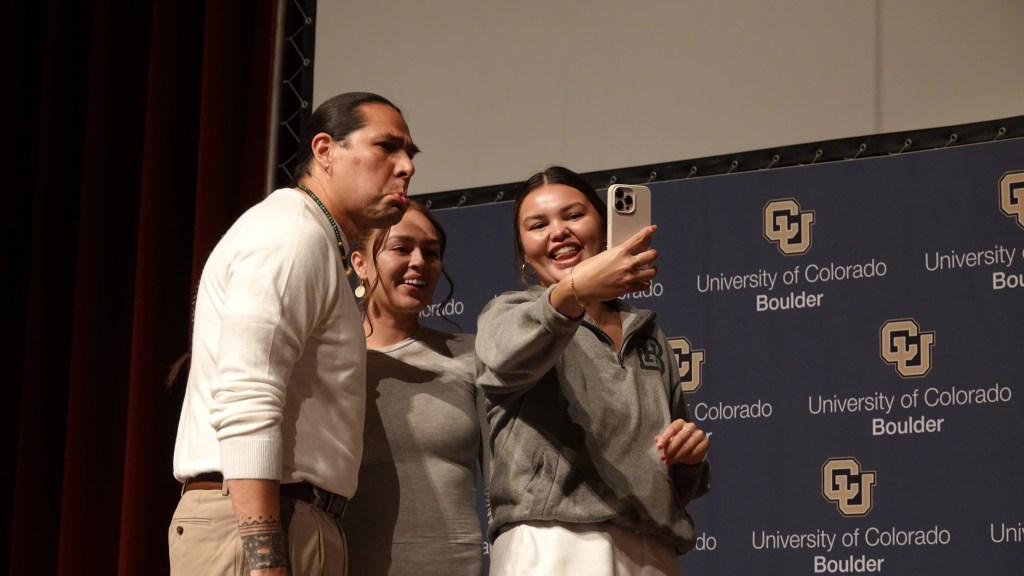
Dallas Goldtooth shared the stage with students at Macky Theater on the Campus of University of Colorado at Boulder. (Melodie Miller | Photographer)
He is descended from the Minnesota Dakota/Diné (Navajo) tribe. He is a member of the Lower Sioux Indian Community. He is also a Dakota language instructor.
Mountains northeast of Durango brings fourth-highest harvest of mountain lions
By Colorado Student News Service
Friday, Nov 1, 2024 11:00 AM Updated Friday, Nov. 1, 2024 5:59 PM
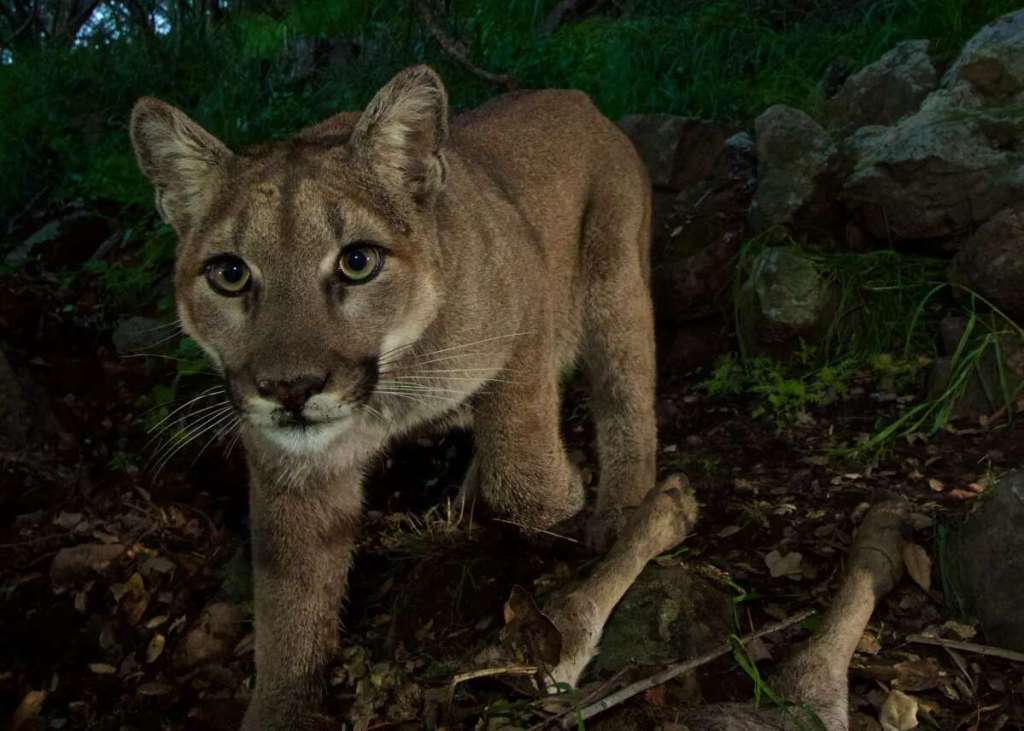
Records from Colorado Parks and Wildlife shows 2,600 hunters killed 502 mountain lions in 2022-2023, the most recent period for which statistics are available. (Courtesy of the National Parks Service, via The Colorado Sun)
In the early morning chill of Colorado’s rugged wilderness, the rhythmic panting of hounds echoes through the trees as they close in on their elusive target, a mountain lion.
For hunters, the video from a Durango outfitter, shows a moment steeped in tradition and survival skills, but such moments may soon disappear from the Colorado landscape. On Nov. 5, voters will decide the fate of mountain lion and bobcat hunting in Colorado, with Proposition 127 seeking to ban the practice entirely.
The group “Cats Aren’t Trophies” gathered about 188,000 signatures to put a measure on the November ballot.
While the group’s name references “trophies,” Colorado Parks and Wildlife considers trophy hunting to be illegal in Colorado. Hunters are expected to eat and use what they kill, based on a hunting brochure from the state agency.
Public records from the state agency show a highly regulated hunting environment where 2,600 hunters killed 502 cats in 2022-2023, the most recent period for which statistics are available.
The fourth highest number of mountain lions killed – 11 – came from an area in the mountains northeast of Durango and La Plata County. The rest of the mountain lions killed around the state were in the single digits, mostly in remote, mountainous areas.
The 21 mountain lions killed in a remote area northeast of Meeker in 2022-2023 was the largest number for any area in Colorado, based on public records provided by Kara Van Hoose, a Colorado Parks and Wildlife spokeswoman. The next largest number of mountain lions killed were in a mountainous southern part of the state near Interstate 25, where 16 were killed in one Colorado Parks and Wildlife statistical area and 15 were killed in the neighboring area. Colorado Parks and Wildlife maps do not follow county lines around the state but are numbered by region.
Van Hoose declined to comment on specific questions related to Proposition 127 so as to remain neutral during the election period. She declined to comment on how current legal hunts affect the economy or how banning mountain lion hunts could affect wildlife and cattle, among other things. Colorado Parks and Wildlife started regulating hunting licenses for mountain lions in 1965 after the mountain lion population declined, according to information on the state agency’s website.
Van Hoose said that Colorado Parks and Wildlife surveys wildlife populations by helicopter, among other things, to decide how many licenses will be available to hunters every year.
“We set licenses depending on a lot of different factors. There are environmental factors and external factors,” Van Hoose said.
The most emotional part of the hunting discussion appears to be how some Colorado outfitters use GPS-collared dogs to track and hunt mountain lions. Hound hunting is legal in Colorado.
Some 88% of Colorado residents disapprove of hunters using dogs to help with hunting and 78% disapprove of “trophy hunting” of mountain lions, according to an August Colorado State University study published in the Society for Conservation Biology journal.
Kelly Maher, a Colorado hunter, said she teaches her children to honor the animals that the family hunts “by consuming and using every part of the animal.” She said proponents of Proposition 127 don’t like the hound hunting, “but the cat needs to be stationary to identify its sex and status.”
The people who gathered signatures to get Proposition 127 on the ballot feel that hunting mountain lions with GPS-equipped dogs “gives our hunters a bad name for violations of fair chase,” according to Mark Surls, the volunteer and outreach coordinator for the group.
A group supporting continued mountain lion hunting is called Colorado’s Wildlife Deserve Better, which includes funding help from the Colorado Cattlemen’s Association and the Colorado Wool Growers Association. And the Board of Mesa County Commissioners in Grand Junction unanimously approved a resolution opposing Colorado Proposition 127 on Tuesday, Sept. 24.
Colorado Parks and Wildlife requires hunters to take an exam and buy a license to hunt mountain lions. About 3,800 to 4,400 mountain lions live in Colorado, according to the state agency, but most people never see them because they’re active at night.
About the Colorado Media Project
The University of Colorado journalism program has a $10,000 grant from the Colorado Media Project, as you know, and we’re working with eight newsrooms this semester in rural and underserved communities mostly around the Western Slope, including The Journal, Ark Valley Voice, Aspen Times, Bucket List Community Café, Colorado Newsline, Denver Urban Spectrum, Rio Blanco Herald Tribune, Sopris Sun/Sol del Valle and Enterate Latino.
Readers can the Colorado Media Project and the class by contacting Elizabeth Potter and the students at elizabeth.potter@colorado.edu.
Colorado Media Project | Courtesy of Colorado Media Project
Common Sense Institute Colorado, a nonpartisan group interested in protecting Colorado’s economy, reports that Proposition 127, if passed, would cause an overall “$4 million to $6.2 million in lost Colorado Parks and Wildlife revenue.”
Of the total, the Common Sense group says there would be a direct loss of $410,000 from mountain lion and bobcat hunting licenses. The group estimates that Colorado Parks and Wildlife would lose a separate $3.6 to $5.8 million in elk and deer hunting permit revenue because the increased mountain lion population would keep the elk and deer population down.
Reporting by Adair Teuton, Bella Hammond, Caniya Robinson, Jackson Jupille, Lincoln Roch and Melodie Miller.
The Alienware Lounge at the Colorado Memorial Center on C.U. campus. (Melodie Miller / Photographer)
Game in luxury with state of the art Dell software can be found at the University of Colorado, Boulder lounge on the first floor of the Colorado Memorial Center. The gaming lounge is open seven days a week.
The Alienware Lounge features custom designed chairs for long periods of sitting. (Melodie Miller / Photographer)
The University of Colorado teamed up with Alienware, a hardware subsidiary brand of Dell in 2023 to build the second collegiate facility in the nation. According to the University, the 1,275-square-foot space inside the UMC was renovated with a $1.2 million donation from Dell Technologies and Intel.
The Alienware Lounge offers numerous games and open seating for up to one hour per session. Watch the Youtube video for a view of the facility. https://youtu.be/Dpi8Z01Gqcg (Melodie Miller / Photographer)
The luxury Alienware Lounge has 19 gaming desktops, three gaming laptops, and a console area that can comfortably seat up to 4 gamers. C.U. students receive 10 free days passes on their first visit.
Adam Pallas, is the senior coordinator for gaming programs at C.U. Boulder. (Melodie Miller / Photographer).
Building a community at Alienware is one goal of the Center for Student Involvement at C.U. “I am full time. I am part of our Center for Student Involvement, which is where our gaming lounge is housed,” Senior Coordinator for Gaming Programs, Adam Pallas said. “I was brought on to the University in August 2023, prior to the opening of the gaming lounge, and I’ve been with it since then.”
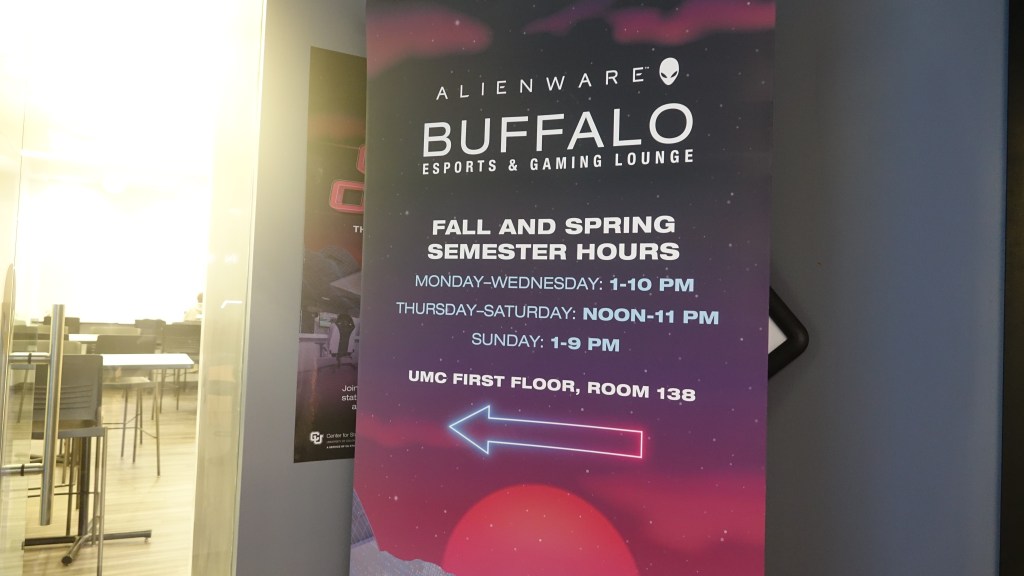
UCM Alienware Gaming Lounge is open 7-days a week.
Alienware Esports Lounge has ample, custom seating.
Log into your account to play the game of your choice.
Stations accommodate playing with multiple friends.
The lounge has 50 games installed on its PC’s.
The lounge has state-of-the-art Dell gaming stations.
UCM Alienware Lounge entrance. (Melodie Miller / Photographer).
Alienware hosts in person gaming night once per month with free pizza and tonight its Minecraft Bingo. “Minecraft is not normally a competitive game, but we thought we could make it competitive by doing the Bingo competition,” Pallas said.
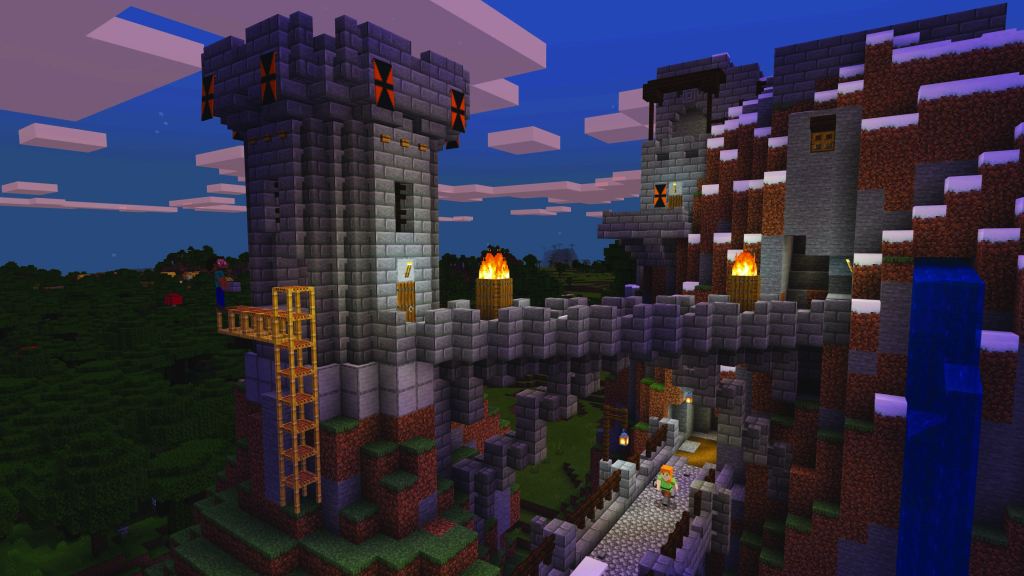
Mojang Studios, a video game developer based in Sweden introduce Minecraft in May 2009 as a sand-box-style where players could freely explore, interact with others and create. The idea is that people can experiment by playing survival or creative modes. Mojang Studios sold Minecraft to Microsoft Gaming in 2014 for $2.5 billion dollars.
Graphic was designed and developed with Piktochart. (Melodie Miller / Designer).
Minecraft has evolved over the years but it remains a sandbox-style video game that gives players a lot of freedom to explore, interact, and create virtual worlds without following a set objective. It is an environment where players build and explore virtual worlds by discovering and extracting raw materials with craft tools and machines.
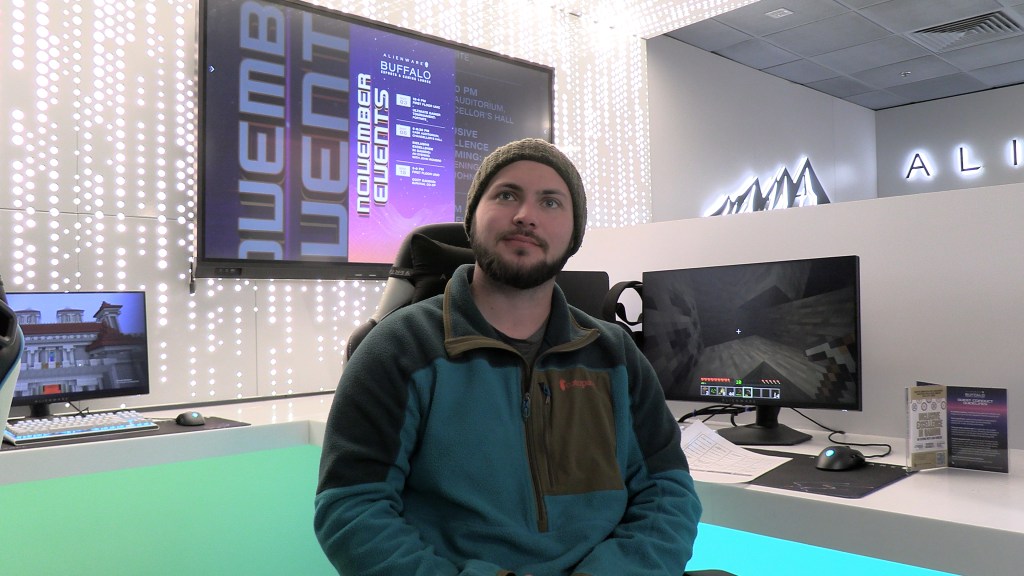
Eli Grimm is a sophomore at C.U. majoring in engineering. His favorite game is Minecraft because it is a “creative game to play with your friends,” Grimm said. “Its a great way to connect with people. If you have close friends, but you guys live far away, you could play some games together. It’s something that’s social.”
Eli Grimm, C.U. gamer and engineering major. (Melodie Miller / Photographer)
The Alienware Lounge is “sponsored by Dell Alienware. So we have these amazing rigs. These are top of the line computers that would cost several thousand dollars to make on your own,” student gaming event planner, Jesse Helser said.
Jesse Helser is a student gaming event planner at the Alienware Lounge at C.U. (Melodie Miller / Photographer)
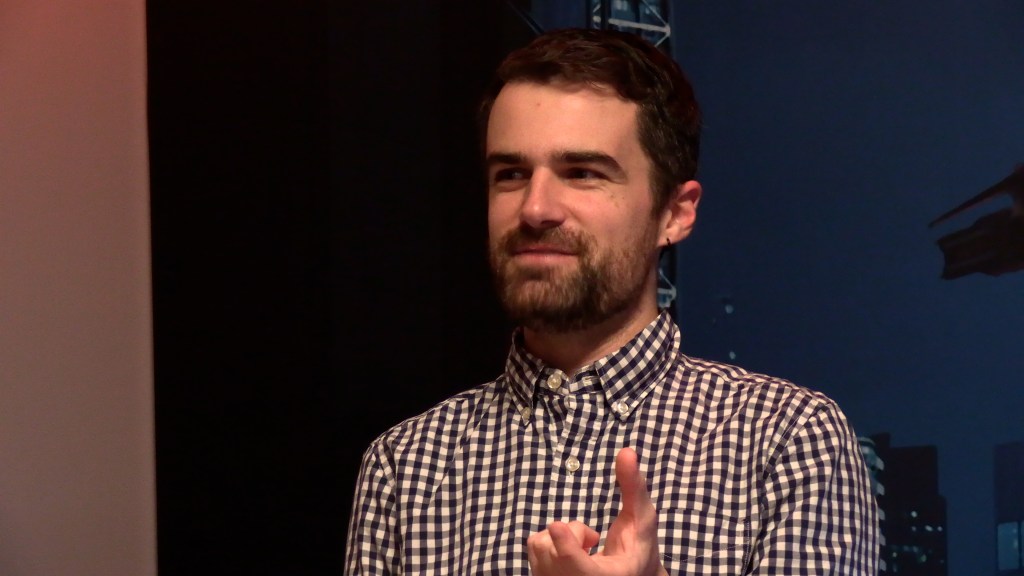
C.U. student, Colin Stewart, a junior majoring in psychology said, “My goal tonight is to win. This is the second time I’ve been here. I participated in the first event of this semester and I honestly have my own gaming PC in my dorm. But I enjoy coming out here.”
Colin Stewart, is a junior majoring in psychology at the University of Colorado in Boulder. (Melodie Miller / Photographer)
Although C.U. offers 50 games, Minecraft has become the best selling video game world wide since its release in 2009. Sales topped at 300 millions copies sold as of 2024 and according to Xbox, there are nearly 170 million monthly players exploring the critically acclaimed virtual worlds.
A C.U. student played a video game as his friends sitting near by joined in the same battle. (Melodie Miller / Photographer)
The Alienware gaming lounge is a place created for fun and competition that offers students the opportunity to team build playing on high-tech gaming equipment. They can grow a community of gamers facilitated by the Center for Student Involvement 7 days a week.
The Alienware Lounge is a place of community where friends can join in video games for relaxation and enjoyment. Students will find Alienware hours and coming events on the website.




































 Melodie Dawn Miller