Category: 03 * Podcasts

  • Sunflower Farm Founder Podcast

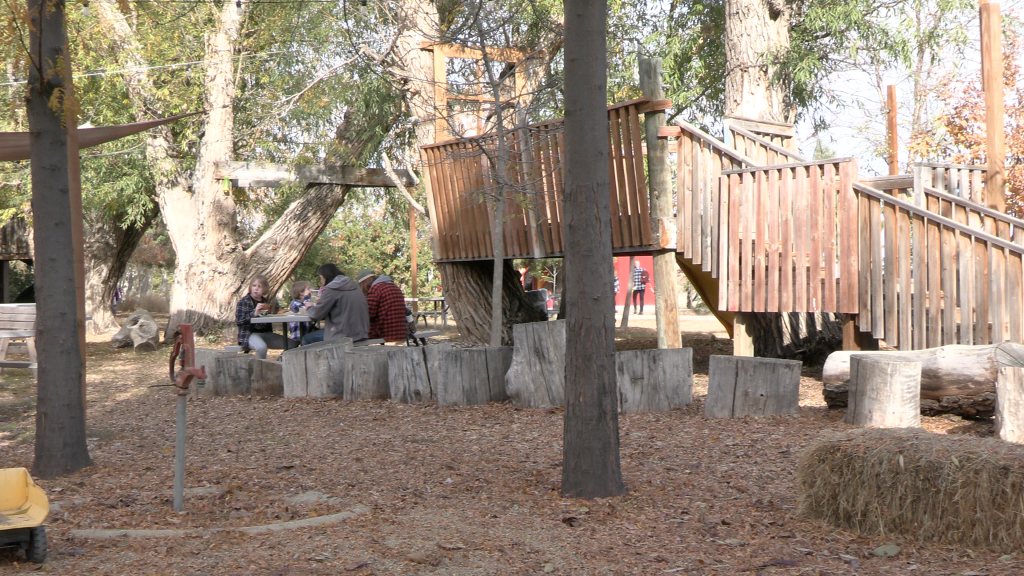
    It was early morning on a crisp, cold, sunny Sunday in November on the 55-acre Sunflower Farm. Founder John Roberts fed wood to the crackling campfire to warm the Farmfest guests. Community members of all ages come to the sustainable farm to roam among the magical forest and farm animals.

    The farm is a healing “resting place for the community,” Roberts said. You can come as a family “to mingle with others that you never would have otherwise met.” The farm creates connections and an “intertwining of community that I think is beneficial.”

    Roberts earned a bachelor’s degree in English from Colorado Mesa University. He taught at a primary school in Moshi, Tanzania, Africa. While in Moshi, he observed the benefits of outdoor-based learning. “The students plant seeds in the spring. By the end of the summer, they see the benefits of their participation in the farm. “
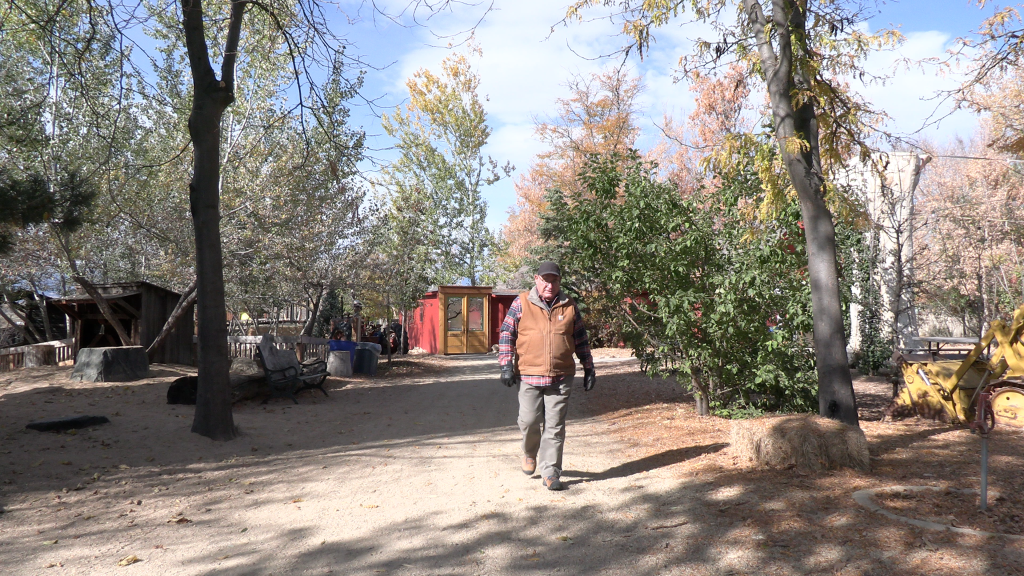
    The children spend more than half their learning time out of doors. They play with the worms in the dirt and “begin to understand where their food comes from,” Liz Napp, the executive Sunflower Farm and Sunflower Farm Acres, said.

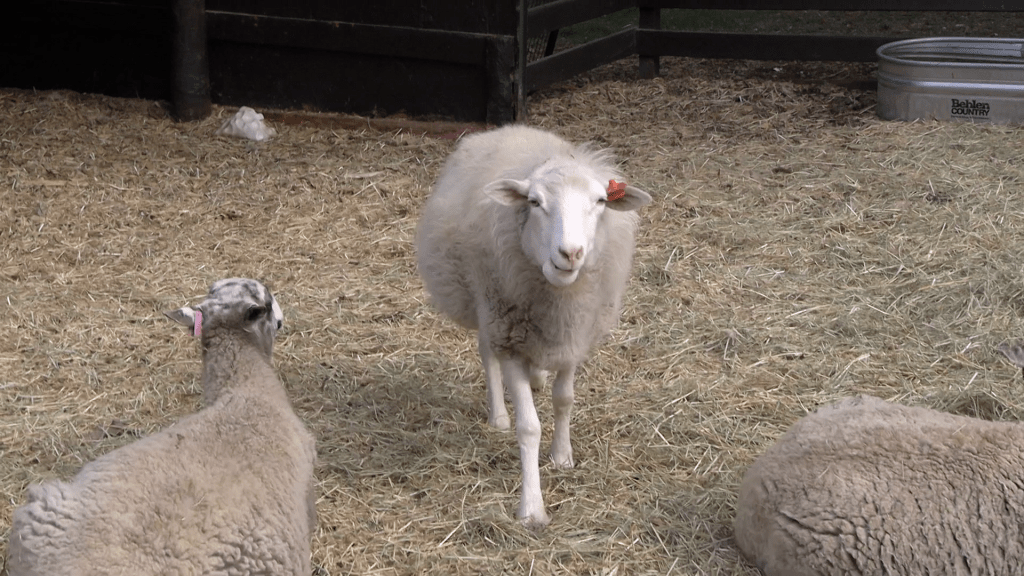
    The farm is like an outdoor living room where Roberts introduces his guests to over 100 farm animals. “When I lived in Washington D.C., I realized that spaces are important,” Roberts said. “Over the last 25 years, I’ve created spaces for visitors to experience different things,” while enjoying the farm.
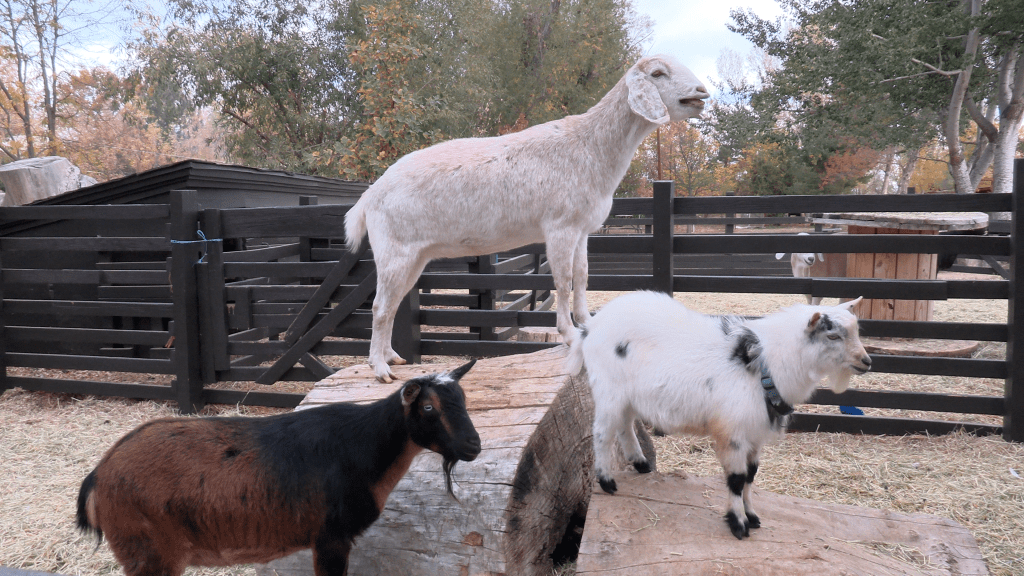
    In 2024, Sunflower Farm became a production farm with an educational vision to immerse children in nature, land conservation and farming. Jacob McGuire, operations manager of Sunflower Farm Acres, said the children are “getting more than just the curriculum” as they navigate the property. They are “participating in preserving nature.”

    As a conservation easement, Sunflower Farm is “required through contract to preserve much of the nature that exists,” McGuire said. This means no new structures can be built on the farm, so the preschool cannot grow.
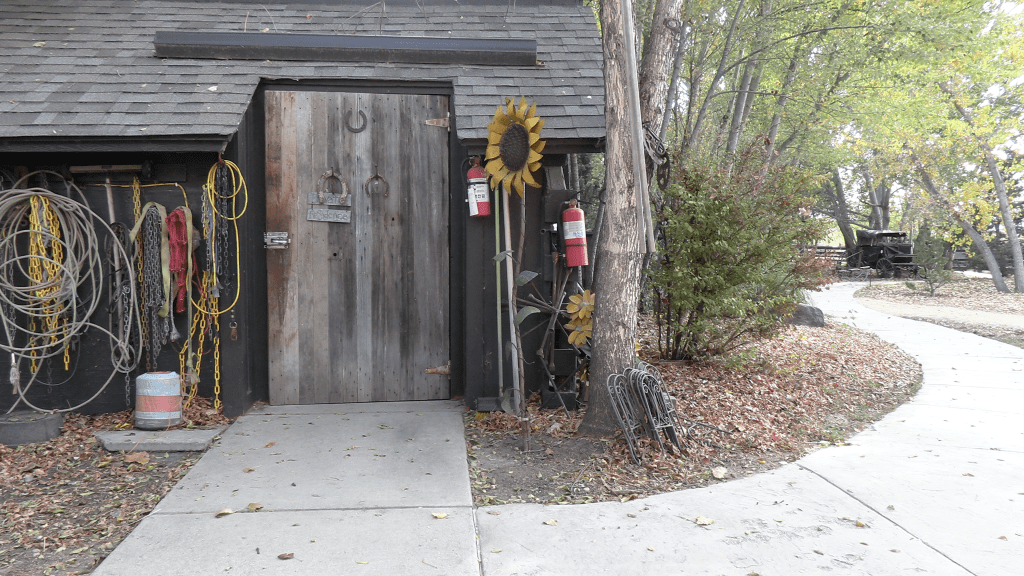
    But there are other ways the farm can grow its contribution to the community. Healthy soil grows nourishing food, so Roberts is committed to working with aspiring local farmers.

    We are “planning to expand educational internships focusing on regenerative farming practices,” McGuire, who has a master’s degree in international human rights from the University of Denver, said.
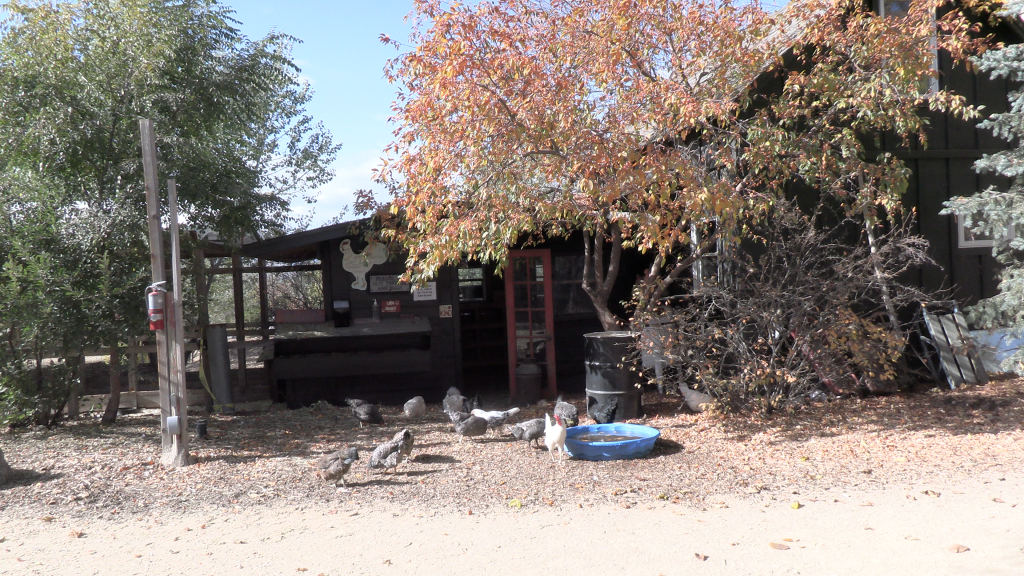
    Roberts bought the homestead in 2002. It had a rundown farmhouse. However, Robert’s four children and their friends loved the place. Roberts, a master builder, improved the property, created the community spaces, and formed a preschool.

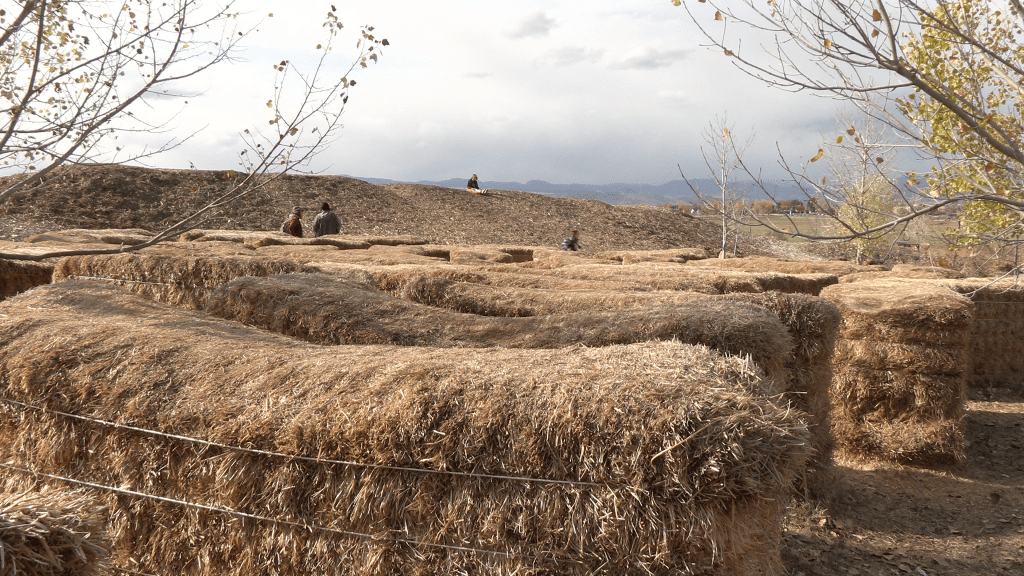
    Roberts goal was to preserve the open space of the farm. He built winding pathways for visitors to explore a hay maze, a grain silo, and a twin-engine airplane. Guests can wander between hand-split wood enclosures where friendly goats and ponies greet everyone.
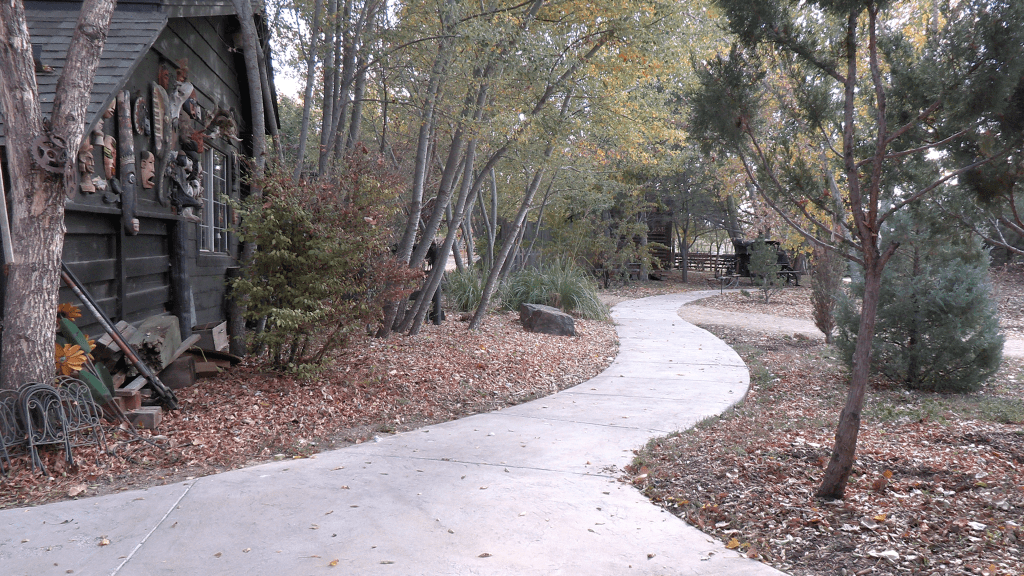
    The farming and animal setting creates an “easy learning environment for kids to participate and they are eager to participate,” Roberts said. While planting pumpkin seeds, the children count and improve their “dexterity, and they’re also learning.”
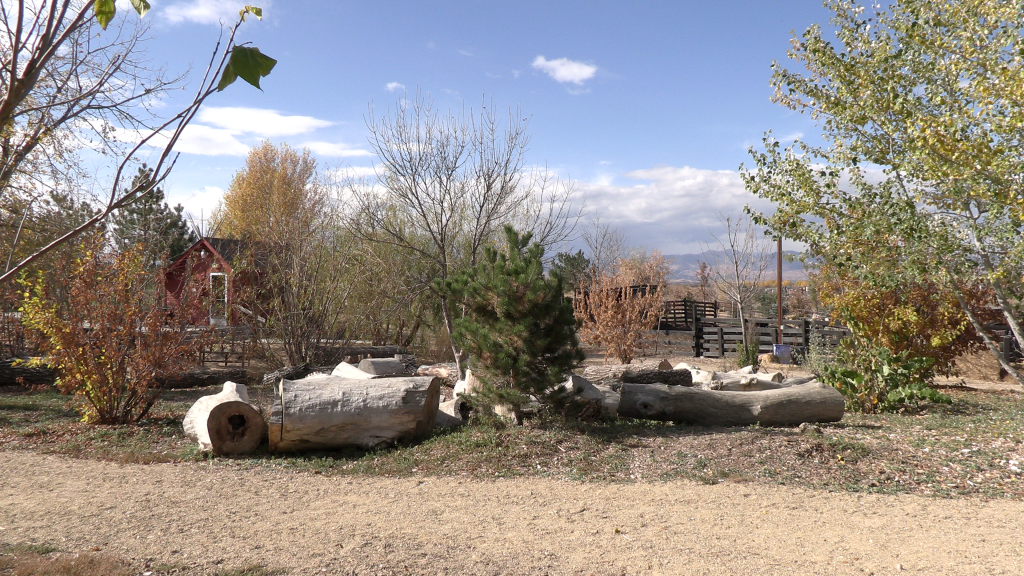
    Looking to the future, Roberts said, “You know, I don’t think there’s going to be another Sunflower Farm. The business model does not financially support” the preschool.
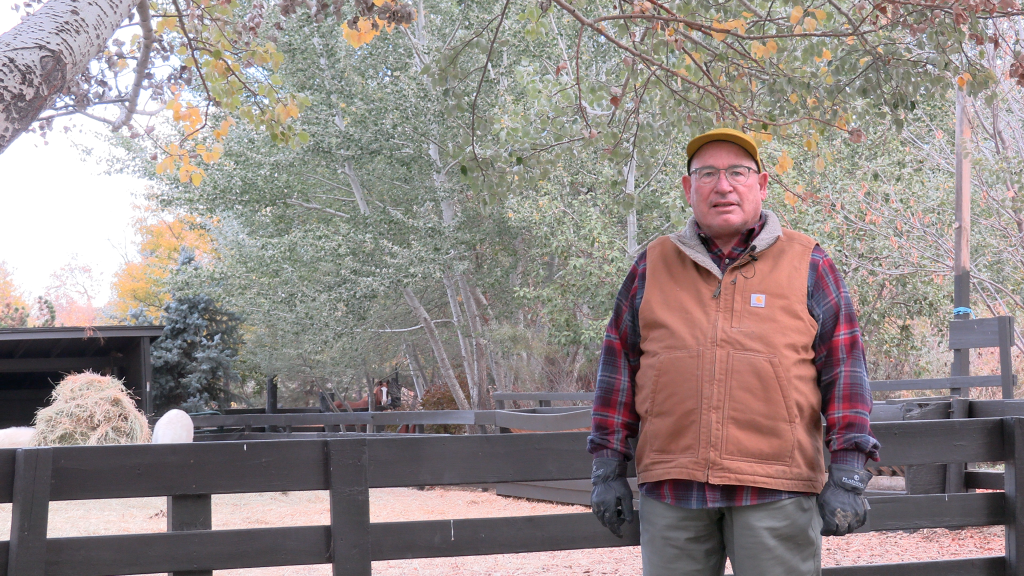
    “I was raised poor, so money is not a motivating factor for me. Otherwise, I would have sold this farm years ago and retired.” Roberts said. “But I’ve made a commitment of myself to do this for the community. This is my purpose.”
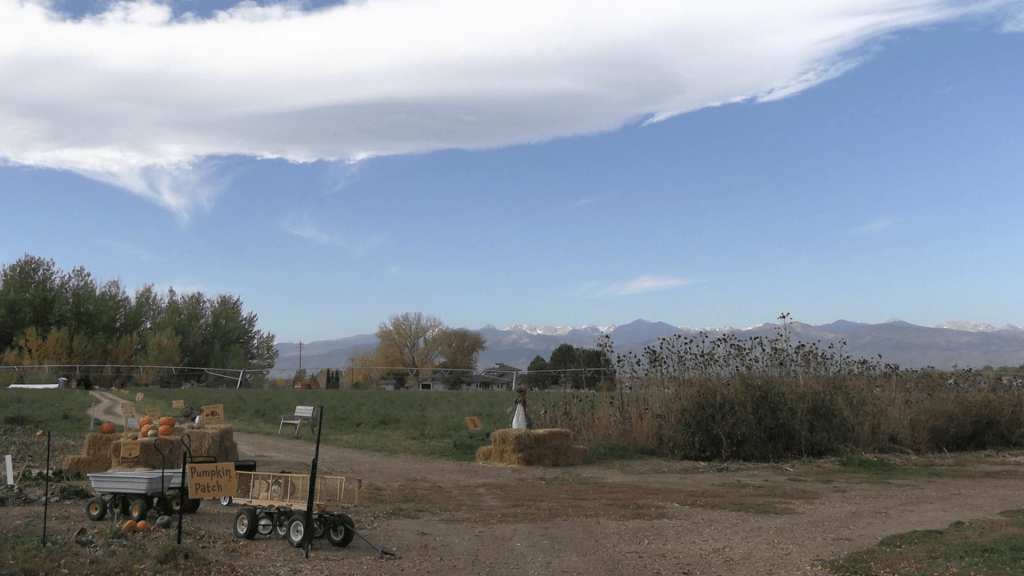
    Visitors are welcome at the Sunflower Farm in Longmont Colorado with reservations.
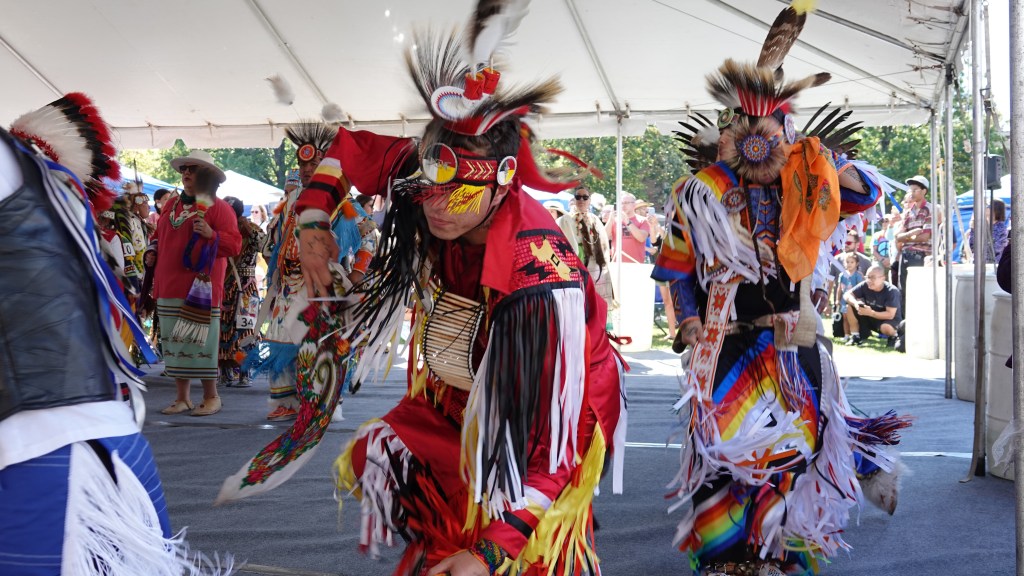
  • The Heartbeat of the Powwow at the University of Colorado at Boulder

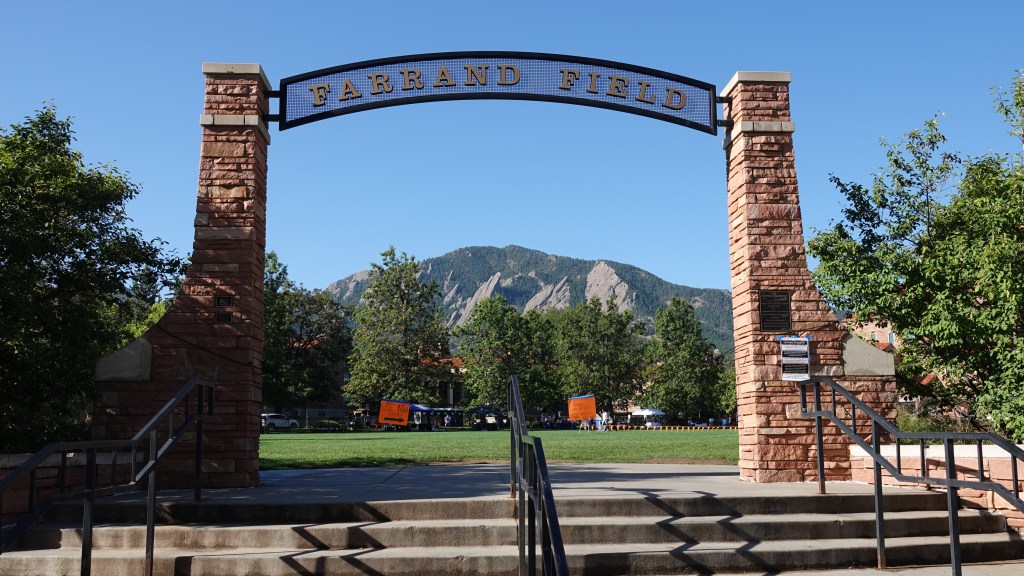
    The Heartbeat of the Powwow returned to the University of Colorado at Farrand Field on Sept. 28, 2024. (Melodie Miller | Photographer)

    Listen to powwow musician Tony Crank at the University of Colorado Farrand Field Sept. 28, 2024. The Colorado American Indian Tribes In-State Tuition Act (CO SB 21-029) was passed to allow eligible students to pay in-state tuition at Colorado public universities and colleges.(Melodie Miller | Photographer)

    I went to historic Farrand Field on the University of Colorado campus in Boulder for the 2024 Native American powwow. It was a beautiful bluebird day without a cloud in the sky. The campus was built on the traditional territories and homelands of the Arapaho, the Cheyenne, and the Ute nations. The powwow is part of the universities commitment to continually improving and enhancing engagement with indigenous peoples locally and nationwide. It is the first powwow on campus in 23 years.

    Farrand Field was named after Livingston Farrand, the university’s fourth president who served from 1914 to 1919.

    After 23 years, the powwow returns to campus as a celebration of faith and tradition for the indigenous peoples of Colorado.

    The 2024 CU Boulder Powwow was organized by the Oyate Native American and Indigenous Student Organizations on campus. It was a collaboration between the Center for Inclusion and Social Change (CISC), the Center for Native American and Indigenous Studies (CNAIS), the Oyate Native American and Indigenous student group and the native Graduate Student Group and the Theater and Dance Department.

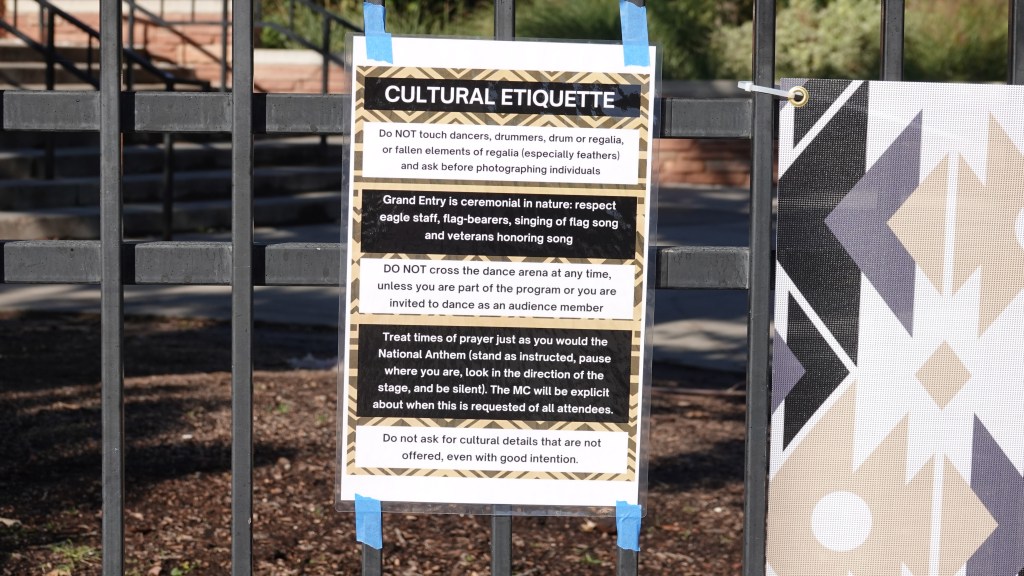
    Cultural etiquette was encouraged with guidelines posted as reminders for the audience. The aim was to elevate understanding and sensitivity towards respecting the customs of Native American nations.

    Cultural etiquette is a unique set of understandings that guide people when interacting in different societies. At the powwow, these guidelines include not touching the dancers, their regalia, instruments or fallen feathers. “Do no ask for cultural details that are not offered even with good intentions.” Sensitivity and respect for these norms fosters positive cross-cultural understanding and connection.

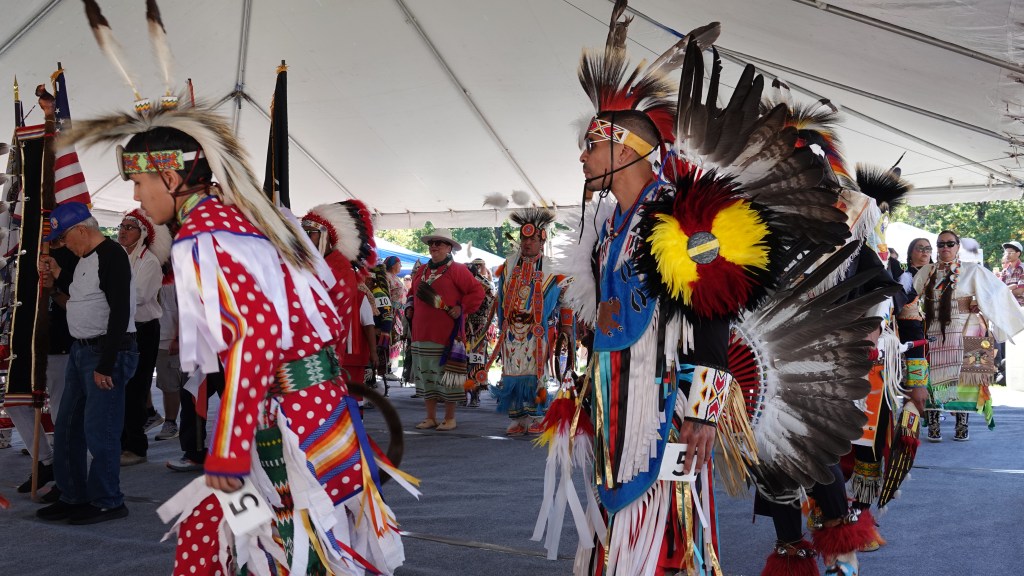
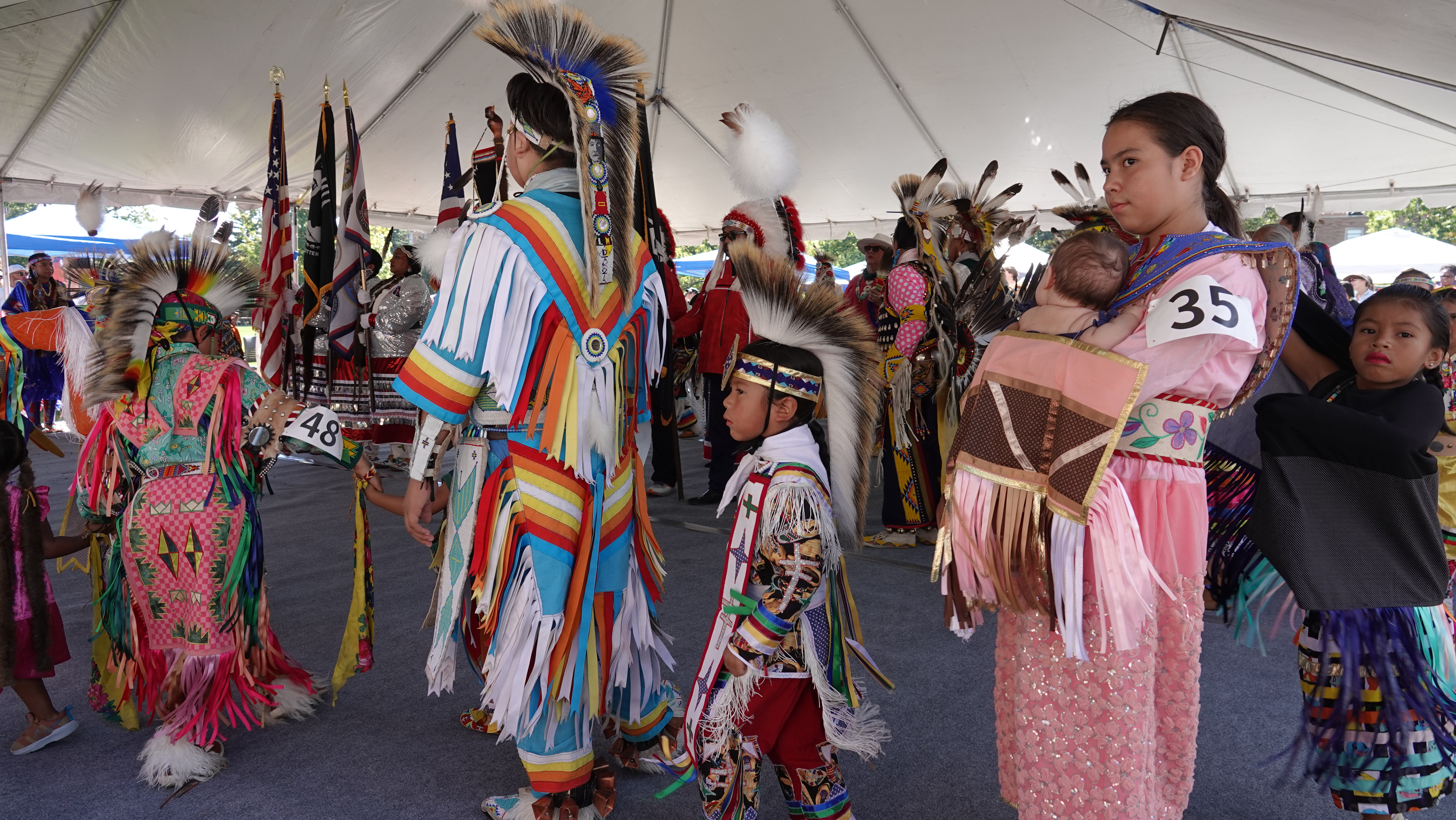
    Grand entry for the powwow. (Melodie Miller | Photographer)

    After 23 years, the powwow returns to campus as a celebration of faith and tradition for the indigenous peoples of Colorado. The grand entry victory song and two rounds of intertribals.

    Saydie Sago told me she went to the last powwow 23 years ago, in 2001 with her parents when she was a small child. We are “bringing some Cheyenne, and Rapaho community from northern Rapajo members, southern Rapaho members, and Cheyenne members to come dance and be a partner. Of course, they were part of one of the many tribes that are historically tied to this part of the land and also Colorado. So we are inviting them back to their ancestral lands,” Sago said.

    Saydie Sago, one of the powwow organizers, is a fourth year PhD student here at CU. (Melodie Miller | Photographer)

    “I know that my parents, I think, have actually been to the powwow 23 years ago. So it’s really nice to see it coming back, Redhorse said. “I’ve been going to powwows ever since I was one of the tiny tots. My mom put me in a jingle dress dance, and I got up on the dance floor. I really hope we can continue this ongoing tradition.”

    Shaleen Redhorse is an aerospace engineering student here at CU. She danced powwows when she was younger. (Melodie Miller | Photographer)

    I spoke with CU graduate Benny Shendo, the vice chancellor of Native American Affairs, about the future for native american students in states outside of Colorado.

    “We only have two federally recognized tribes here in the state of Colorado. But then there’s 46 other tribes that have historical connection to the state of Colorado,” Shendo said. Colorado state “passed the law signed by the governor that will allow any students from those tribes to come into state tuition. Not only will this increase our Native American enrollment, both undergraduate, graduate, but also faculty and staff.”

    “It’s a new day,” Shendo said. “It’s a new day, you know, it’s for us, and we’re hoping to elevate the presence of our native students at all levels.”

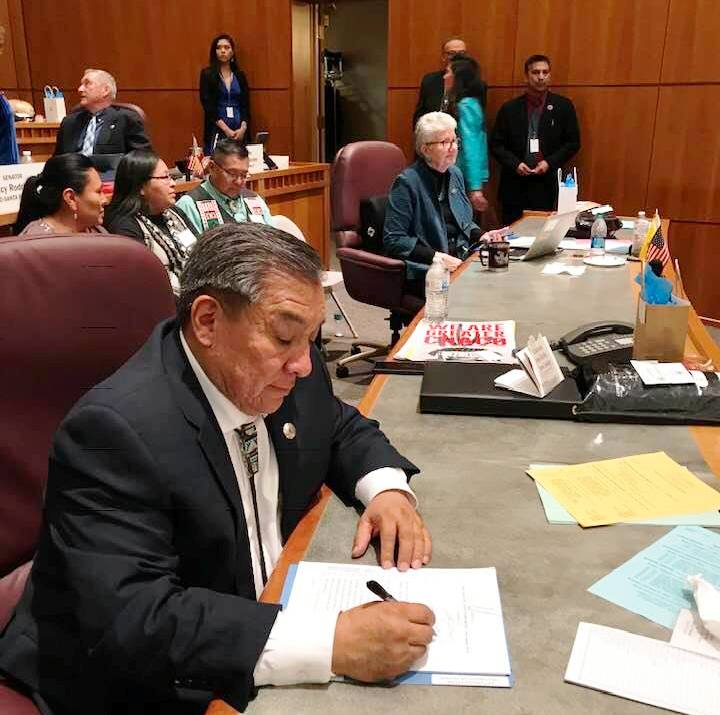
    CU graduate Benny Shendo, the vice chancellor of Native American Affairs is a state senator for New Mexico. (Photograph courtesy of Common Ground Rising.org Blog)

    Powwow Gallery

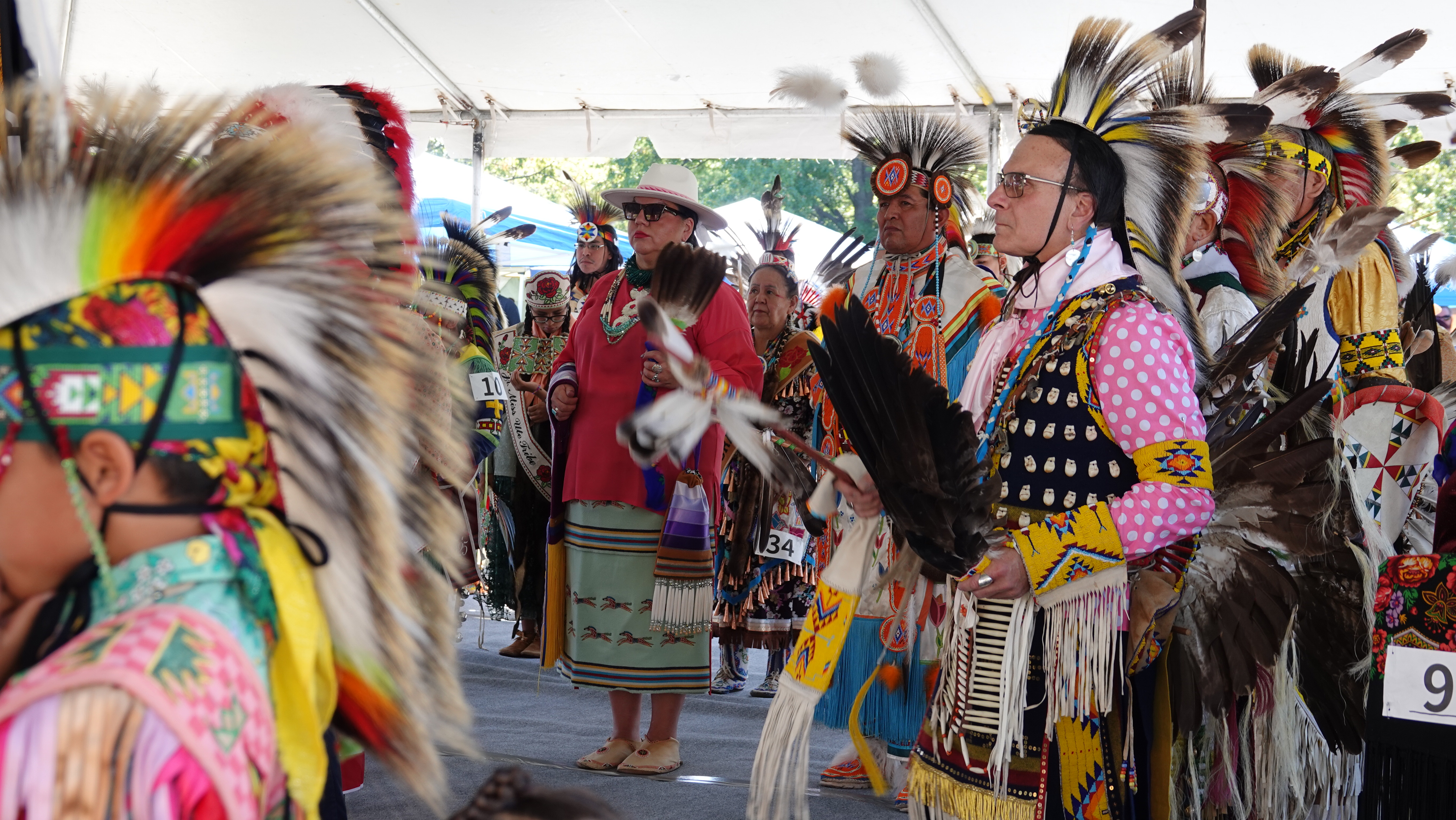
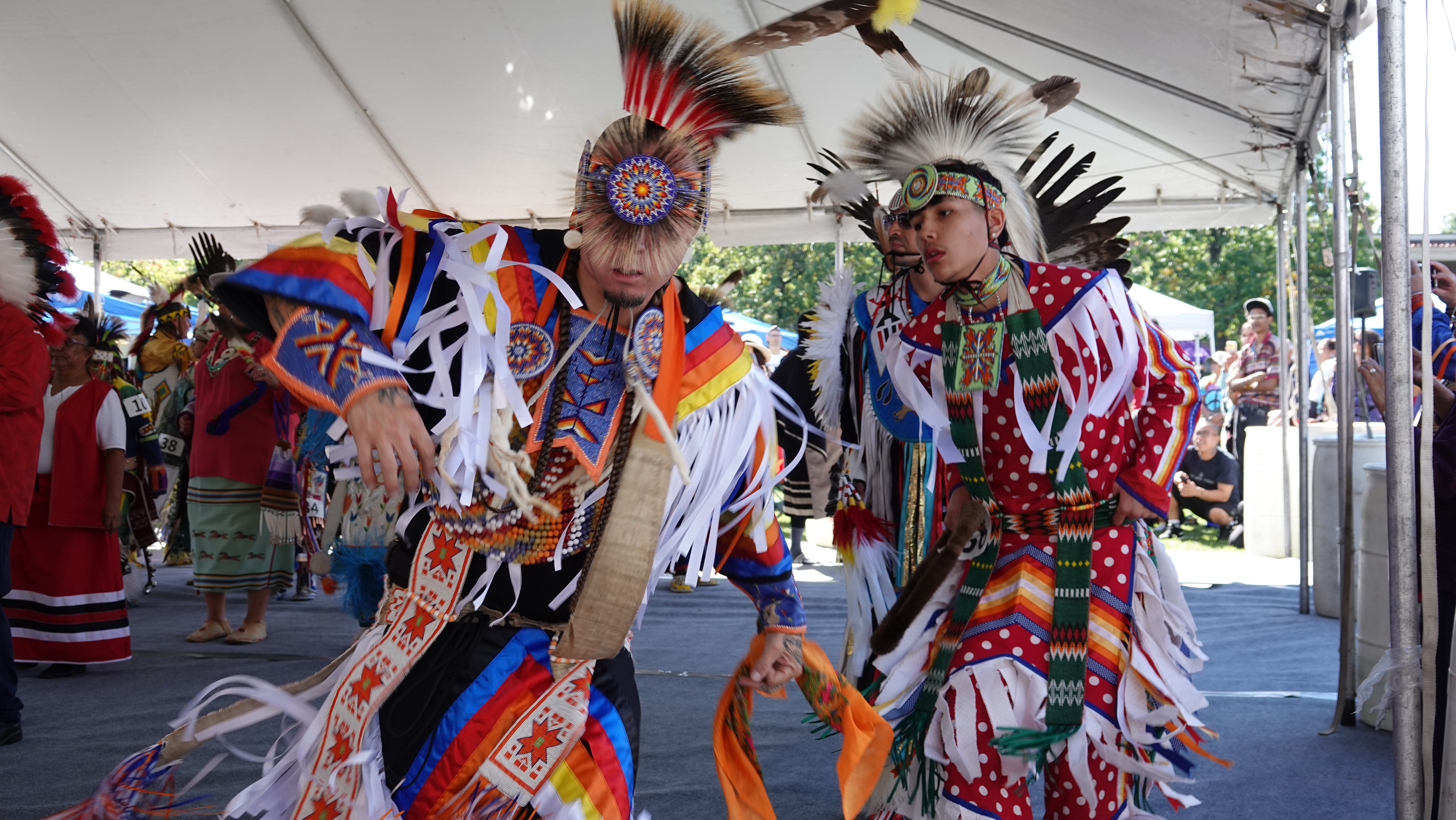
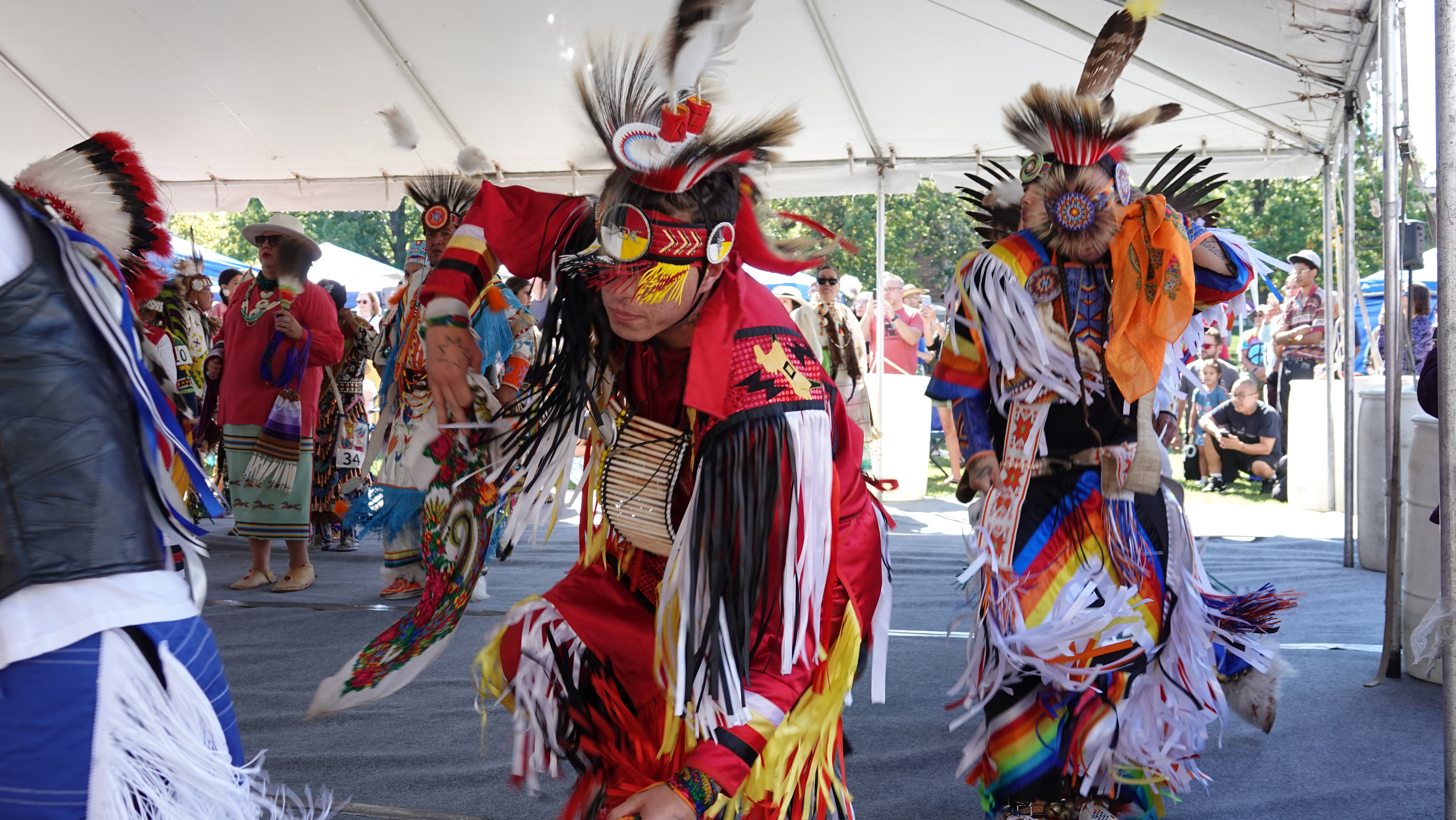
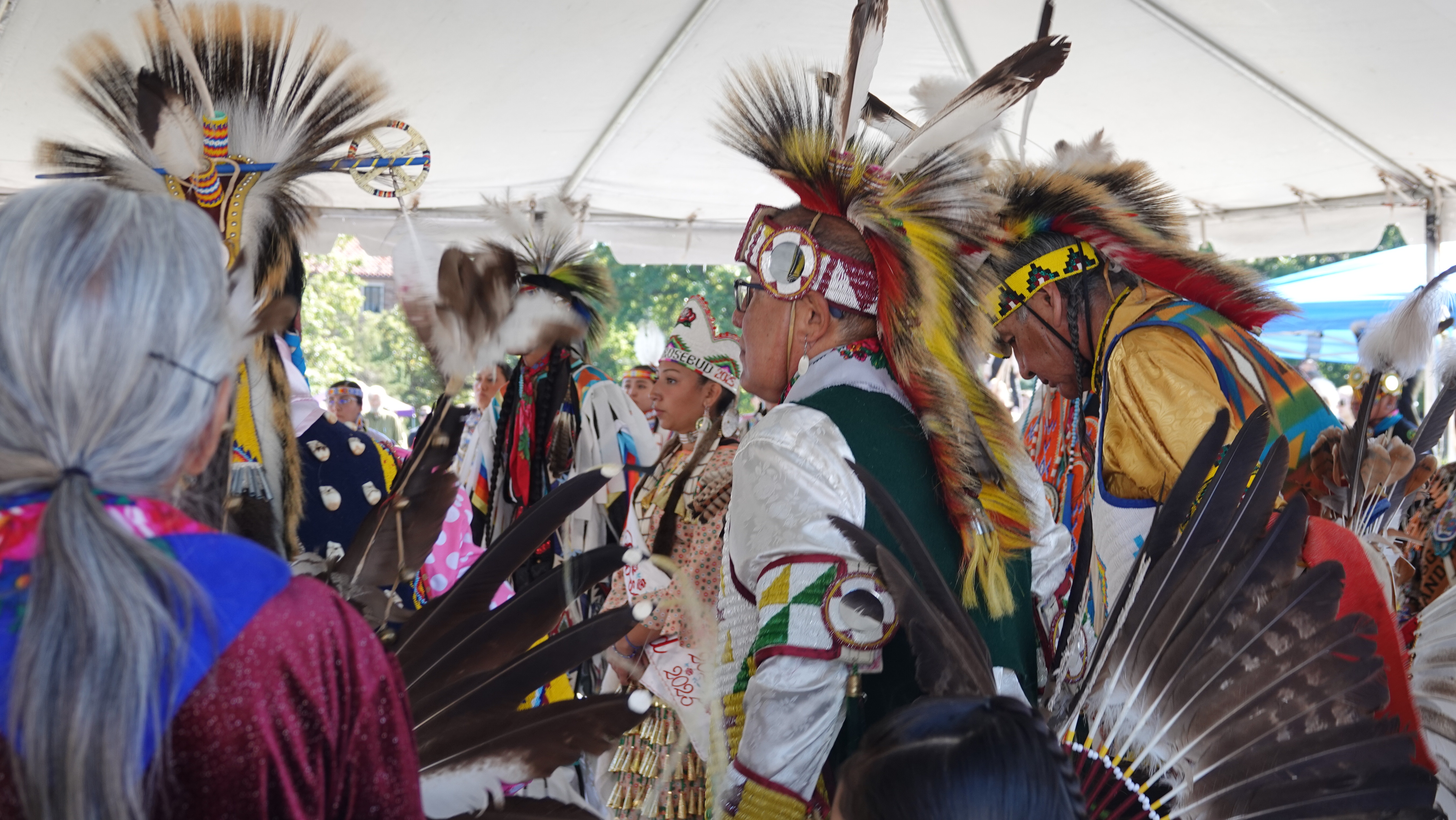
    Welcome to the 2024 Powwow on the University of Colorado at Boulder campus. This event offers an exhilarating experience that spans 200 years of cultural history . Every moment is an opportunity to witness and partake in the spiritual ceremony of the powwow. (Melodie Miller | Photographer)

    The University of Colorado Boulder is a public research university in Boulder, Colorado. It was founded in 1876, five months before Colorado became a state. Colorado’s flagship university honors and recognizes the many contributions of Indigenous peoples in the state. The university acknowledges that it is located on the traditional territories of the Cheyenne, Arapaho, and Ute. It is also on the ancestral homelands of many other Native American nations. The university is dedicated to recognizing and amplifying the voices of Indigenous CU Boulder students, staff, faculty and their work.

    Powwow Staff: https://cuboulder2024powwow.my.canva.site/