Category: 09 * Travel

  • Keeping the Wild West Alive at the Strater Hotel in Boomtown Durango, Colorado

    A 19th-century gold-rush mining town is alive in Durango
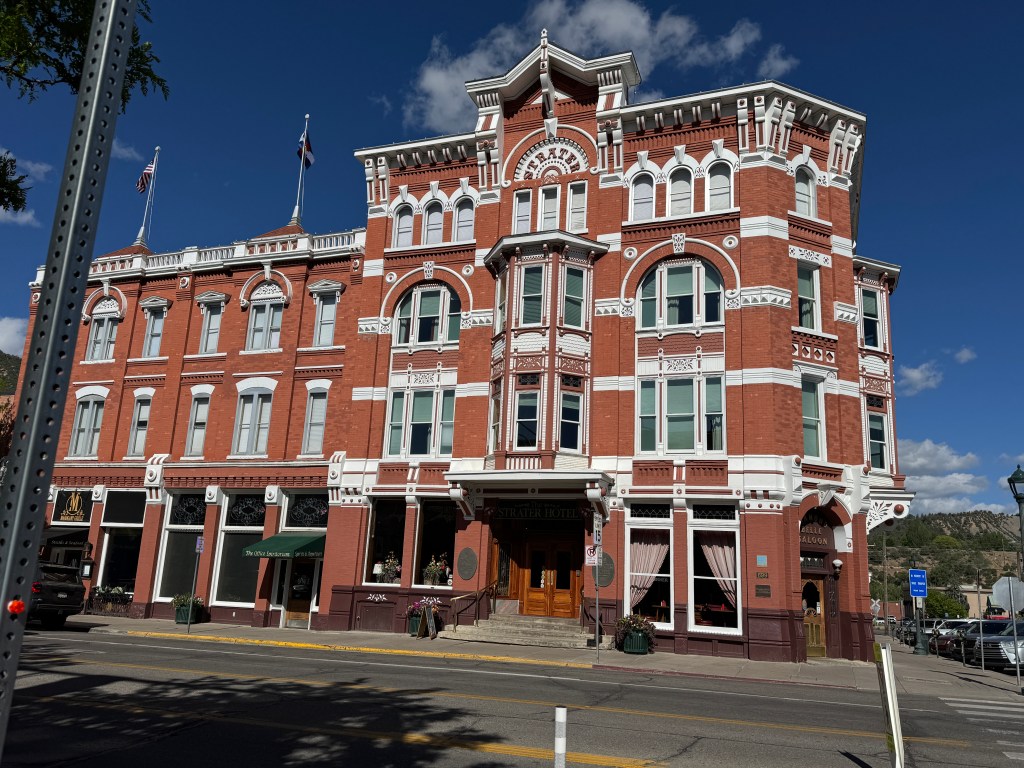
    The historic Strater Hotel on Main Street, Durango (Melodie Miller | Photographer)
    By Melodie Dawn Miller Reporting from Durango, Colorado June 16, 2026      2:00 p.m. MDT

    The Strater Hotel is a distinctive red-brick building situated on Durango’s Main Street in the Historic District, where visitors can rest their heads in the Wild West without traveling back in time. Built in 1887 by Fred, Frank and Antone Strater, the Boomtown hotel is filled with historically accurate furnishings and decor that take visitors back to the 19th century without sacrificing modern conveniences or civil order.

    “American mining towns were mostly civil,” Jennifer M. Larson writes in Why the West Became Wild. The American West “grew so rapidly during the nineteenth-century gold rush that they were dubbed boomtowns.”
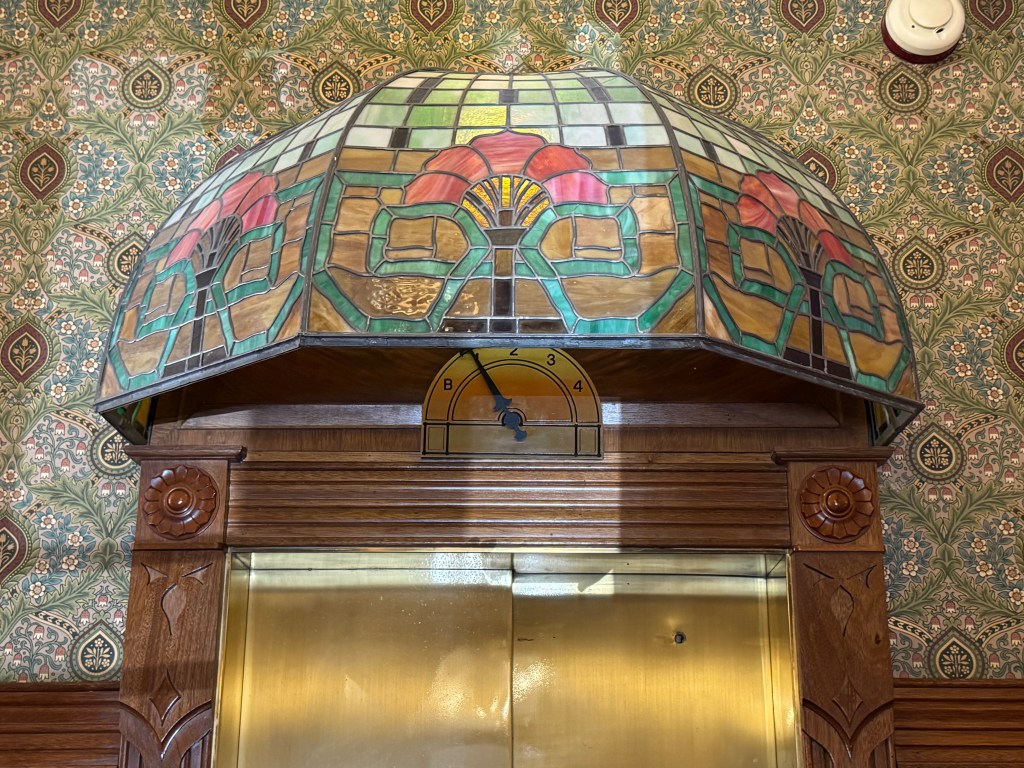
    Tiffany-inspired elevator awning emulates the 1880s Art Nouveau decorative period       (Melodie Miller | Photographer)

    Designed and built during the region’s mining boom, the Strater Hotel management strives for authenticity with century-old oak furnishings, replicated 19th-century wallpaper, and Tiffany Art Nouveau-emulated lighting fixtures, giving guests a Wild West experience.

    “The hotel is dedicated to providing factual information. The hotel is a living museum,” Tori Ossola, the General Manager of the Strater Hotel, said.
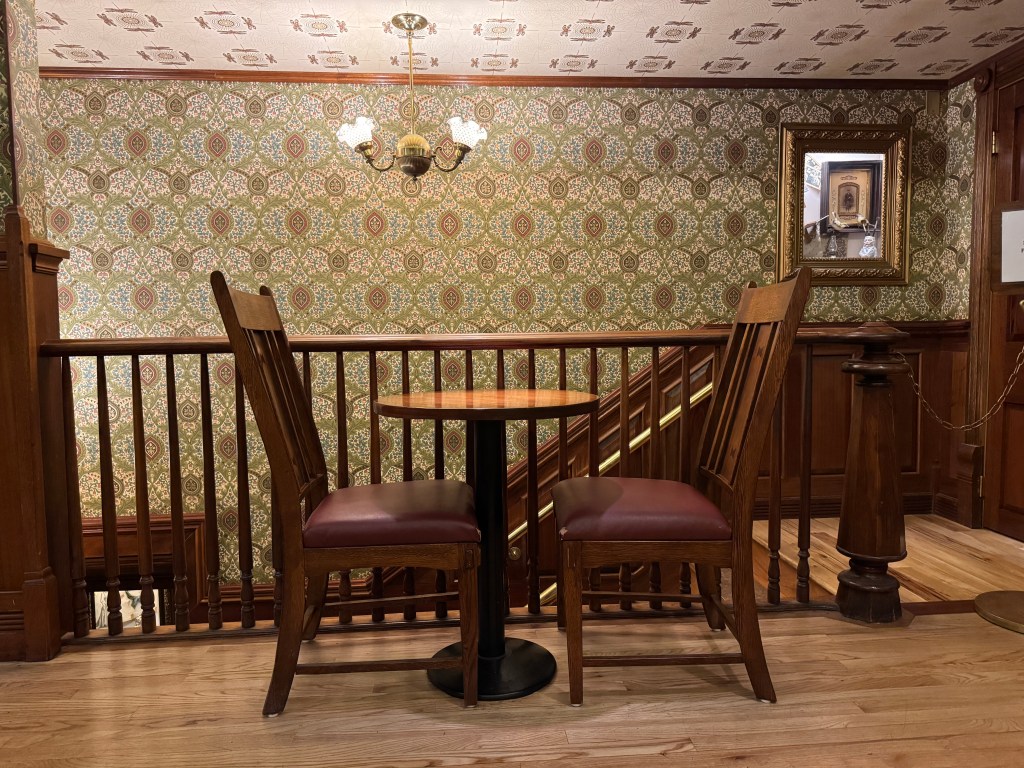
    Historical maple furnishings and Bradbury & Bradbury wallpaper at the Strater Hotel                                      Melodie Miller | Photographer

    The ladder-back Mission chairs, hand-milled oak staircase railing, and heavy balusters showcase the early American Craftsman-style set against a backdrop of color that favors gently aged tones of the late Victorian era.

    According to Historic Hotels of America, in 1926, owner Earl A. Barker, Sr. became dedicated to preserving the hotel’s prestigious status and he inspired the following generations to follow in his footsteps.

    “The large collection of Victorian antique furniture we have throughout the property can be attributed to the second-generation Barker family,” Ossola said. Then, the third generation, Mr. Rod Barker and his wife Lori, “did the major heavy lifting on the renovation.”                            
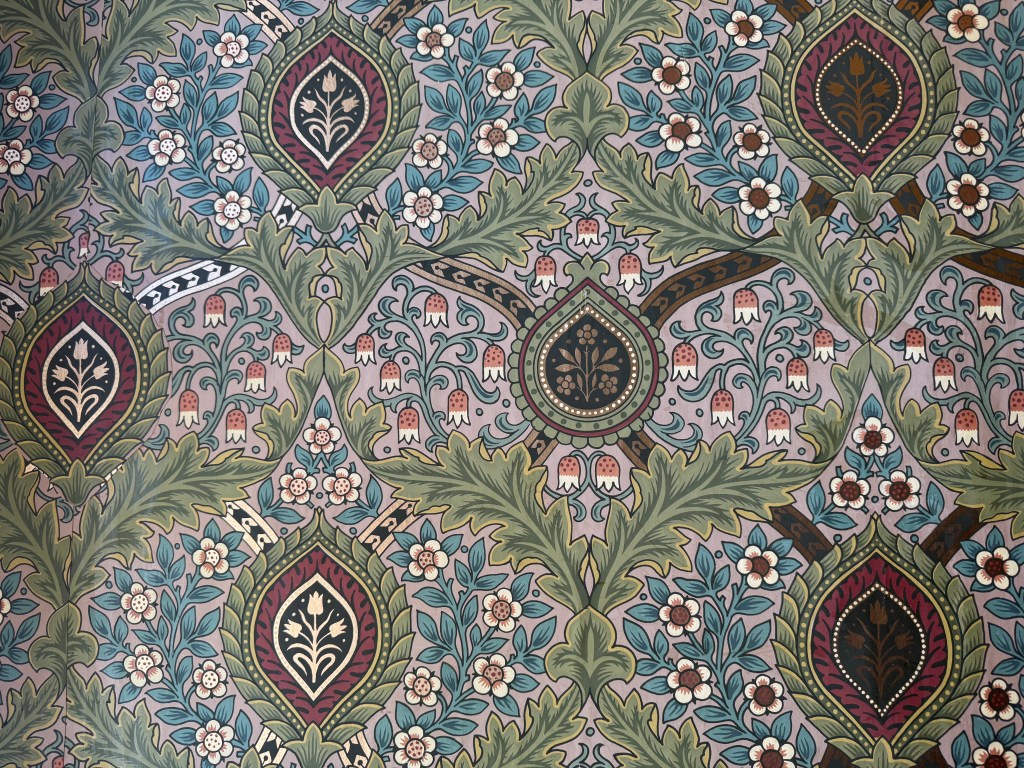
    Historically inspired Gilded Age Bradbury and Bradbury wallpaper covers the walls of the Strater Hotel    (Melodie Miller | Photographer)

    The Knightsbridge Damask wallpaper by Bradbury & Bradbury of San Francisco recreates the Anglo-Japanese Aesthetic Movement, using motifs from 1875 to 1890. Designed in 1986 by artistic director and co-owner Stephen Bauer, the motifs recreate patterns following the transition of the 19th-century designer William Morris.

    The late-Victorian-inspired wallpaper is reminiscent of the Gilded Age, featuring teardrop-shaped ogee and gold-metallic floral medallions joined by a lattice of leaves. 

    “We strive to be a resource to historic properties for the preservation and restoration of their buildings,” a representative of Bradbury & Bradbury, Lisa Bauer, said.

    The Strater Hotel wallpaper colors are unique because “the pattern has recently received a refresh,” Bauer said, but “it has never been retired, only revised.”
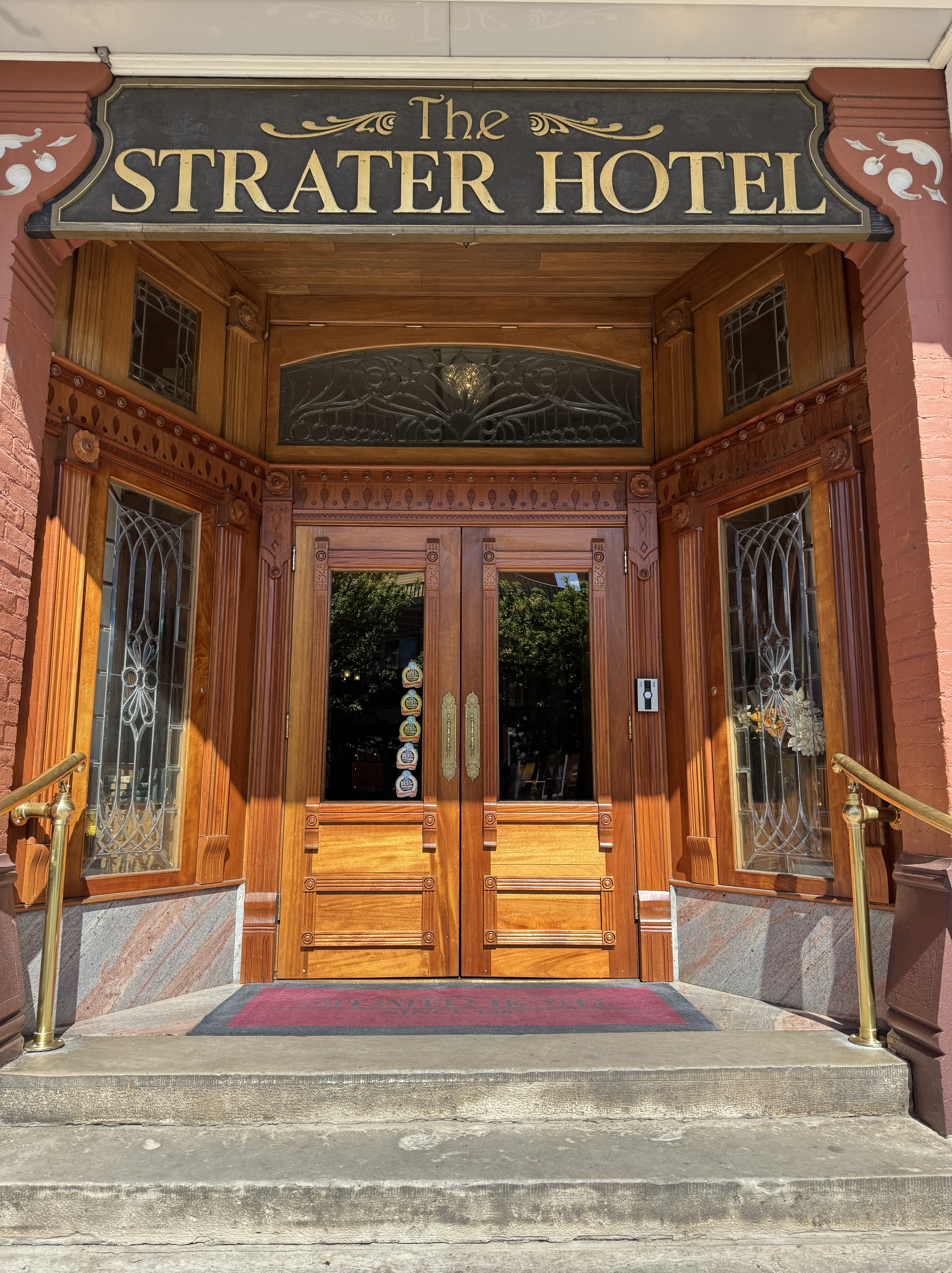
    The historic Strater Hotel on Main Street, Durango (Melodie Miller | Photographer)

    An original mining boomtown, Durango was founded in September 1880, according to the City of Durango History. Henry Strater built the hotel in 1887 “right after the Silver Panic,” Ossola said.

    According to Historical Hotels.org, Strater believed that a contemporary Durango offered a “great economic opportunity,” deserving of a grand hotel.
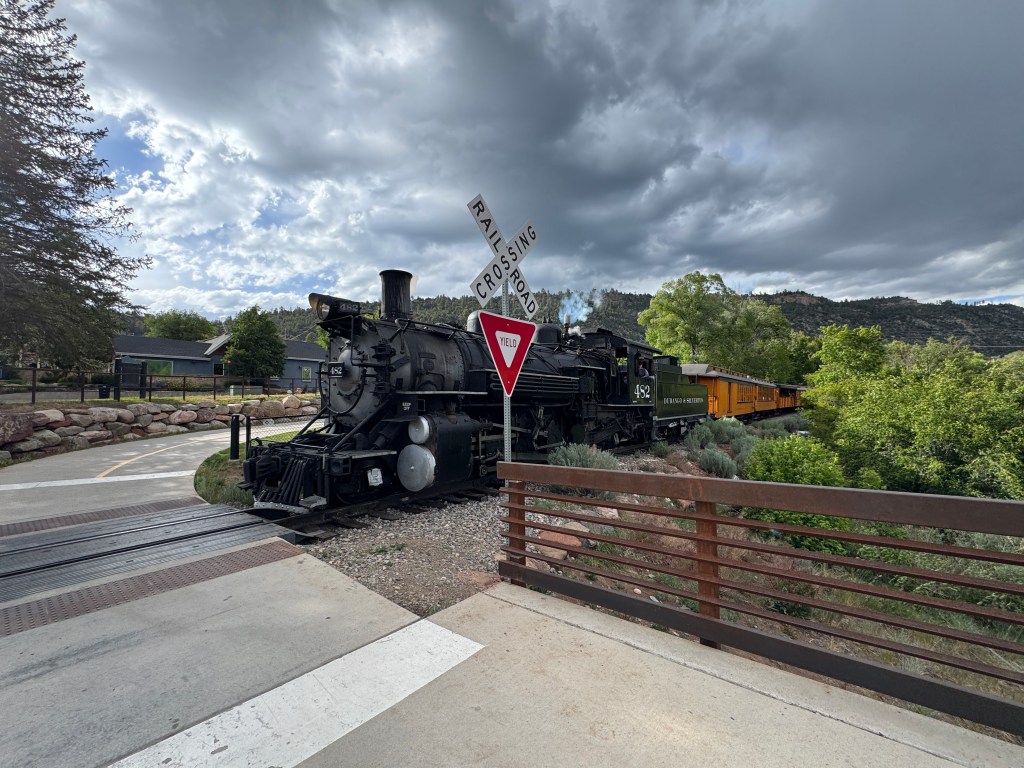
    The Durango Silverton Gauge Railway steam engine and passenger car train (Melodie Miller | Photographer)

    Along with the hotel, the economic boom brought the Durango to Silverton Gauge Railway steam engine that continues to carry passengers through the rugged San Juan Mountains of Southwestern Colorado. Built in 1882 to haul silver and gold ore, the historic steam-powered train transports passengers on a 45-mile round trip along the Animas River through canyons, forests, and landscapes largely unchanged since the 19th century. The train station is 0.2 miles, approximately a 3-minute walk, from the Strater Hotel.

    In 2021, the Garrett family bought the hotel from the Barker family and “upgraded every single one of our hotel rooms to have its own heating and cooling system,” Ossola said.

    “Not super sexy stuff, right? But still making sure that our guests having that historic experience are comfortable,” Ossola said.

    ____________________________________________

    The Strater Hotel is listed on the National Register of Historic Places and the Historic Hotels of America.

    699 Main Avenue, Durango, CO 81301 — www.strater.com — 800.247.4431

    ____________________________________________

    Contact

    Melodie Dawn Miller

    Melodie Dawn Miller is an apparel industry professional with expertise in design, development, and production.

    She holds bachelor’s degrees in English Literature and Classic Civilizations.

    She is currently studying History and Journalism at the University of Colorado.
  • The Puebloans built the Aztec Ruins in New Mexico

    A Testament to Upper-Class Living in Ancient Times

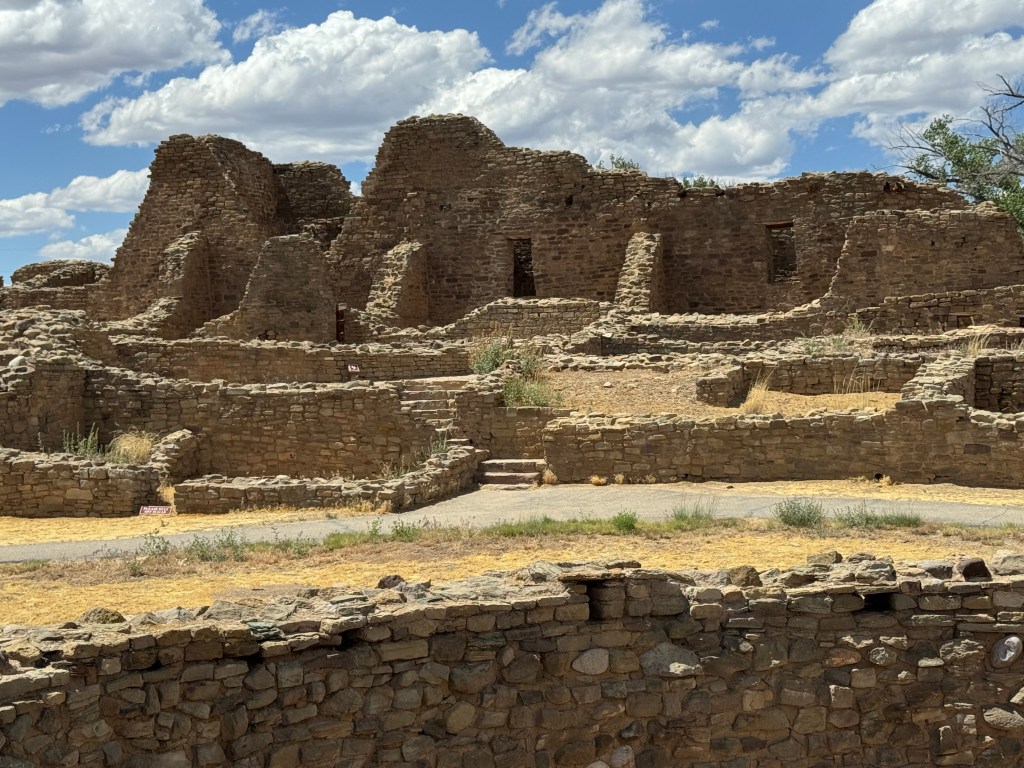
    The Aztec Ruins, New Mexico (Photography | Melodie Miller)

    By Melodie Dawn Miller

    Reporting from Aztec, New Mexico

    June 1, 2026      Updated June 11, 2026, 3:14 MDT

    Did you know that…

    You can visit a 12th-century community of Puebloan structures at the Aztec Ruins National Monument in New Mexico, near Durango, Colorado. If the Pueblos built the community, why is it named the Aztec Ruins?

    “The Spanish are calling the Aztec ruins Aztec before non-Spanish Europeans show up,” Dr. Steve Lekson, Professor of Anthropology at the University of Colorado, said.

    During the 19th century, scholars in Mexico City, Mexico, wrote that the Aztecs had built the 400-room community. However, most modern archaeologists accept that the ancestral Puebloans, a farming culture, built the dwellings, and the Aztecs, an elite class, lived there for a period of time.

    “It’s a complicated story,” Dr. Scott Ortman, of the University of Colorado Boulder, said. One concern is “naming a site in one particular indigenous language” when many tribes view themselves as descendants of the area.

    Thus, the 19th-century name took hold and remains.

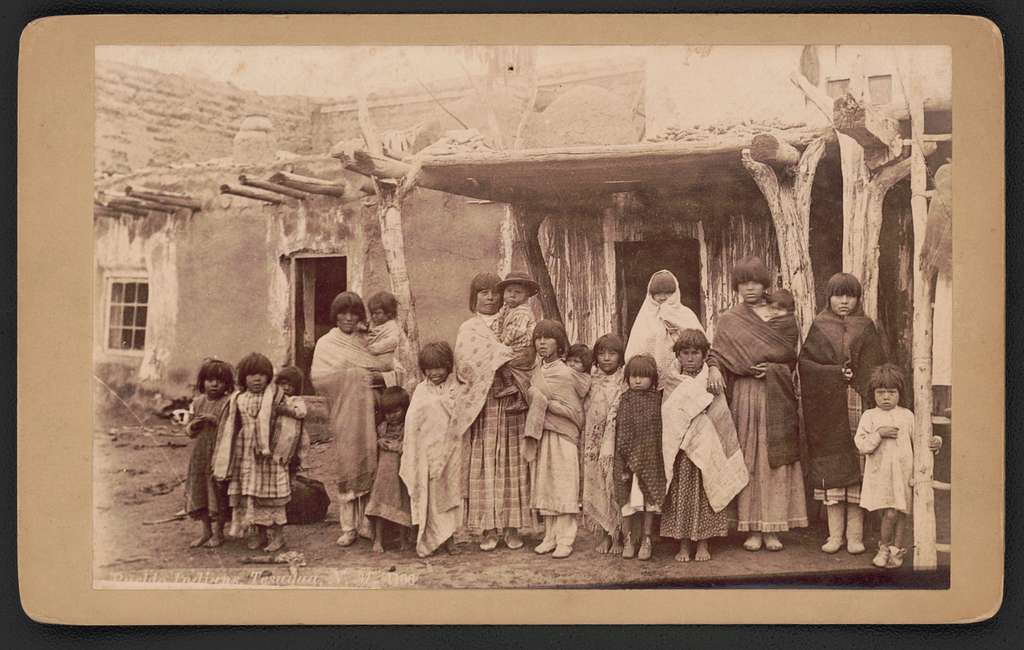
    Pueblo Indians, Tesuque, N.M. (1893) (William Edward Hook | Courtesy of the Library of Congress)

    Migration lies at the heart of the Aztec and Pueblo ancestral origin story. More than a record of movement, their ancestors’ journeys shape identity and belonging today.

    According to Mexican scholars of the 1800s, the Aztec Ruins were the “first home of the Aztecs” before they migrated south to Mexico, Lekson, said.

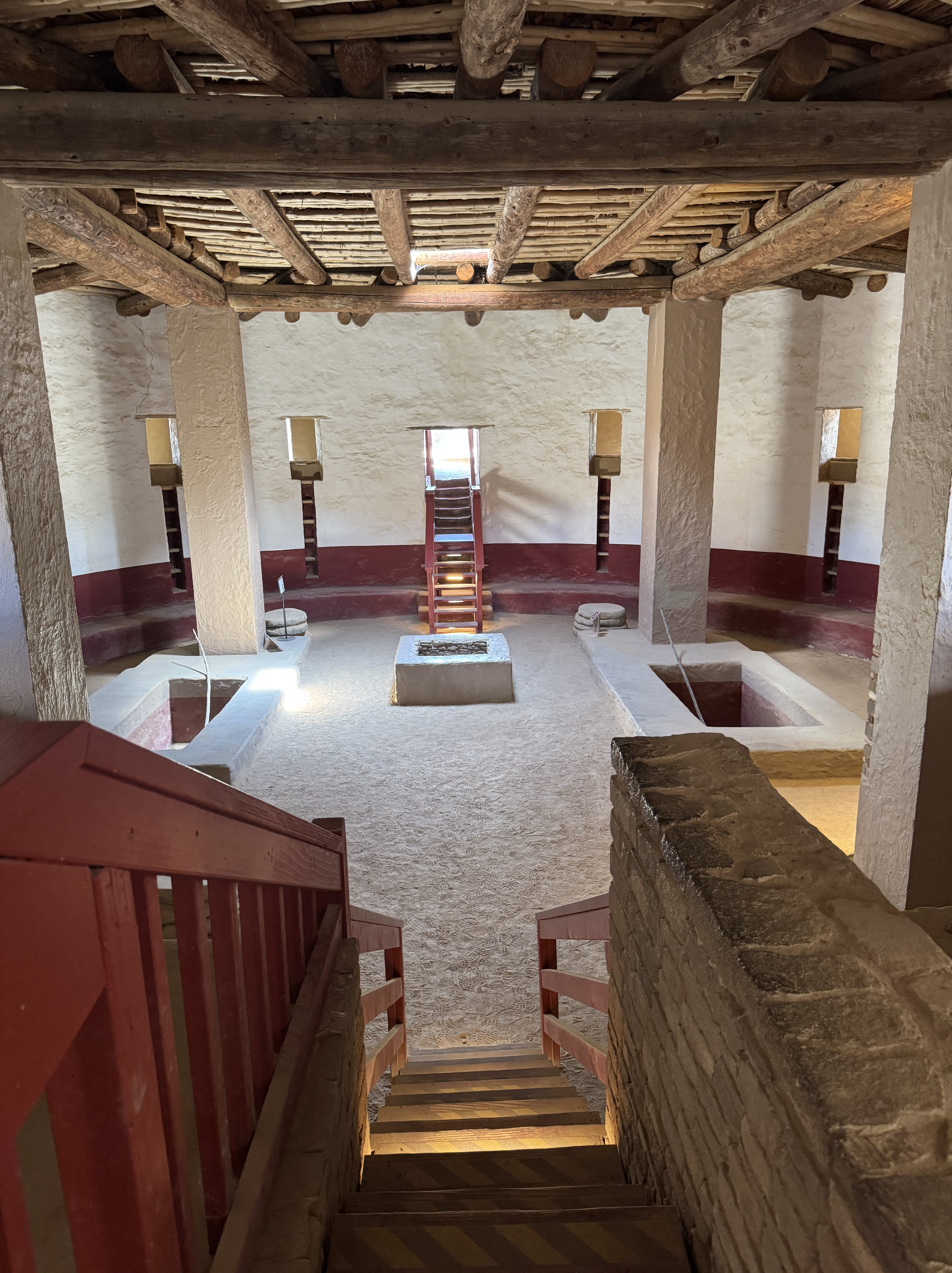
    The Aztec Ruins kiva replica, Aztec, New Mexico (Photography | Melodie Miller)

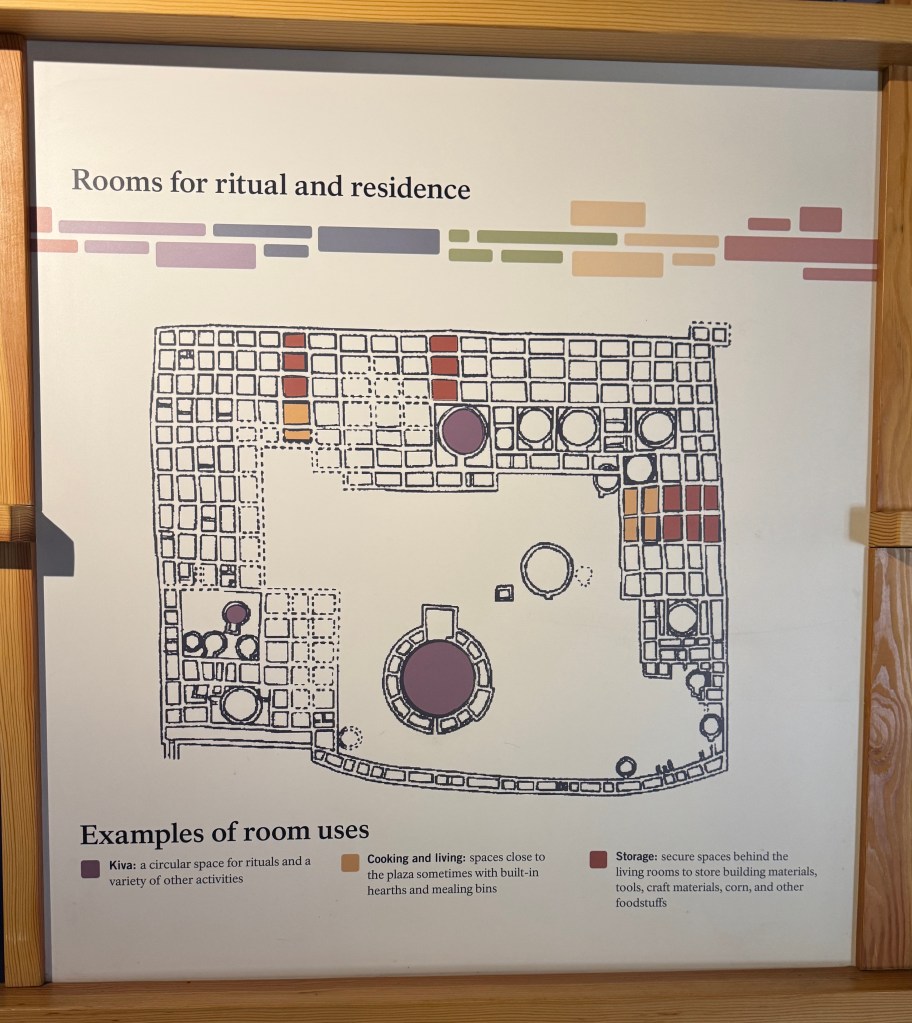
    The 381-acre National Park protects the Ancestral Pueblo great house community and the kiva ceremonial room replica. Kivas are built with ventilation, a fire pit, and a sipapu — a spiritual gateway to and from the underworld. An important part of modern Pueblo and Hopi communities is sacred dances and rituals held in community kivas.

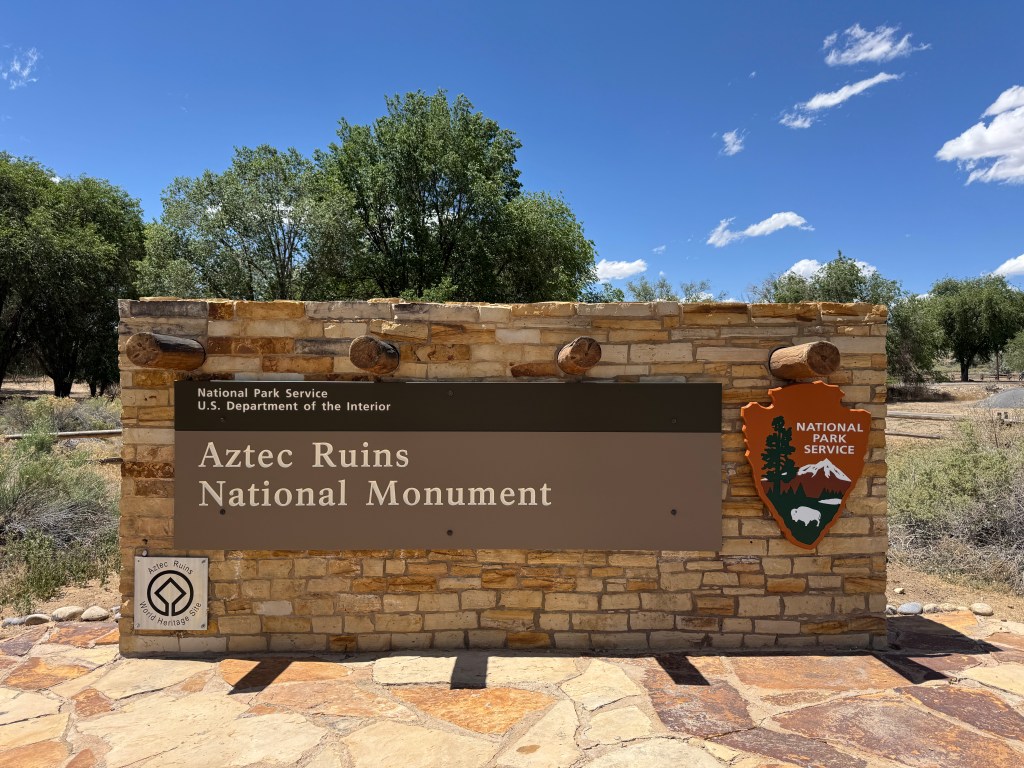
    The Aztec Ruins National Monument, New Mexico (Photography | Melodie Miller)

    President Warren G. Harding used the Antiquities Act of 1906 to designate the site as the Aztec Ruins National Monument on January 24, 1923.

    Nathan Hatfield, Aztec National Park Ranger Supervisor of Interpretation, said, “I believe that by 1928 most southwestern scholars and archaeologists agreed that the Aztecs of Mexico were not responsible for building” the Aztec Ruins.

    Consensus among archaeologists grew, accepting the continuity between the Ancestral Pueblo builders and the Aztec ruins.

    Archaeologists have come to accept that “Aztec was built by ancestors of today’s Pueblo people,” Ortman said. “We didn’t need DNA. It was just recognizing the continuity and culture.”

    Now the name is accepted as an artifact of history. A name change would require an act of Congress.

    ______________________________________________

    The Aztec Ruins National Monument is located 40 miles (ca. 64 km) south of Durango, at 725 Ruins Rd, Aztec, New Mexico 87410.

    Aztec Ruins National Monument Website

    _______________________________________________________

    Contact

    Melodie Dawn Miller

    Melodie Dawn Miller is an apparel industry professional with expertise in design, development, and production.

    She holds bachelor’s degrees in English Literature and Classic Civilizations.

    She is currently studying History and Journalism at the University of Colorado. 
  • A Table, A Palace, A Park

    The Many Lives of Mesa Verde

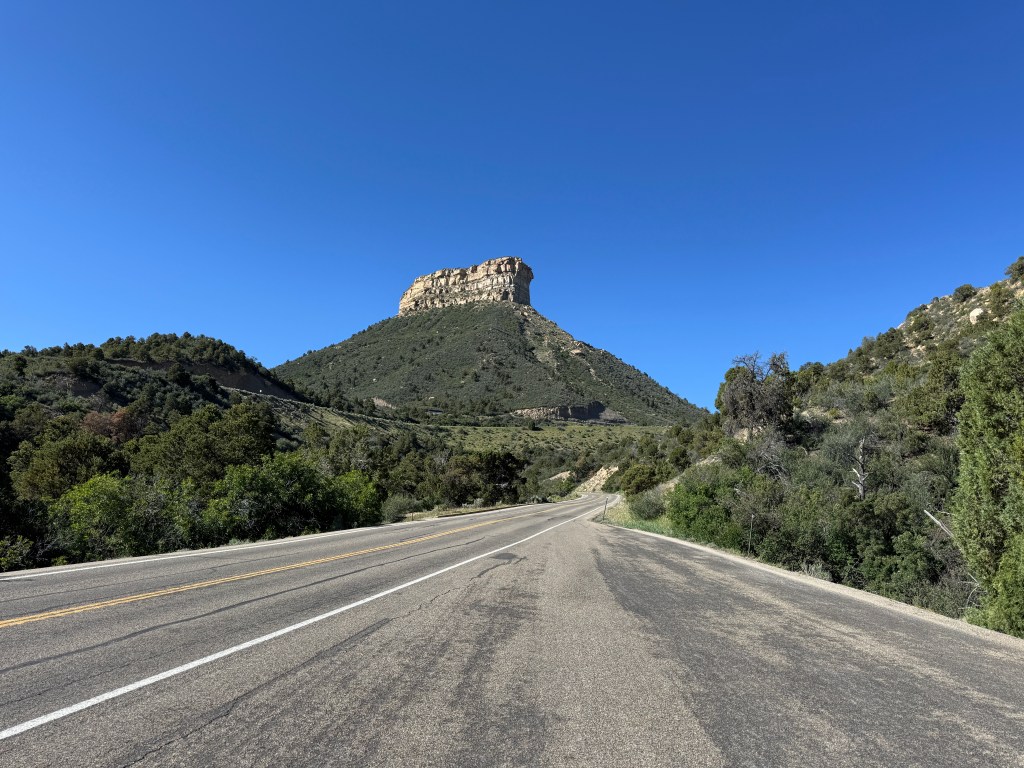
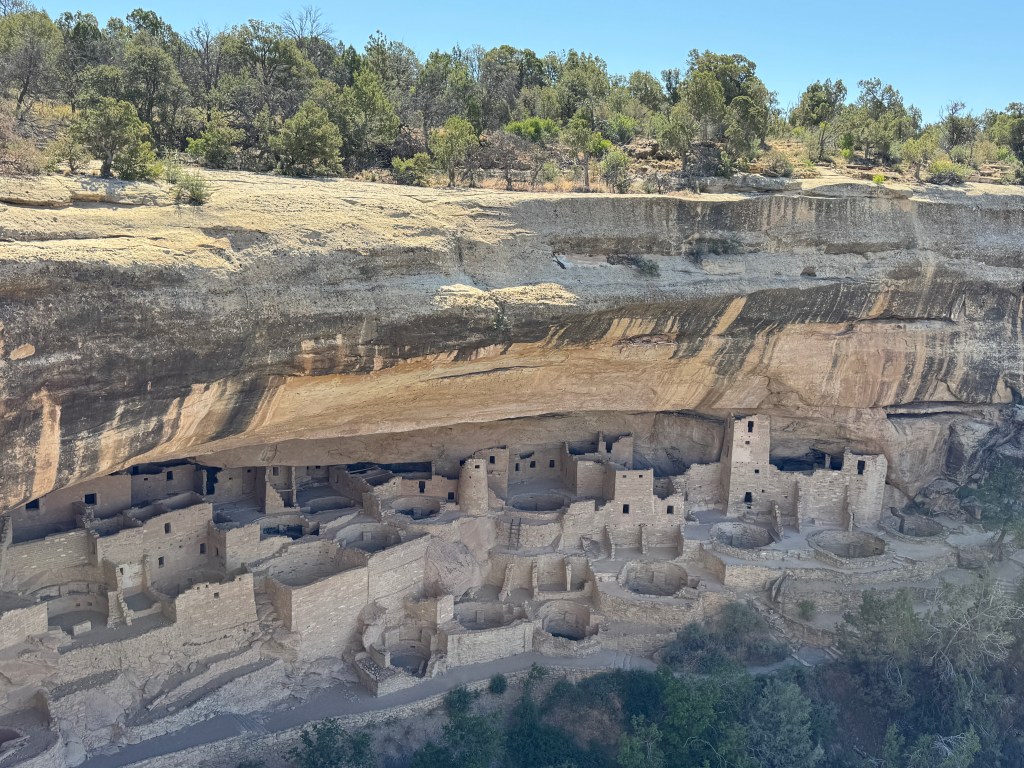
    The Mesa at Mesa Verde National Park appears to be a green table, but it is a cuesta, a cliff with a flat ridge and a slope.   (Melodie Miller | Photographer)

    By Melodie Dawn Miller

    Reporting from Mesa Verde, Colorado

    June 11, 2026      2:48 p.m. MDT, Updated June 23, 2926      4:24 p.m.

    ____________________________________________

    Did you know…

    The Mesa Verde in the national park, just 38 miles west of Durango, is not actually a mesa.

    And, although the home of the Cliff Palace dwellings bears a Spanish name, they were built by the Ancestral Puebloan peoples.

    “Many of the Pueblos were named by the Spanish,” Dr. Scott Ortman, of the University of Colorado Boulder, said. “It tends not to be very common for archaeological sites to be renamed to the indigenous language names.”

    Attribution of Mesa Verde started with early speculation about the Aztecs and Aztlan. However, cultural consistency emerged between Cliff Palace and the modern Pueblos of the Four Corners, connecting the two places.

    Dr. Steve Lekson, Professor of Anthropology at the University of Colorado, writes in A History of the Ancient Southwest that “Cliff Palace might be empty and abandoned, but only a few days’ walk away were Pueblo peoples who built towns that looked like Cliff Palace.”

    In 1776, according to Legends of America, two Mexican-Spanish missionaries, Francisco Atanasio Dominguez and Silvestre Vélez de Escalante, were leading explorers from Spain through the region. They camped at the base of the La Plata Mountains, near the flat forested area of Mesa Verde. 83 years later, in 1859, Mesa Verde is attributed to John S. Newberry, although the name had been in use prior to his writing.

    “The earliest permanent settlements here at Mesa Verde date back to between 500 and 600 CE and are often characterized by pit houses which can be seen on the mesa tops of both Chapin and Wetherill Mesas. The alcove sites (cliff dwellings) were mostly constructed beginning in the late 1100s to early 1200s CE,” Dalton Dorrell, Mesa Verde National Park Service Supervisory Park Ranger of Education, Community Outreach, and Interpretation, said.

    The Spanish word mesa translates to table, a flat surface. But Mesa Verde is a cuesta, a steep cliff with a flat ridge on top and a sloping plain on the other side.

    “Cuesta has been used as a geological term only since the early 19th century. It is not unusual for the geological term and the place name given to a location to differ,” Dorrell said.

    Cliff Palace, Mesa Verde National Park Ancestral Puebloan dwellings        ( Melodie Miller | Photographer)

    Then, in 1888, according to Lekson, Richard Wetherill and Charlie Mason came across the Cliff Palace.

    “Cliff Palace is discovered by this cowboy who lived in Mancos named Richard Wetherill,” Lekson said.

    On December 18, 1888, Wetherill, his brother-in-law Charles Mason, and their Ute guide Acowitz saw Cliff Palace and went on horseback to investigate.

    Wetherill, Mason, and Acowitz, came across the cliff dwellings of the Ancestral Puebloans while “rounding up cattle in the snowstorm. And I guess there’s some questions to whose cattle was he rounding up,” Lekson said.

    After the discovery, a significant movement emerged to preserve the 12th-century cliff dwellings and the artifacts found at Mesa Verde.

    Wetherill “leaves the place seven ways to Sunday, and it’s just full of stuff. The Pueblos left pots and baskets and all kinds of stuff.” Lekson said. Wetherill “takes a bag full of this stuff up to and tries to sell it. I’ve seen the newspaper advertisements.”

    According to the New Mexico Historical Review, Wetherill’s father, Benjamin Wetherill, “looked at the relics and realized the importance of the finds.” 

    Wetherill writes a letter to the Smithsonian requesting that it take over funding to protect the ruins and artifacts. Over time, interest in protecting the ruins grows.

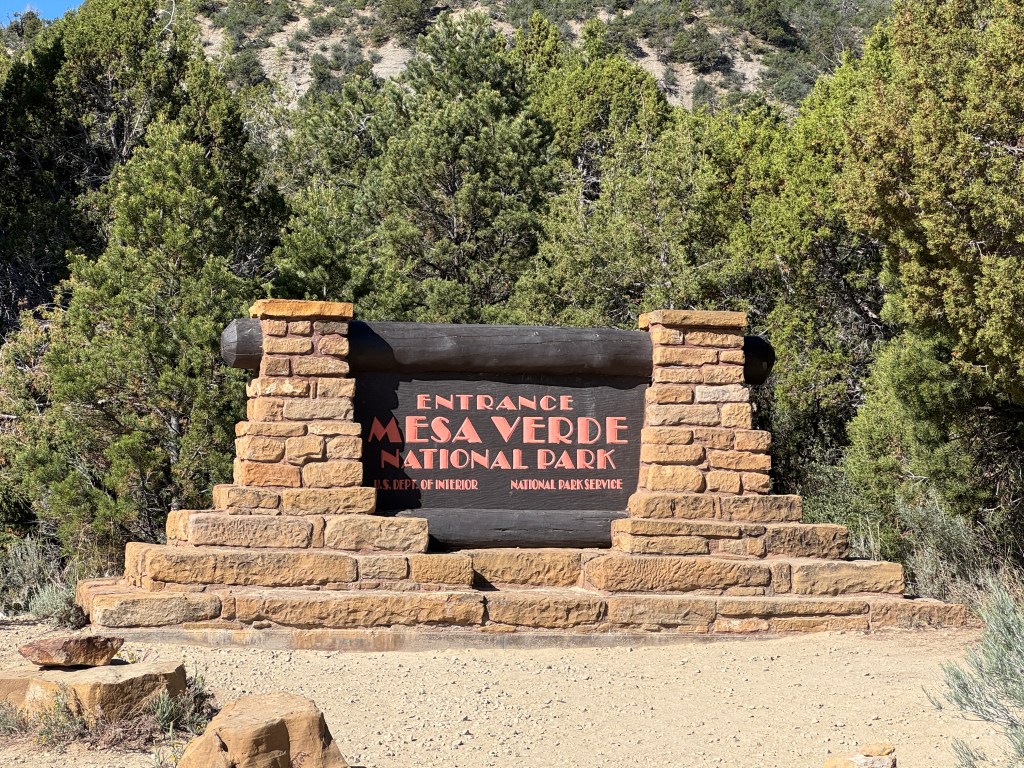
    The Mesa Verde National Park sign is emblematic of the Art Deco style popular in 1906.      ( Melodie Miller | Photographer)

    In 1906, President Theodore Roosevelt signed the congressional bill to preserve the area’s ancient works, specifically 5,000 ancestral man-made sites and artifacts. Although Mesa Verde is a cuesta, the name remains, and the Ancestral Puebloans’ cliff dwellings are preserved.

    Mesa Verde is located 35 miles west of Durango, at 35780 US-160, Mancos, CO 81328.

    Melodie Dawn Miller

    • melodie.miller@gmail.com

    Melodie Dawn Miller is an apparel industry professional with expertise in design, development, and production. She holds bachelor’s degrees in English Literature and Classic Civilizations. She is currently studying French and Journalism at the University of Colorado. 
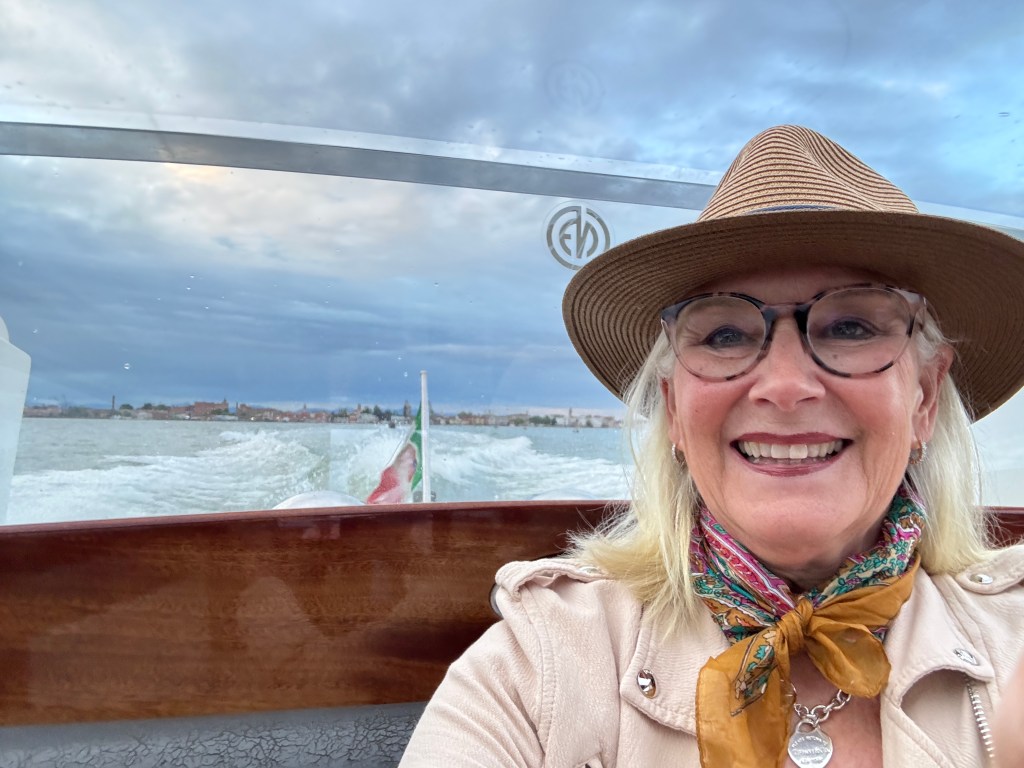
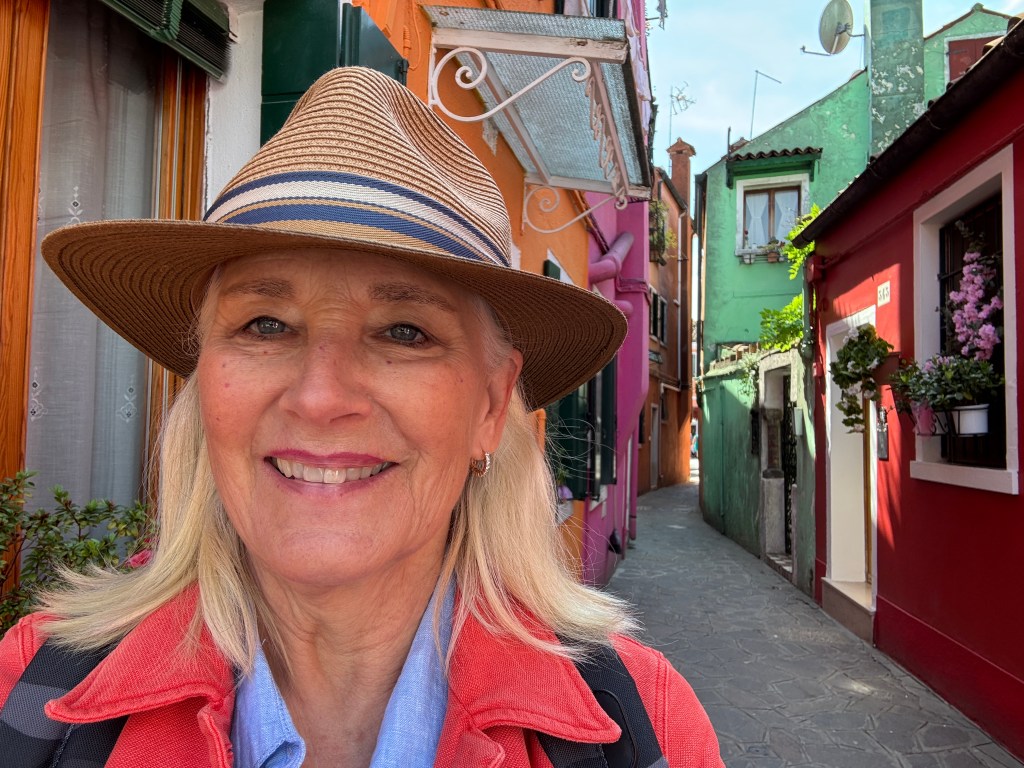
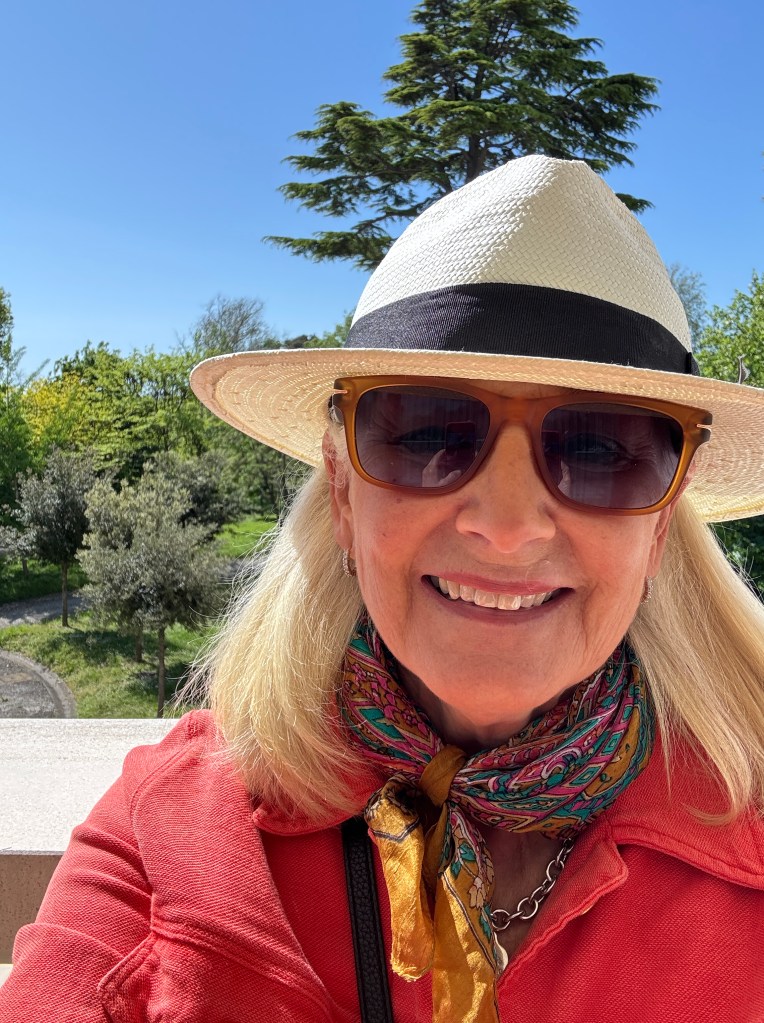
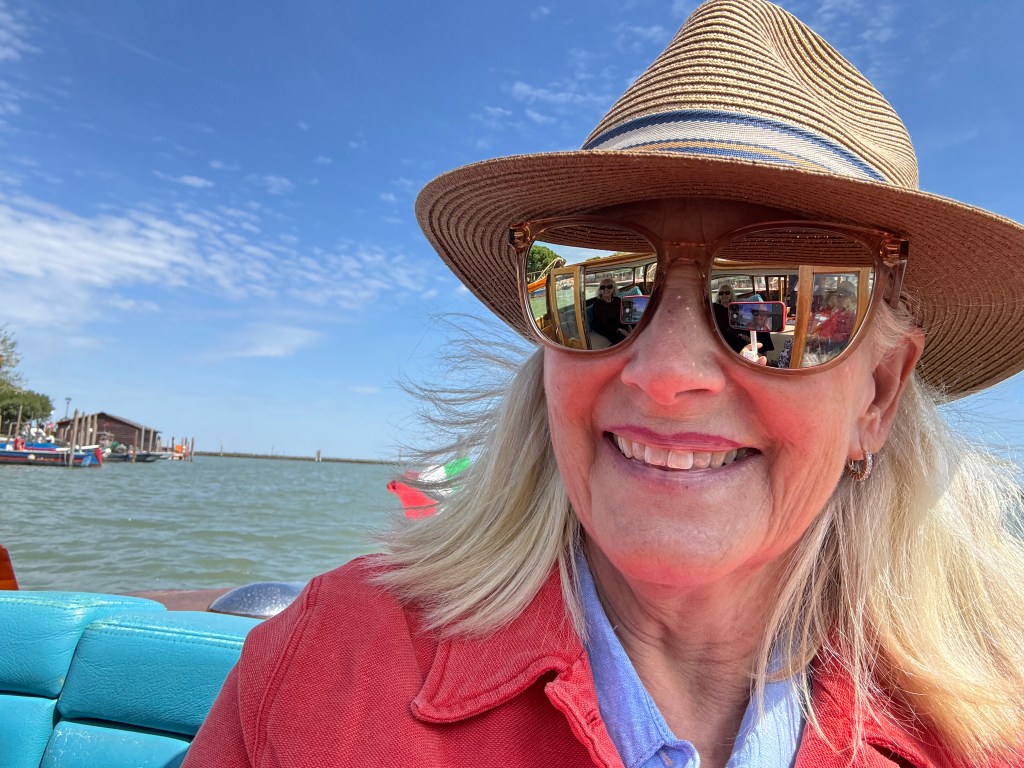
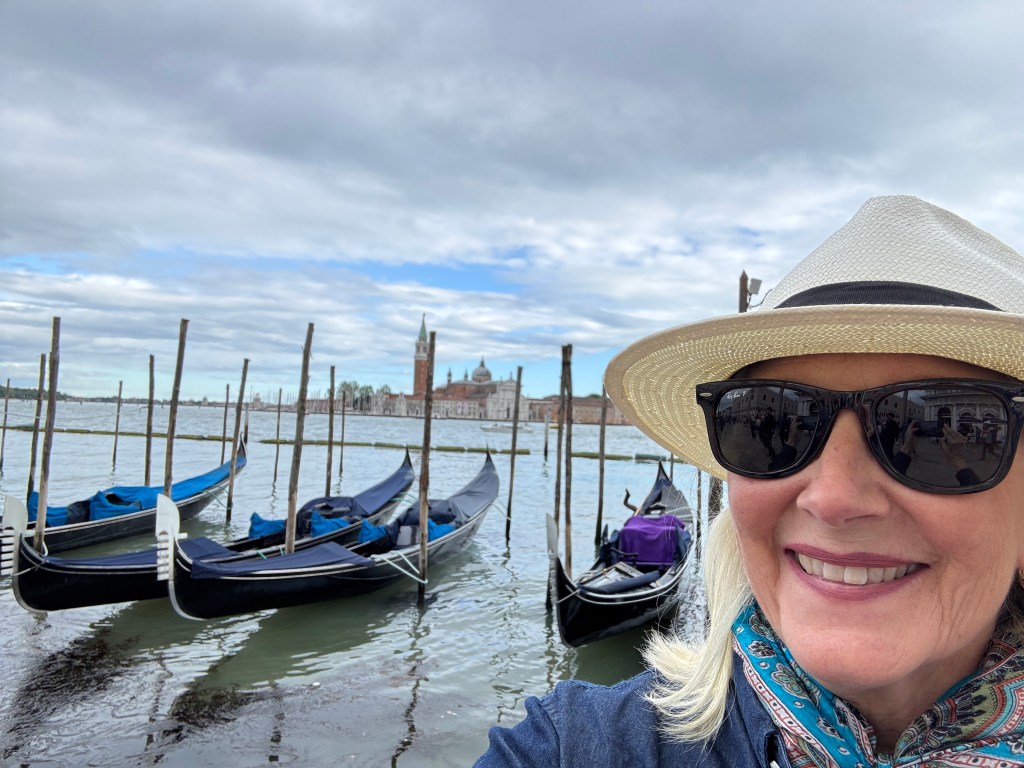
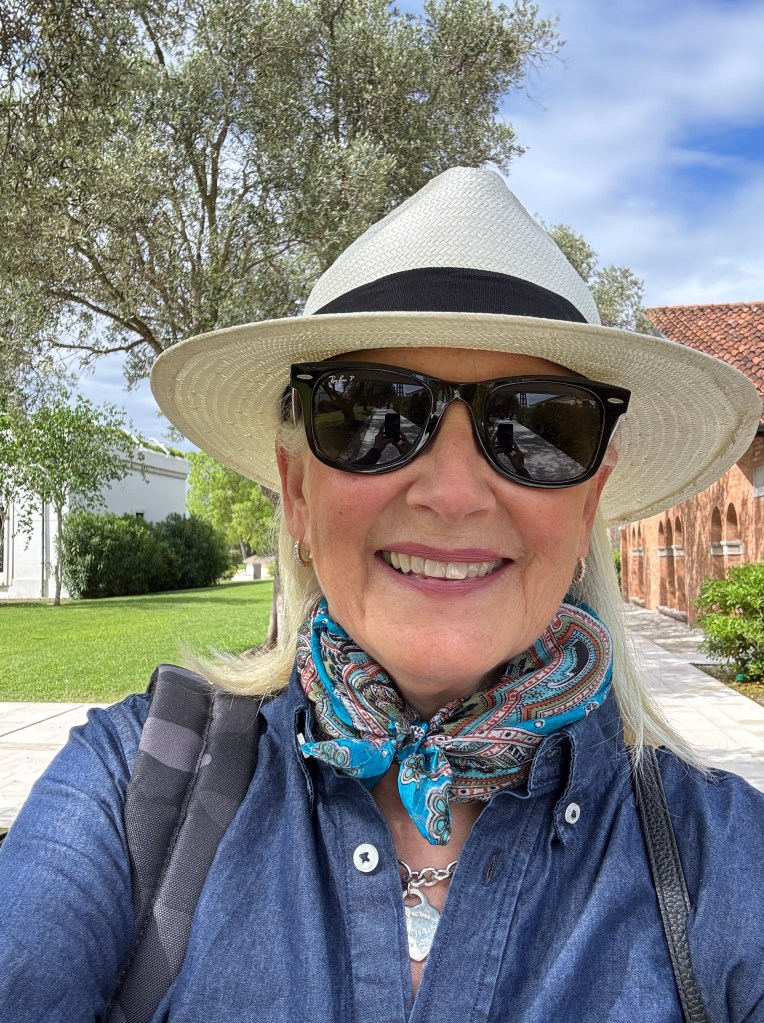
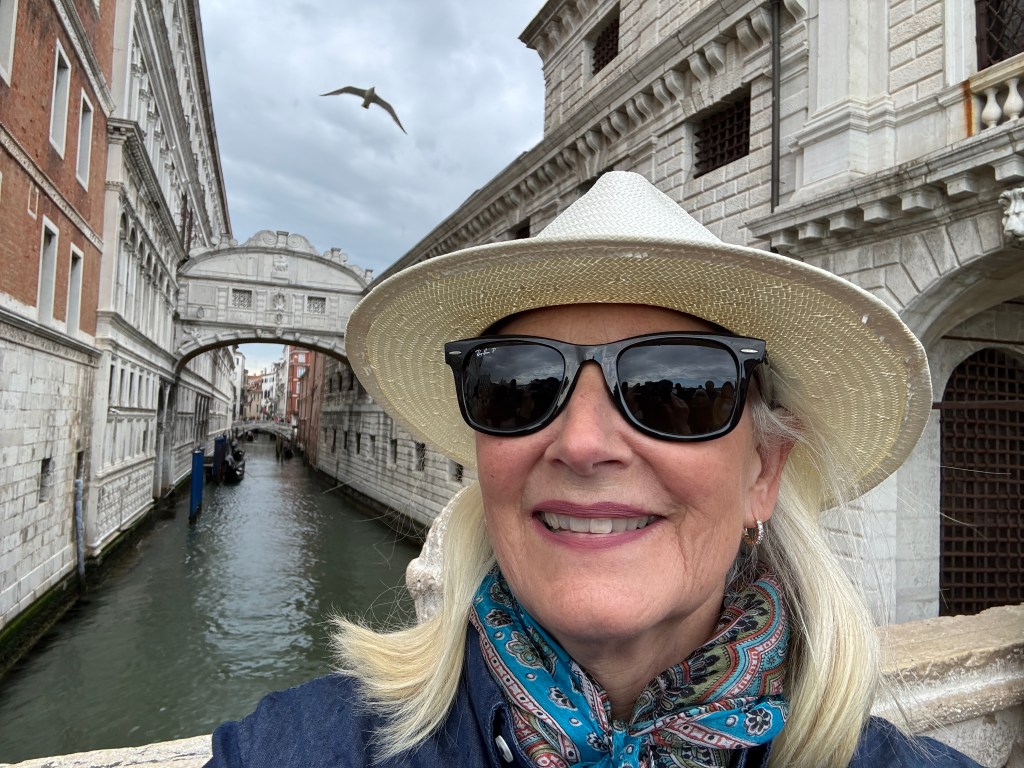
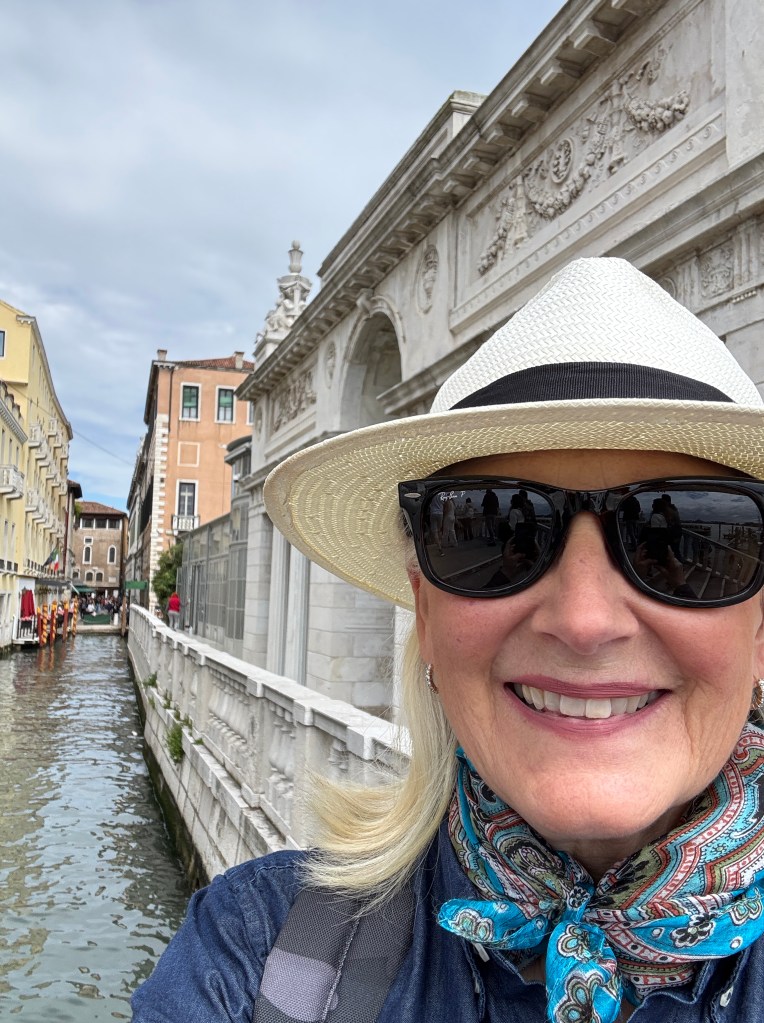
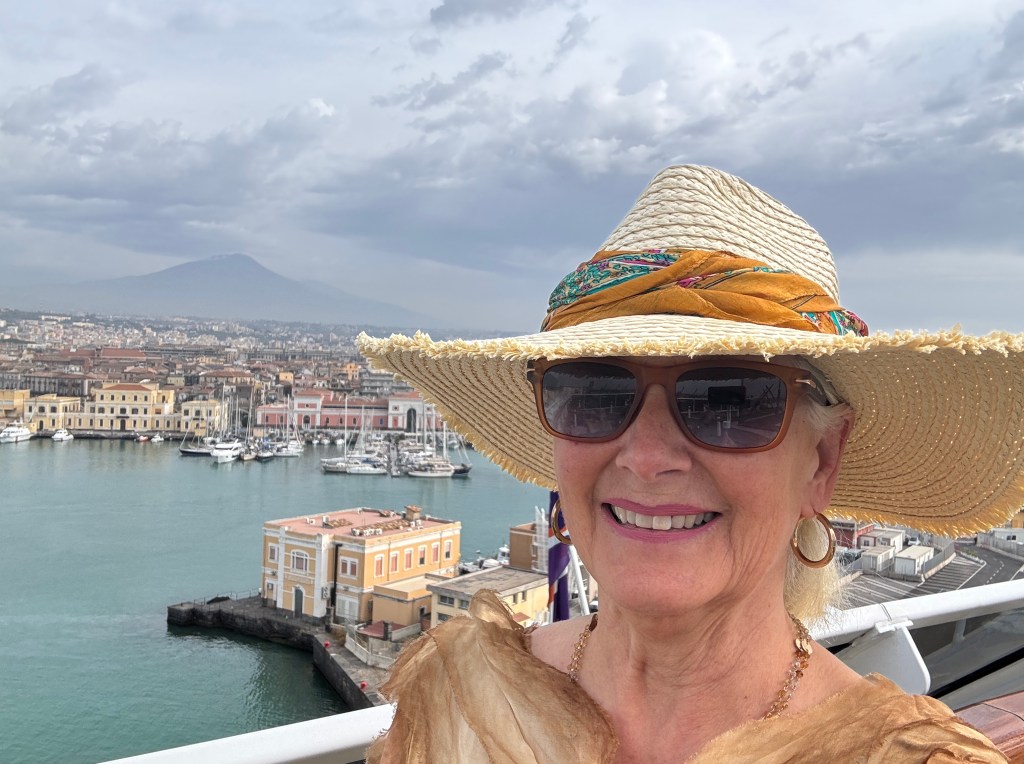
  • Dress with intent while summer traveling in Europe

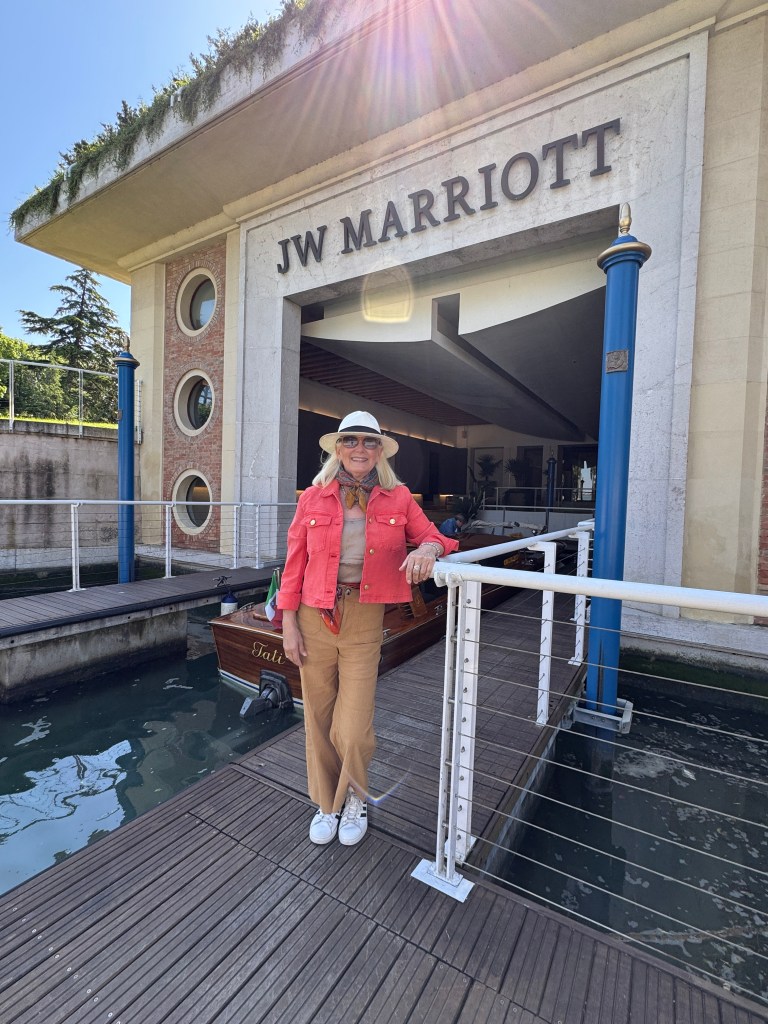
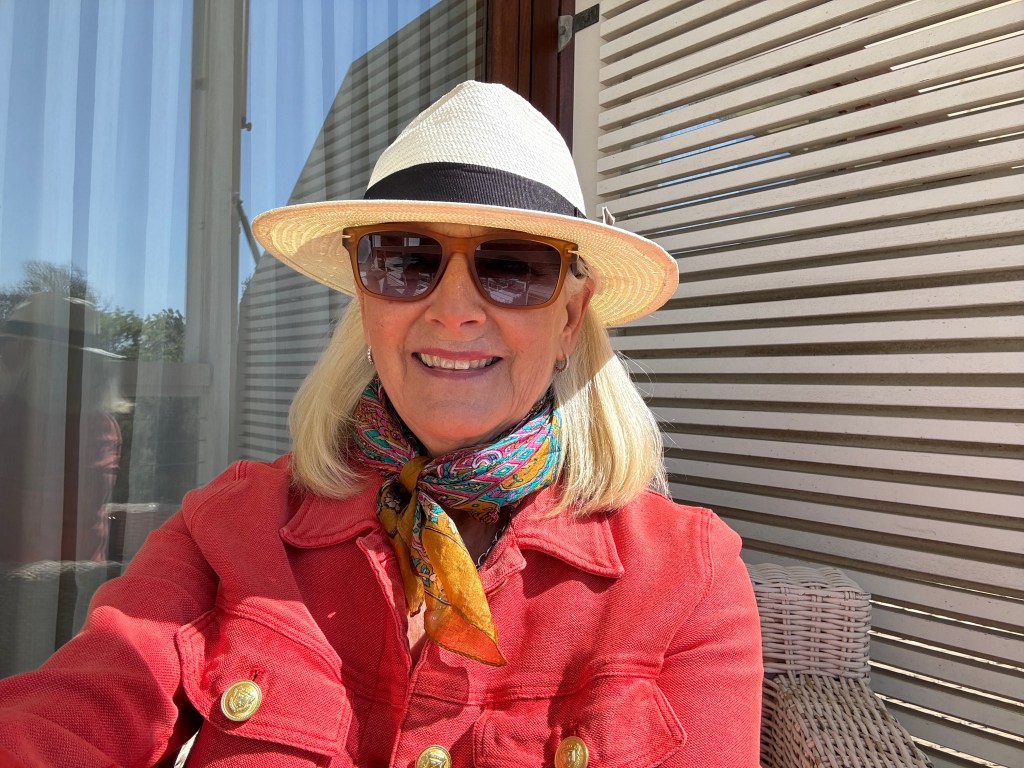
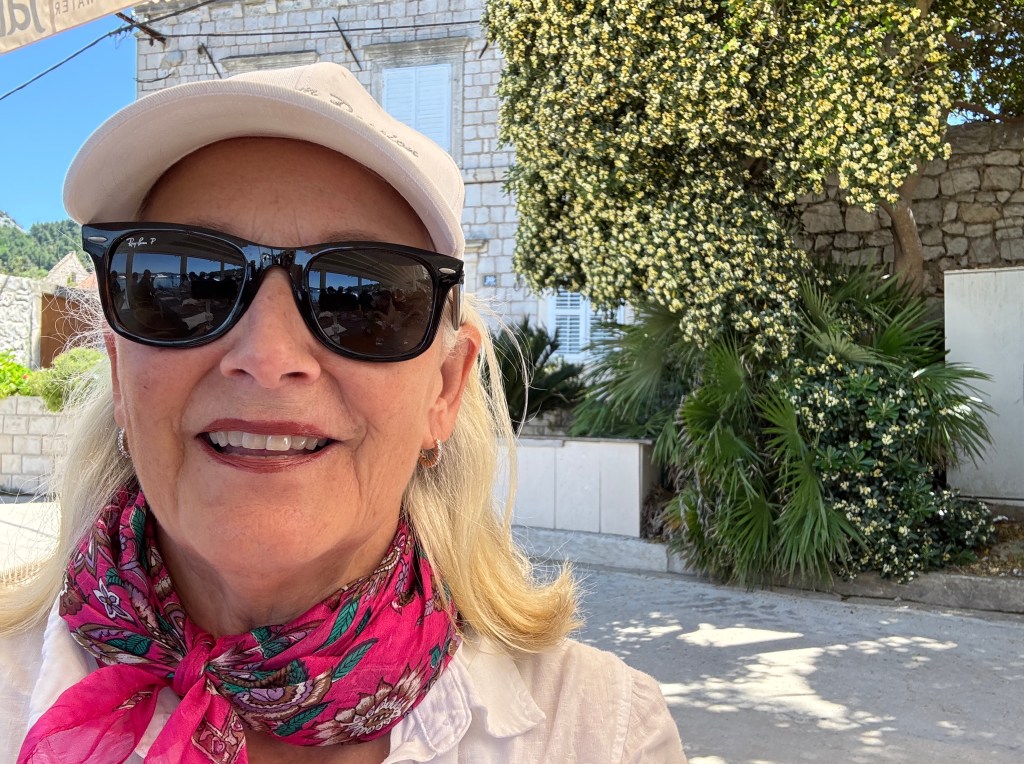
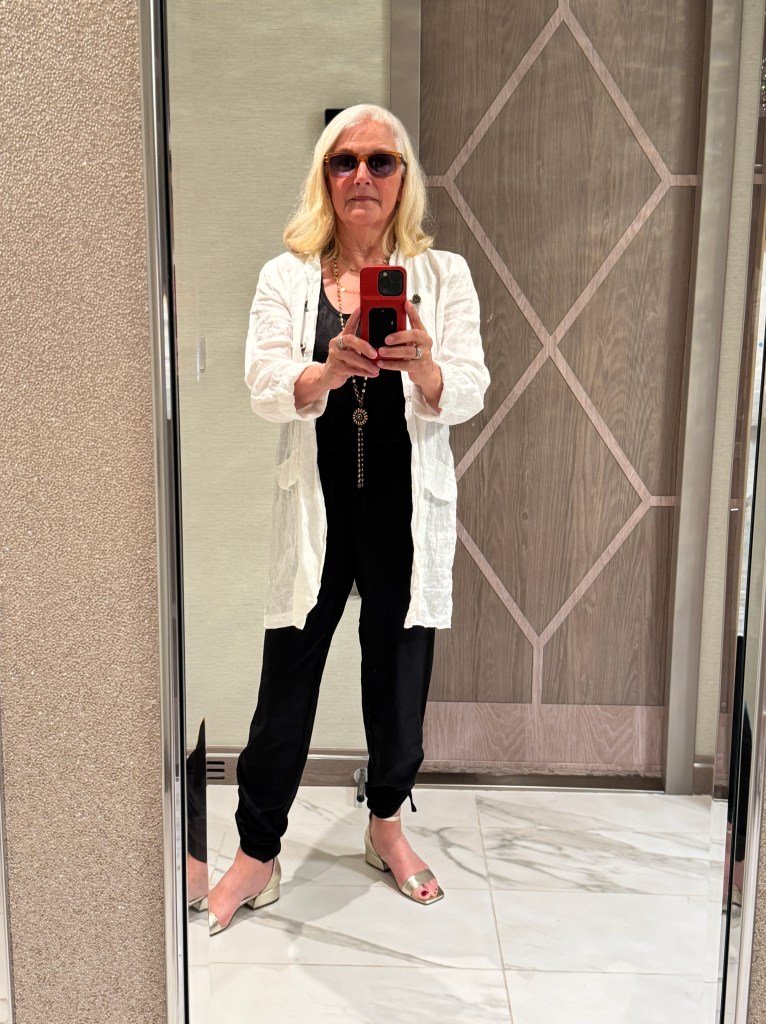
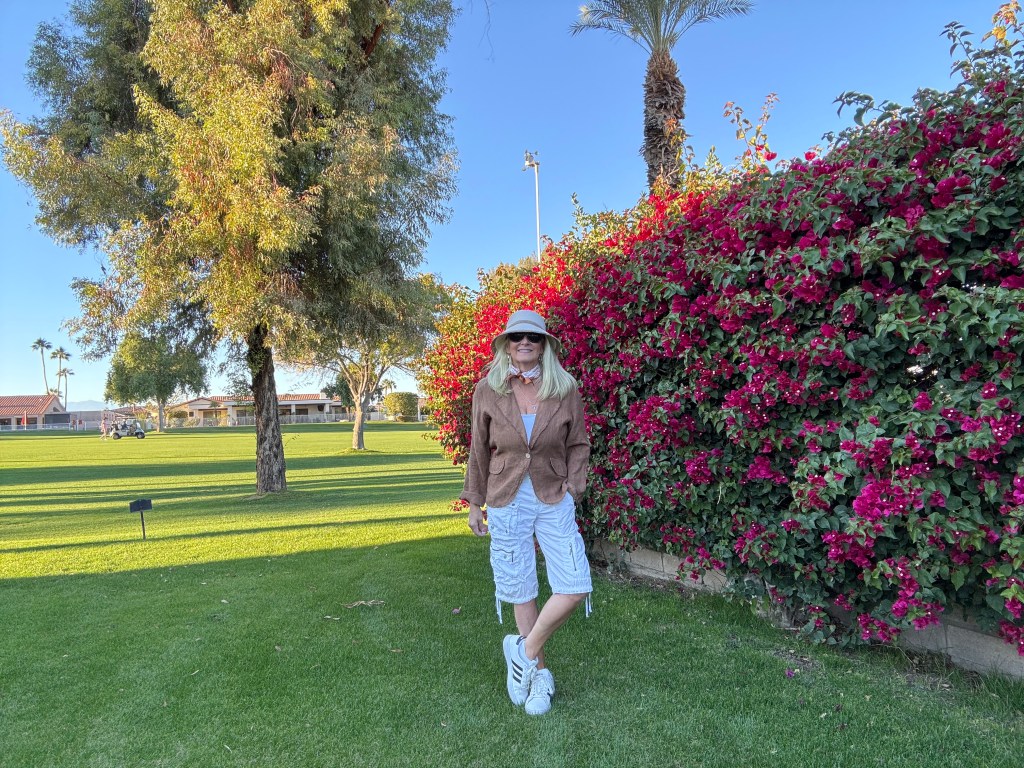
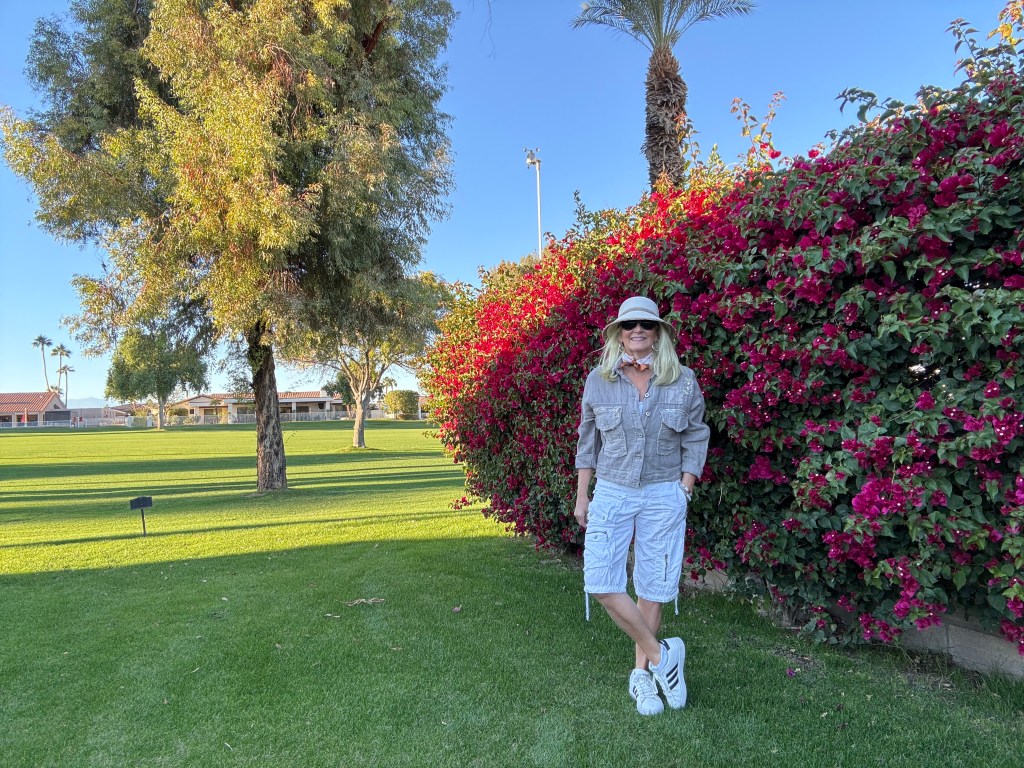
    Dressing for travel in Europe does not require excess. It requires intention.

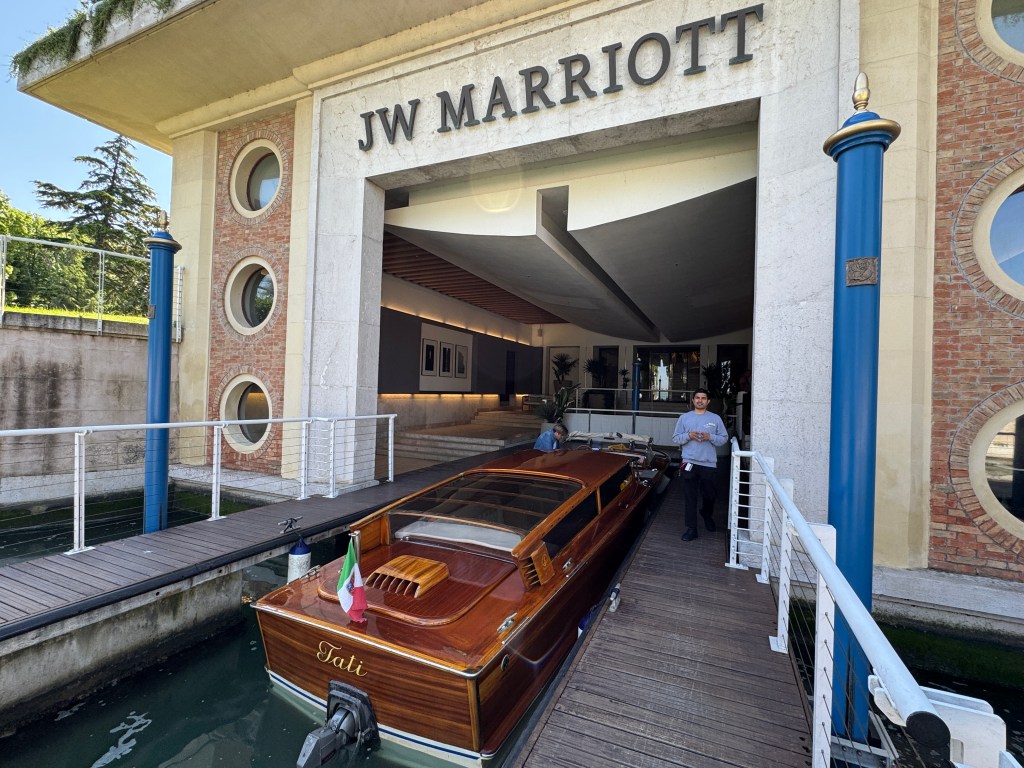
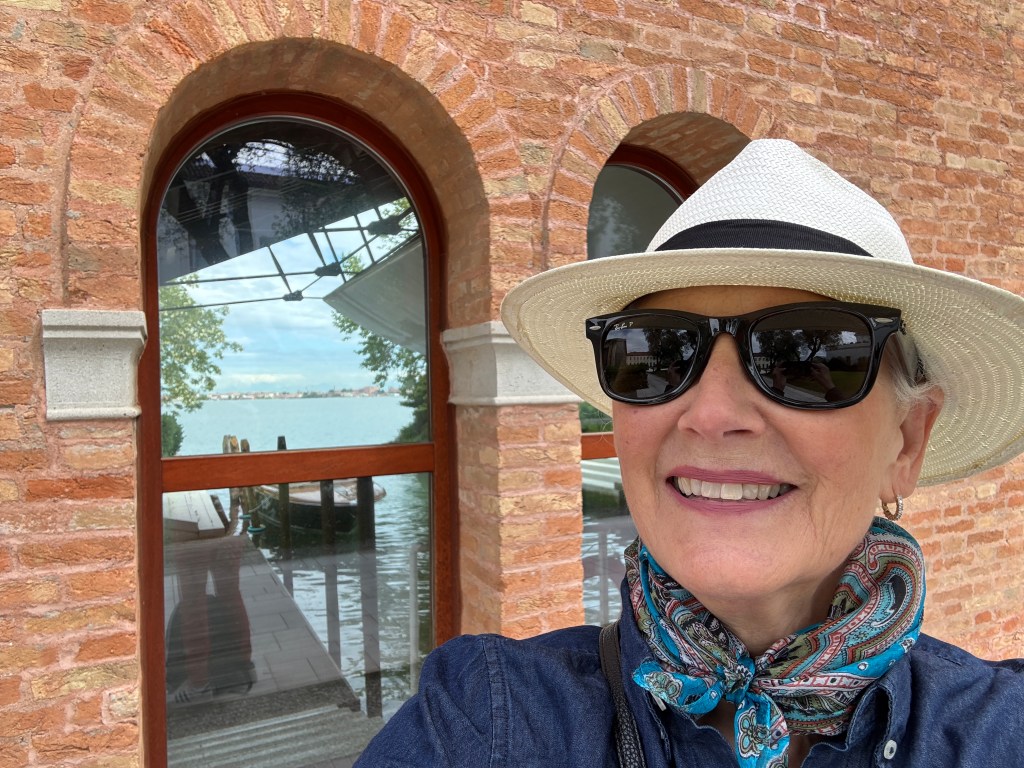
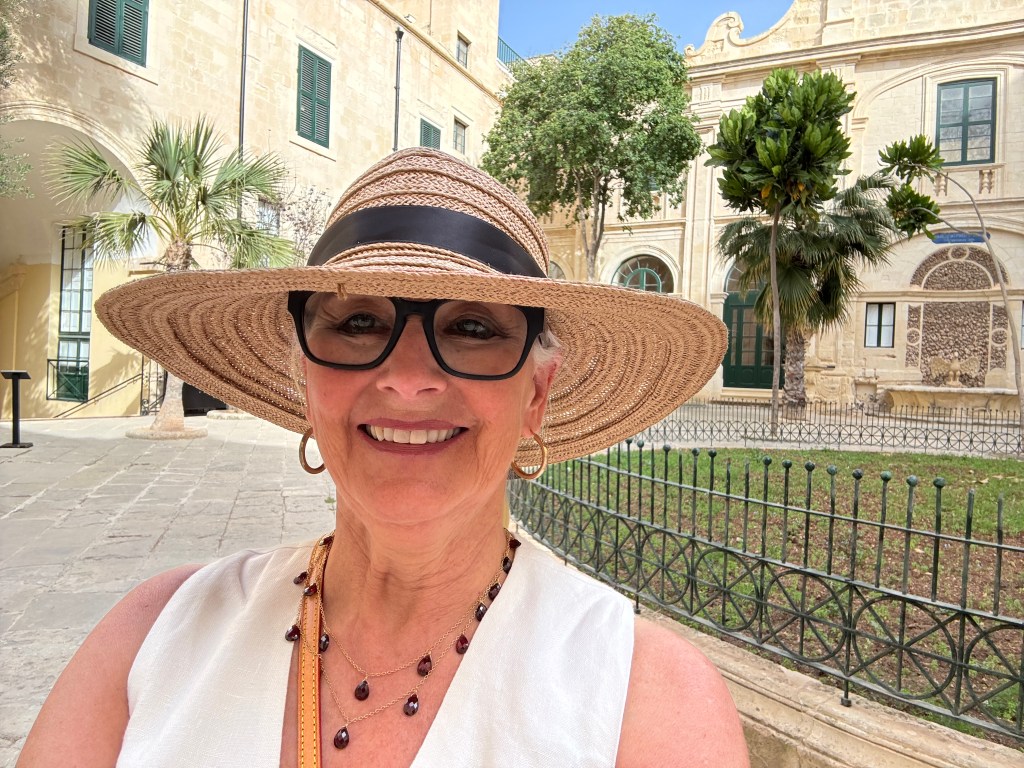
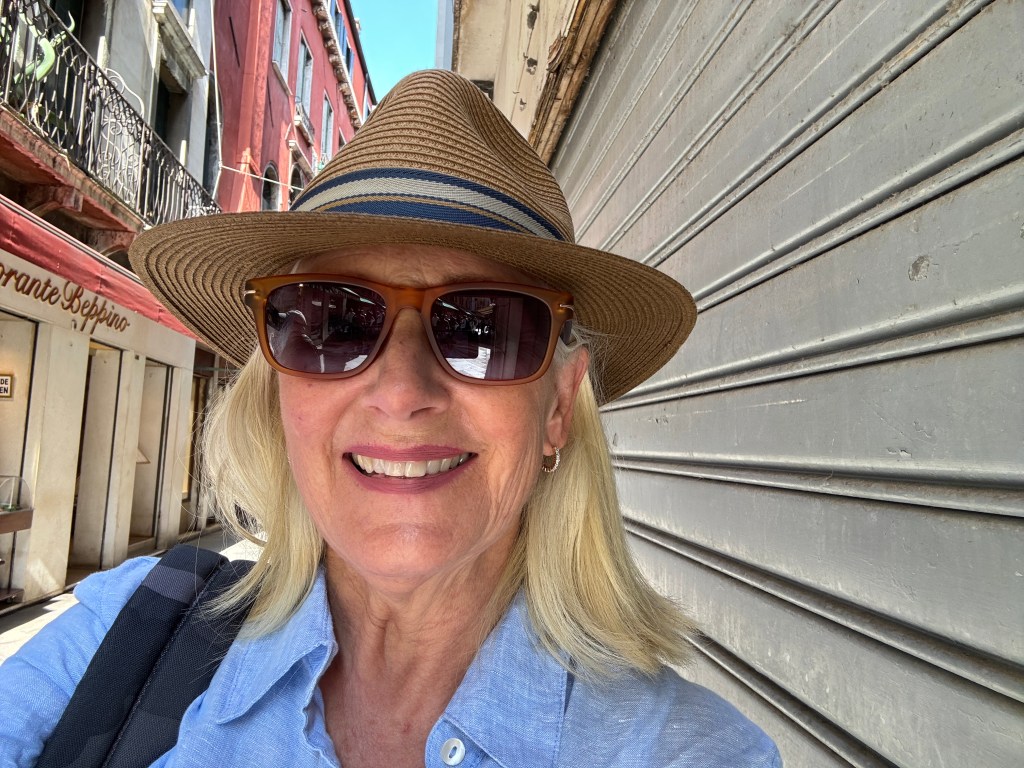
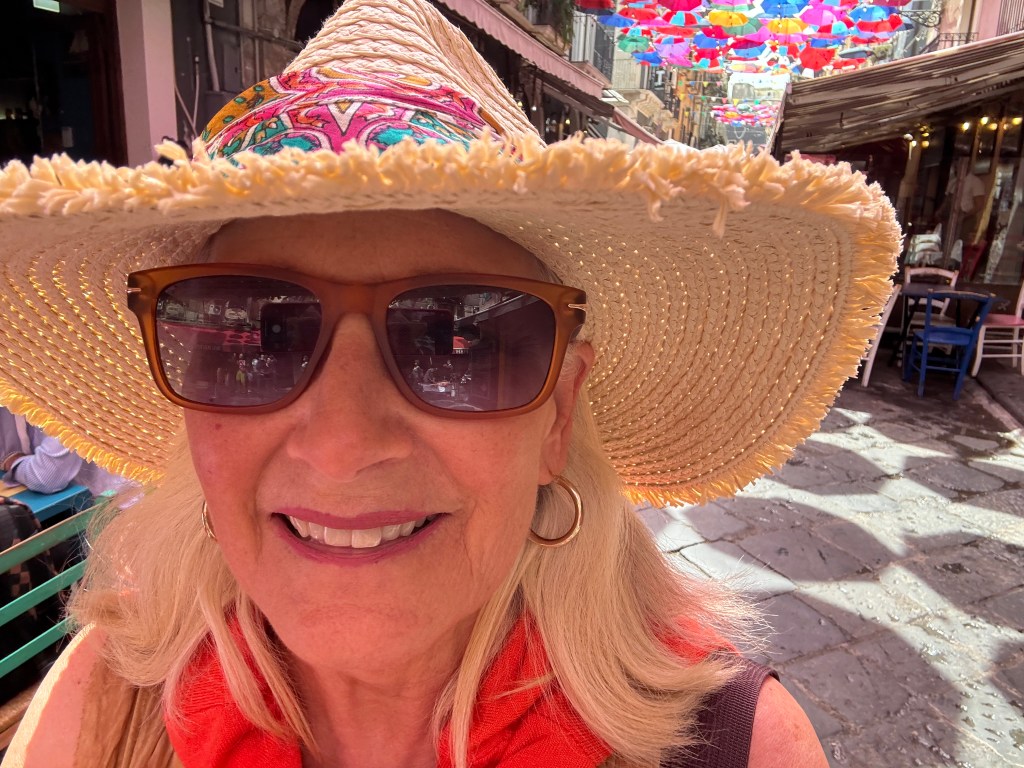
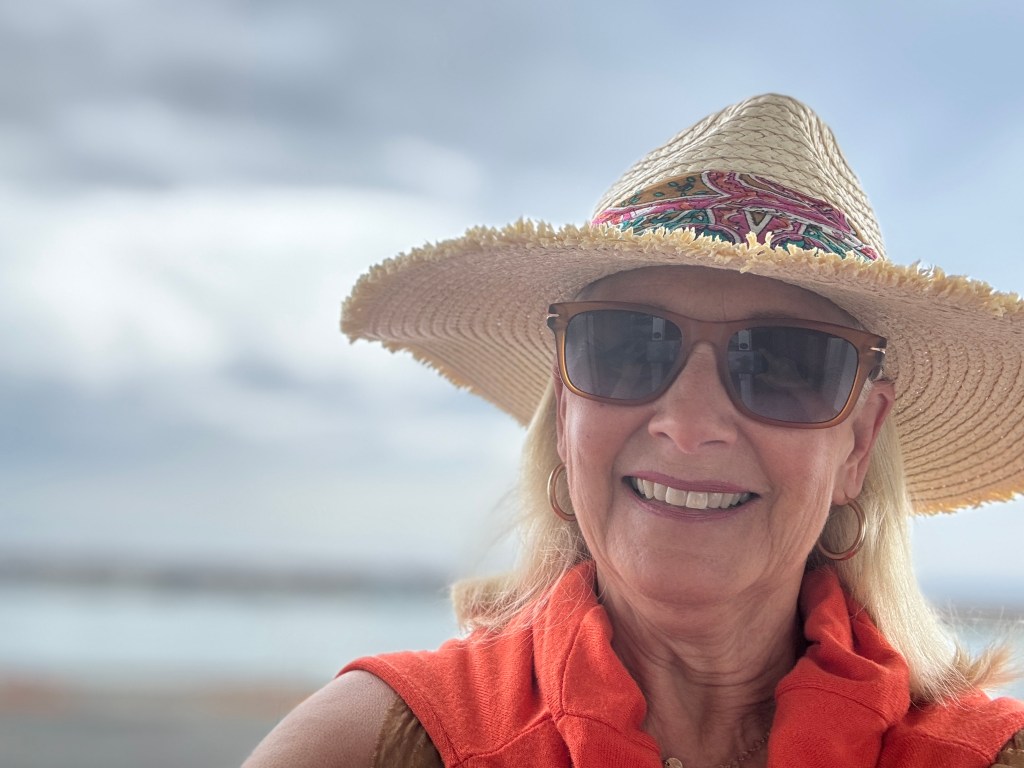
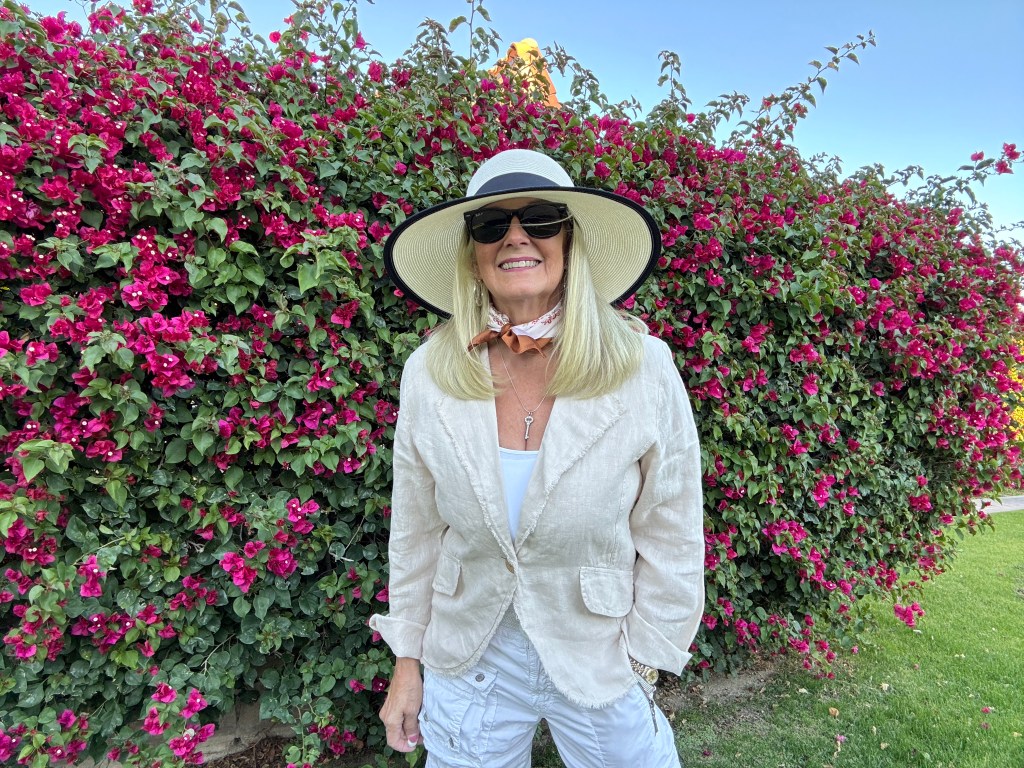
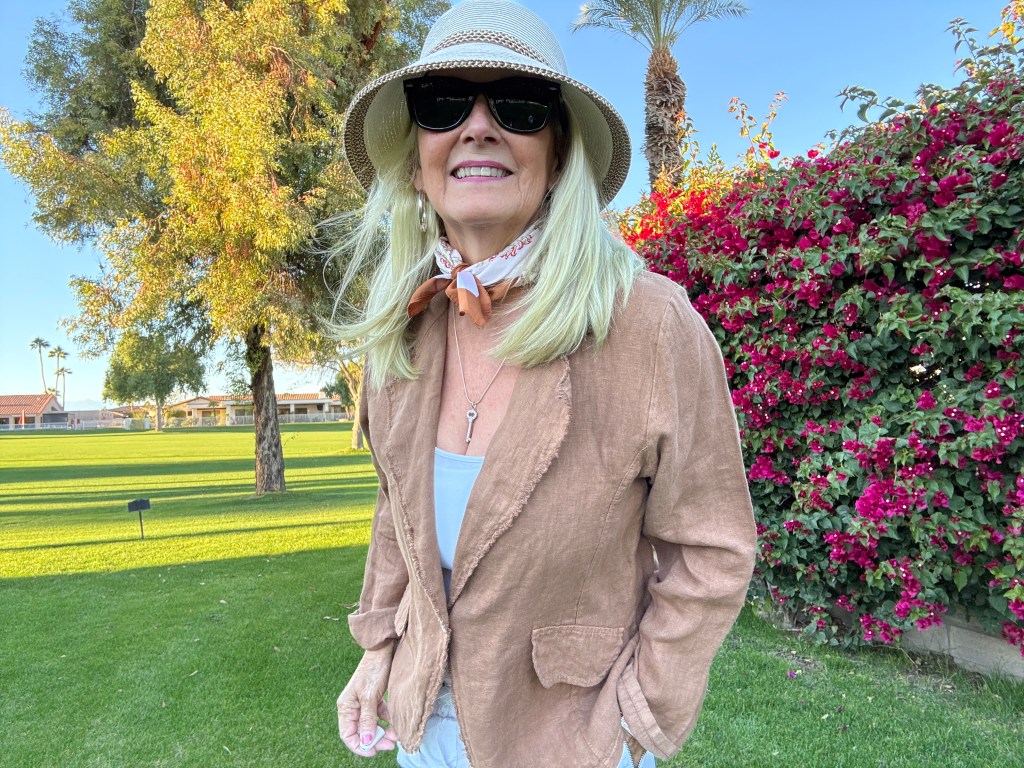
    Pack three jackets, three scarves, and four hats. Add tennis shoes and flip-flops, one sweater, three tops and three bottoms, one dress, and one pair of evening shoes. Add two belts for styling. Each piece should work with the others.

    With this structure, you can adjust for weather, setting, and occasion. The same garments shift from casual to formal by changing layers and accessories. The result is controlled, deliberate, and consistently polished.

  • Desert Fashion

    Desert Fashion

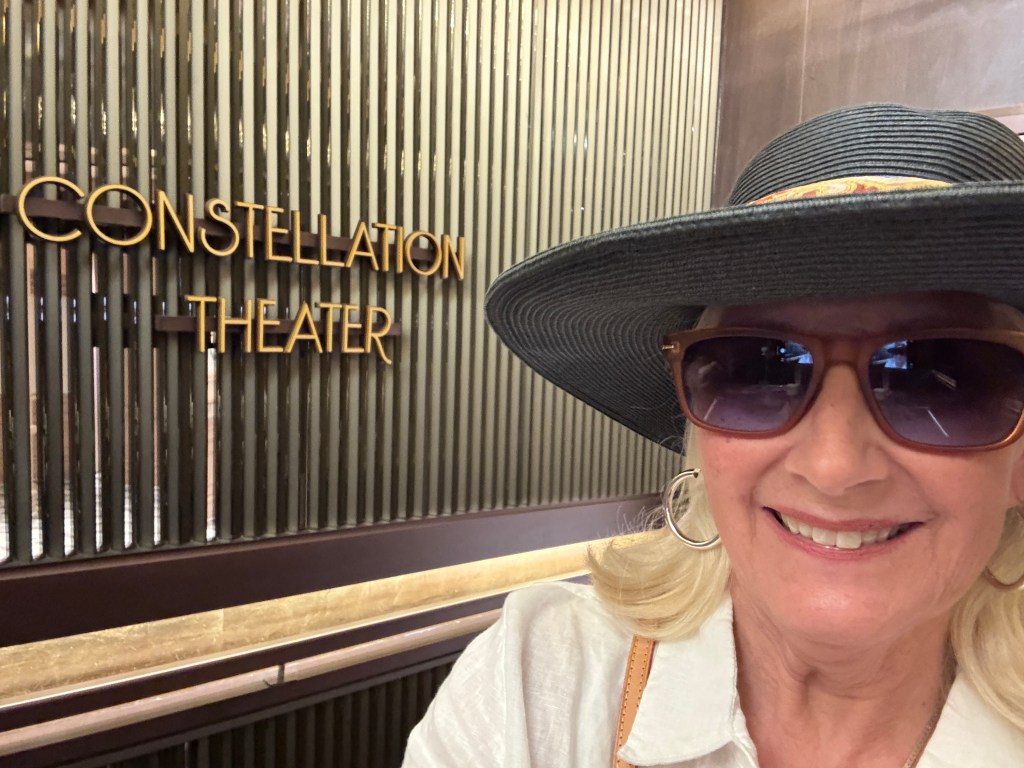
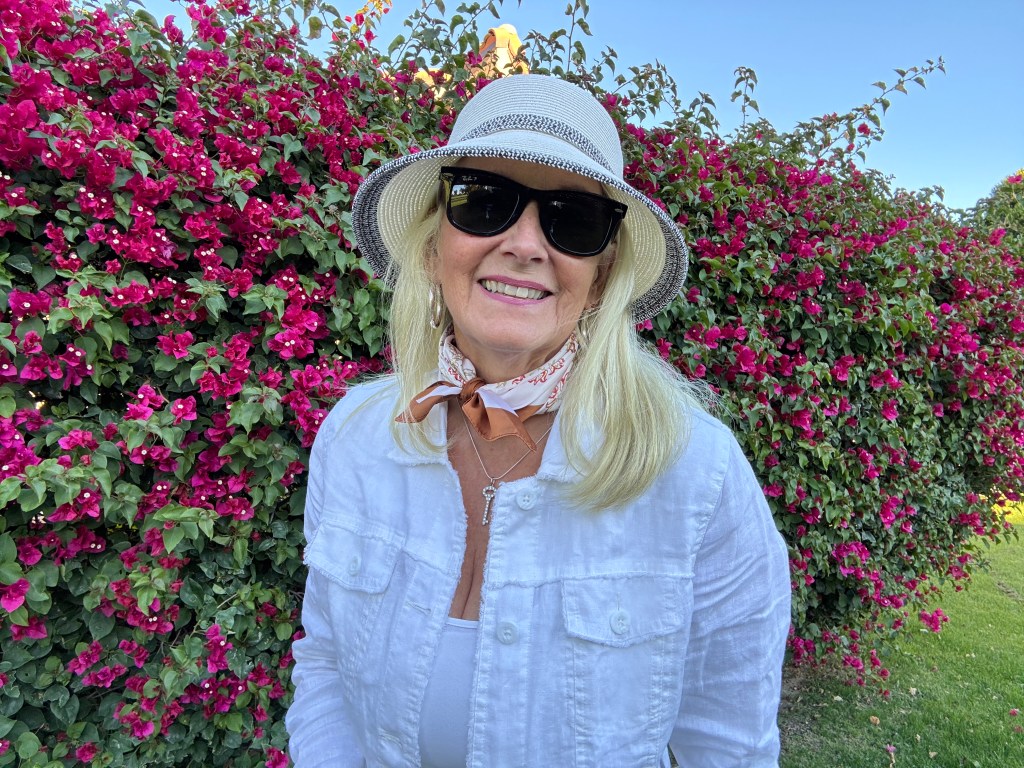
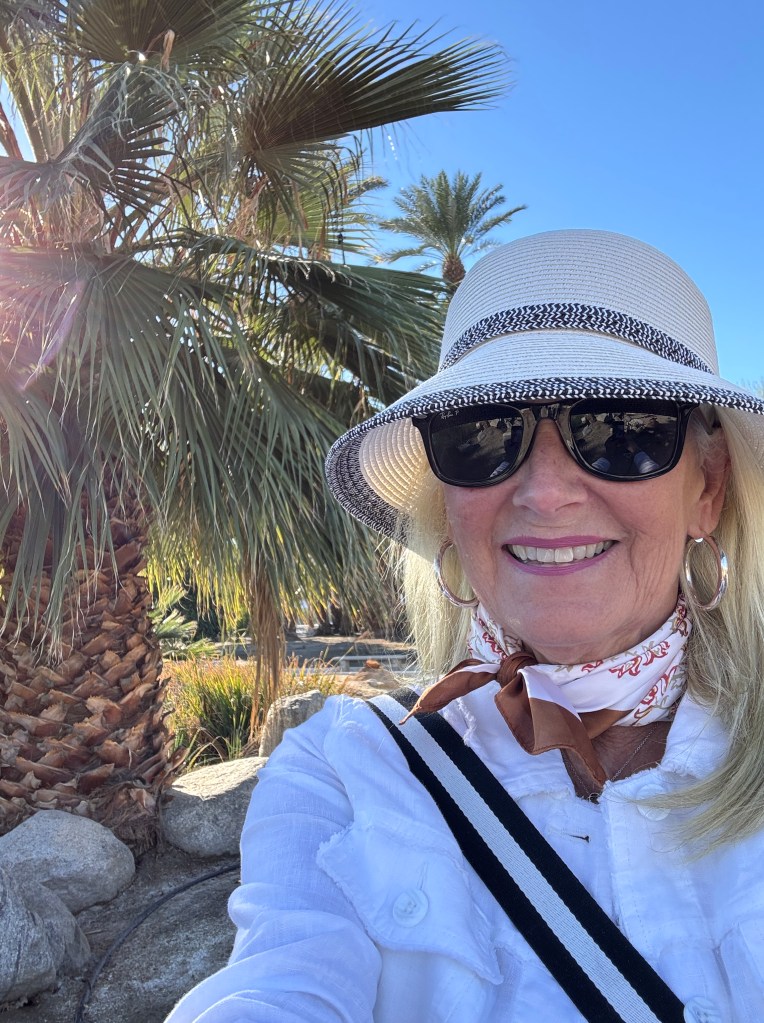
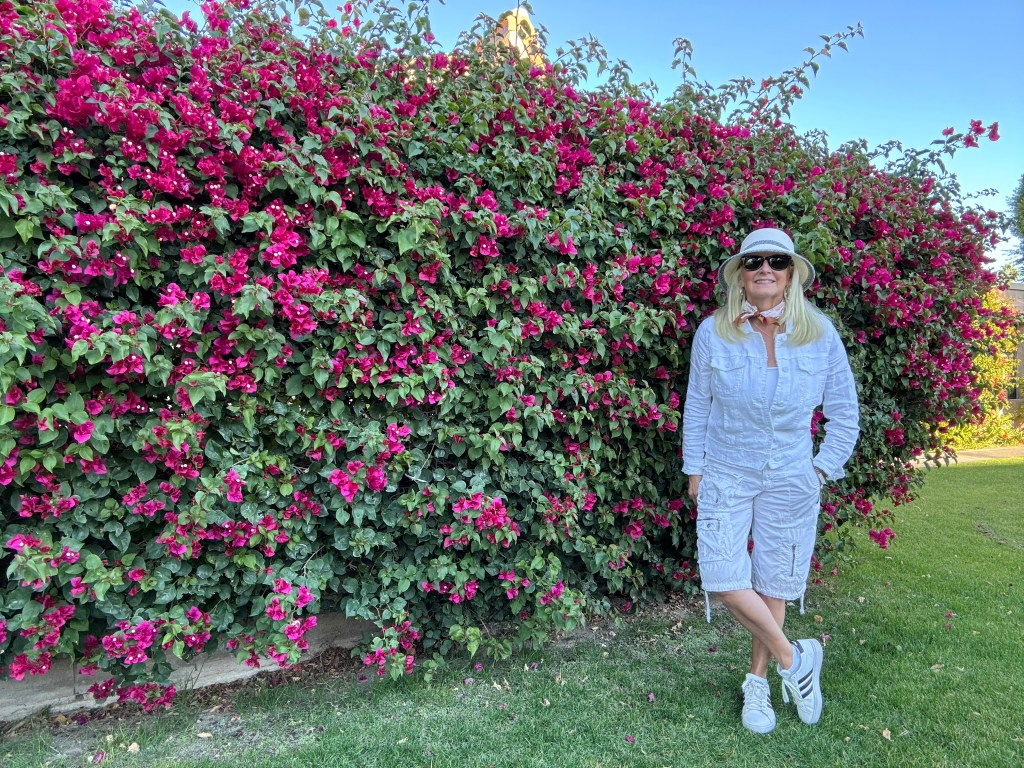
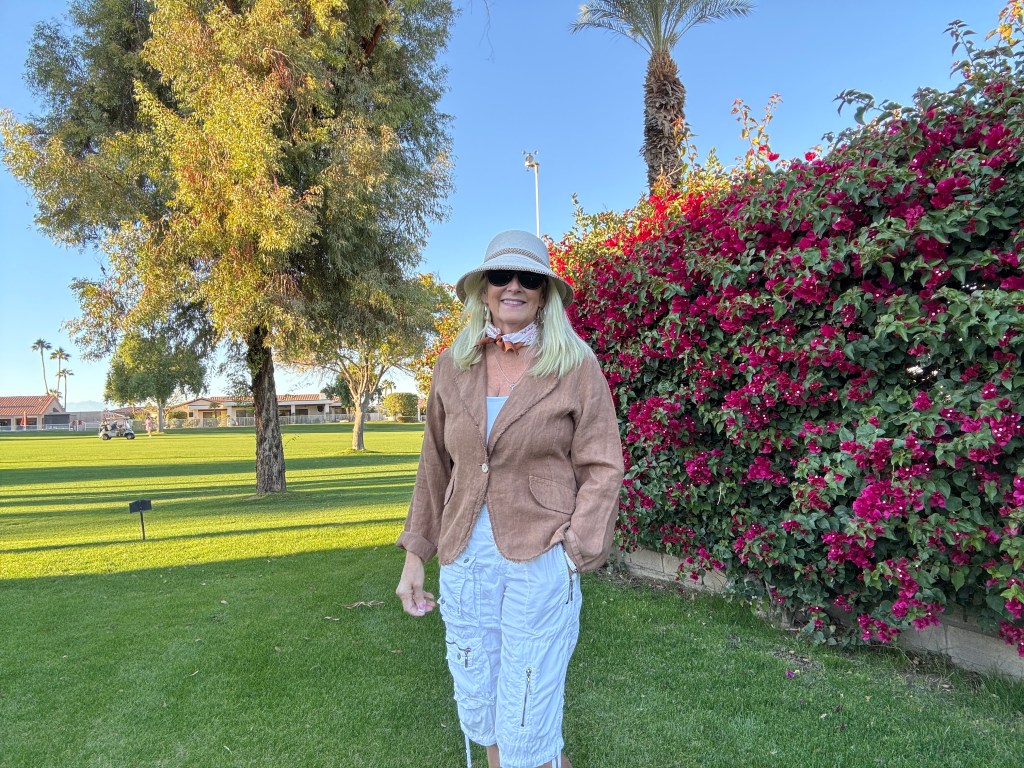
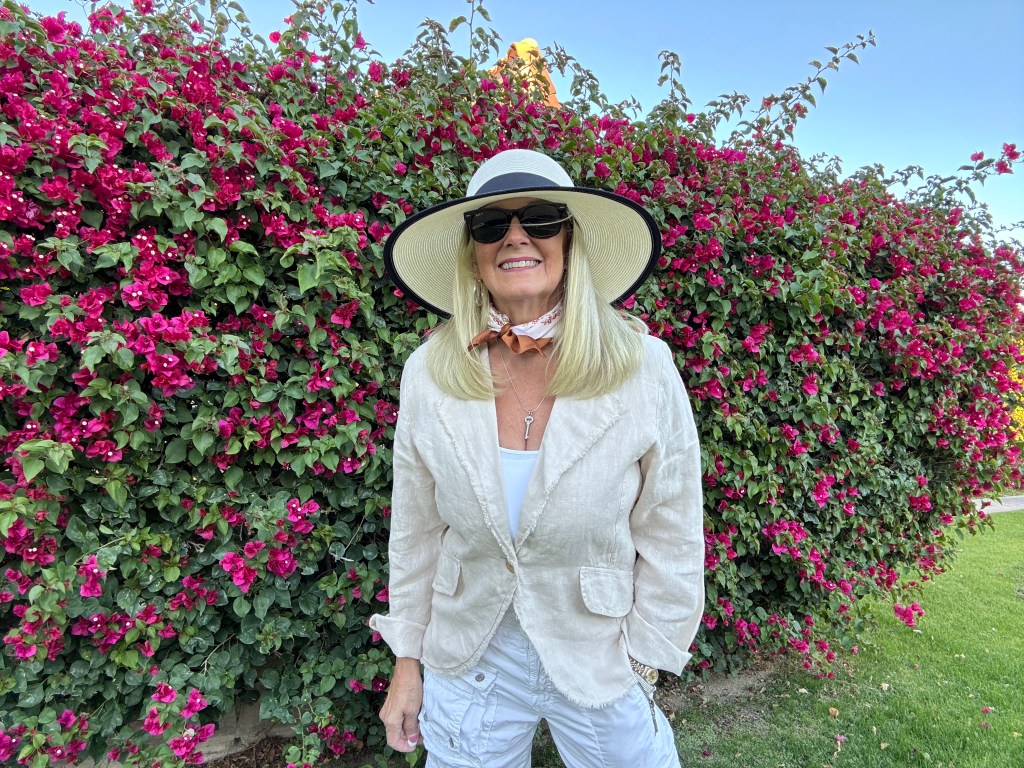
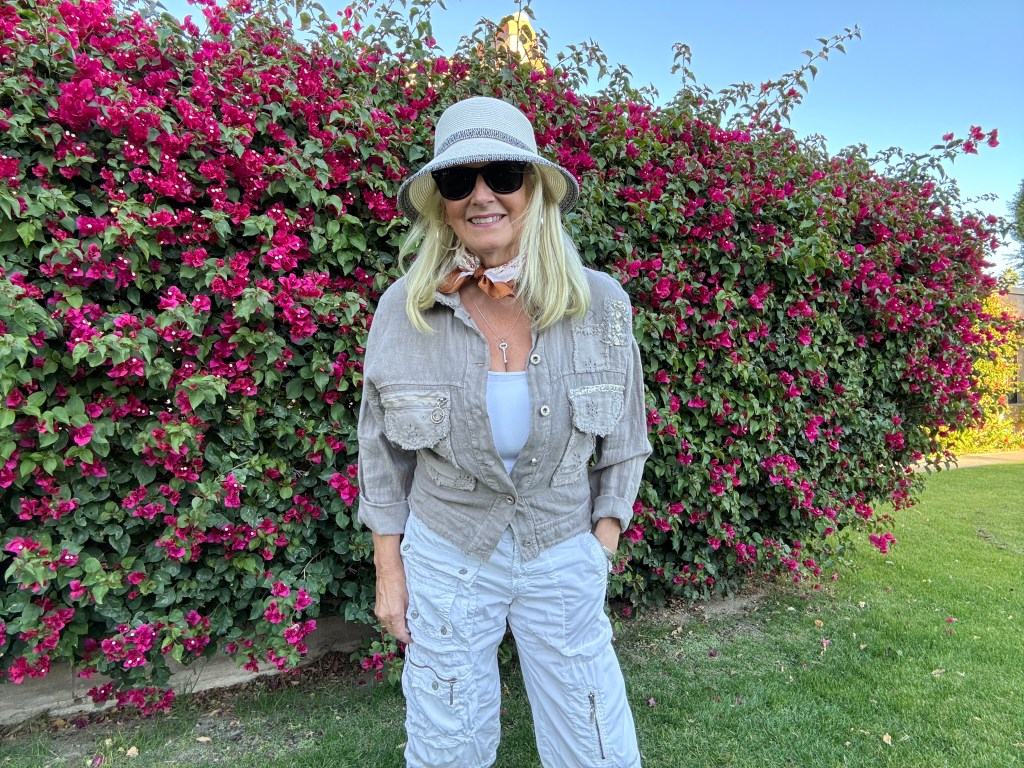
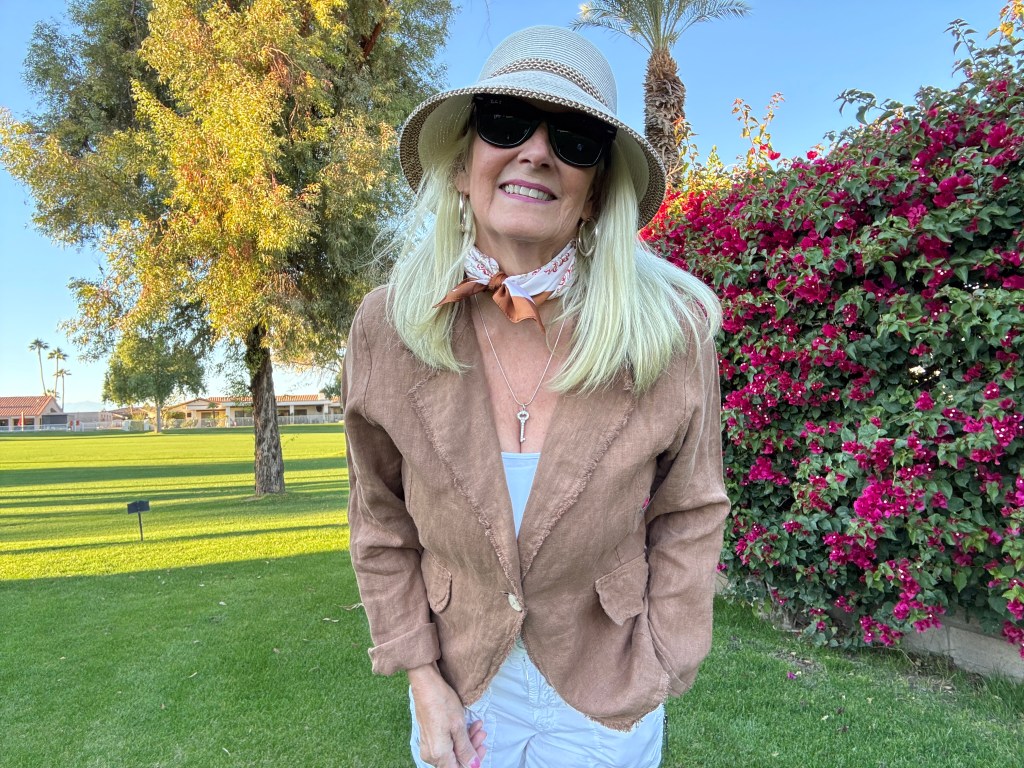
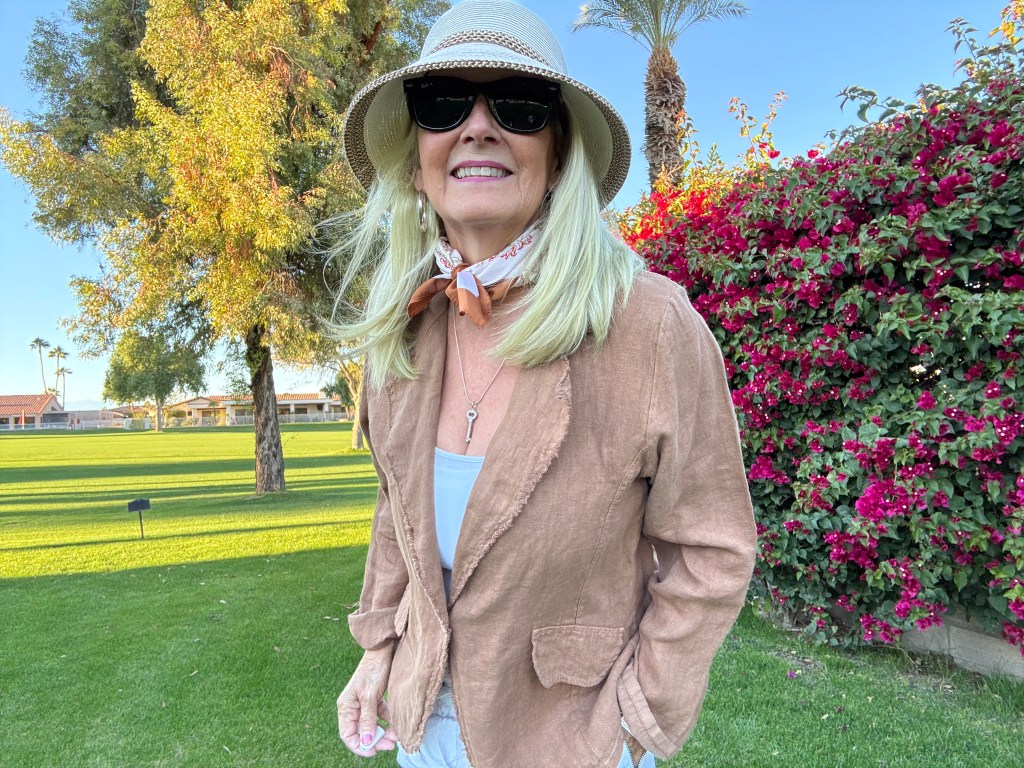
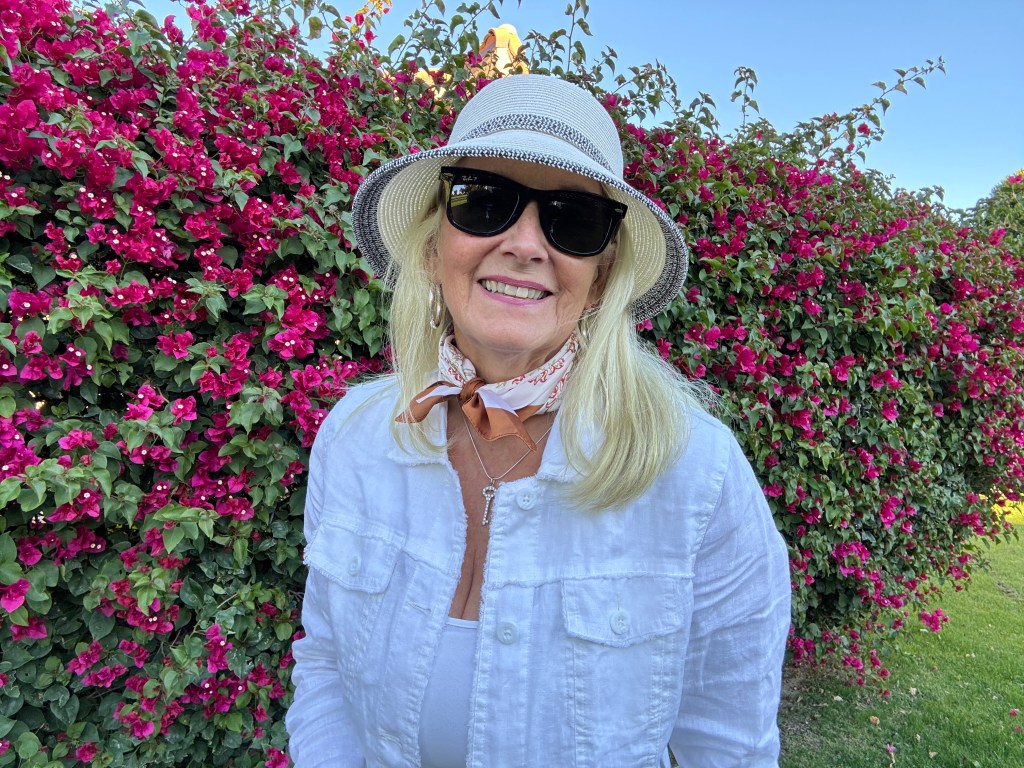
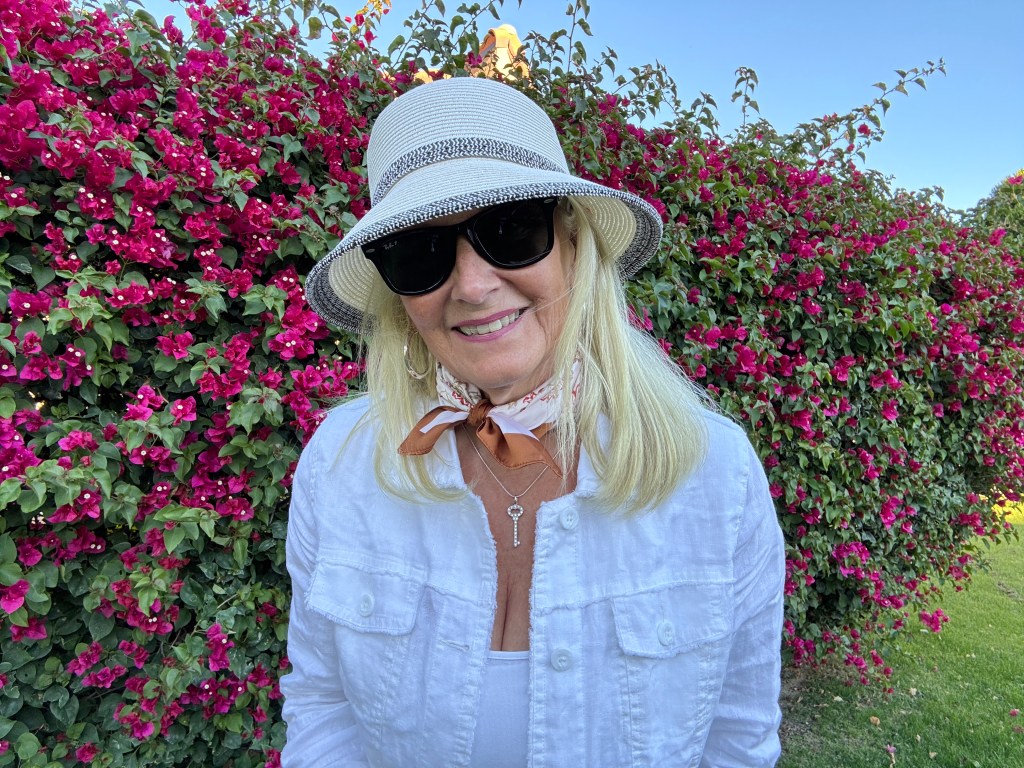
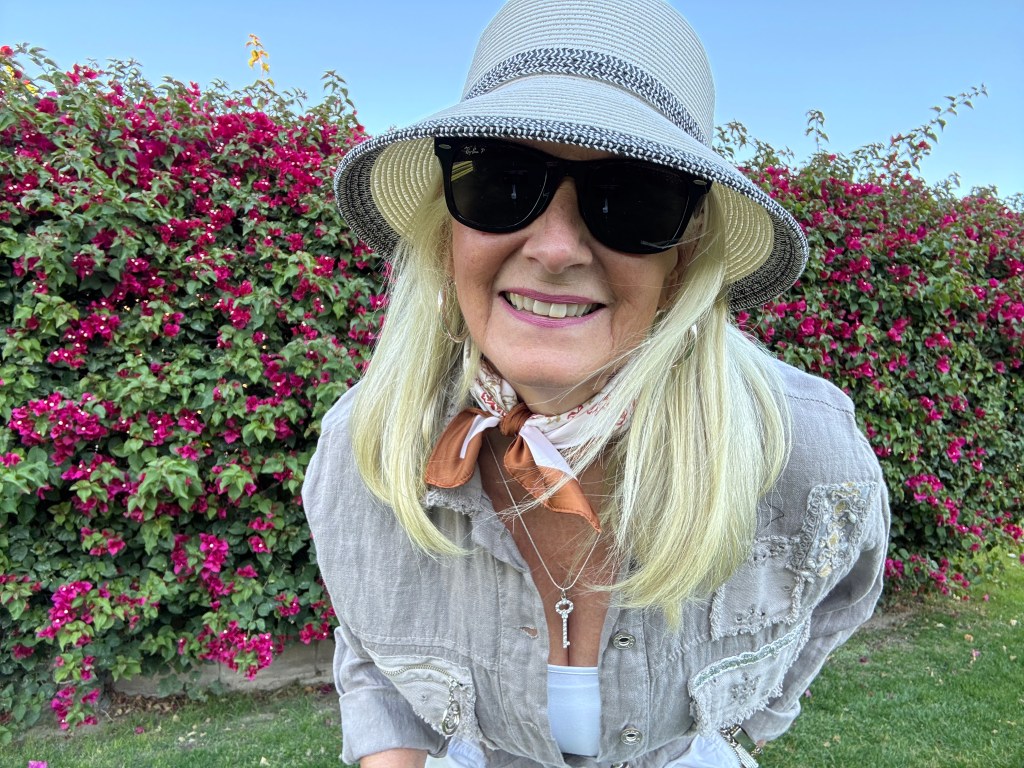
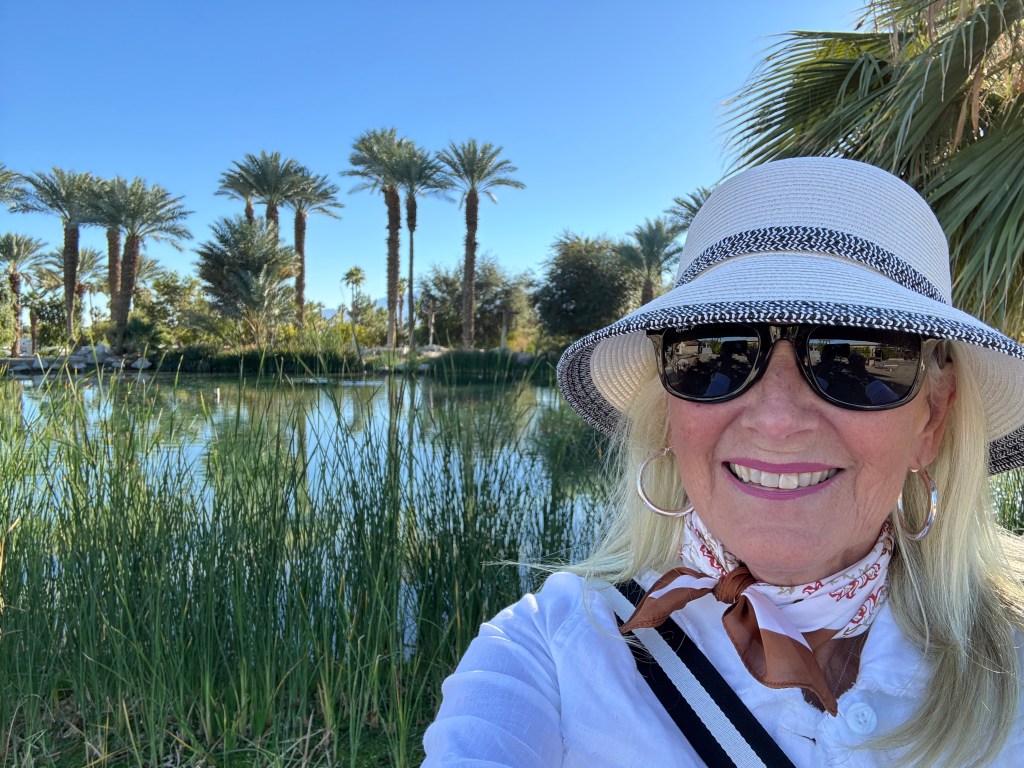
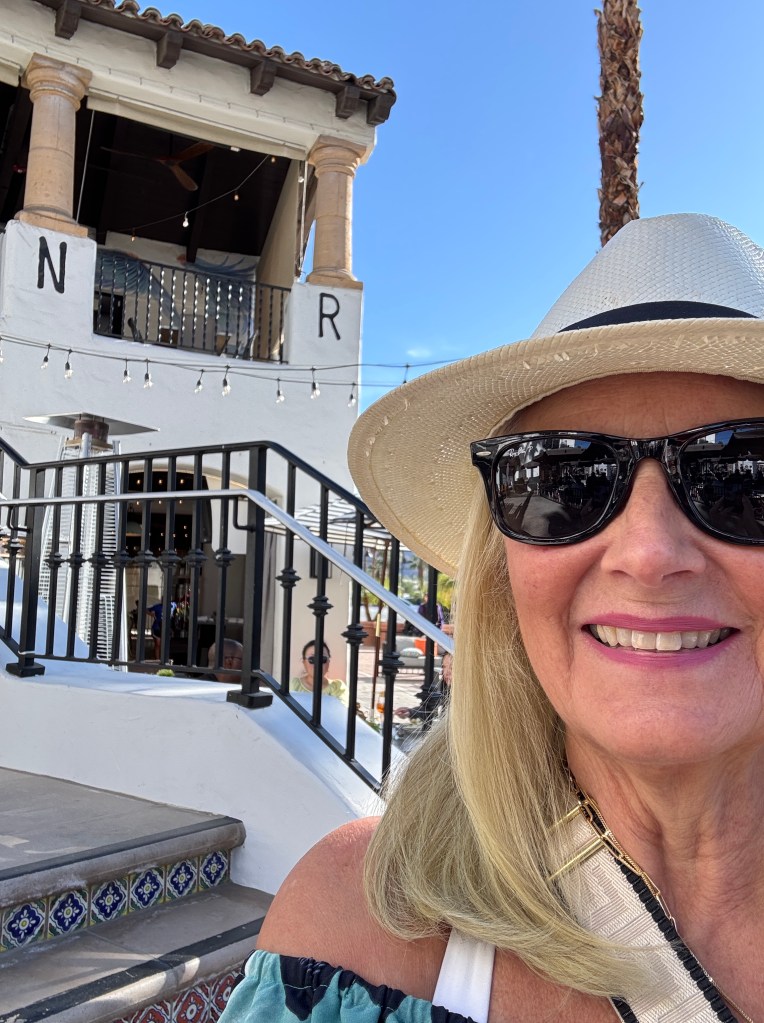
    Hats for all casual occasions.

  • Seattle Washington Union Bay Natural Wildlife Sanctuary

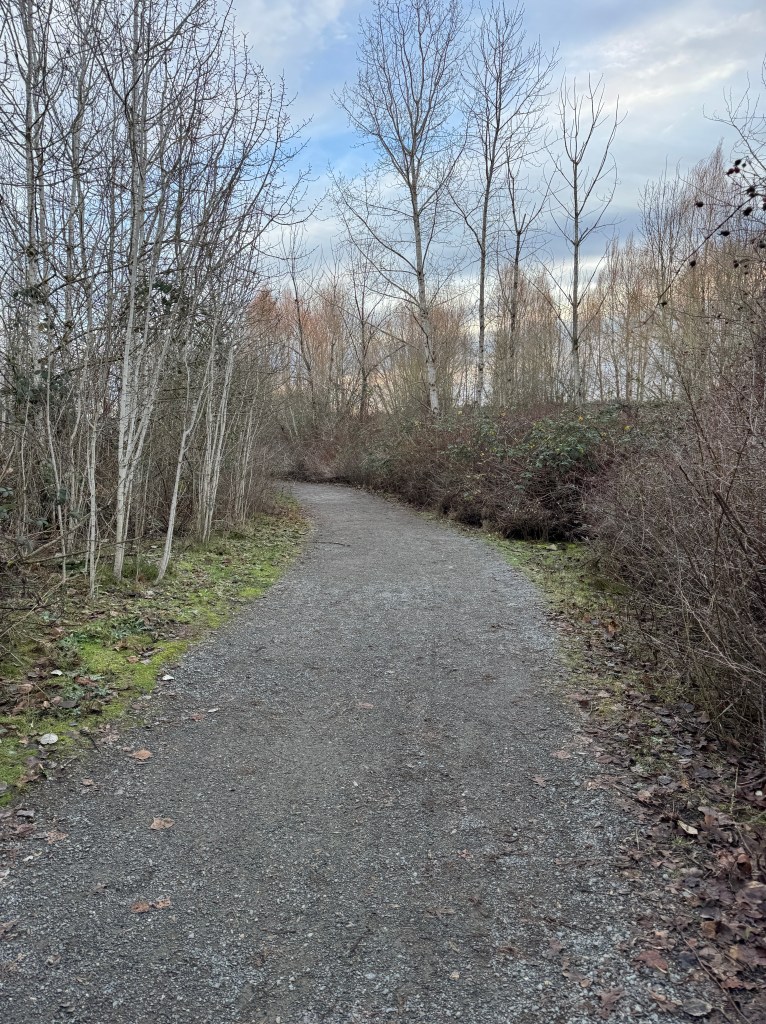
    The road taken on a New Year’s day. A reimagining of Robert Frost’s The Road Not Taken.

    The road taken down a mossy path on the first New Year’s Day.

    Where two birds converged in a browny wood with a sigh.

    Long I stood at the undergrowth.

    The path was bent and gravely but it had the better claim.

    Both were equal that morning but one was less traveled.

    The other was fair and without leaves trodden bare.

    Though the way leads to passing by and by.

    Somewhere traveling ages hence, the one traveled made all the sense.

    I regret there was only one road to travel.

    But, one road was taken that morning and I kept the other for another day.

  • The Gothtopian Island of Mont-Saint-Michel, France

    A creative nonfiction experience.

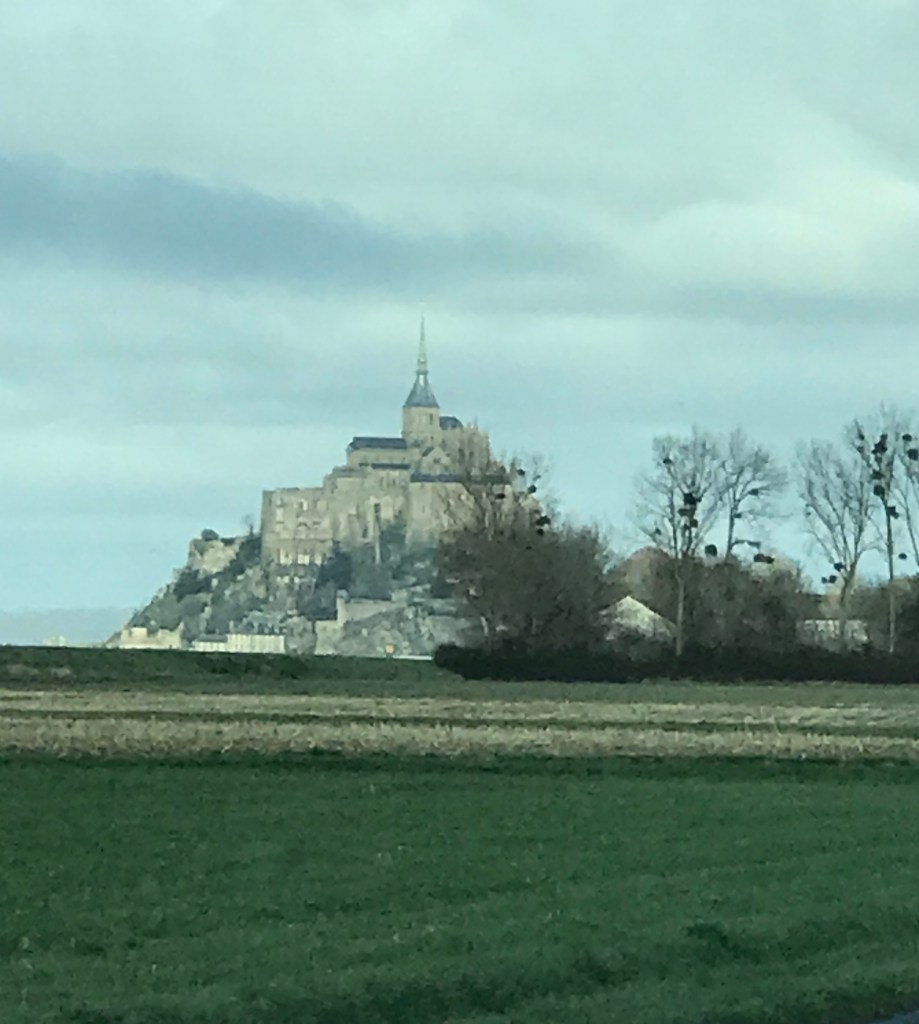
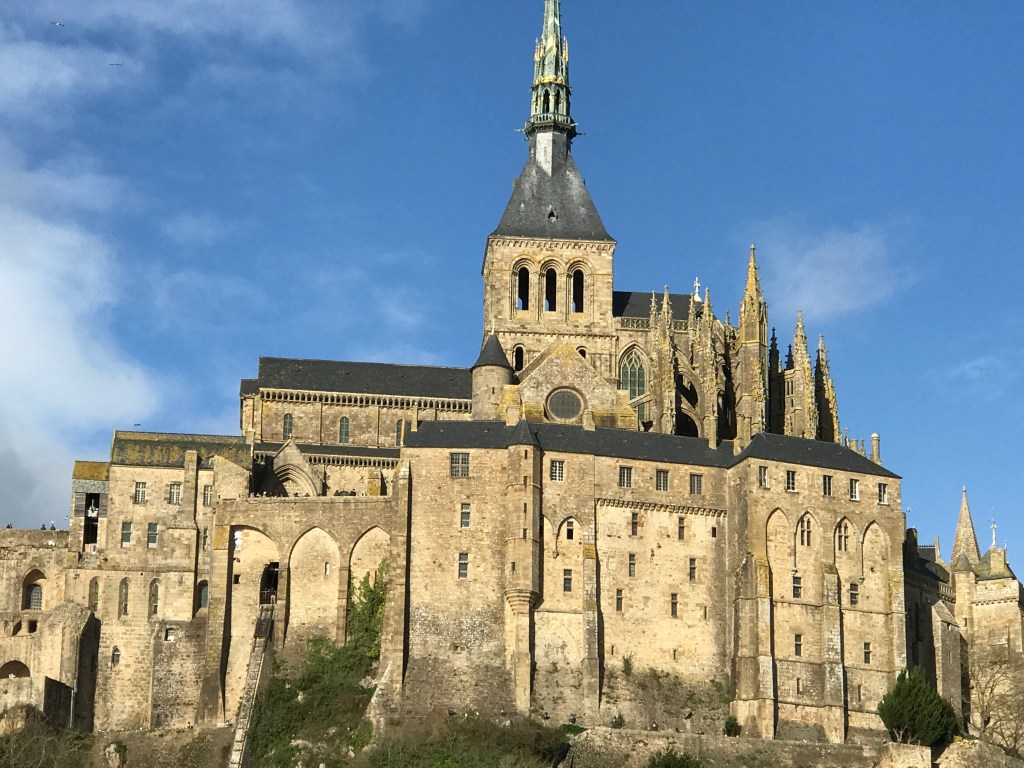
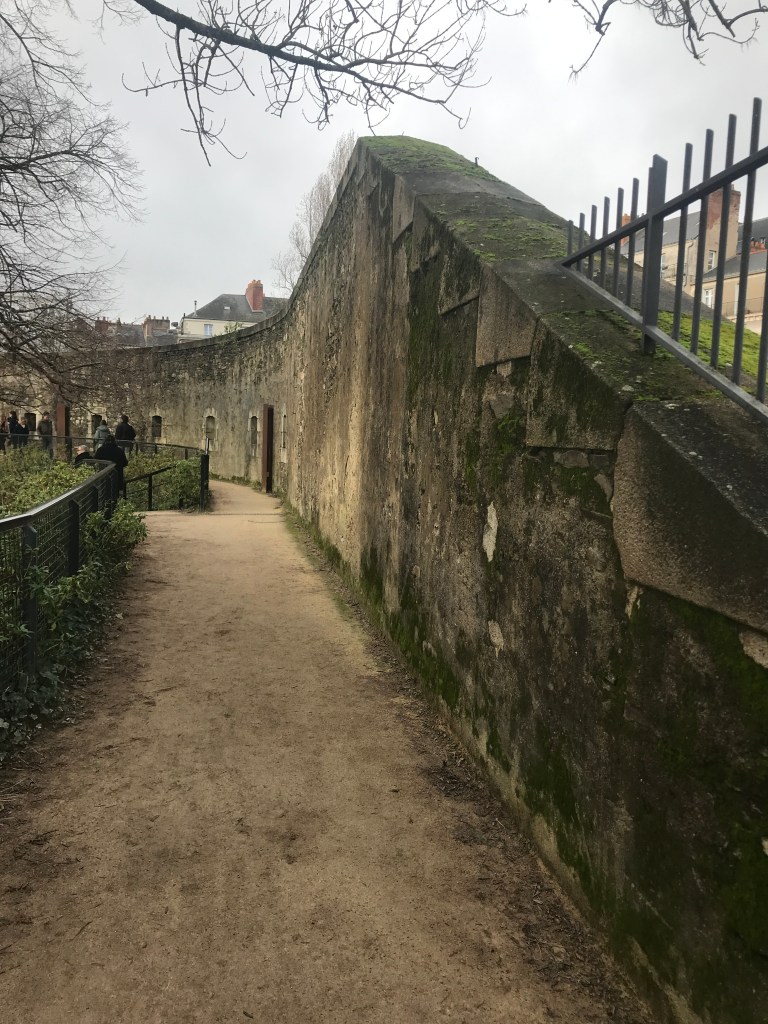
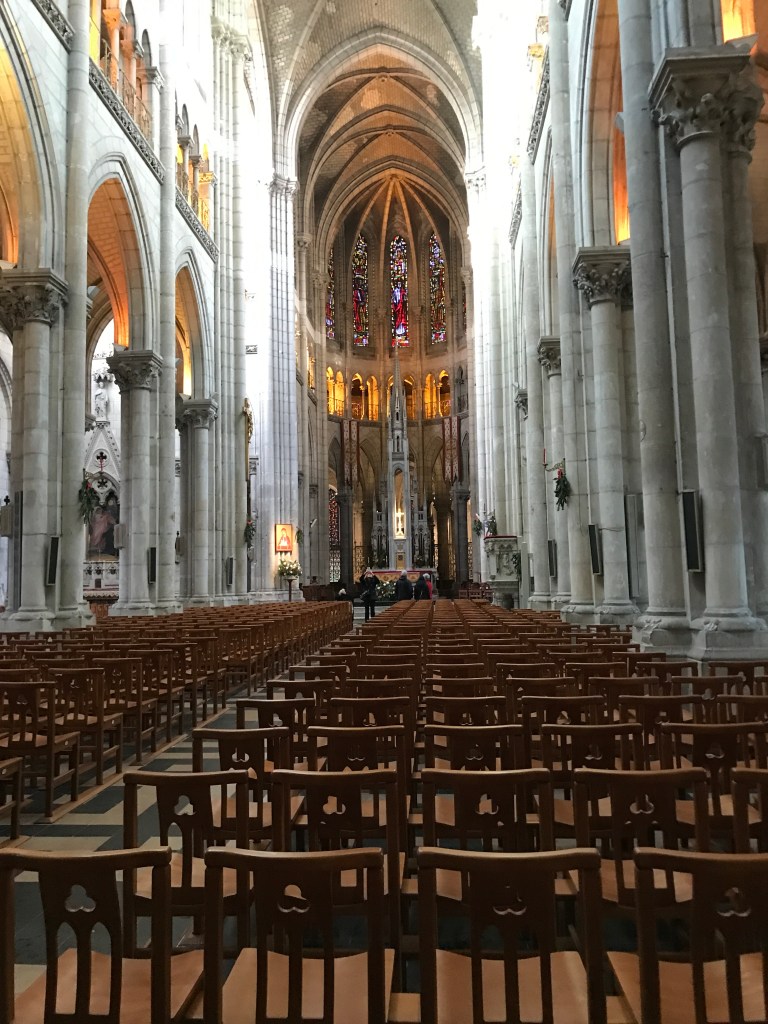
    I paused along the moss-clad path to Gothtopia’s altar, where worship lingered like incense in the ghostly ruins of Saint Michel’s basilica in Normandy. The damp perfume of aged wood and stone breathed through the centuries, pulling my soul through time’s fragile veil. I stepped first into the monastic refuge of 966 CE—then onward into the cold, stone prison of King Louis XI in 1472.

    Mont Saint-Michel, France (Melodie Miller | Photographer)

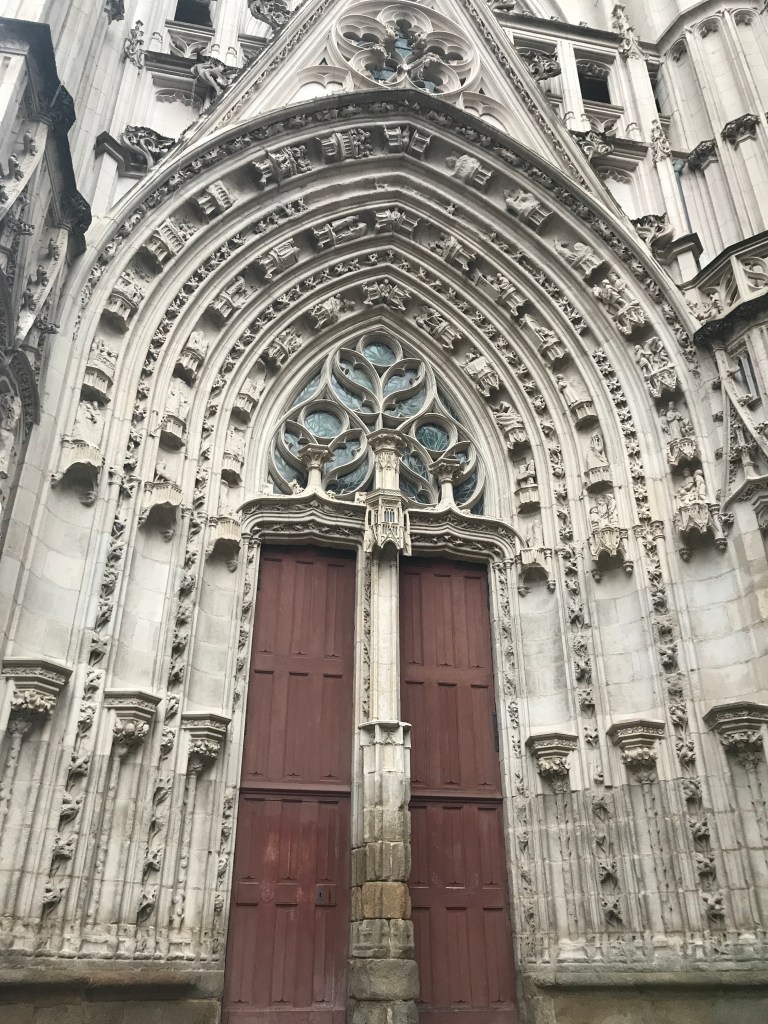
    The spirits of the exiled citizens whispered, “Run away,” yet I pressed forward. In the distance, the unforgiving door stood resolute, its distressed, burnt Tuscan auburn frame glinting beneath a lacquered sheen of blood-red defiance.

    Mont Saint-Michel, France (Melodie Miller | Photographer)

    A procession of artifacts drifted down the path, motionless yet advancing, as if carried by memory. Coordinates flickered across the heads-up display of my spectacles—longitude, latitude, fragments of direction. I had left my map on the battlefield, and my phone no longer held a charge. Though I was not truly lost, the world had misplaced me.

    Mont Saint-Michel, France (Melodie Miller | Photographer)

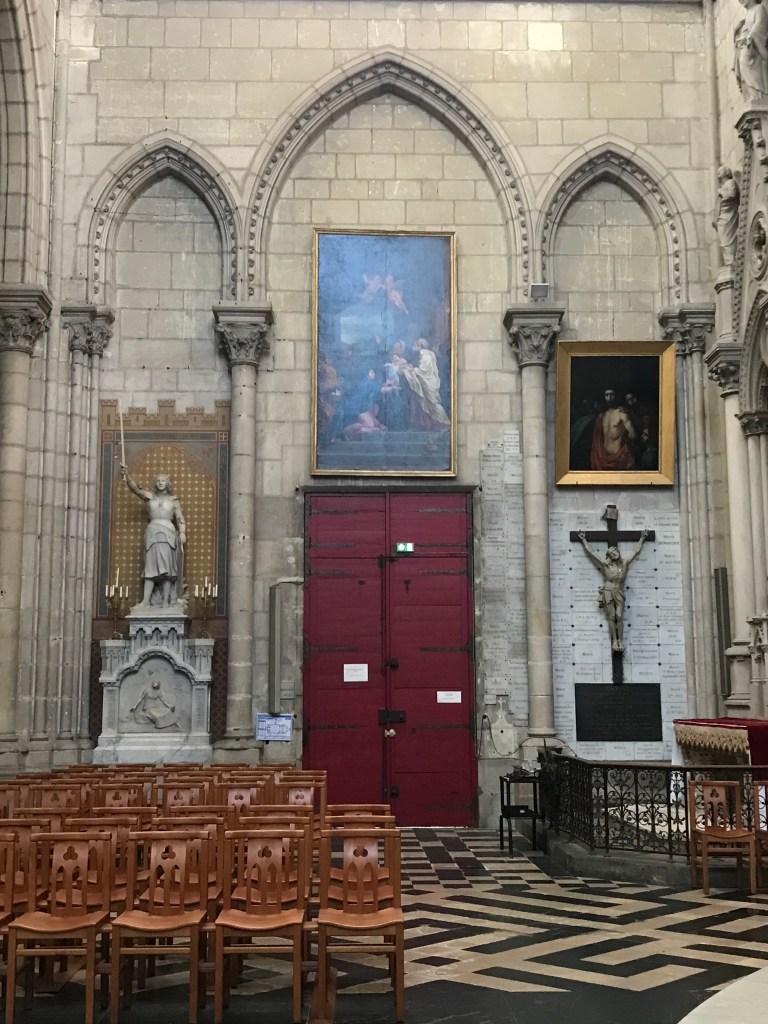
    The red lacquer door, a relic of a final warning, roared, “Open me!” Its cry rang like swords clashing in the hands of dying warriors. “The end is near,” it whispered in silence, the relic’s cruel souvenir. “The enemy offered no home advantage,” I answered, defiant against its echo.
    Mont Saint-Michel, France (Melodie Miller | Photographer)

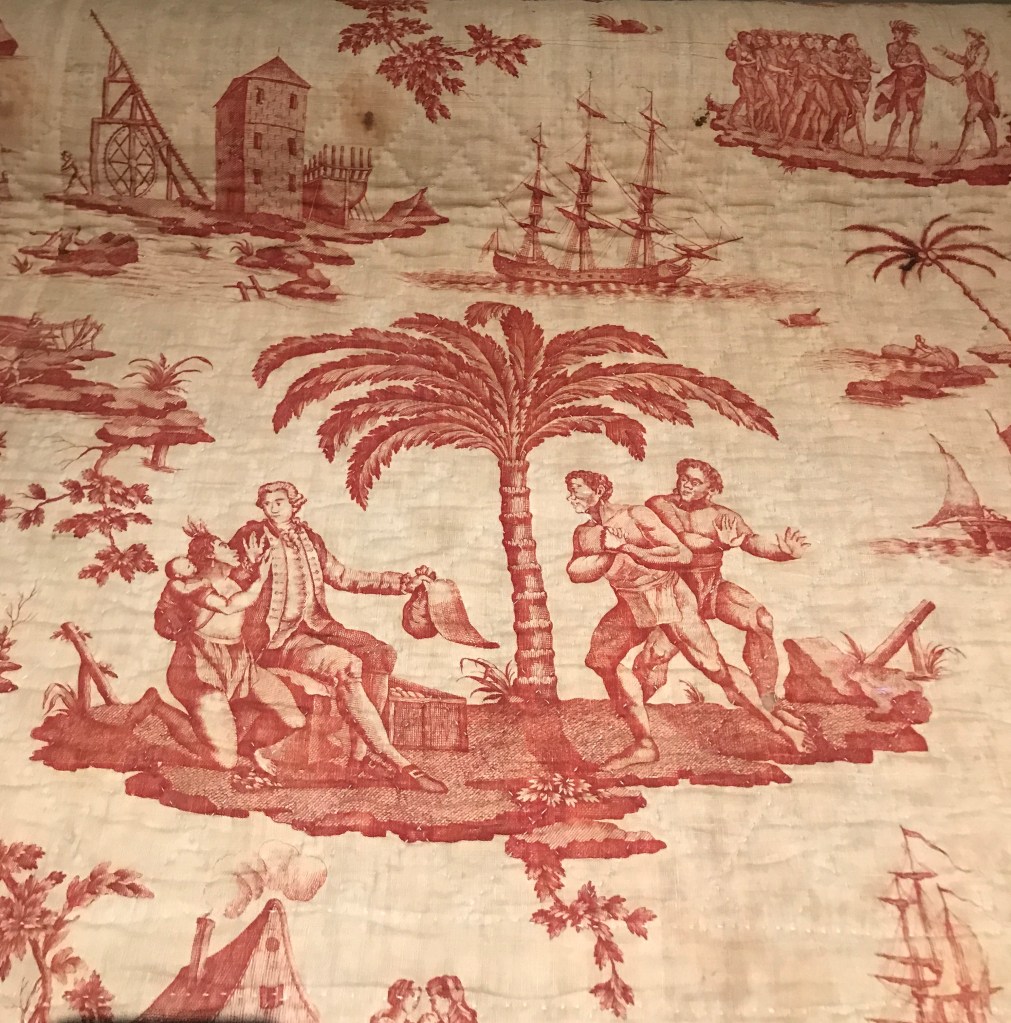
    The unconscious masters ignored the printed enslaved, who begged for release from the fabric that bound them. I saw in the image a colonial warning—a reminder not to forget the past. I thought of the forced integration that tore children from their former lives as they boarded those buses. Their spirits have long since vanished, erased as characters and forgotten by their teachers and the system that failed them.

    Mont Saint-Michel, France (Melodie Miller | Photographer)

    Along the path, a messiah sat upon a fractured altar, her voice trembling as she called out for an apostle to gather the faithless flock. Her sword and wings—tattered, torn, and trembling—beat helplessly against the cold, mechanical wind of capitalistic dominion that had ruled over Gothtopia.

    Mont Saint-Michel, France (Melodie Miller | Photographer)

    As I drew near the altar, the hollow glass candles began to shatter under the prophet’s resonant cries. Razor-edged shards clashed around me. From below, the unfeeling Holy Mother wailed—a menacing summons that chilled the marrow of my faith.

    Mont Saint-Michel, France (Melodie Miller | Photographer)

    Through the monolithic arches, I saw the basilica—its nave filled with abandoned chairs, now nests for birds that had long forgotten how to fly. The Benedictine monks of 1790 CE were driven from the abbey by the revolutionaries, who also abolished the lettres de cachet, sealing the end of an era in French history.

    Mont Saint-Michel, France (Melodie Miller | Photographer)

    The altar walls, built from the skeletons of time, stood weathered and decaying beneath the assault of the salt-laden sea air. I knelt before the new god of technology, awaiting the signal that would permit the ritual, the digital incantation demanded by faith’s replacement.

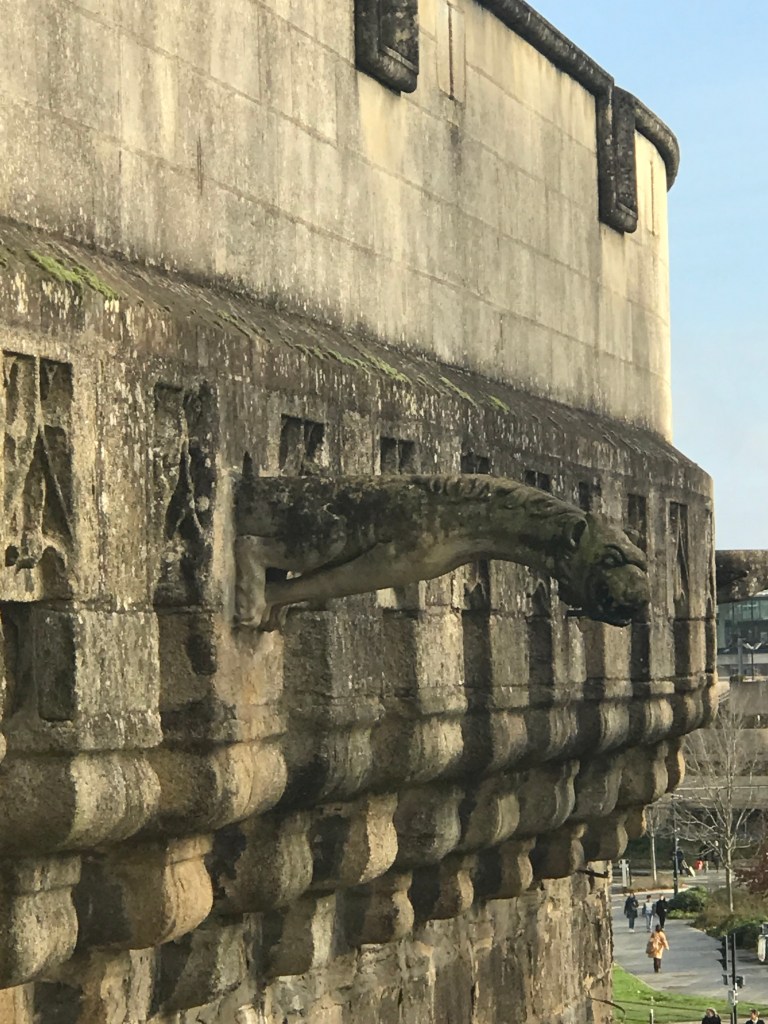
    Around me, green moss and a viscera of pollution writhed through the mechanical vastness of the future, twining with the Messiah’s torn wings. Nearby, a self-adoring granite gargoyle hovered mockingly, its once sacred symbol of fertility now a caricature of its conceit.

    Mont Saint-Michel, France (Melodie Miller | Photographer)

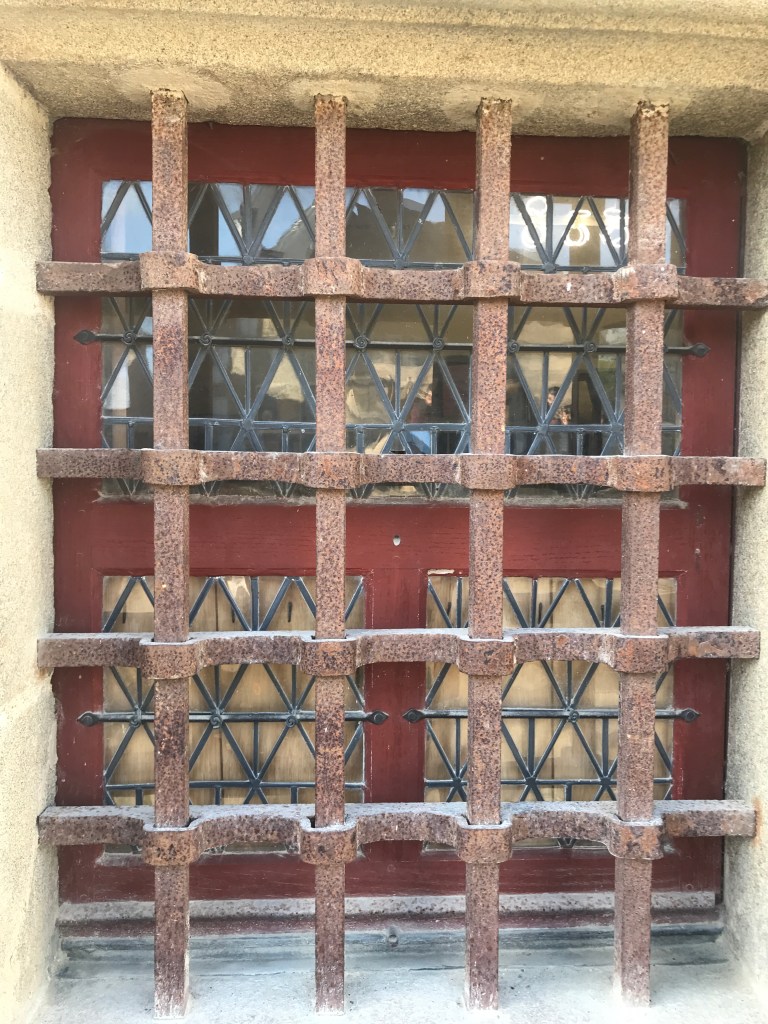
    Razor-sharpened wrought-iron impalers stood in place like sentinels, their blackened stocks recalling the disappeared fallen heads of statesmen. The tattered public servants gazed on from the gallery, trapped in an echo of the past. Their ghosts, condemned to linger in the gallery, watch as history repeats itself. A vessel of broken time, the basilica endures its shattered moments. Her remembrance, reflected in graven images of the memory of Saint Michel and in the minds of the pilgrims.

    Mont Saint-Michel, France (Melodie Miller | Photographer)

    The vacant wrought-iron bars framed a prophecy: our daily debts are the rations earned through the labors of hope, fragile offerings, easily crushed by a king’s will. Lettres de cachet once sanctioned imprisonment or death without trial within Mont-Saint-Michel’s shadowed Gothtopia. Yet, in bitter irony, this violation of justice preserved the abbey from utter ruin.

    Mont Saint-Michel, France (Melodie Miller | Photographer)

    As I turned to leave, the narcissistic ghosts gathered—unseen yet impenetrable—blocking the windows and door. They pulsed with vibrations drawn from the basilica’s menacing past, its walls still breathing history. One by one, the apparitions released their lethal cargo of memories upon the living below—those drifting through their holidays, blissfully unaware, unwilling to remember.

    Mont-Saint-Michele, Normandy, France

    Mont-Saint-Michel, Normandy, France – History

    Visit Mont-Saint-Michel, Normandy, France