europe

  • Annecy, France, the Venice of the Alps, has a rich and complex history

    Annecy, pronounced ahn-SEE by the French, lies on the northern tip of Lake Annecy, 35 kilometers (22 mi) south of Geneva, Switzerland.

    Once, under the House of Savoy, Annecy was in the County of Genevois and belonged to the Dukes of Savoy, a branch of the Genevois-Nemours family who ruled from 1514 to 1659.

    For centuries, Annecy sat at the crossroads of competing powers, religions and borders, changing hands many times, settling only in 1860 as part of France.

    Old Town Annecy, with canals, the Palais de l’Isle, and the Château d’Annecy, retains the House of Savoy’s ambiance.
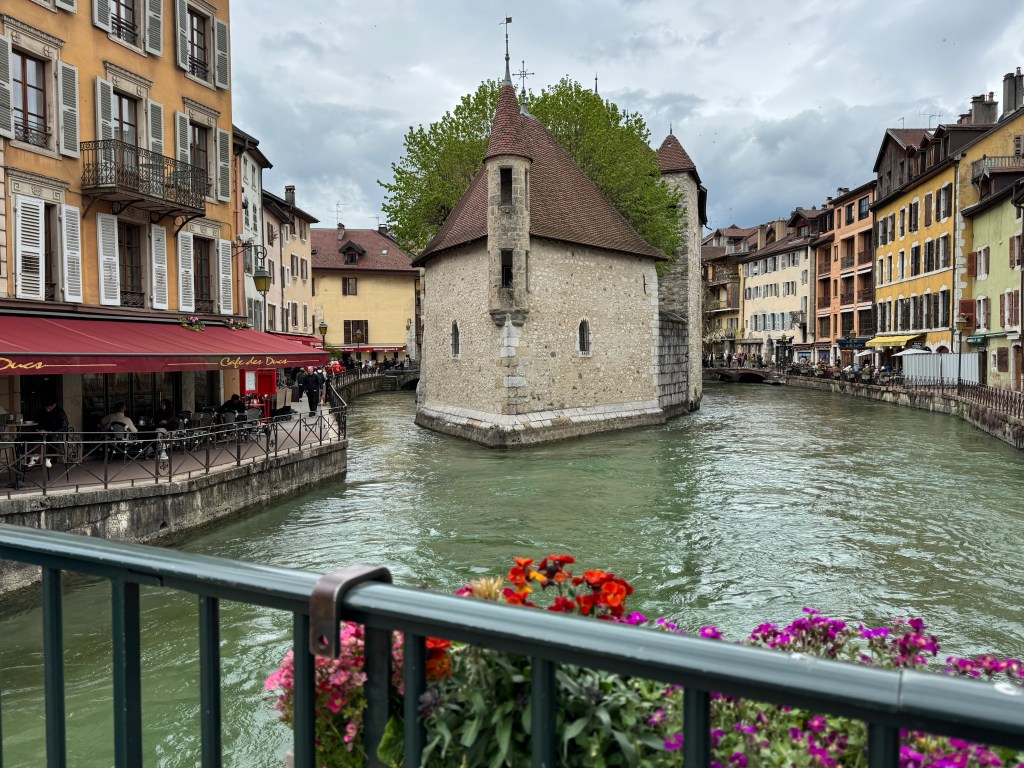
    Palais de l’Isle in the Old Town of Annecy, France (Photograph by Melodie Miller)
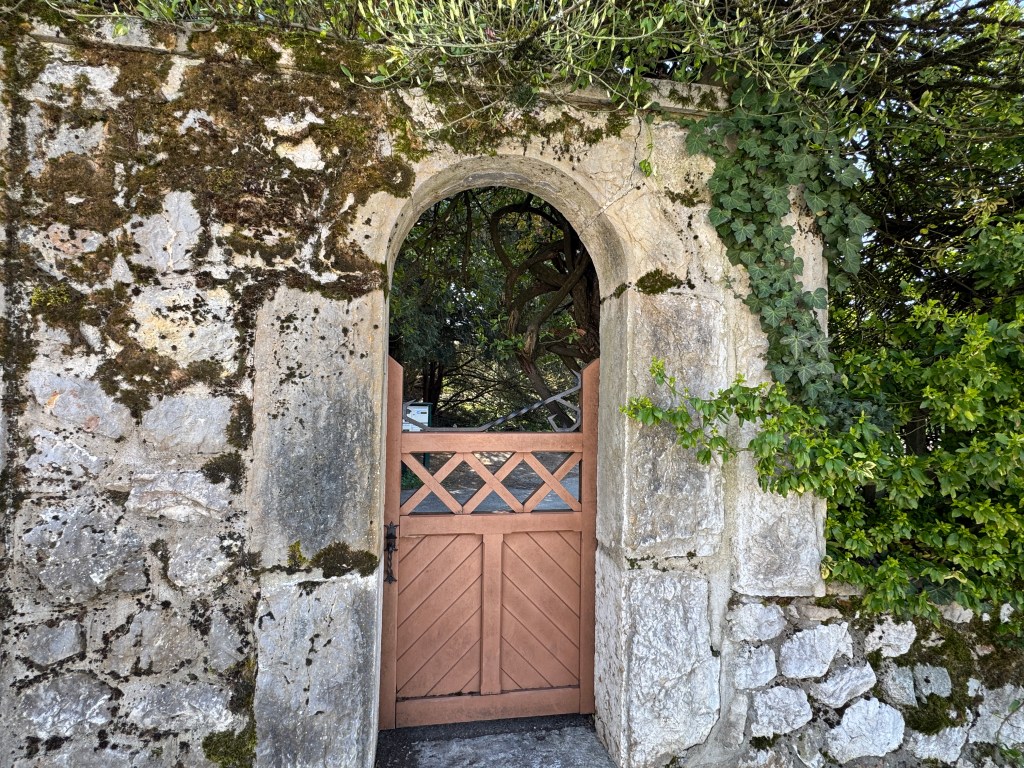
    In Annecy, France, a charming small wooden gate with a classical Roman arch is the entrance to a hidden French garden. (Photograph by Melodie Miller)
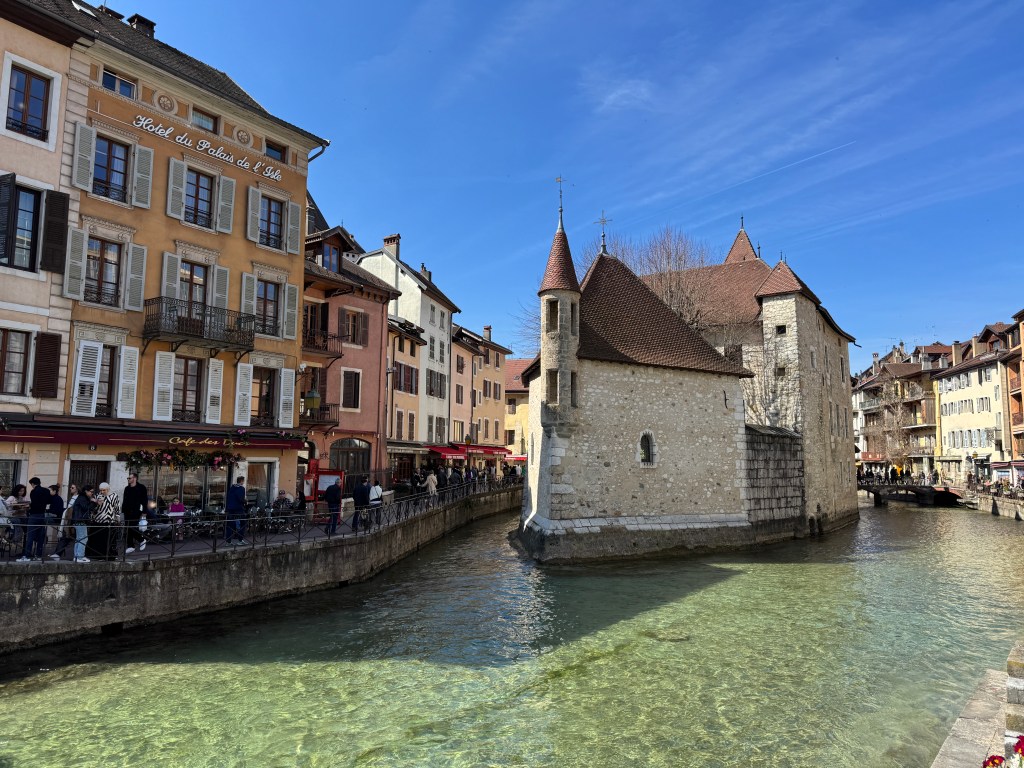
    The Palais de l’Isle, a 12th-century, medieval fortified stronghold prison in 1325 and the mint of the Counts of Geneva, is now a museum in the Thiou River in Annecy, France. (Photograph by Melodie Miller)
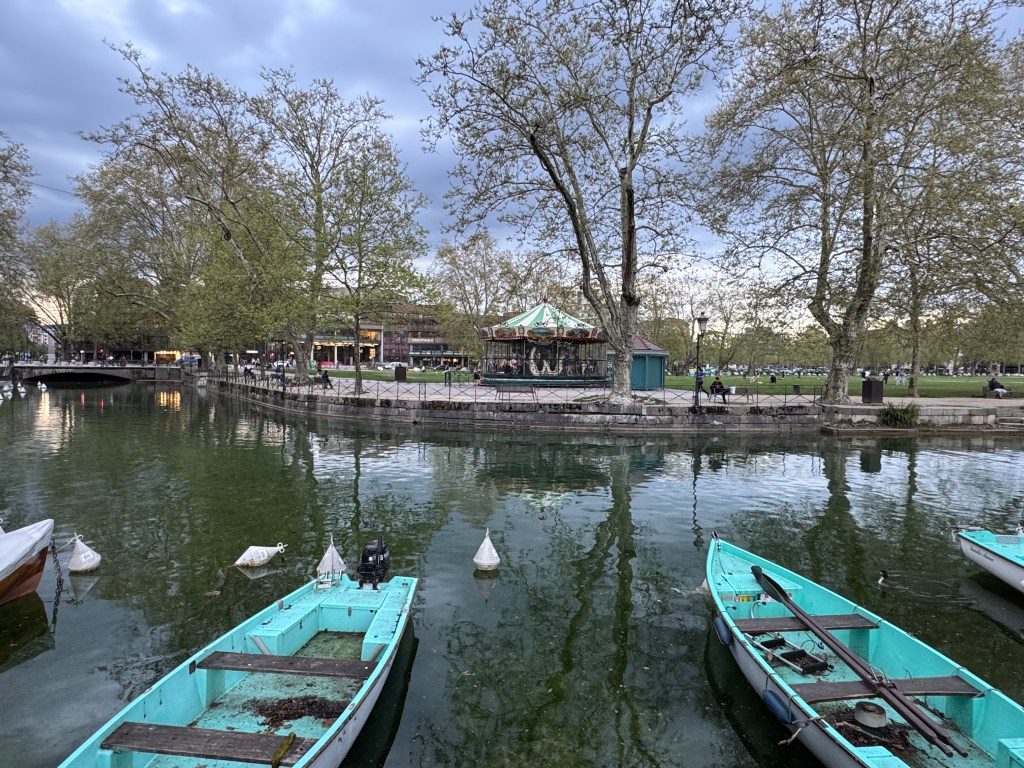
    Canal du Vassé, a calm waterway that links to Lake Annecy. The Jardins de l’Europe and Ponts des Amours are visible in the background. (Photograph by Melodie Miller)
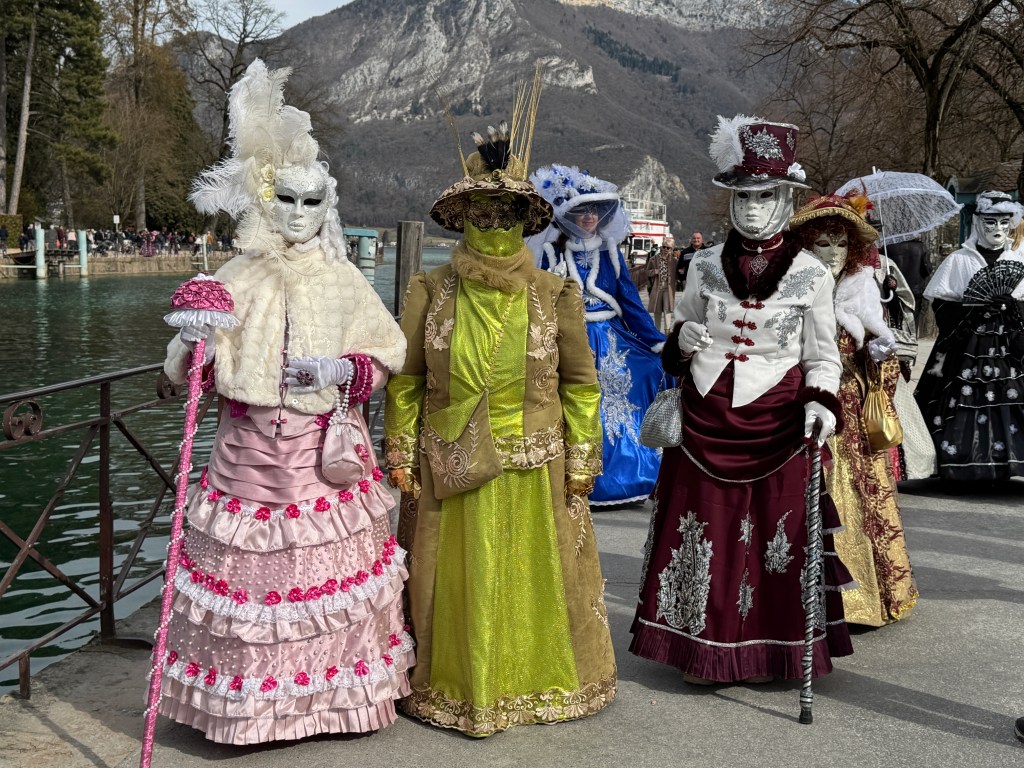
    Actors at the Carnaval Vénitien d’Annecy wear ornate Venetian masks and costumes, standing in front of Lake Annecy. (Photograph by Melodie Miller)
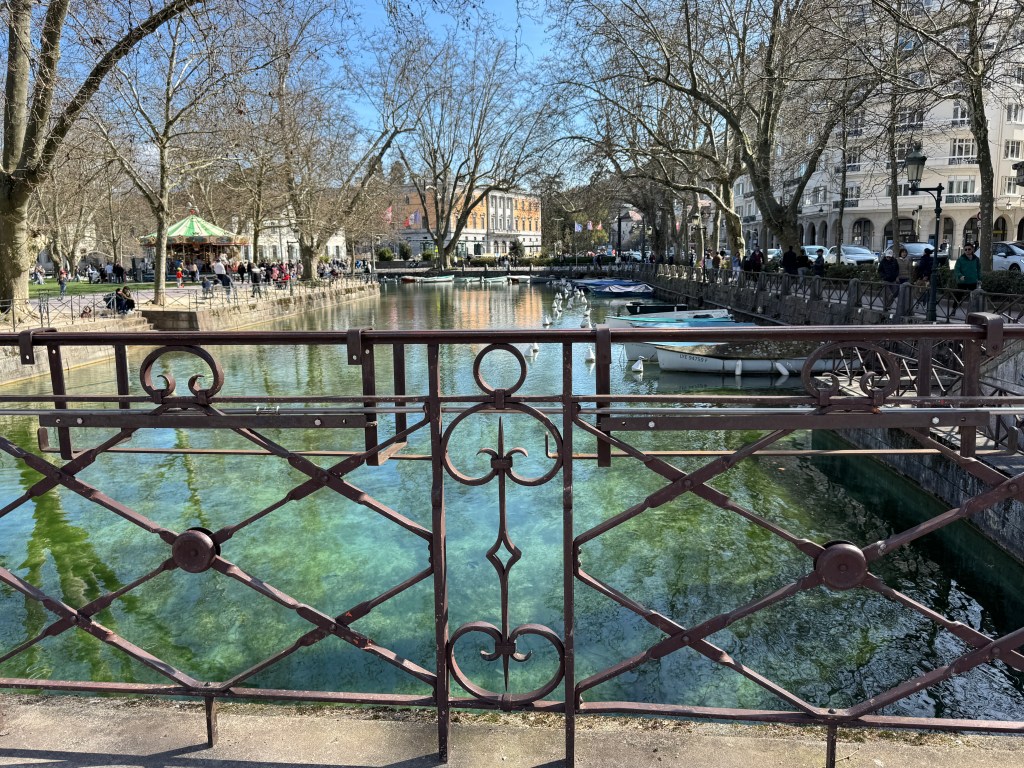
    Pont Albert Lebrun, Annecy, France (Photograph by Melodie Miller)
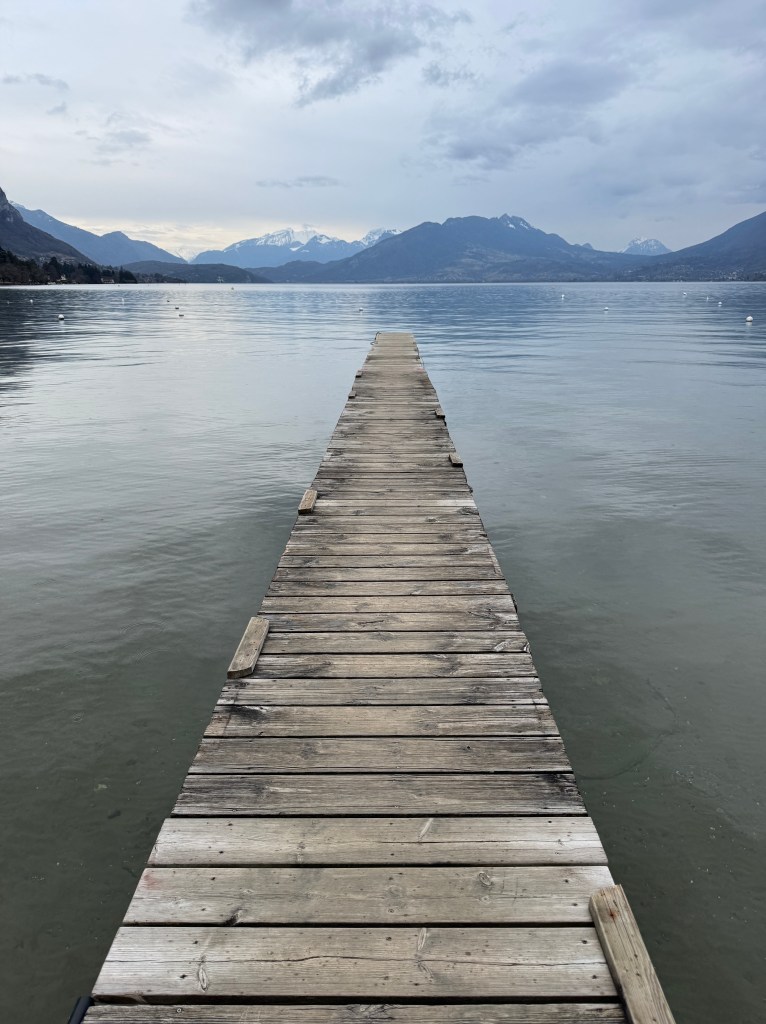
    Lake Annecy in Haute-Savoie, France, looking south toward the peaks of the Bornes Massif. (Photograph by Melodie Miller)
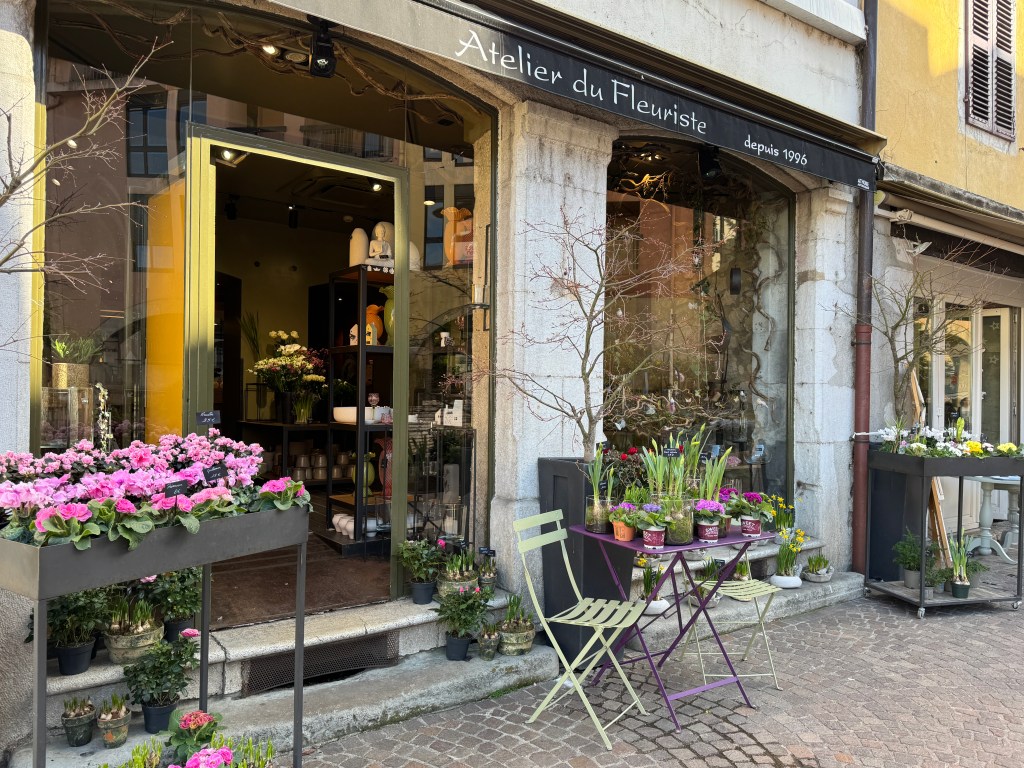
    L’Atelier du Fleuriste, Annecy, France (Photograph by Melodie Miller)
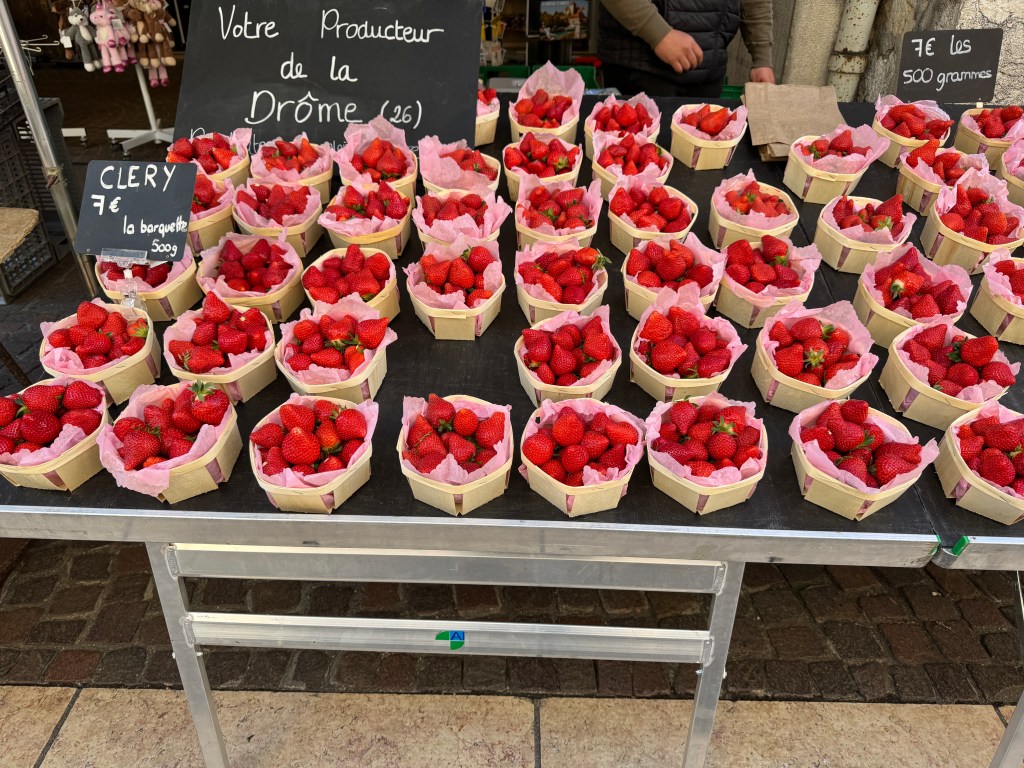
    Annecy, France, at the Sunday farmer’s market. (Photograph by Melodie Miller)
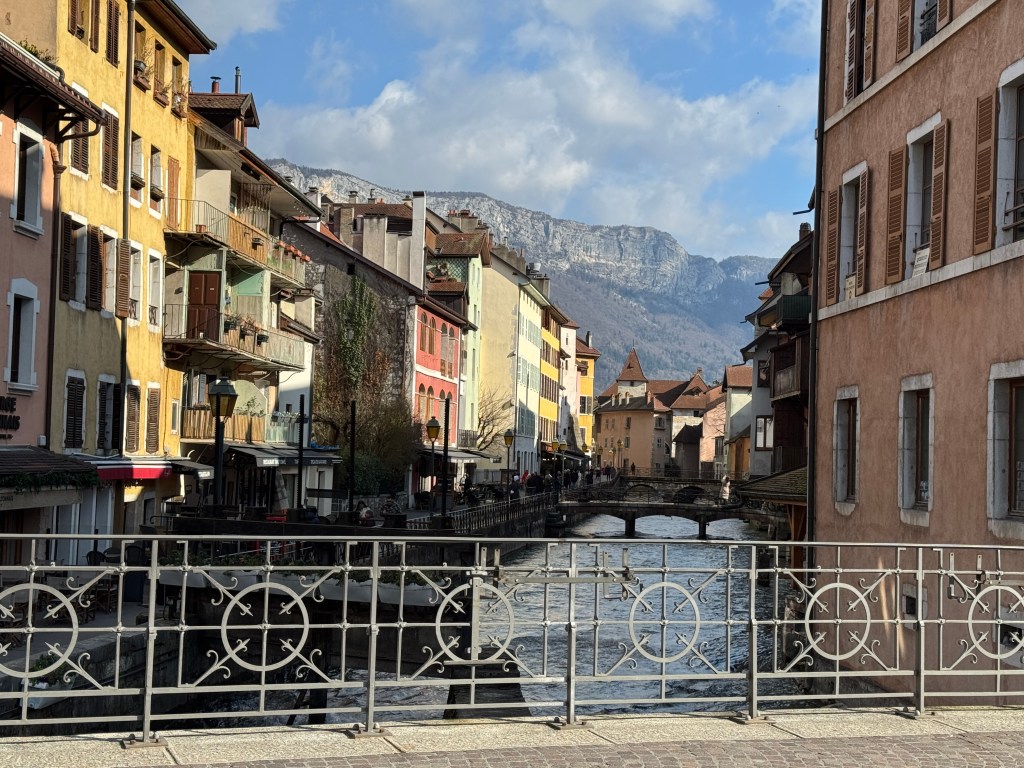
    Historical Old Town of Annecy, France. (Photograph by Melodie Miller)
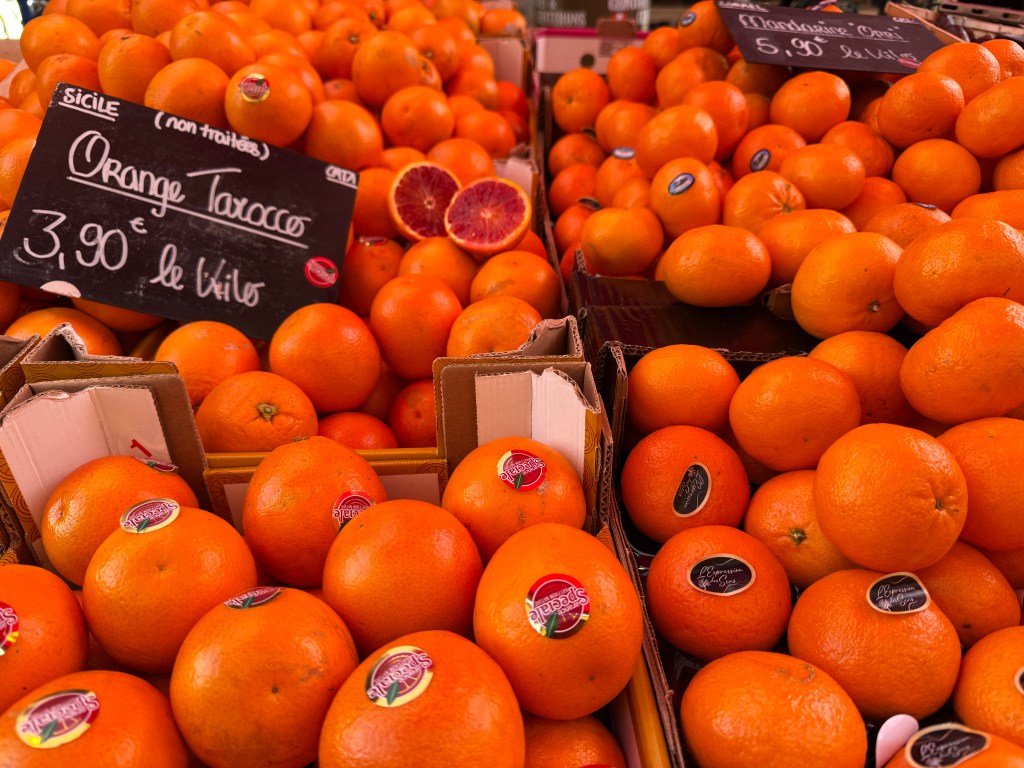
    Orange Taxacco at the Annecy, France, farmer’s market.(Photograph by Melodie Miller)
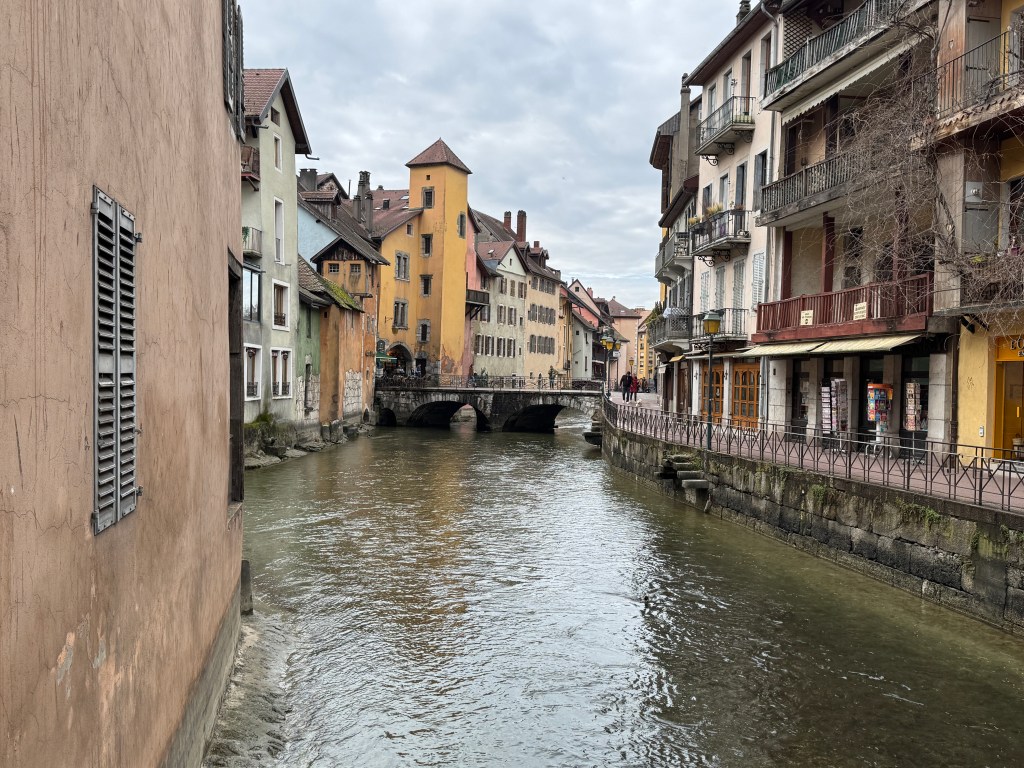
    Thiou River and canal area in the historical Old Town of Annecy, France. (Melodie Miller)
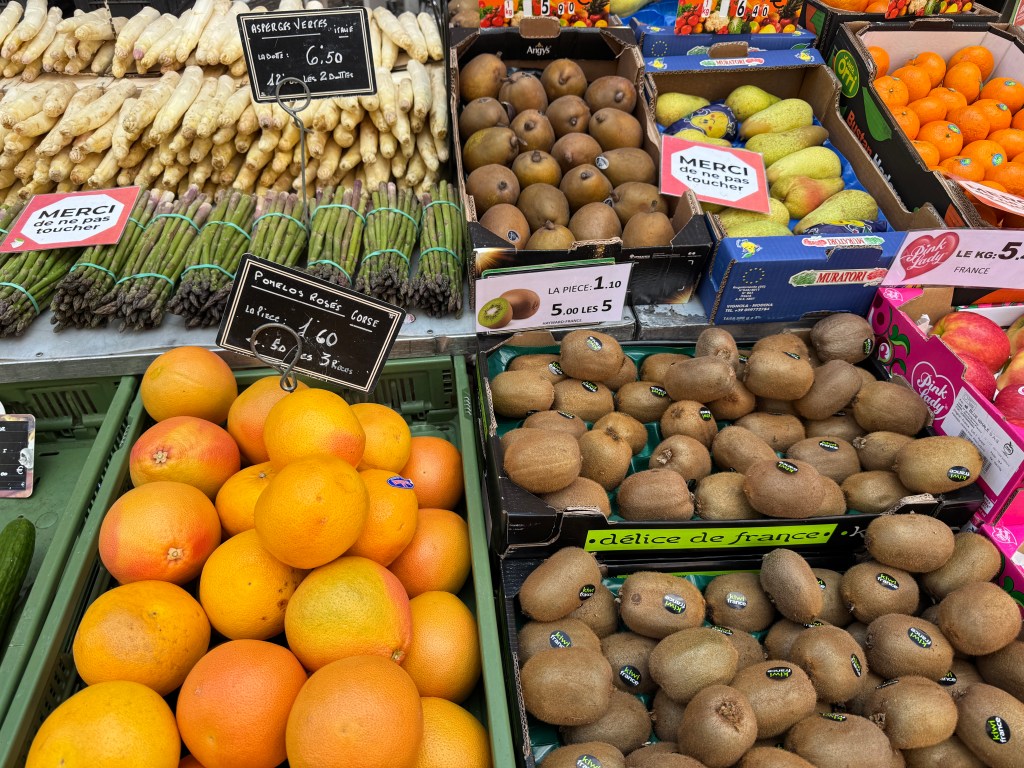
    In Annecy, France, the farmers’ market is full of delectable eats. (Photograph by Melodie Miller)
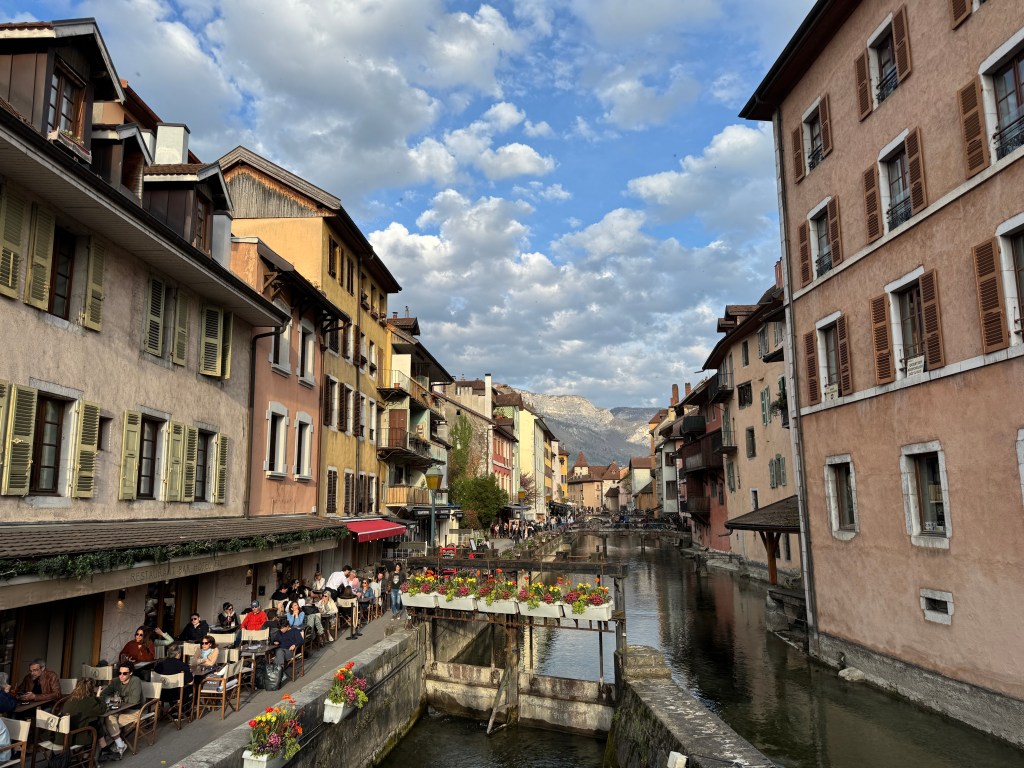
    Annecy’s Old Town, France, is lined with gastronomic delights. (Photograph by Melodie Miller)
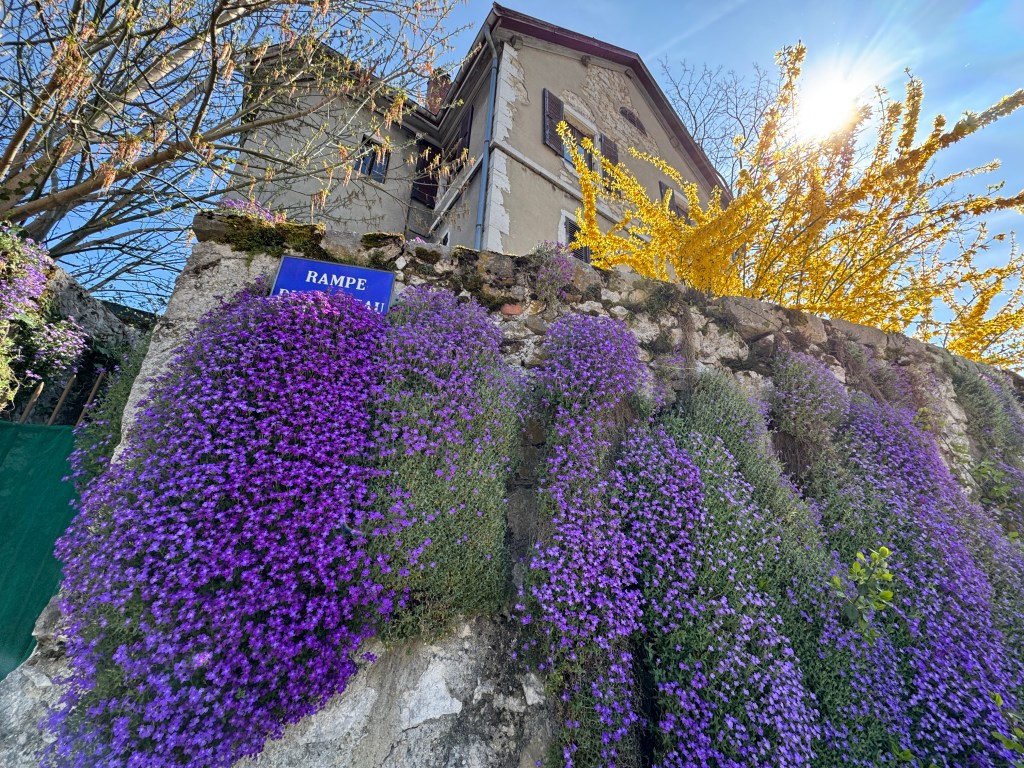
    Purple rock cress cascades from the stone wall below the Château d’Annecy. (Photograph by Melodie Miller)
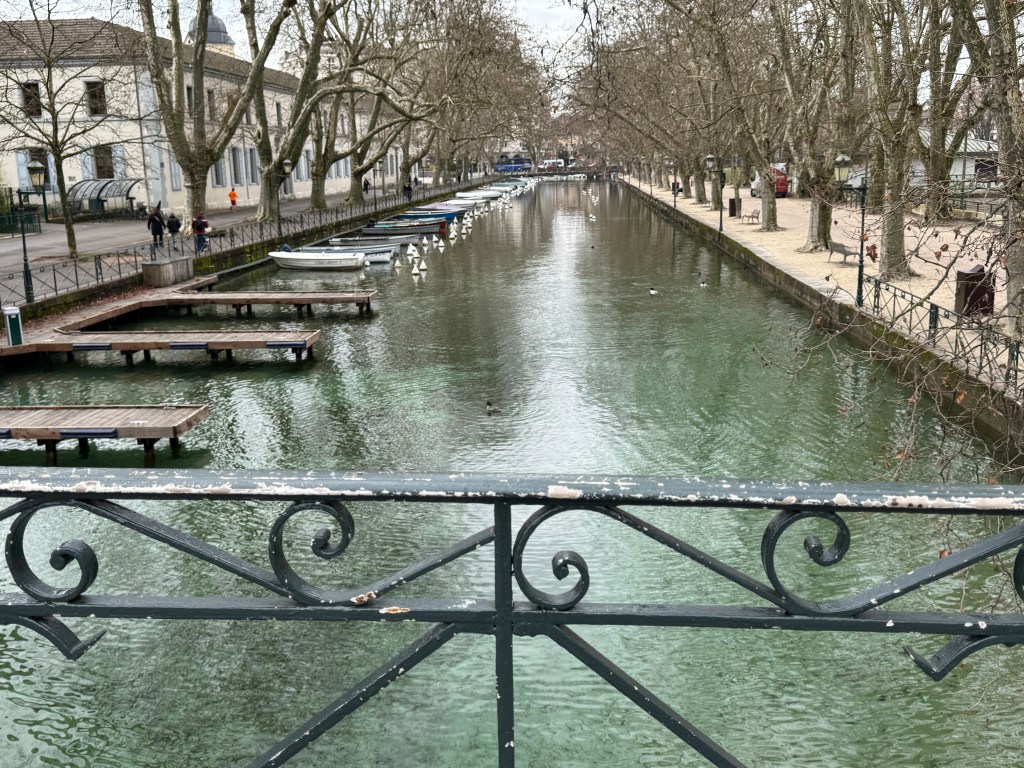
    The tree-lined waterway of the Canal de Vasse looking down toward the Pont des Amours in Annecy, France. (Photograph by Melodie Miller)
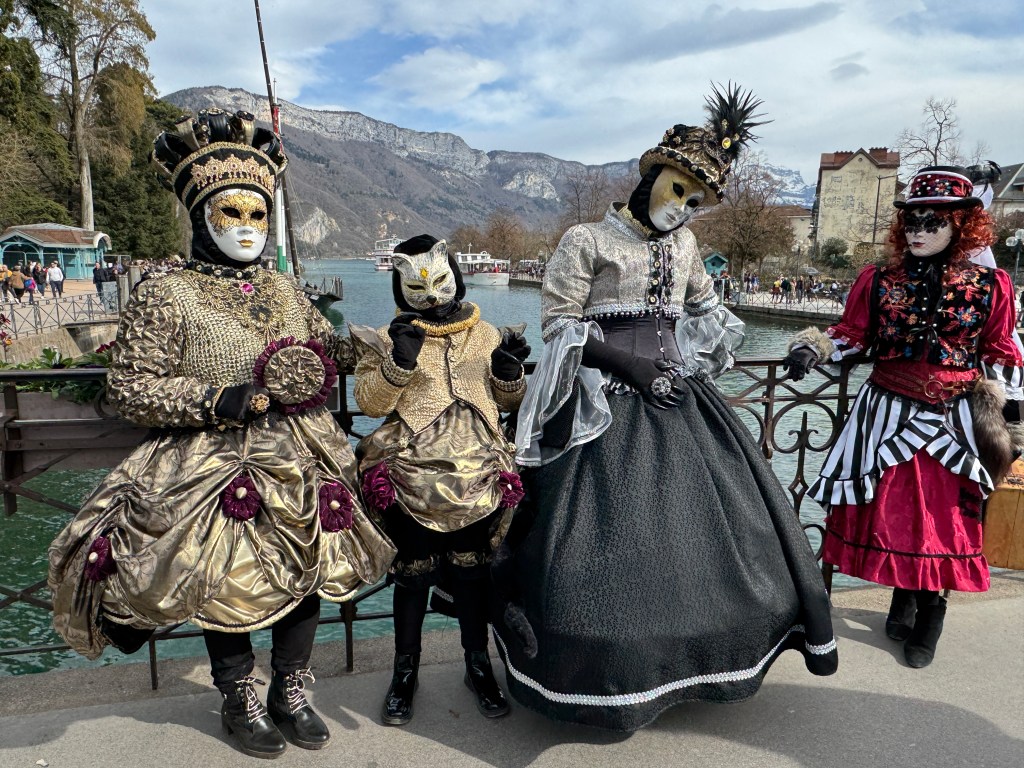
    Actors at the Carnaval Vénitien d’Annecy wear ornate Venetian masks and costumes, standing in front of Lake Annecy. (Photograph by Melodie Miller)
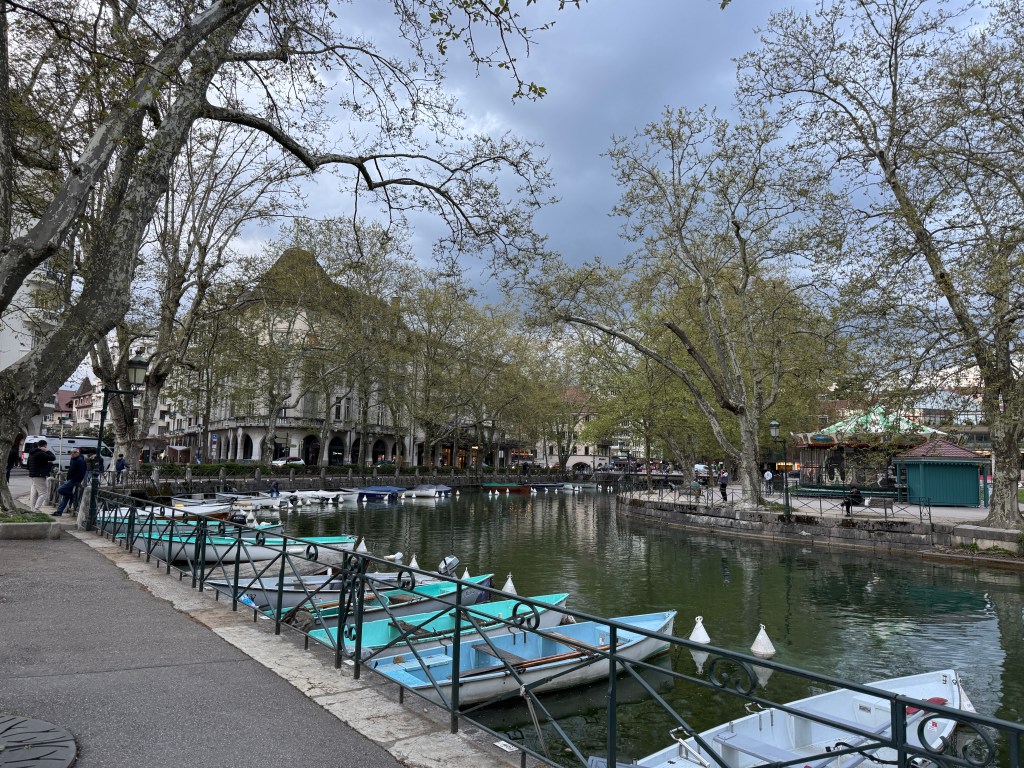
    Canal du Vassé, a calm waterway that links to Lake Annecy. The Jardins de l’Europe and Ponts des Amours are visible in the background. (Photograph by Melodie Miller)
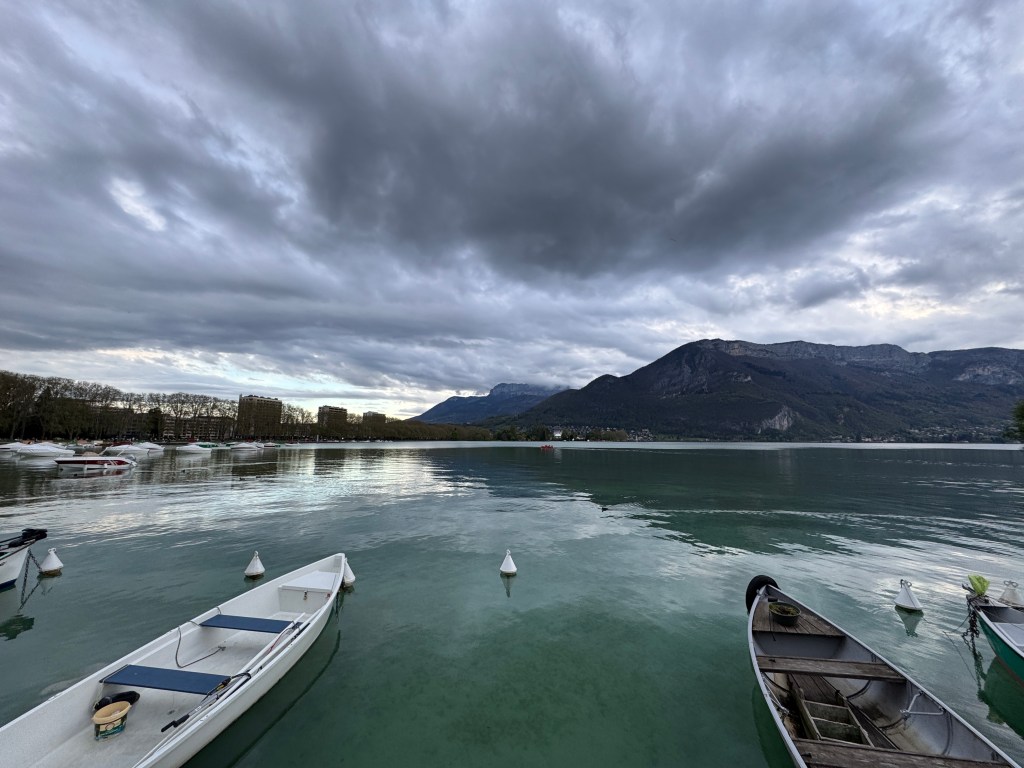
    Lake Annecy looking to the south. (Photograph by Melodie Miller)
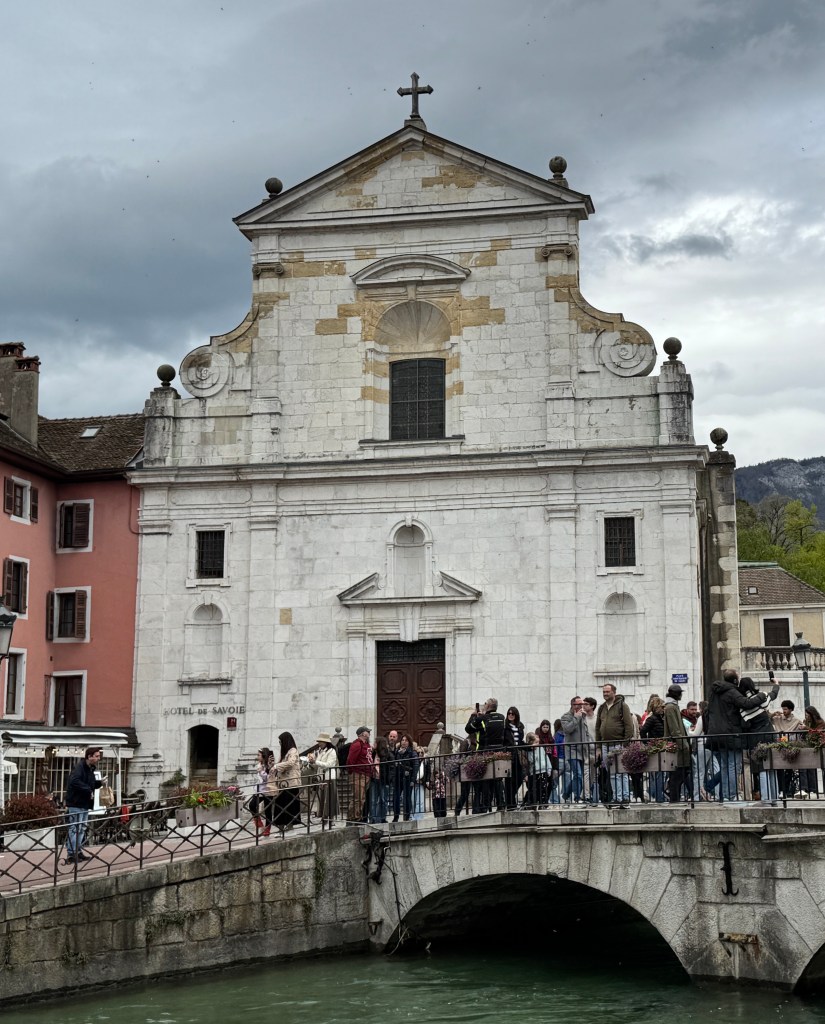
    Just 43 km (25 miles) from Annecy, Geneva became a strong hold of the Protestant movement. Rejecting the movement’s austerity, Saint François de Sales, a Roman Baroque-inspired Catholic church on the Thiou canal in Old Town Annecy, France, was built in 1642.

    Saint François de Sales exemplifies Counter-Reformation architecture that followed the Council of Trent (1545 to 1563), a response to the growth of Protestantism. Reformation called for more visible, emotionally engaging worship and sermons with a focus on clear sightlines to the altar. The hope was to bring people back to the Catholic church. (Photograph by Melodie Miller)
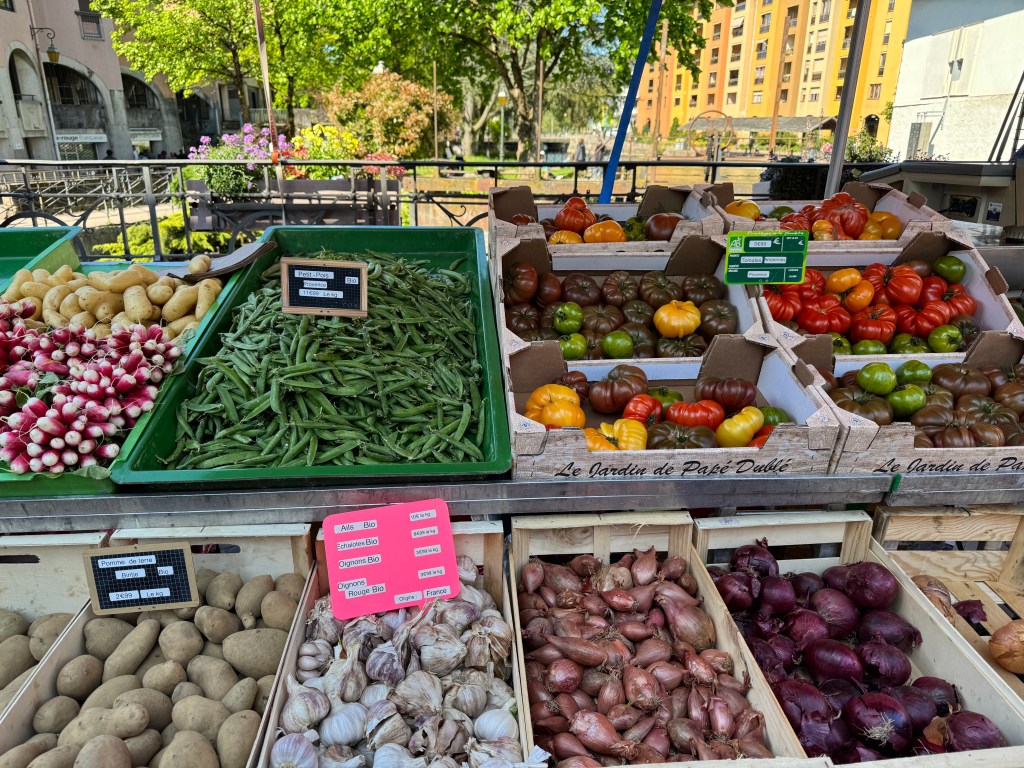
    Annecy, France, farmers market on a Sunday morning. (Melodie Miller)
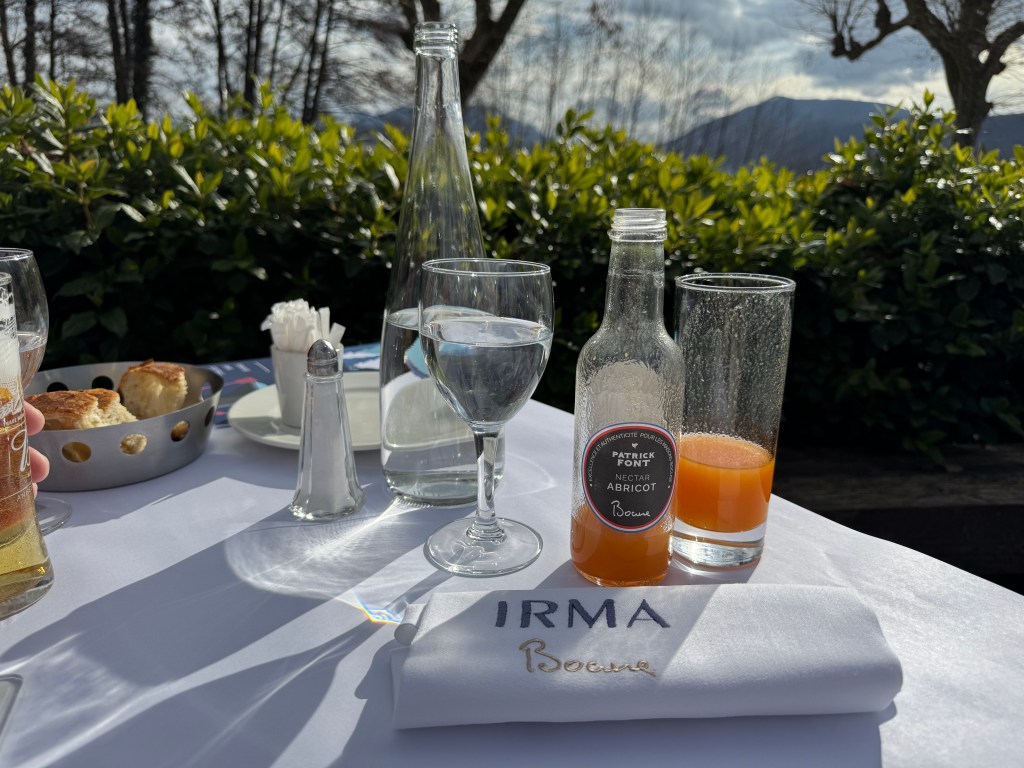
    Enjoying a glass of Patrick Font Apricot Nectar at the L’Impérial Palace, on Lake Annecy, France. (Melodie Miller)
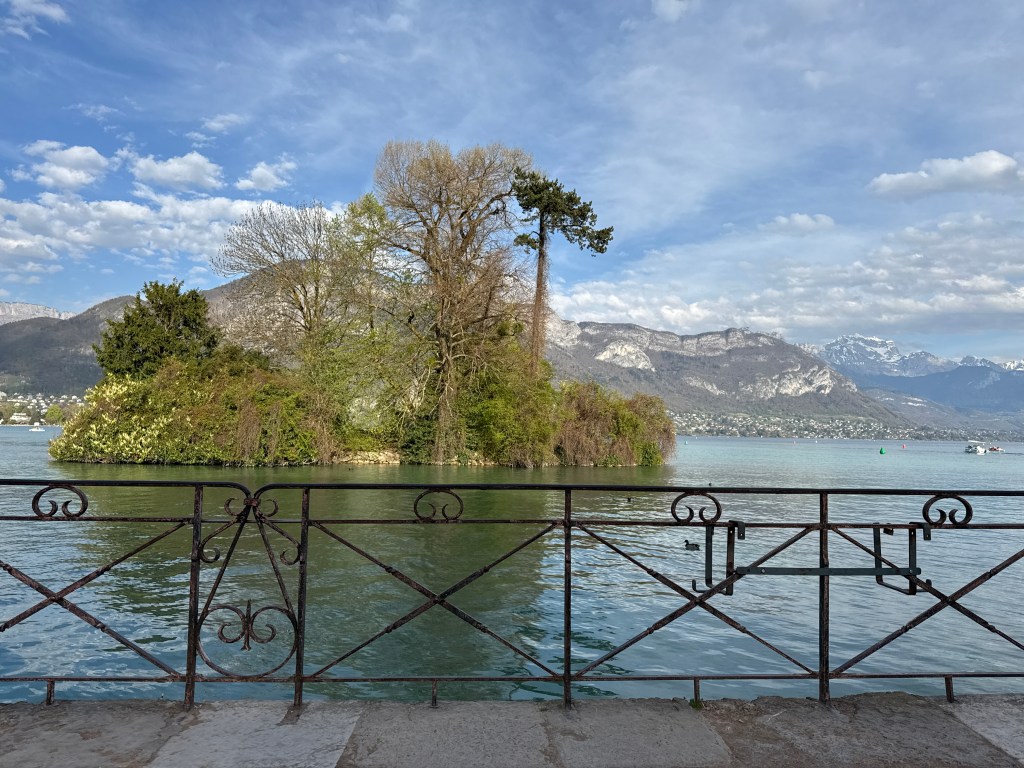
    Île des Cygne (Swan Island), Annecy, France (Melodie Miller)
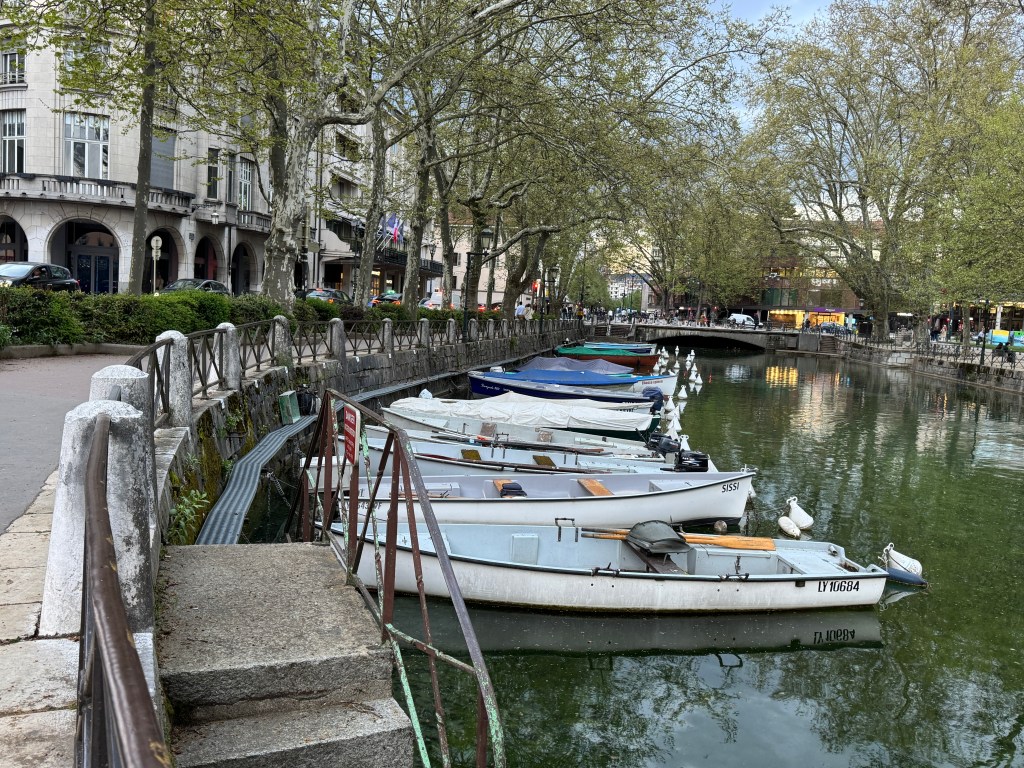
    Lake Annecy boat canal, Annecy, France (Melodie Miller)
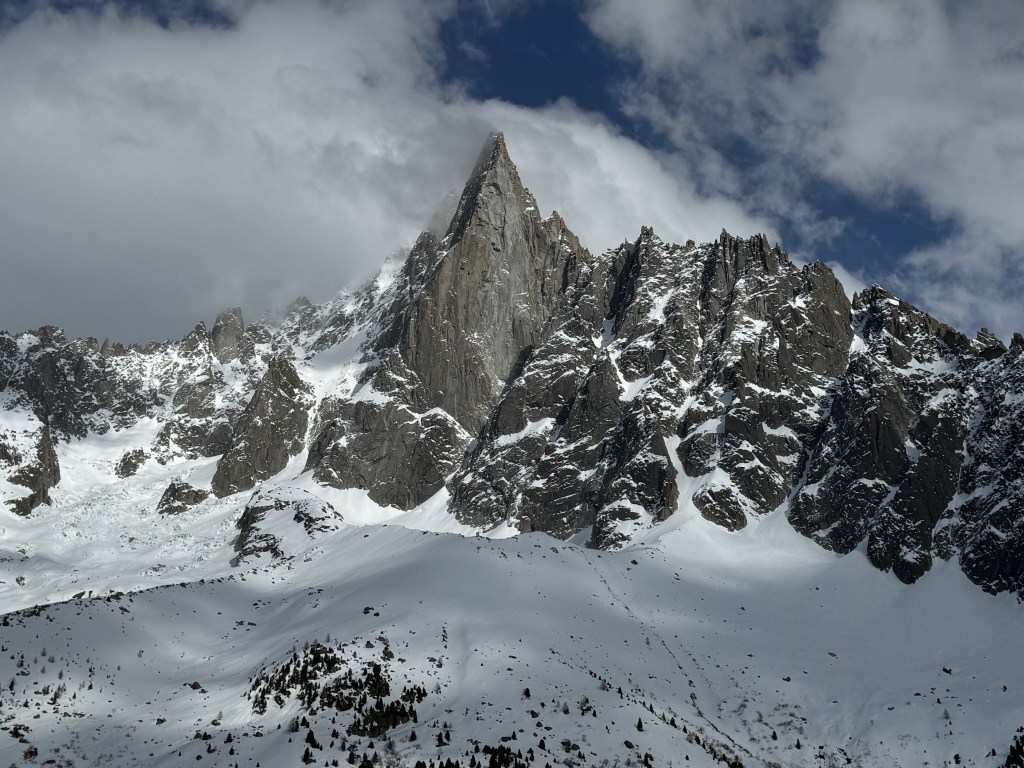
    The mountain Aiguille du Dru in the Mont Blanc massif of the French Alps. (Melodie Miller)
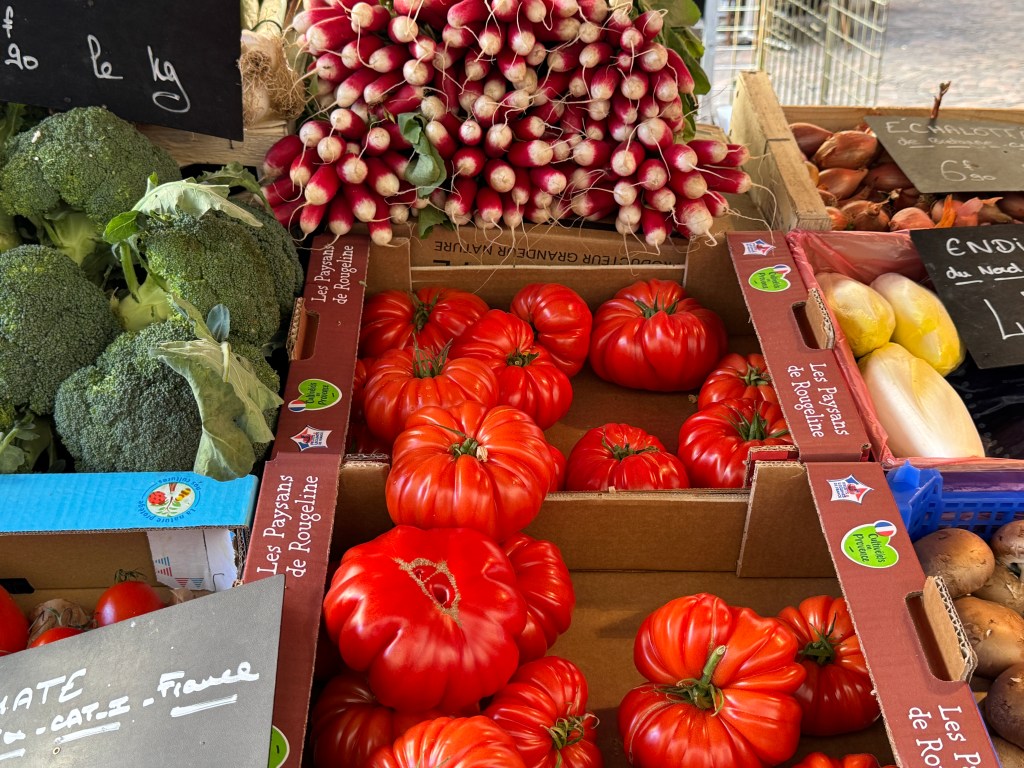
    Annecy, France, farmers’ market heirloom tomatoes. (Melodie Miller)
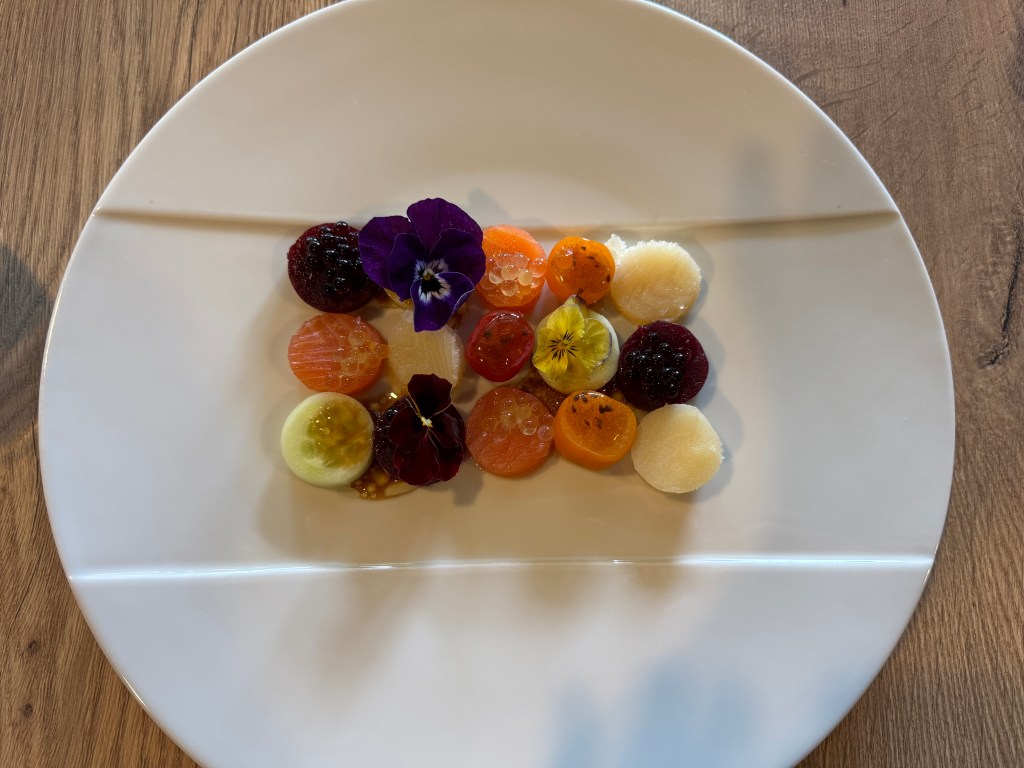
    La Tavern de Pontverre, Lovagny, France (Melodie Miller)
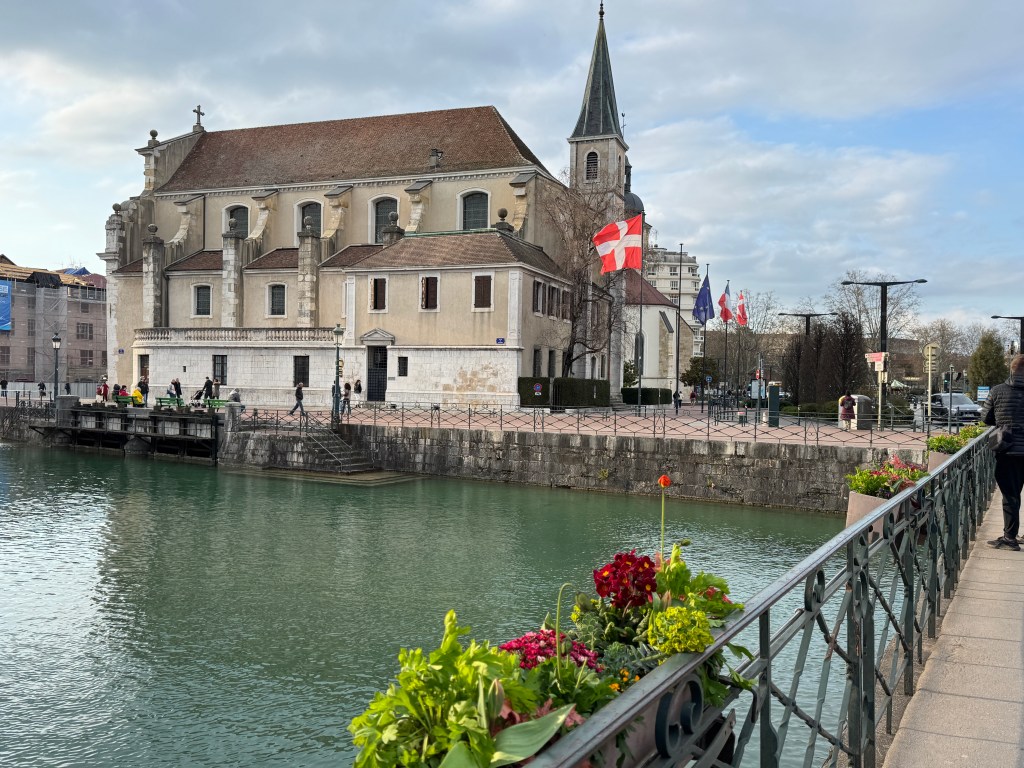
    Église Saint-François de Sales, a Baroque-style Catholic church dating to 1642 in Annecy, France. (Melodie Miller)
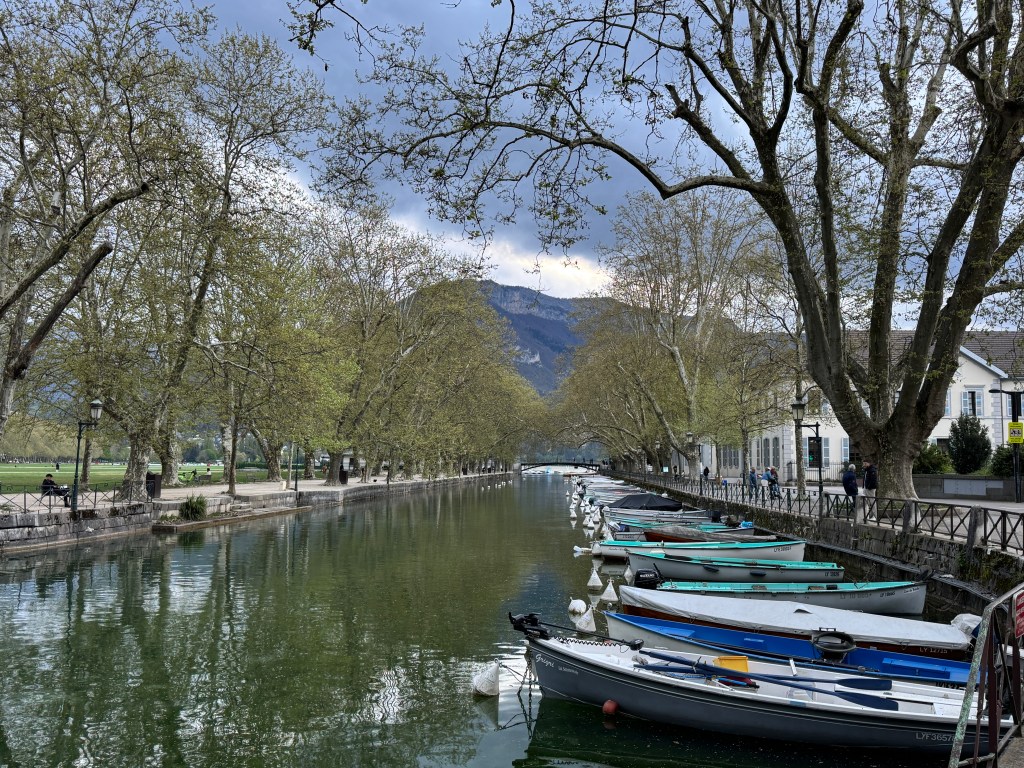
    Lake Annecy boat canal, Annecy, France (Melodie Miller)
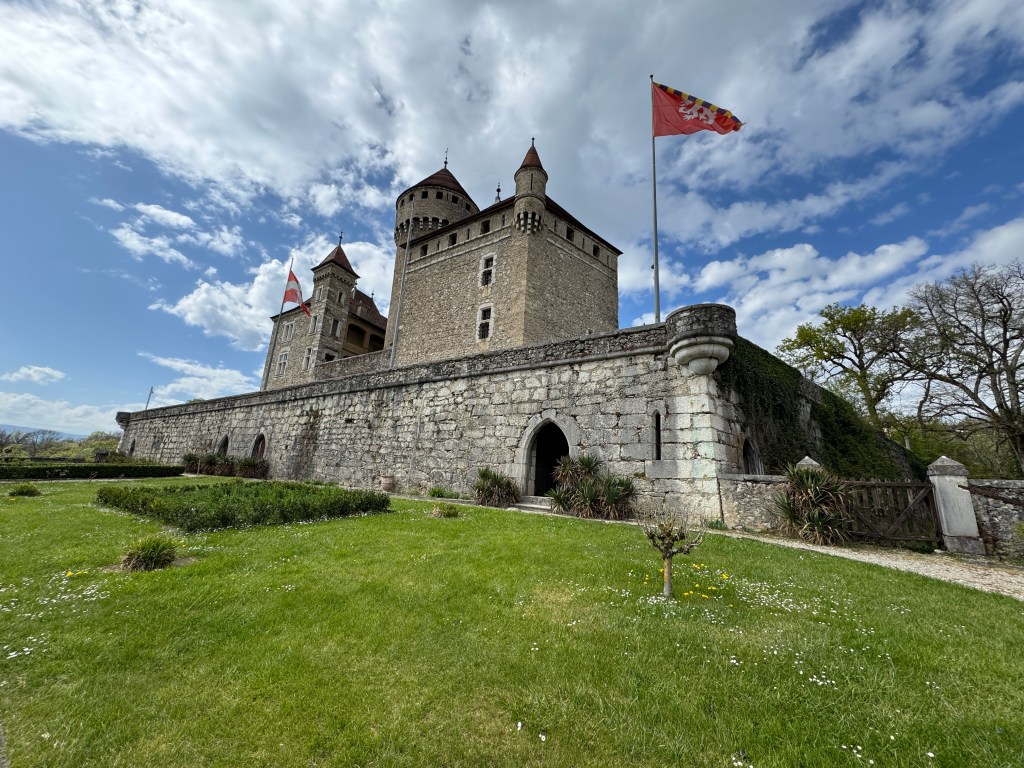
    Château de Montrottier, Annecy France, (Melodie Miller)
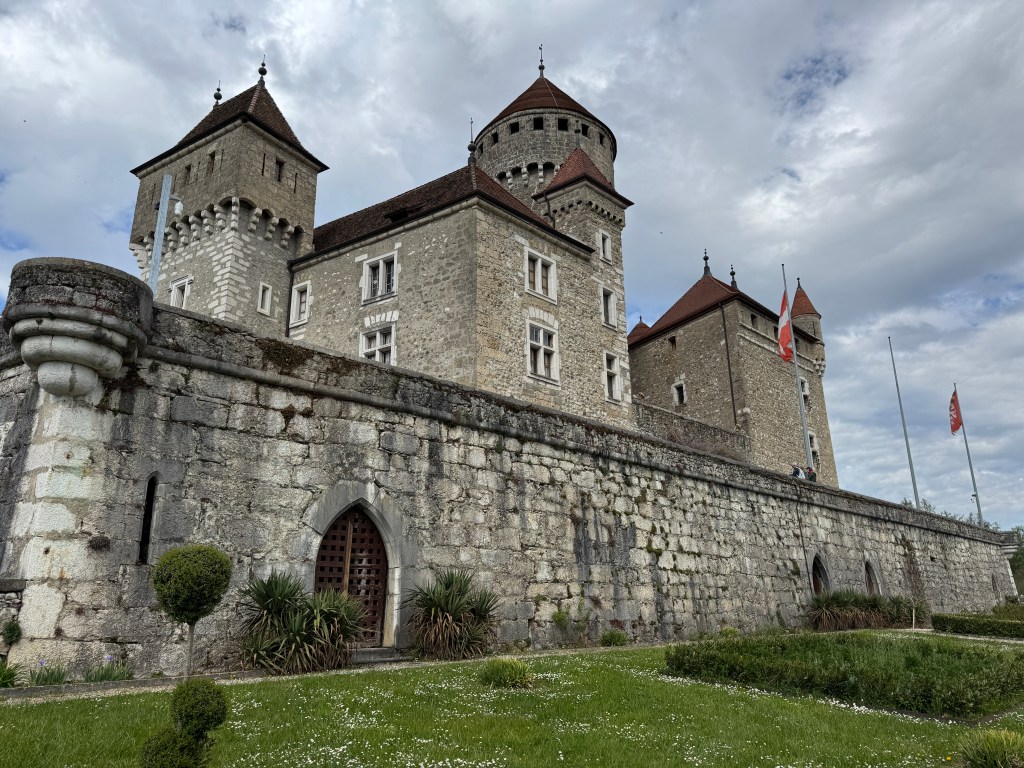
    Château de Montrottier, Annecy, France (Melodie Miller)
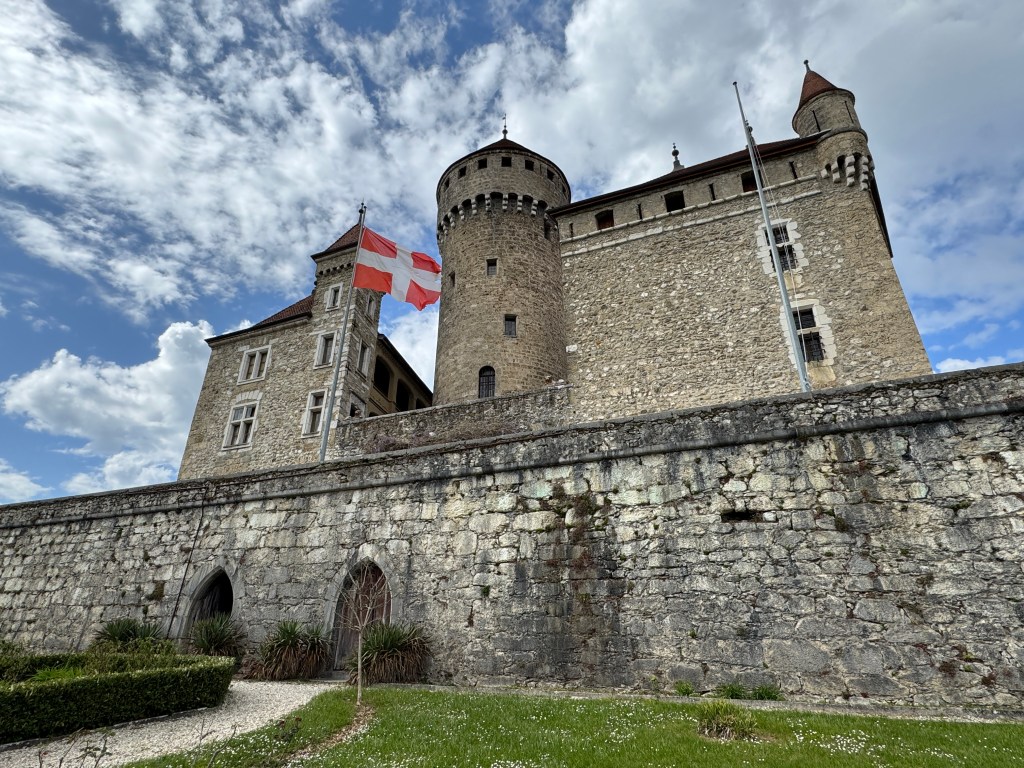
    Château de Montrottier, Annecy, France (Melodie Miller)
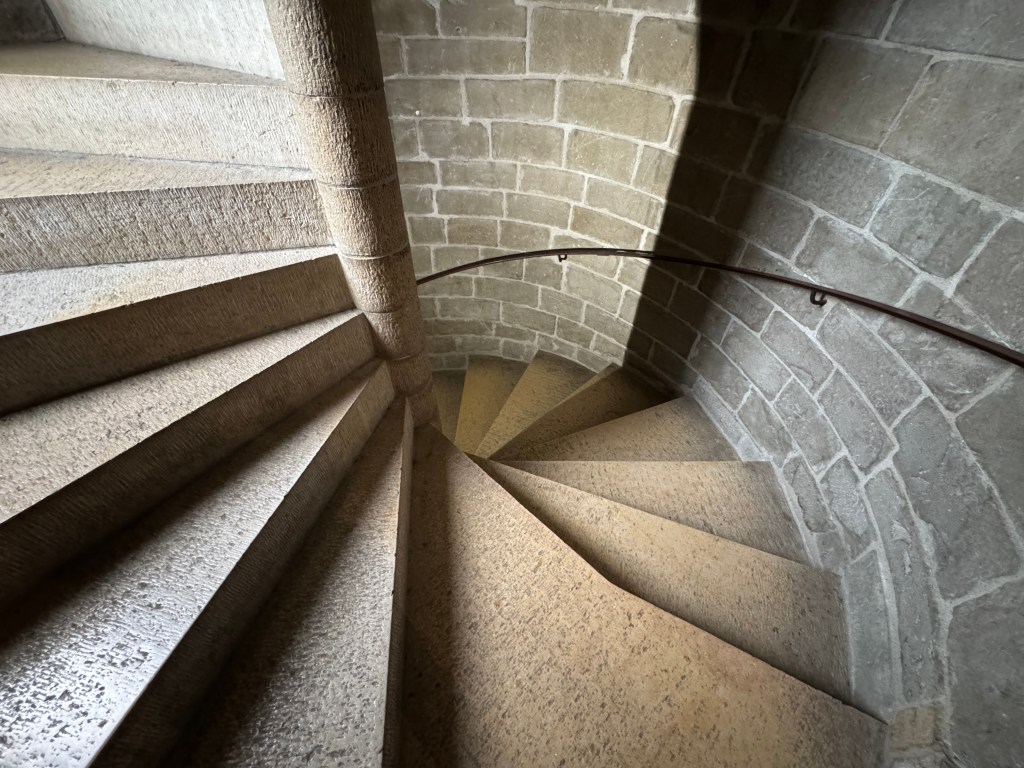
    Château d’Annecy, Annecy, France (Melodie Miller)
  • The Gothtopian Island of Mont-Saint-Michel, France

    A creative nonfiction experience.

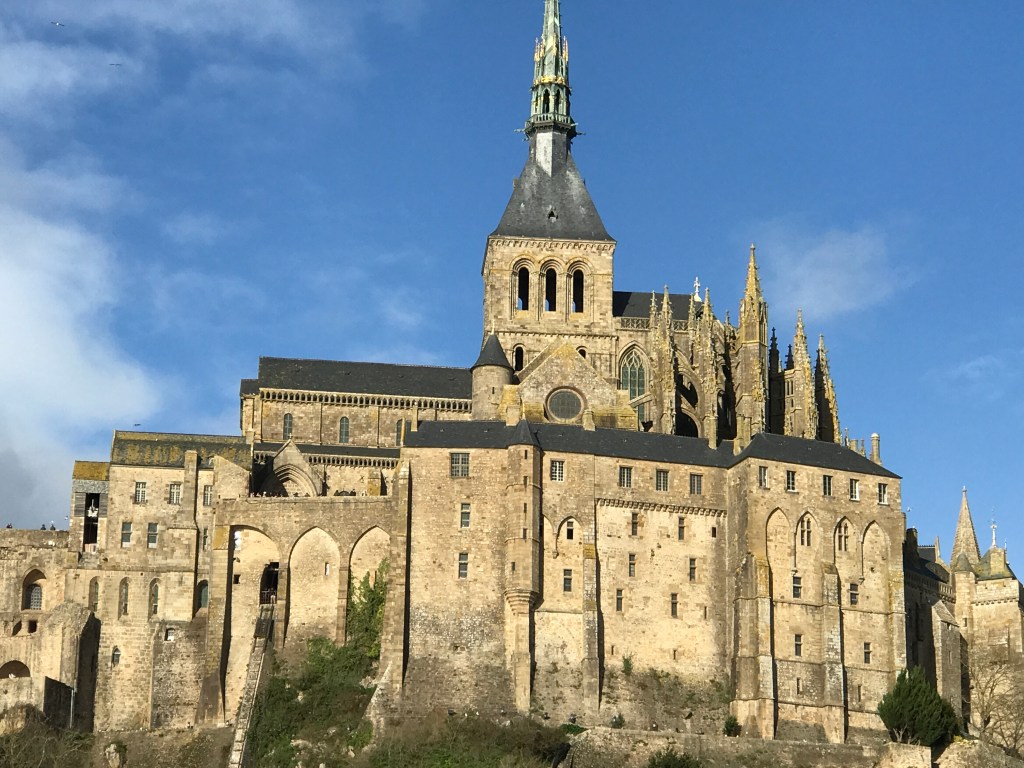
    I paused along the moss-clad path to Gothtopia’s altar, where worship lingered like incense in the ghostly ruins of Saint Michel’s basilica in Normandy. The damp perfume of aged wood and stone breathed through the centuries, pulling my soul through time’s fragile veil. I stepped first into the monastic refuge of 966 CE—then onward into the cold, stone prison of King Louis XI in 1472.

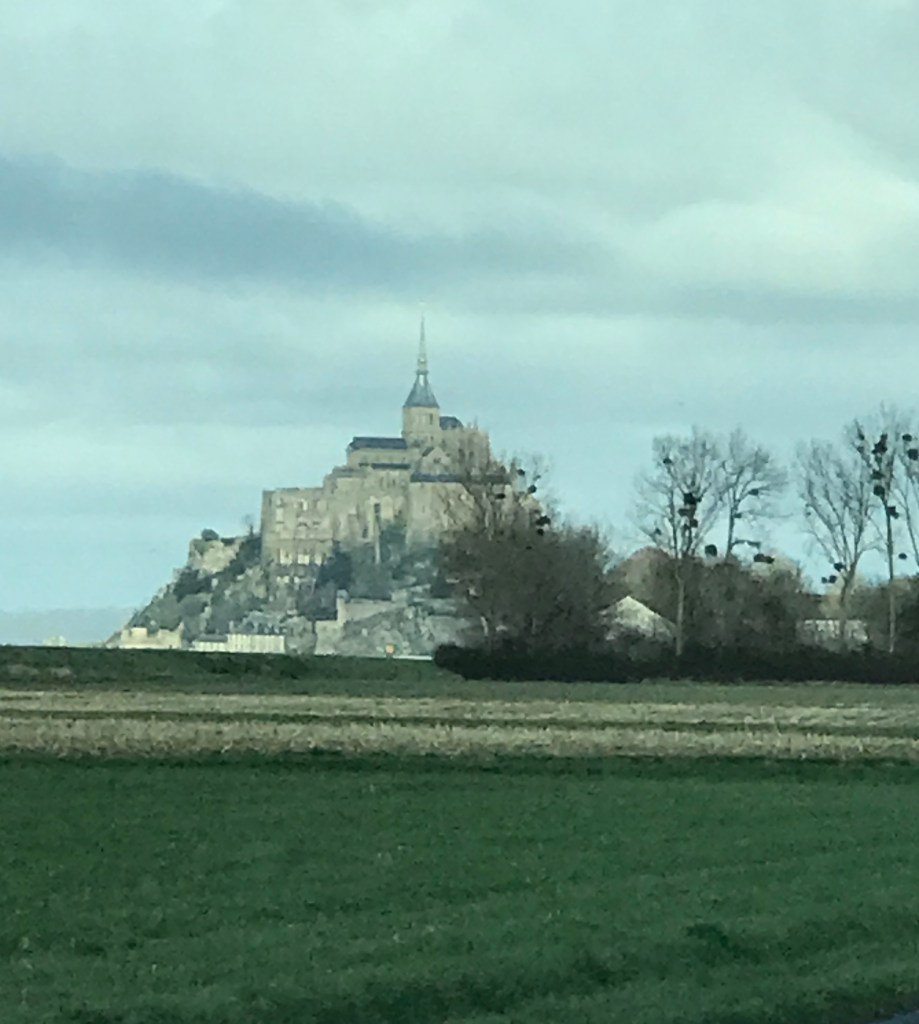
    Mont Saint-Michel, France (Melodie Miller | Photographer)

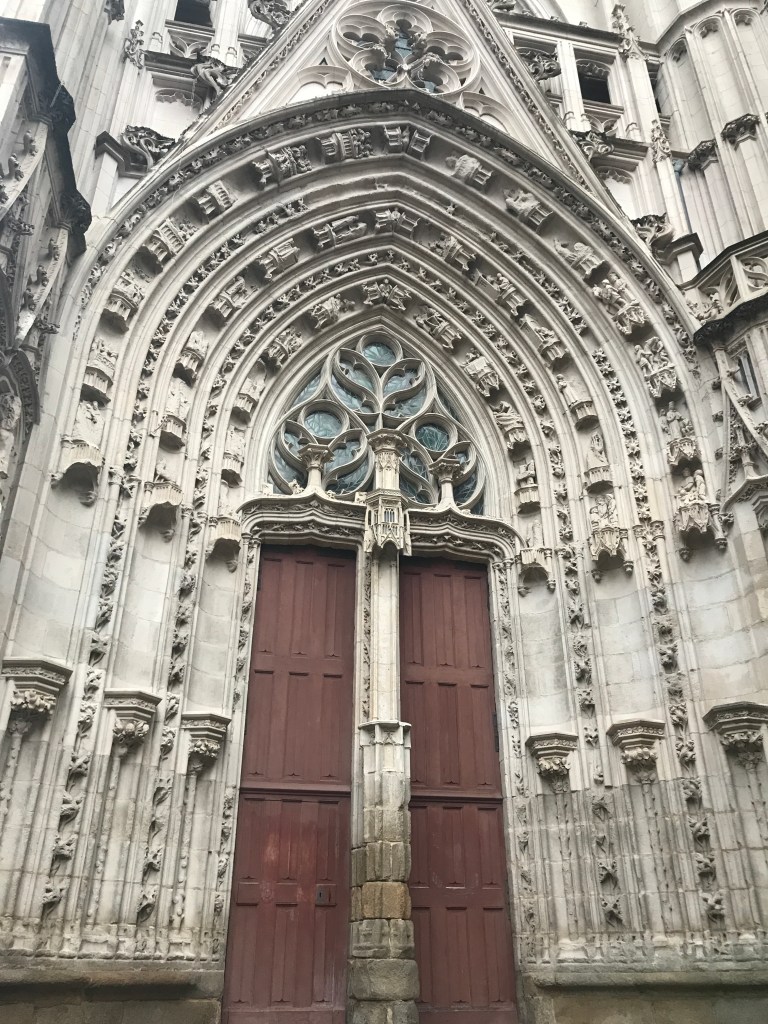
    The spirits of the exiled citizens whispered, “Run away,” yet I pressed forward. In the distance, the unforgiving door stood resolute, its distressed, burnt Tuscan auburn frame glinting beneath a lacquered sheen of blood-red defiance.

    Mont Saint-Michel, France (Melodie Miller | Photographer)

    A procession of artifacts drifted down the path, motionless yet advancing, as if carried by memory. Coordinates flickered across the heads-up display of my spectacles—longitude, latitude, fragments of direction. I had left my map on the battlefield, and my phone no longer held a charge. Though I was not truly lost, the world had misplaced me.

    Mont Saint-Michel, France (Melodie Miller | Photographer)

    The red lacquer door, a relic of a final warning, roared, “Open me!” Its cry rang like swords clashing in the hands of dying warriors. “The end is near,” it whispered in silence, the relic’s cruel souvenir. “The enemy offered no home advantage,” I answered, defiant against its echo.

    Mont Saint-Michel, France (Melodie Miller | Photographer)

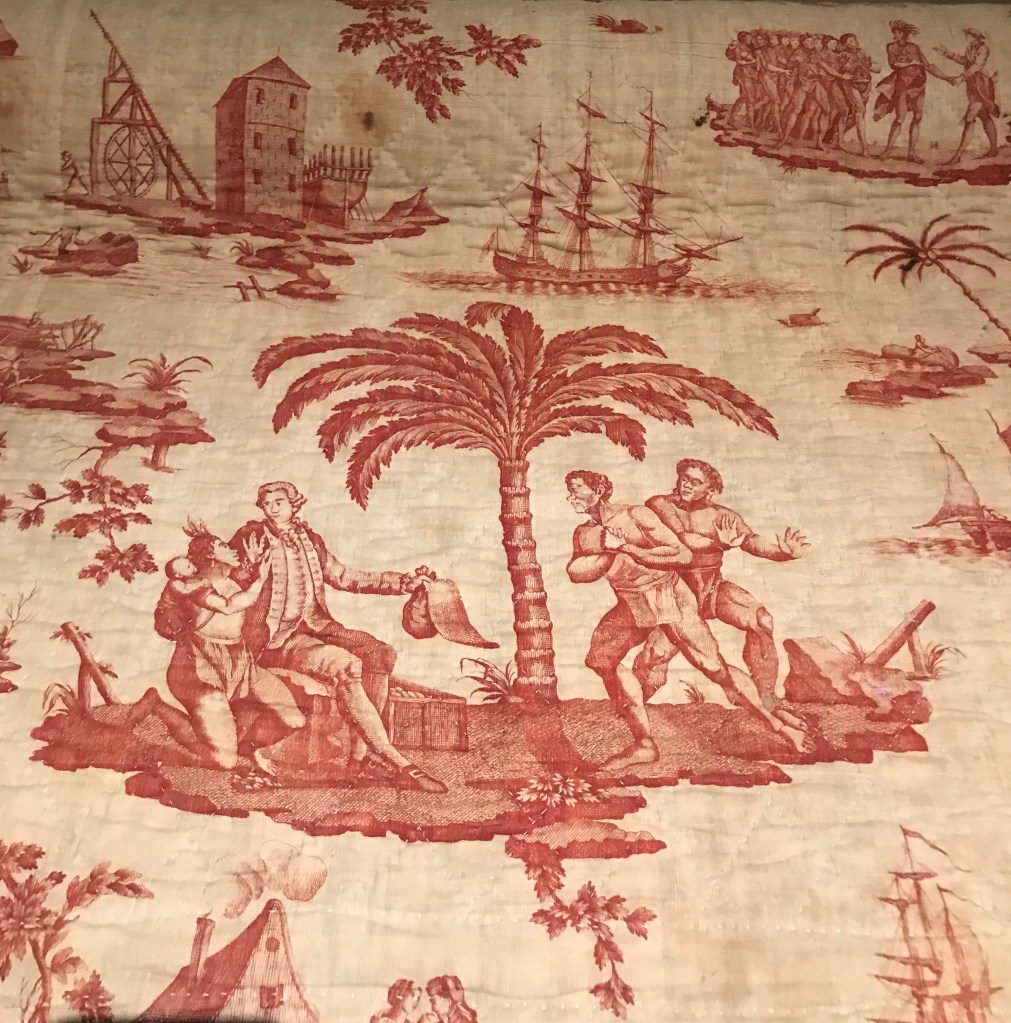
    The unconscious masters ignored the printed enslaved, who begged for release from the fabric that bound them. I saw in the image a colonial warning—a reminder not to forget the past. I thought of the forced integration that tore children from their former lives as they boarded those buses. Their spirits have long since vanished, erased as characters and forgotten by their teachers and the system that failed them.

    Mont Saint-Michel, France (Melodie Miller | Photographer)

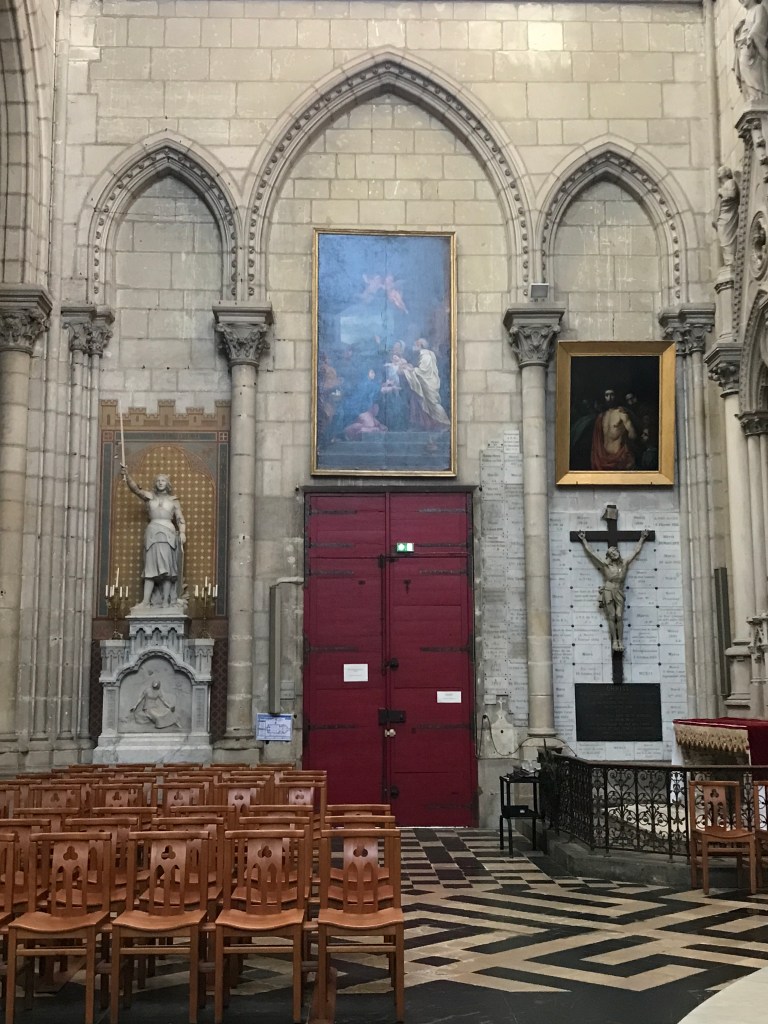
    Along the path, a messiah sat upon a fractured altar, her voice trembling as she called out for an apostle to gather the faithless flock. Her sword and wings—tattered, torn, and trembling—beat helplessly against the cold, mechanical wind of capitalistic dominion that had ruled over Gothtopia.

    Mont Saint-Michel, France (Melodie Miller | Photographer)

    As I drew near the altar, the hollow glass candles began to shatter under the prophet’s resonant cries. Razor-edged shards clashed around me. From below, the unfeeling Holy Mother wailed—a menacing summons that chilled the marrow of my faith.

    Mont Saint-Michel, France (Melodie Miller | Photographer)

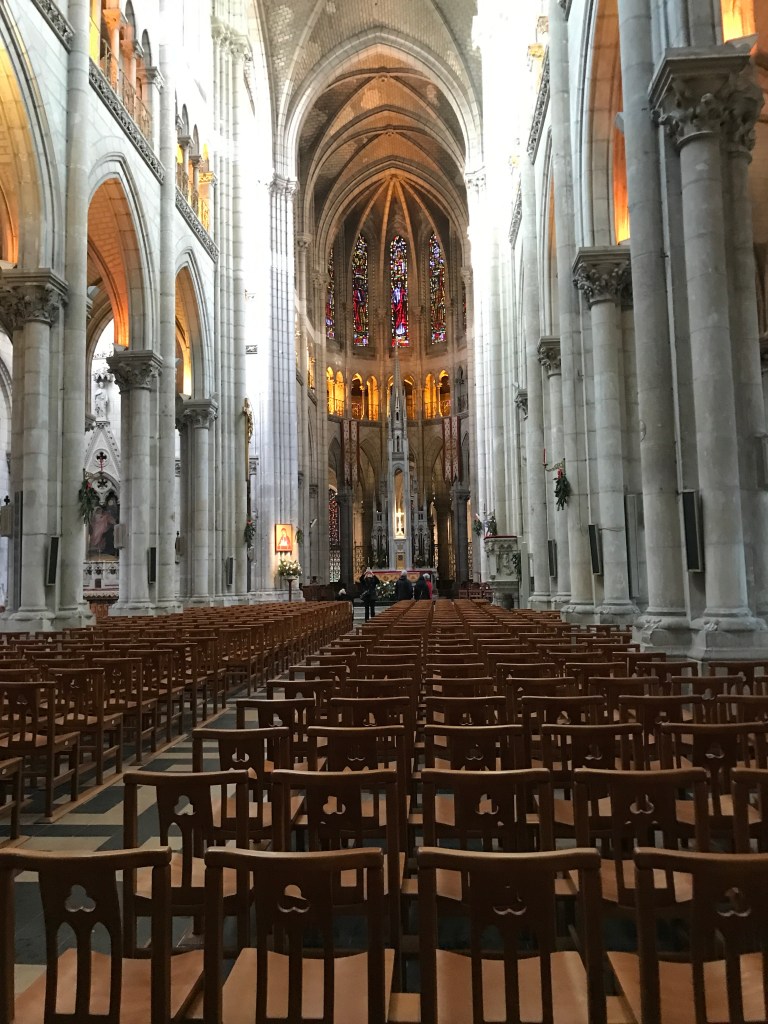
    Through the monolithic arches, I saw the basilica—its nave filled with abandoned chairs, now nests for birds that had long forgotten how to fly. The Benedictine monks of 1790 CE were driven from the abbey by the revolutionaries, who also abolished the lettres de cachet, sealing the end of an era in French history.

    Mont Saint-Michel, France (Melodie Miller | Photographer)

    The altar walls, built from the skeletons of time, stood weathered and decaying beneath the assault of the salt-laden sea air. I knelt before the new god of technology, awaiting the signal that would permit the ritual, the digital incantation demanded by faith’s replacement.

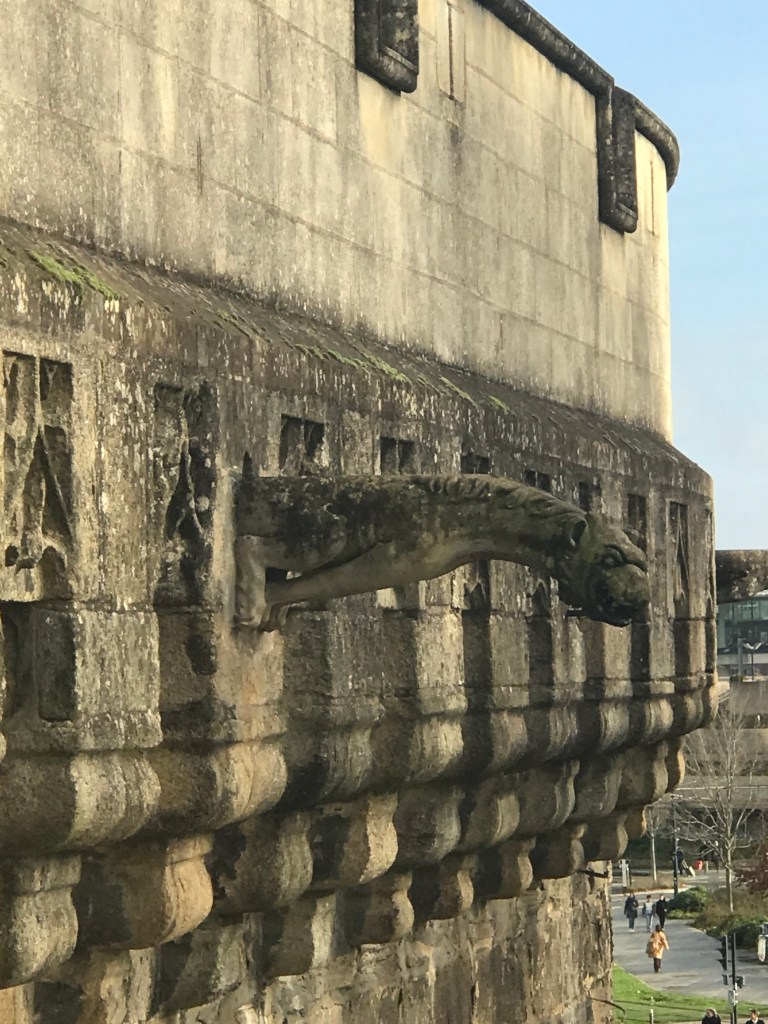
    Around me, green moss and a viscera of pollution writhed through the mechanical vastness of the future, twining with the Messiah’s torn wings. Nearby, a self-adoring granite gargoyle hovered mockingly, its once sacred symbol of fertility now a caricature of its conceit.

    Mont Saint-Michel, France (Melodie Miller | Photographer)

    Razor-sharpened wrought-iron impalers stood in place like sentinels, their blackened stocks recalling the disappeared fallen heads of statesmen. The tattered public servants gazed on from the gallery, trapped in an echo of the past. Their ghosts, condemned to linger in the gallery, watch as history repeats itself. A vessel of broken time, the basilica endures its shattered moments. Her remembrance, reflected in graven images of the memory of Saint Michel and in the minds of the pilgrims.

    Mont Saint-Michel, France (Melodie Miller | Photographer)

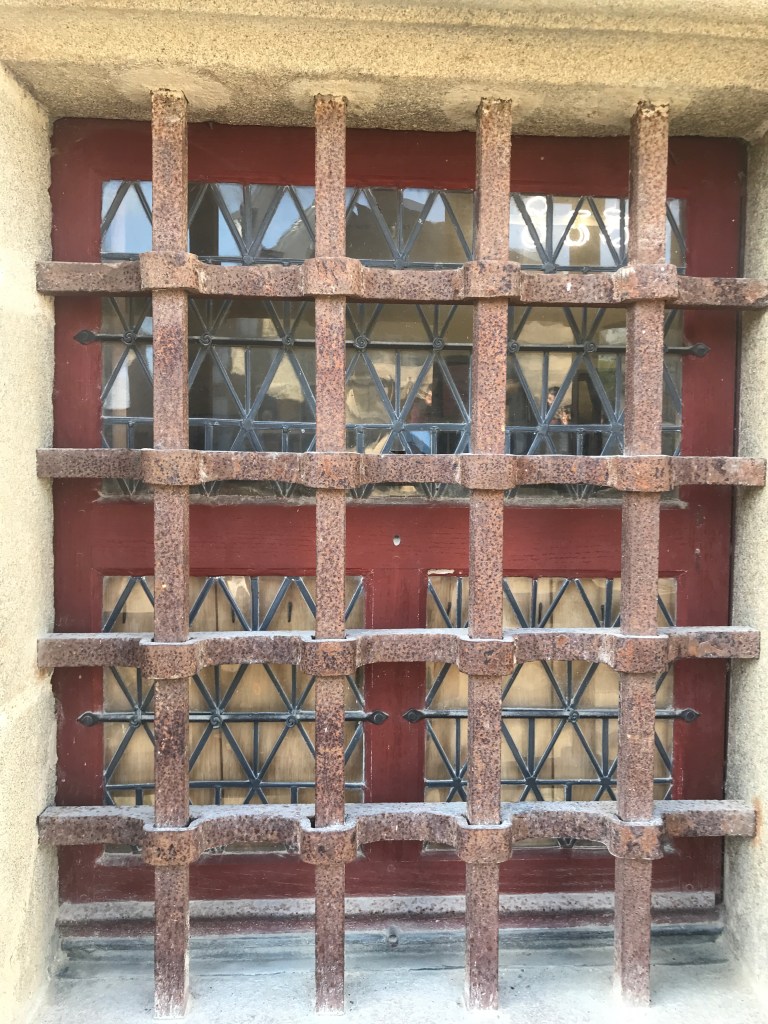
    The vacant wrought-iron bars framed a prophecy: our daily debts are the rations earned through the labors of hope, fragile offerings, easily crushed by a king’s will. Lettres de cachet once sanctioned imprisonment or death without trial within Mont-Saint-Michel’s shadowed Gothtopia. Yet, in bitter irony, this violation of justice preserved the abbey from utter ruin.

    Mont Saint-Michel, France (Melodie Miller | Photographer)

    As I turned to leave, the narcissistic ghosts gathered—unseen yet impenetrable—blocking the windows and door. They pulsed with vibrations drawn from the basilica’s menacing past, its walls still breathing history. One by one, the apparitions released their lethal cargo of memories upon the living below—those drifting through their holidays, blissfully unaware, unwilling to remember.

    Mont-Saint-Michele, Normandy, France

    Mont-Saint-Michel, Normandy, France – History

    Visit Mont-Saint-Michel, Normandy, France