A reimagining of Chris Marker’s Junkopia, short film shot in the Emeryville Mudflats of northern California. Story written by Melodie Miller.
I walked with hesitation down the path towards the Junktopia Alter, a place of worship that guarded The Great Bridge.

From Junkopia – A short film by Chris Marker | Courtesy of Criterion and Youtube
A montage of artifacts walked the pathway without moving a muscle. The longitude and latitude flashed transparently in the heads-up display of my spectacles.
From Junkopia – A short film by Chris Marker | Courtesy of Criterion and Youtube
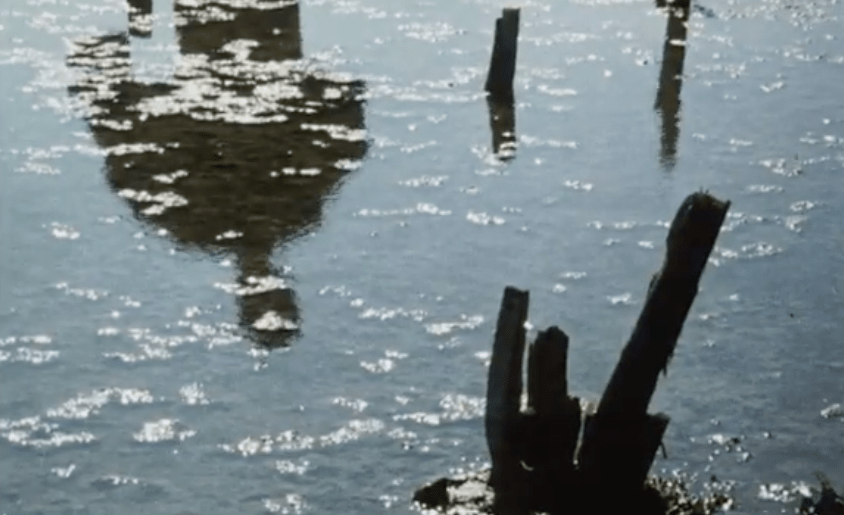
I imagined the smell of lavender hovering in the bay.
From Junkopia- A short film by Chris Marker | Courtesy of Criterion and Youtube
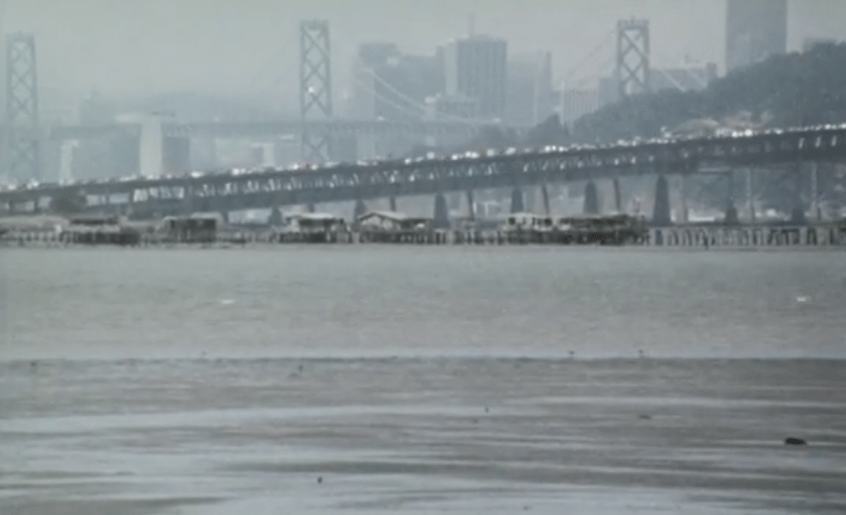
In the distance the Bridge stood colorless, in need of recognition of its emptiness.

From Junkopia- A short film by Chris Marker | Courtesy of Criterion and Youtube
The memory hurled me to the day The Great Bridge almost collapsed.
From Junkopia – A short film by Chris Marker | Courtesy of Criterion and Youtube
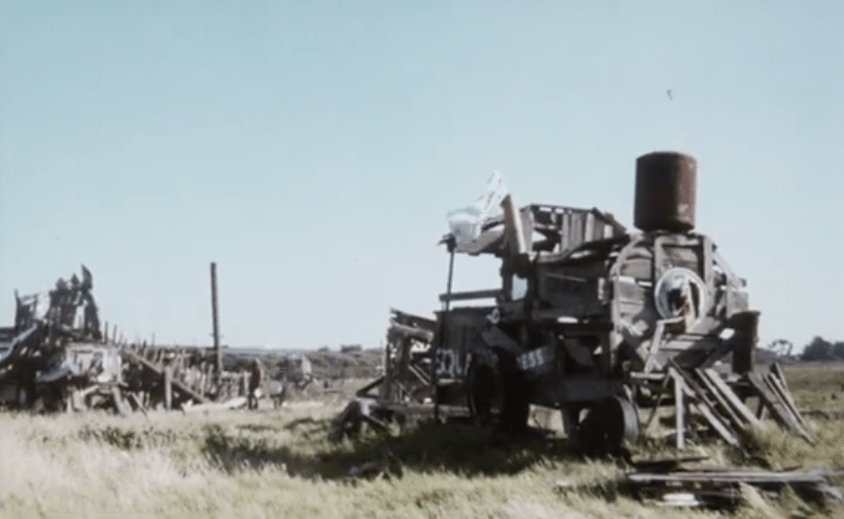
The eyes of the unconscious biplane looked oppositionally at the myopic cockatoo that sat on my shoulder.

From Junkopia- A short film by Chris Marker | Courtesy of Criterion and Youtube
My bird recognized the fascist symbol painted on the wheel of the biplane as a warning to go no further.
From Junkopia- A short film by Chris Marker | Courtesy of Criterion and Youtube
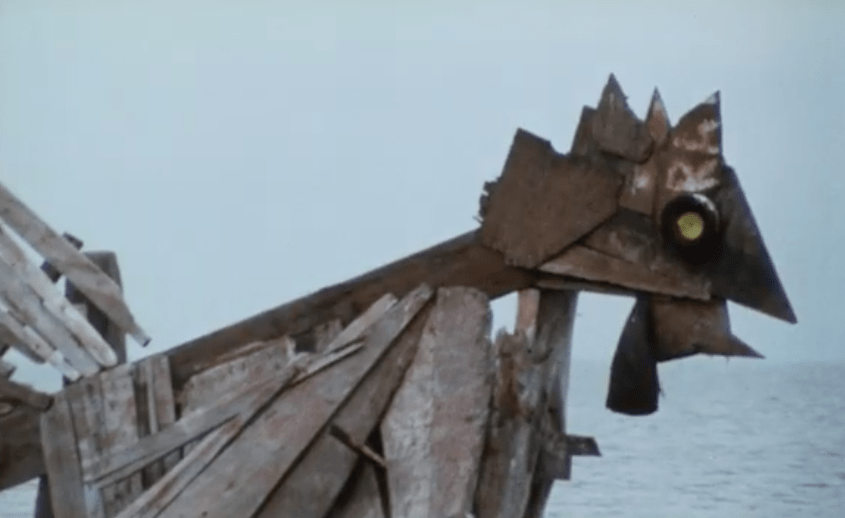
My amygdala said “Run!” but I persisted onward.
In the distance the Junktopia Alter remained its original color of distressed and burnt Tuscany auburn; looking like it was primed for a top coat of blood red paint.
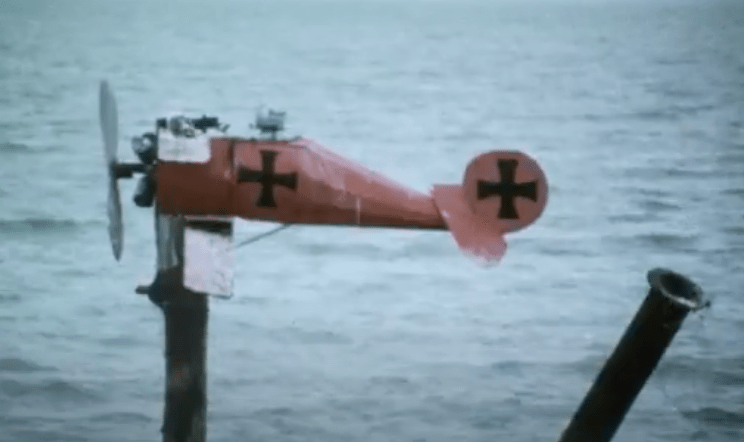
From Junkopia – A short film by Chris Marker | Courtesy of Criterion and Youtube
I thought of Catch 22 and its airplane that flew detached from the war without Yossarian on board who was long dead as a character and forgotten by middle school teachers and students.
Along the path, a false messiah perched in a lifeless tree called to me longingly, beckoning for an apostle to gather a flock of followers.

From Junkopia – A short film by Chris Marker | Courtesy of Criterion and Youtube
Her fuchsia and dark black mesh wings, torn and ravaged, desperately flapped in the turbine powered mechanical wind of capitalistic rule dominating the newly formed nationless state of Junktopia.
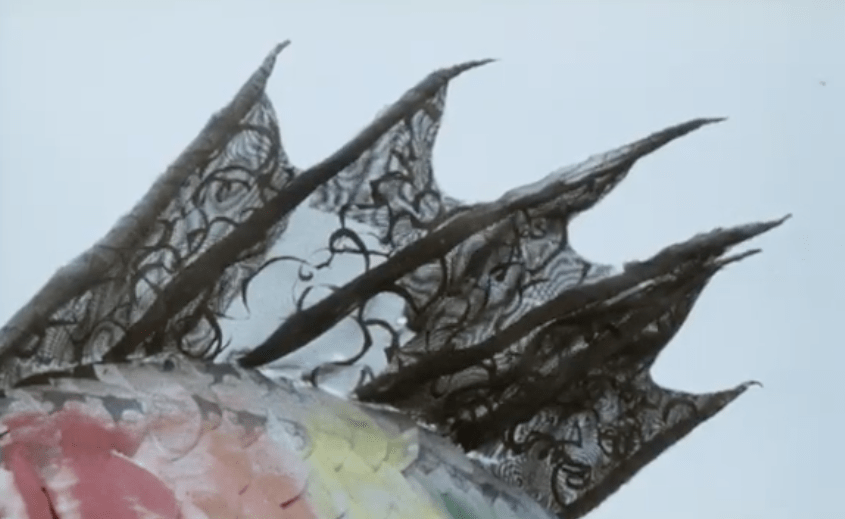
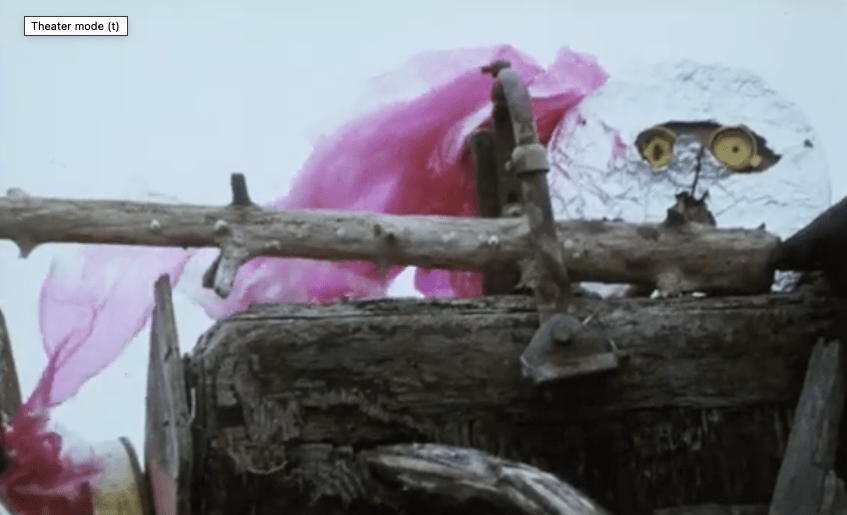
From Junkopia – A short film by Chris Marker | Courtesy of Criterion and Youtube
In the distance, the lime, swampy grasslands filled with abandonment stood as shelter for the birds that no longer could fly. The decibels soaring from the speakers increased, projecting the vibrational reminiscence of the biplanes menacing history preparing to drop its deadly cargo on the unsuspecting living things resting below.

From Junkopia – A short film by Chris Marker | Courtesy of Criterion and Youtube
I approached the alter and the vacant, ornamental glass bottles that guided the unlighted path began to shatter from the sonic sounds spilling overhead, the speakers positioned ubiquitously on the bridge.
Jagged fragments threatened my jugular while the unsympathetic marsh called to me with a menacing howl.
One, razor sharp, ragged edge of a fragmented bottle neck hung from the bridge rafters by a wire hangman’s noose; its rusted metal screw top like a decapitated democratic statesman, his fellow, screw top public servants looked on from the gallery.

From Junkopia- A short film by Chris Marker | Courtesy of Criterion and Youtube
I had abandoned my map on the battlefield and my cell phone no longer recognized a charged. I felt lost although I was not.

From Junkopia- A short film by Chris Marker | Courtesy of Criterion and Youtube
The Republic now rests as fragments of shattered glass reflected as graven images in the birds eye.
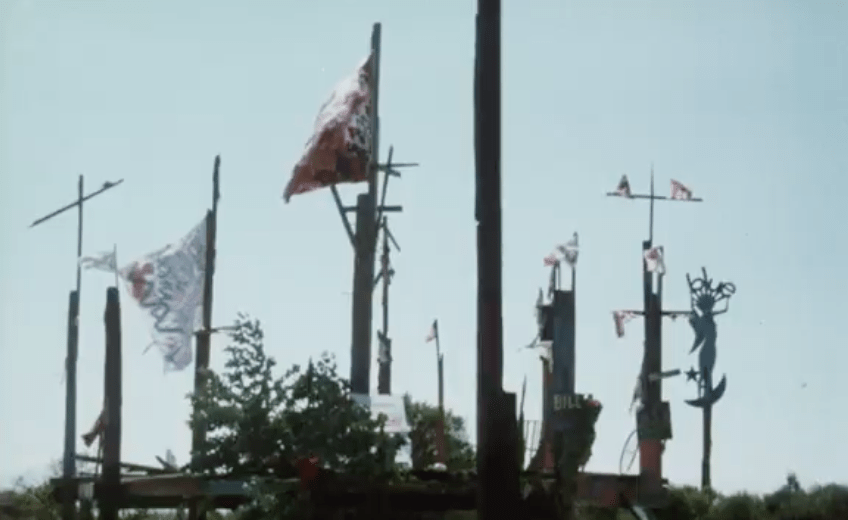
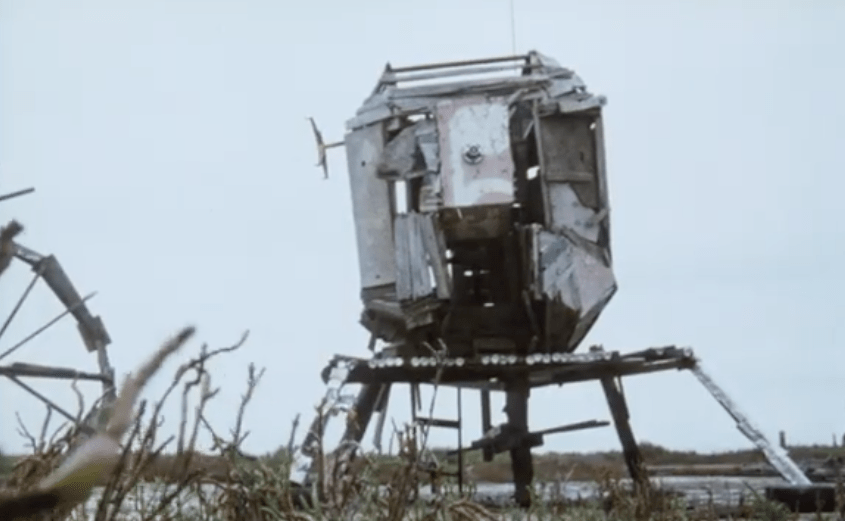
From Junkopia- A short film by Chris Marker | Courtesy of Criterion and Youtube
The fascist symbol painted on the tail of the biplane, a relic of the final war, roared: “the number twelve,” with the sharpness of two major league football helmets cracking in collision. “The twelfth man,” it called out silently, a rhetorical souvenir of the war. “The fans did not offer a home advantage,” I shouted back.

From Junkopia – A short film by Chris Marker | Courtesy of Criterion and Youtube
The weathered alter walls made of wooden fish bone skeletons were rotted from the salt sea air. I bowed down to the god of technology. The empty tin-soup-can minarets stood as apostates and a reminder that rations must be earned by the labors of my cellophane hope.
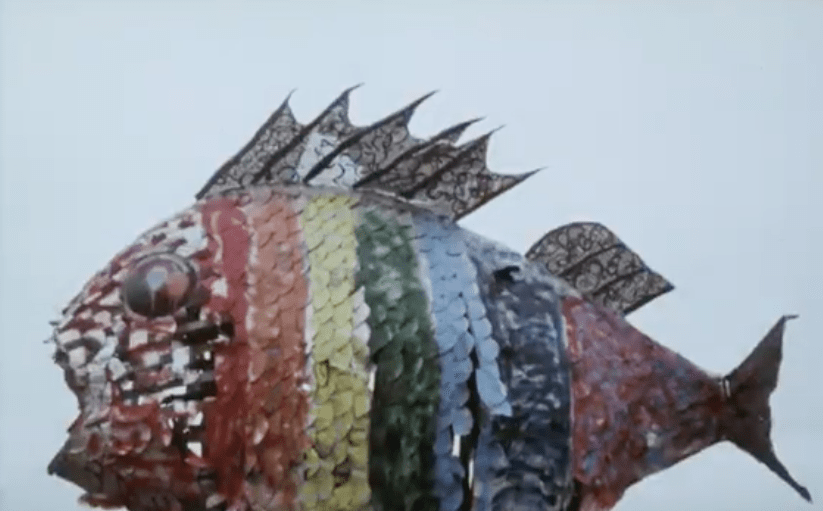
From Junkopia – A short film by Chris Marker | Courtesy of Criterion and Youtube
I waited for the signal to perform the requisite incantations. The white whisker entrails of the metallic stork swimming in the expansive future flapped in the mechanical breeze along with the Messiah’s wings. The five-feet tall, hand-made paper stork hovering nearby narcissistically mocked its own self-absorbed symbol of fertility.
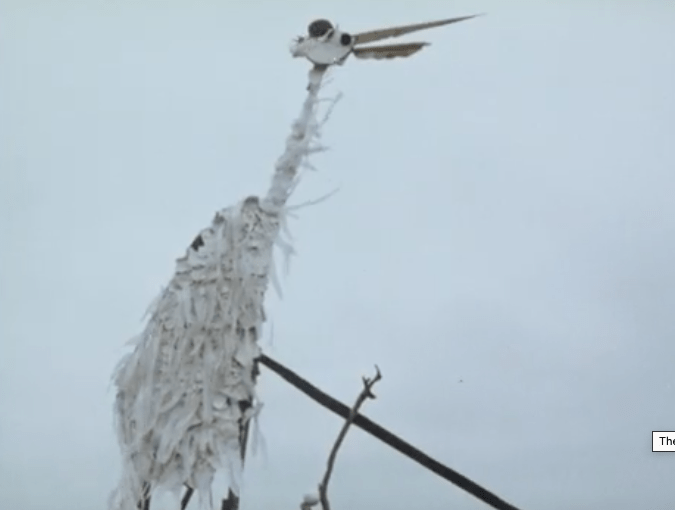
From Junkopia – A short film by Chris Marker | Courtesy of Criterion and Youtube
No one knew how or when the Kangaroos had arrived in Junktopia.

From Junkopia – A short film by Chris Marker | Courtesy of Criterion and Youtube
But, like the nationless human inhabitants, they were there to stay, because no one else wanted them.
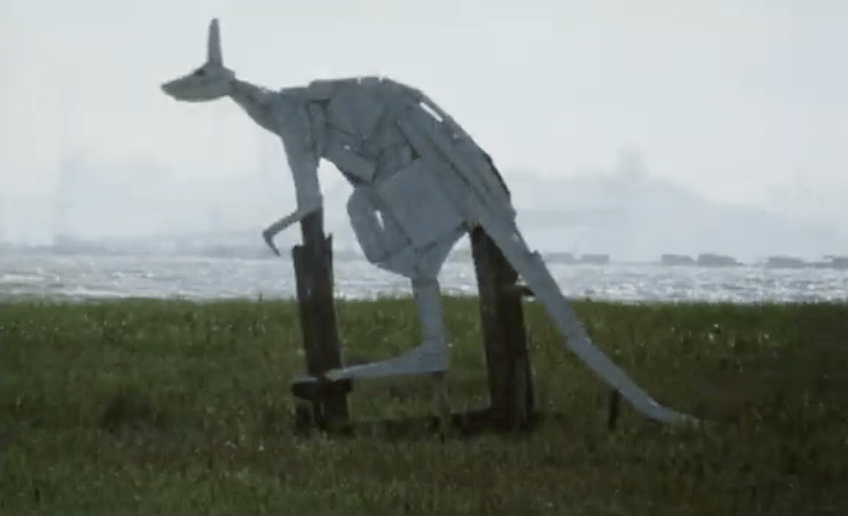
From Junkopia – A short film by Chris Marker | Courtesy of Criterion and Youtube
Junkopia – A short film by Chris Marker | Screenshot courtesy of Criterion and Youtube
 Melodie Dawn Miller