Luc Learns to Share

by Melodie Miller © 2024
Le titre de mon histoire est Luc Apprend à Partager. Cette histoire est une lecture pour débutante français. Je suis débutant dans l’apprentissage du français.
The title of my story is “Luc Learns to Share.” This story is beginning French reading. I am a beginner in learning French.
Luc est le personnage principal du histoire. Il a dix ans. Il est un souris grise et brun.
Luc is the main character of the story. He is 10 years old. He is a grey and brown mouse.

The image of Luc is generated by Microsoft Copilot (Melodie Miller / AI Prompt Engineer)
La région de mon histoire est la Suisse, dans la ville de Berne.
The region of my story is Switzerland, in the town of Berne.

The image of Luc’s village is generated by Microsoft Copilot (Melodie Miller / AI Prompt Engineer)
La famille de Luc est très grande.
The family of Luc is very big.

The image of Luc’s family is generated by Microsoft Copilot (Melodie Miller / AI Prompt Engineer)
Le père de Luc est professeur. Le père de Luc lui a appris à partager.
The father of Luc is a professor. The father of Luc taught him to share.

The image of Luc’s father is generated by Microsoft Copilot (Melodie Miller / AI Prompt Engineer)
La mère de Luc est professeur. La mère de Luc lui a appris à partager..
The mother of Luc is a professor. The mother of Luc taught him to share.

The image of Luc’s mother is generated by Microsoft Copilot (Melodie Miller / AI Prompt Engineer)
Et son village aime partager avec tout le monde.
And his village likes to share with everyone.
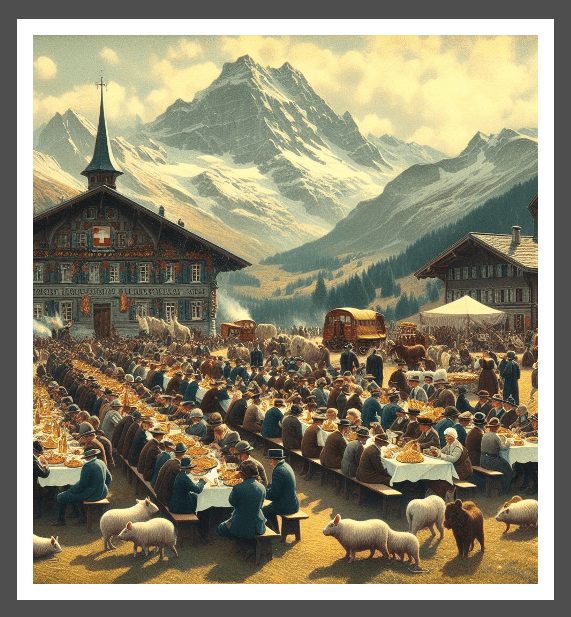
The image of Luc’s village is generated by Microsoft Copilot (Melodie Miller / AI Prompt Engineer)
Mais, Luc n’aimait pas partager. Alors, Luc est allé dans la grande ville.
But, Luc did not like to share. So, Luc went to the big city.

The image of Luc in the big city is generated by Microsoft Copilot (Melodie Miller / AI Prompt Engineer)
Sa famille était triste.
His family was sad.
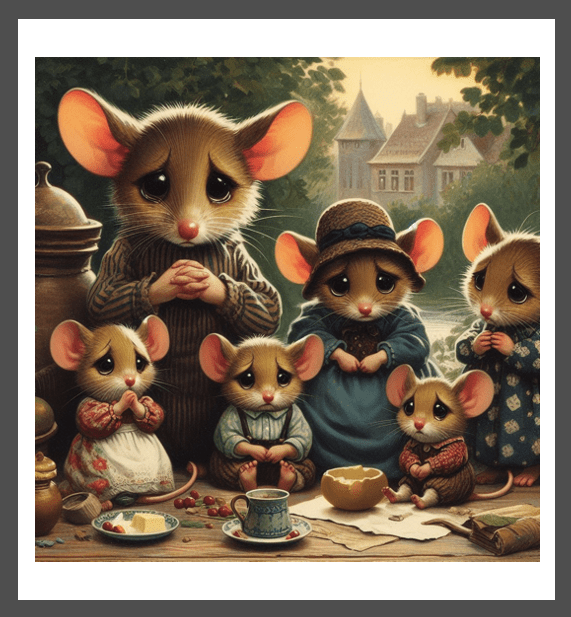
The image of Luc’s family is generated by Microsoft Copilot (Melodie Miller / AI Prompt Engineer)
Mais, Luc est heureux. Il rêve de ne pas partager sa nourriture.
But, Luc is happy. He dreams of not sharing his food.

The image of Luc is generated by Microsoft Copilot (Melodie Miller / AI Prompt Engineer)
Il rêve de manger tout le fromage seul.
He dreams of eating all the cheese alone.
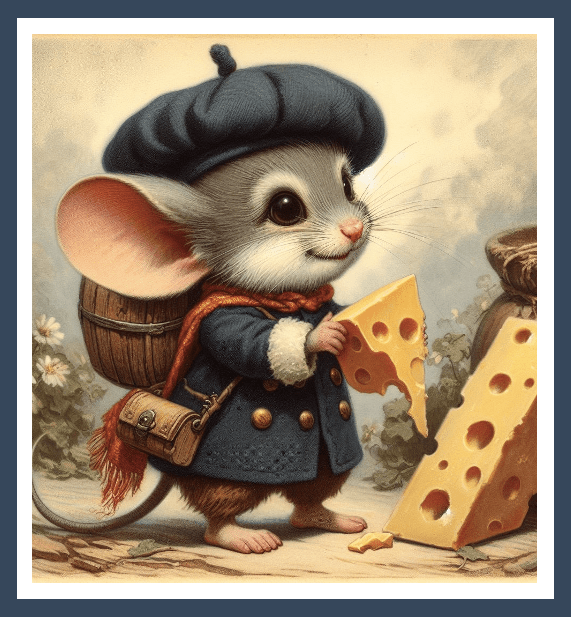
The image of Luc is generated by Microsoft Copilot (Melodie Miller / AI Prompt Engineer)
Il pense qu’il y a beaucoup de nourriture dans la grande ville.
He thinks that there is a lot of food in the big city.

The image of Luc’s imagination of food in the big city is generated by Microsoft Copilot (Melodie Miller / AI Prompt Engineer)
Mais, quand Luc est allé au magasin pour trouver de la nourriture, un homme l’a chassé. L’homme n’aimait pas avec Luc.
But, when Luc goes to the store to find food, the man chases him. The man did not like to share with Luc.
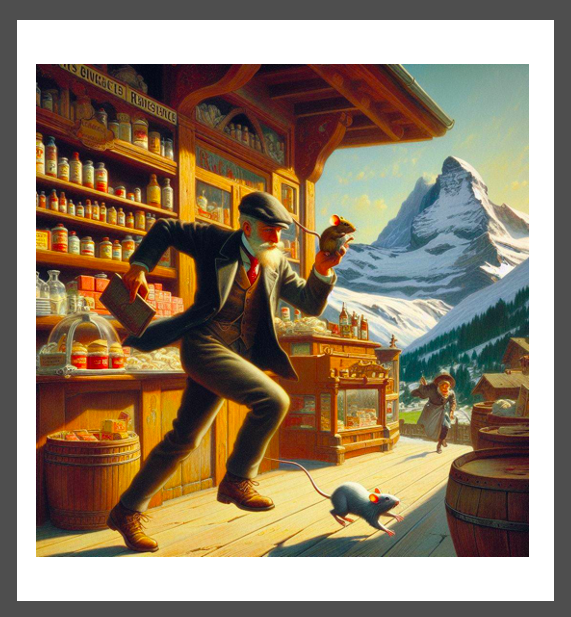
The image of Luc and the store keeper is generated by Microsoft Copilot (Melodie Miller / AI Prompt Engineer)
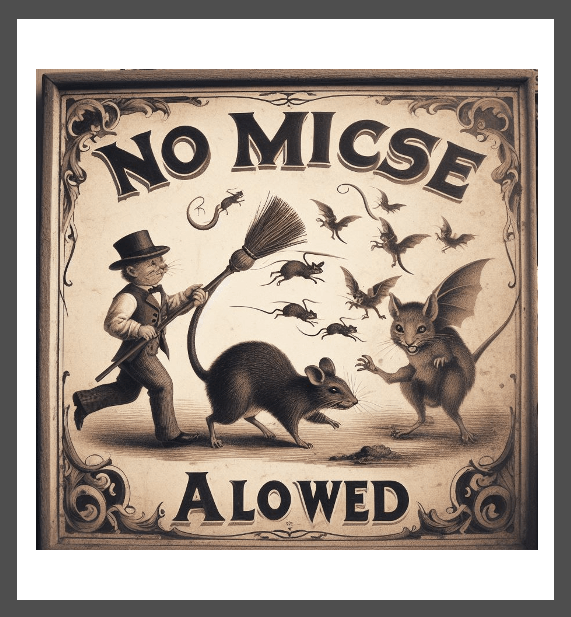
L’homme dit “Pas de souris autorisée.”
The man says “No mice allowed.”

The image of Luck and the “No Micse Alowed” is generated by Microsoft Copilot (Melodie Miller / AI Prompt Engineer)
Luc a appris qu’il doit partager pour avoir des amis.
Luc learns that he must share to have friends.

The image of a sad Luc is generated by Microsoft Copilot (Melodie Miller / AI Prompt Engineer)
Luc a appris à aimer partager parce que qu’il adore ses amis.
Luc learns that he likes to share because he loves his friends.

The image of Luc is generated by Microsoft Copilot (Melodie Miller / AI Prompt Engineer)
-
Research and Technical Applications – Apparel Design by Melodie Miller

Photos courtesy of SKEA
SKEA Skiwear
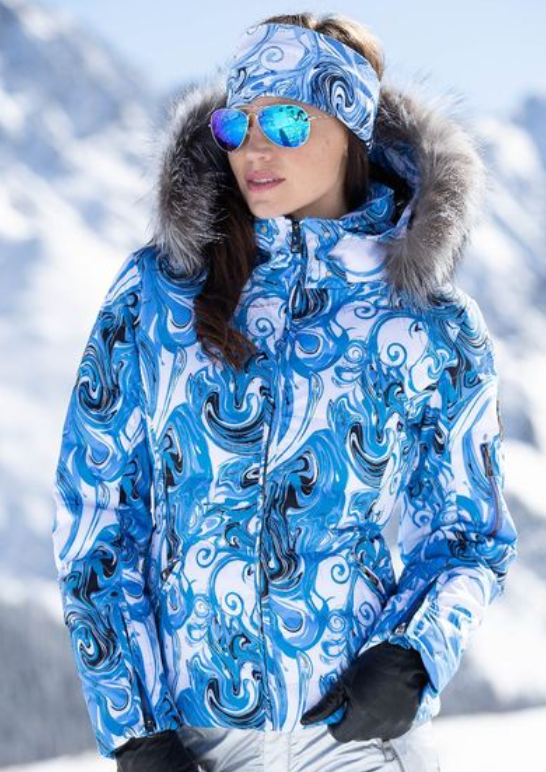
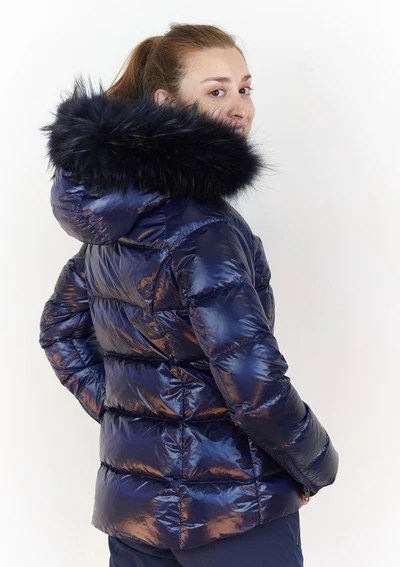
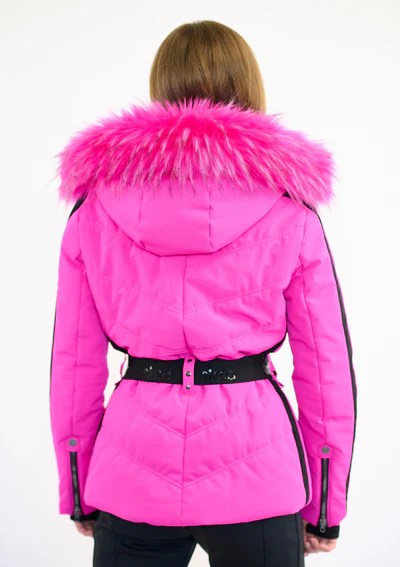
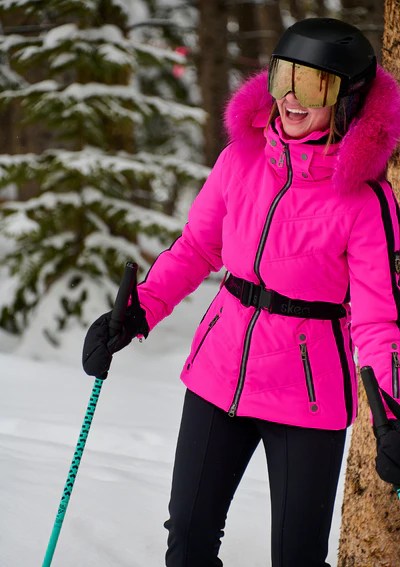
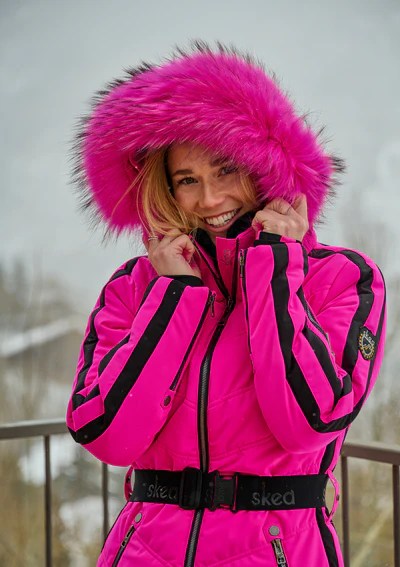
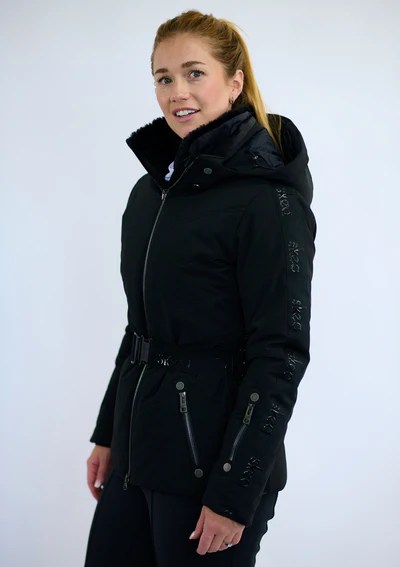
The SKEA Elsa down filled ski parka with matching fur ruff.
Photos courtesy of SKEA
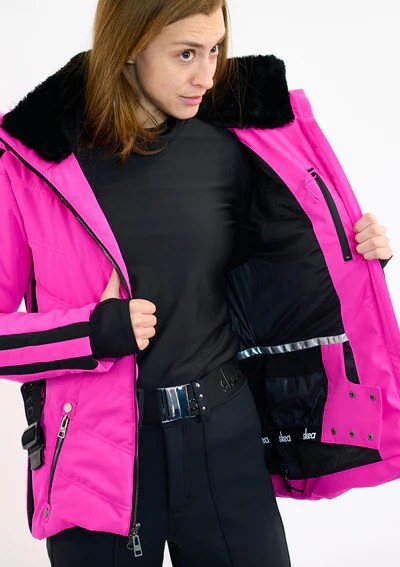
- Nylon Ciré – Ciré is a highly glazed wax finish that creates a water resistant barrier.
- Down filled insulation throughout
- Underarm ventilation zips.
- Interior sleeve cuff with thumb holes.
- Interior snow-skirt
- 3 zipper pockets
- Fixed collar and hood
- Optional snap-on real/faux fur trim
- An athletic fit with room to move
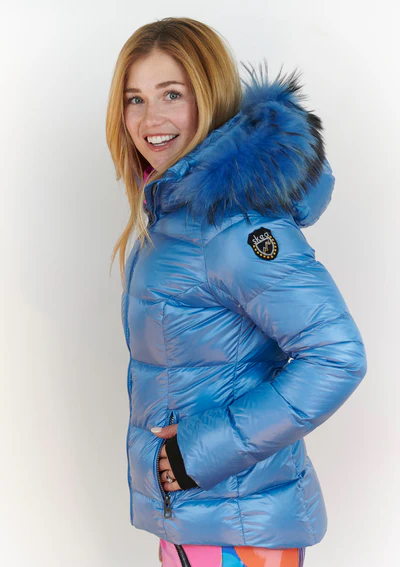
Unleash your skiing flair with the SKEA Elsa Jacket. This jacket is not just breathable and hydrophobic, but effortlessly shifts from the slopes to the streets. Filled with down, it offers unbeatable warmth and adaptability for your mountain adventures. The Elsa parka combines purpose and femininity, and comes in a range of colors to match your taste.
Photos courtesy of SKEA
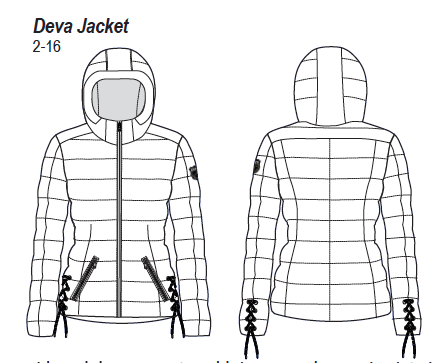
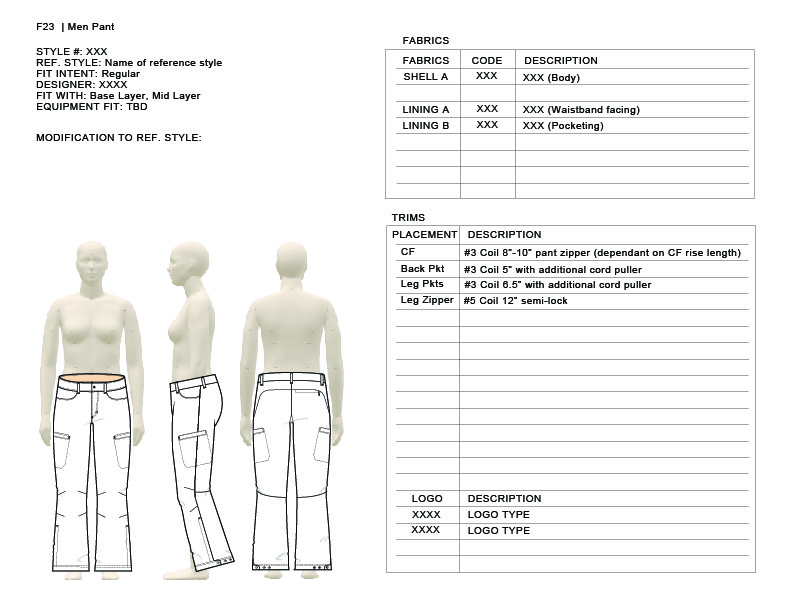
The SKEA Elsa down filled parka sketch and production instructions

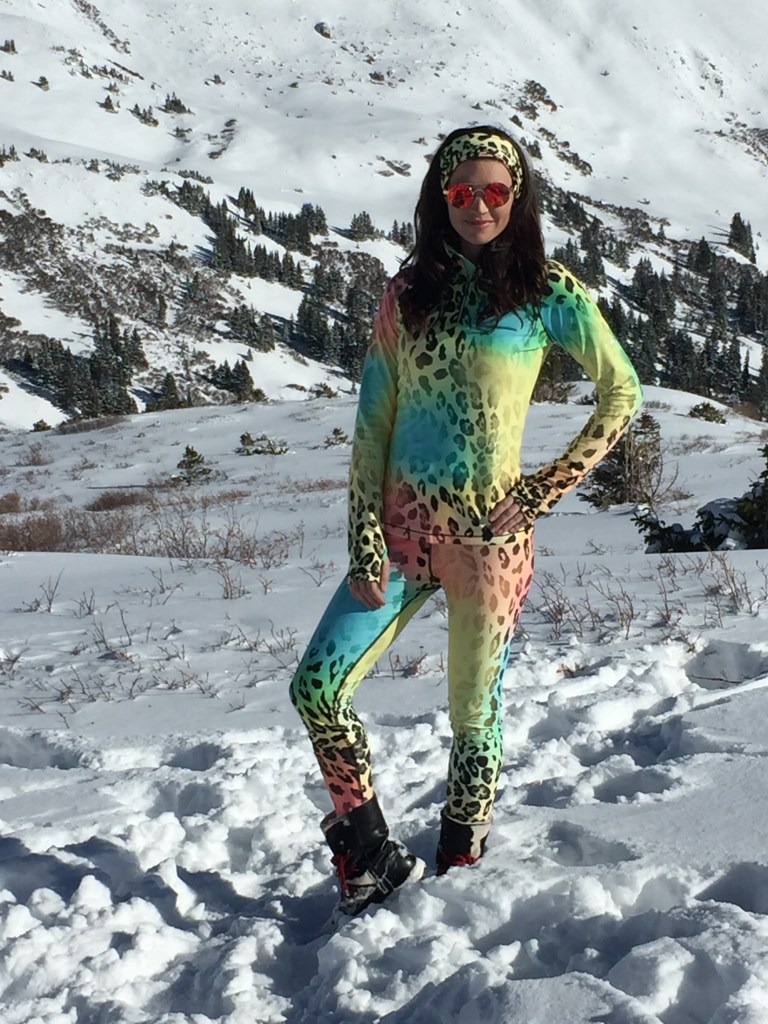
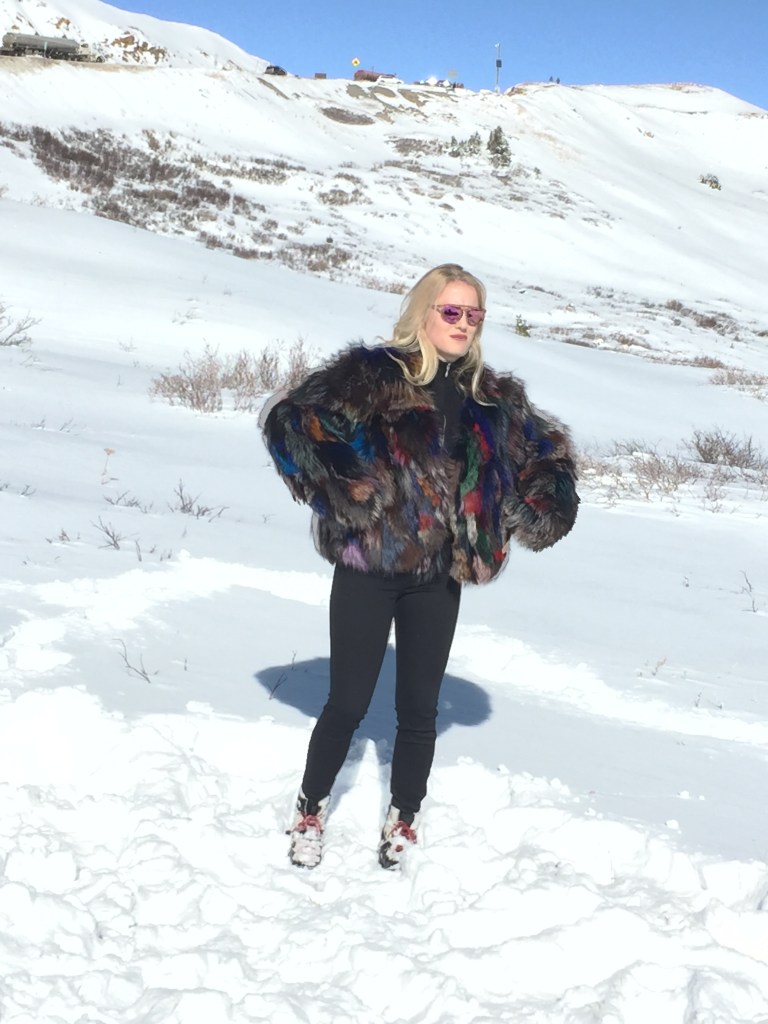
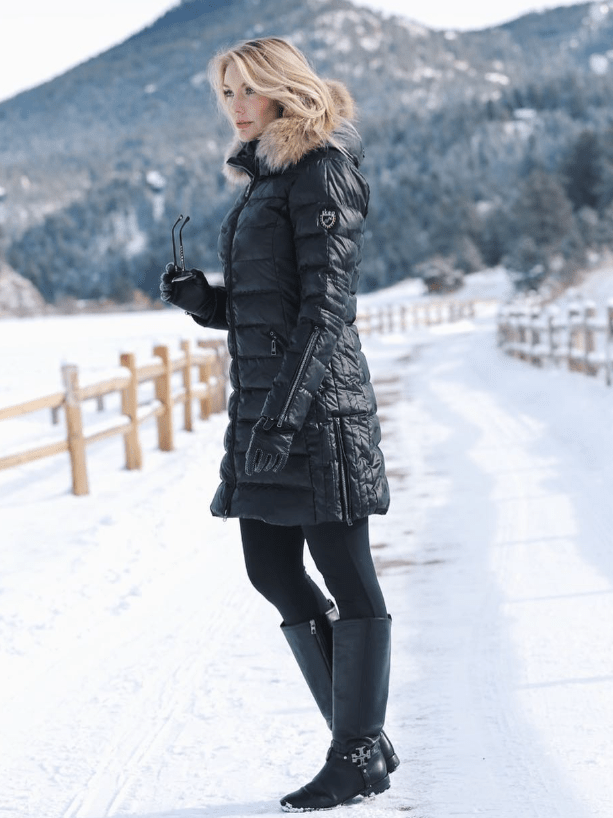
SKEA photo shoot at Loveland Pass, Colorado











Photos courtesy of SKEA
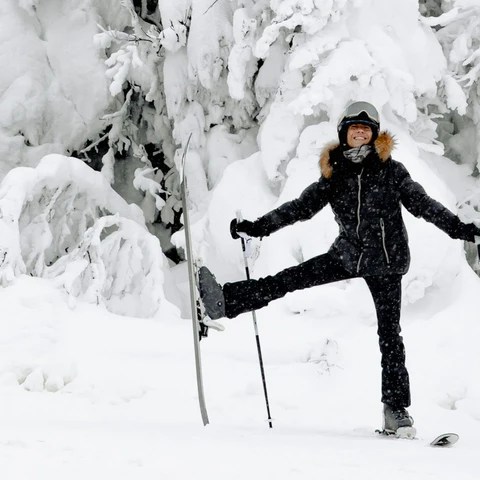
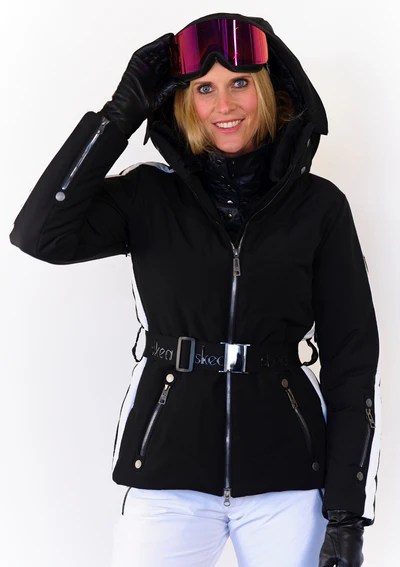
The SKEA vintage ski-wear inspired Thinsulate insulated Coco Parka
Photos courtesy of SKEA
- Polyester Stretch super water repellant 20K WP
- 200 grams Thinsulate Insulation
- 4 zip pockets
- Faux fur lined inner collar
- Helmet compatible hood with optional fur trim
- Removable belt to wear or not with snap down belt loops
- Snow skirt
- Cinch bottom
- Slim fit
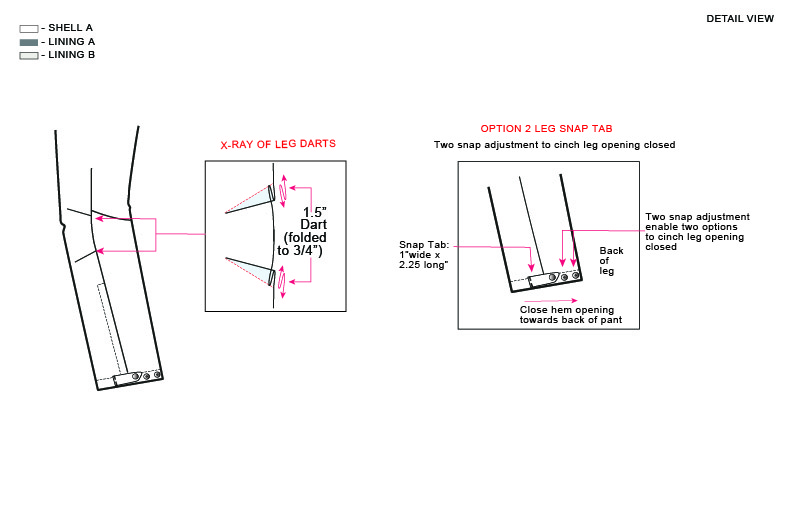
The Coco Thinsulate insulated parka sketch and production instructions



Photos courtesy of SKEA
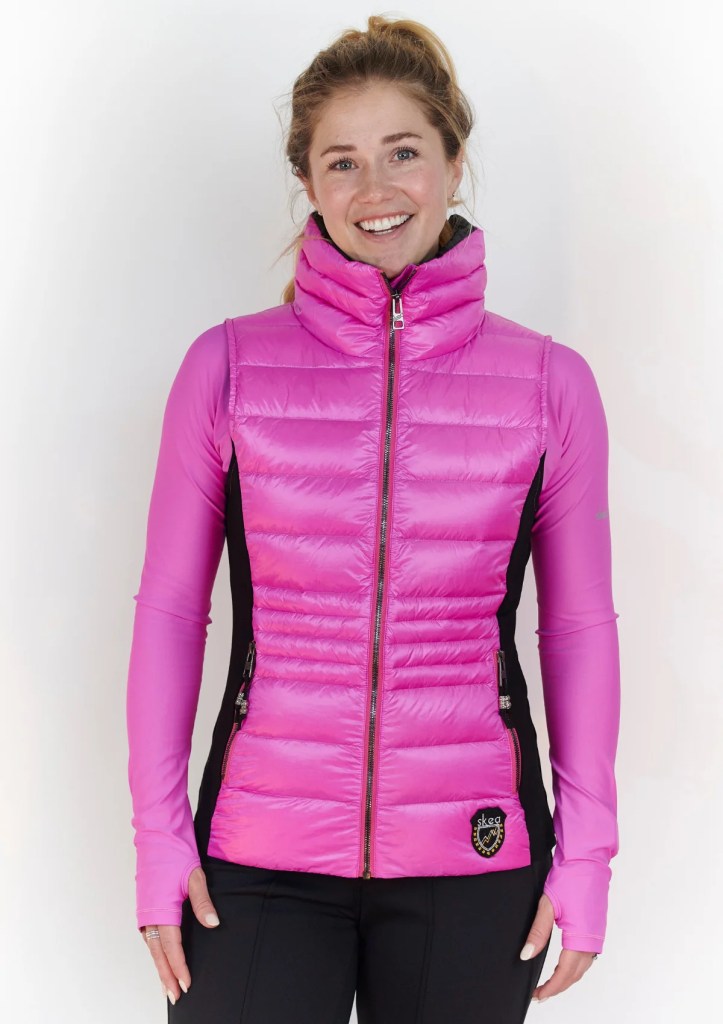
Cosmic Vest is the perfect layering garment. Snuggle into the collar on icy days.
Photos courtesy of SKEA
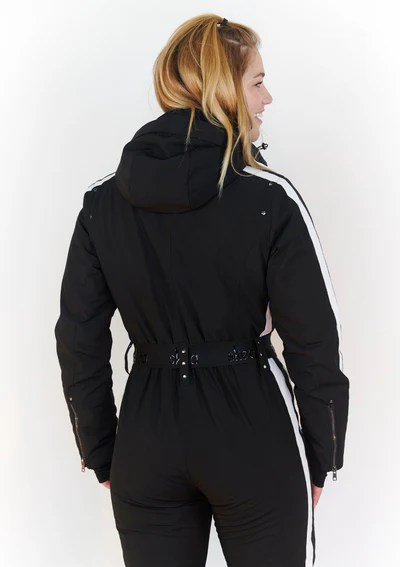
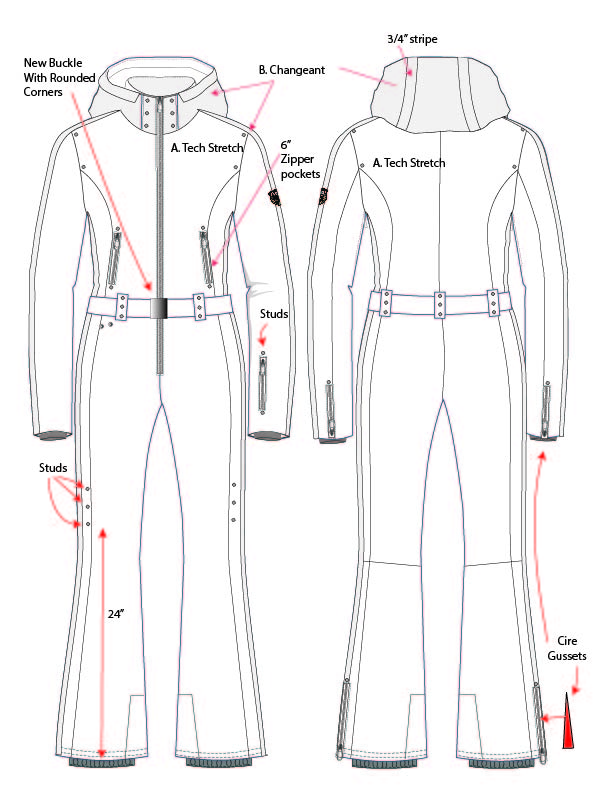
The SKEA Brit insulated ski suit

Photos courtesy of SKEA

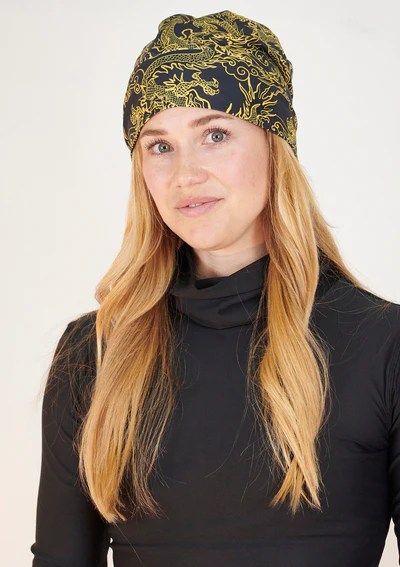
Stay warm in Skea high quality, quick drying polyster knit baselayer’s designed by Melodie Miller


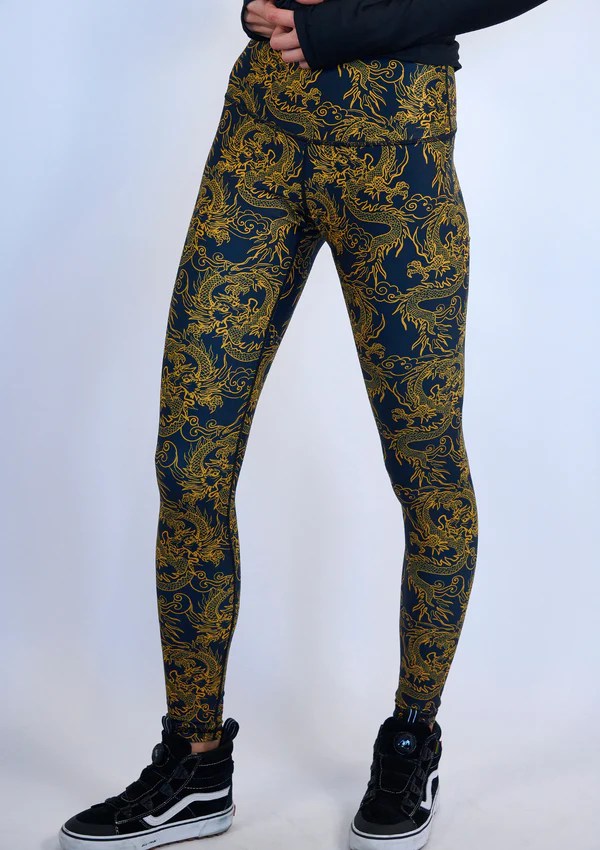


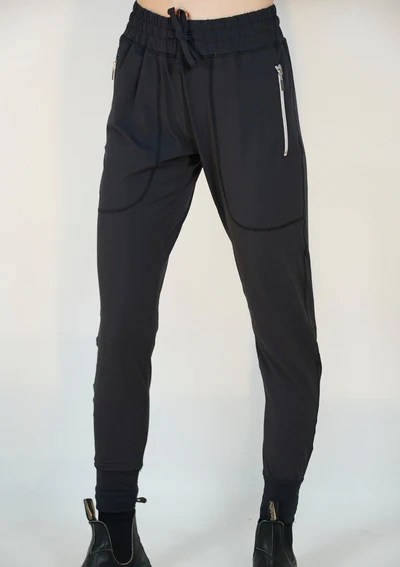
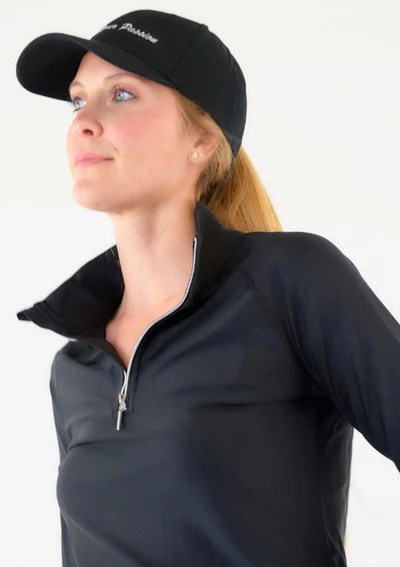
Tennis and Golf for Skea by Melodie Miller





Sierra Design extreme elevation mountain apparel designed by Melodie Miller

Paul Nanawa wearing Sierra Designs designed by Melodie Miller | Mt. Rainier | Photo courtesy of Eric Larsen


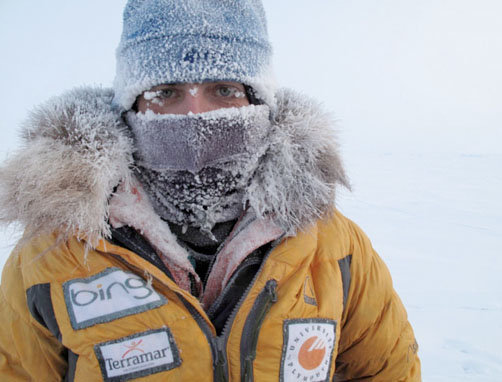
Paul Nanawa | Mt. Rainier | Eric Larsen | Both men wear Sierra Designs extreme weather gear designed by Melodie Miller | Photos courtesy of Eric Larsen
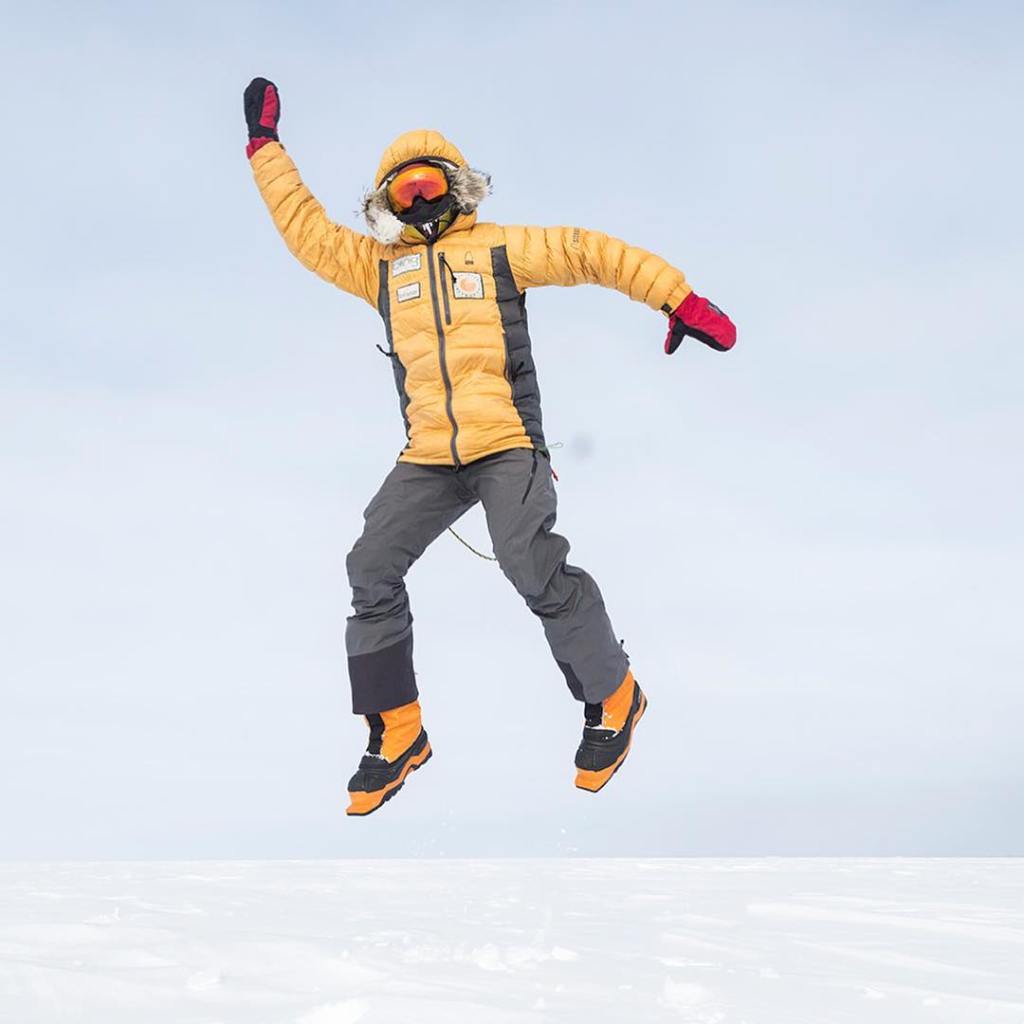
Eric Larsen and his team wear yellow and orange Sierra Designs cold weather gear designed by Melodie Miller | Photos courtesy of Eric Larsen

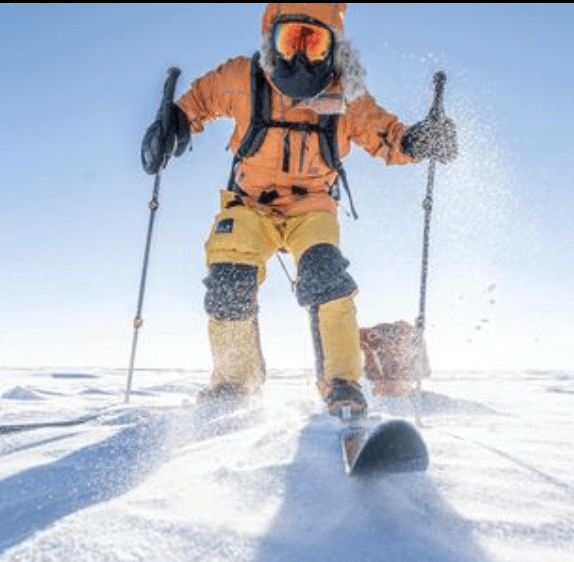

Eric Larsen and his team wear yellow and orange Sierra Designs cold weather gear designed by Melodie Miller | Photos courtesy of Eric Larsen
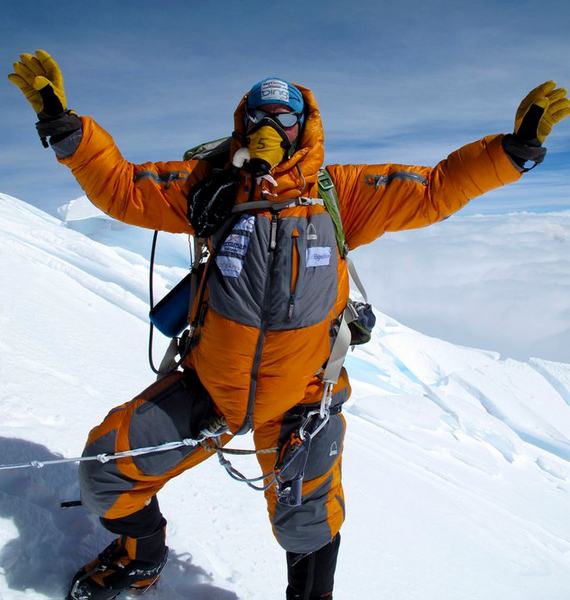

Eric Larsen attemps to summit Mt. Everest. (Right). Eric Larsens (Center right) expedition team wear orange Sierra Designs cold weather gear designed by Melodie Miller | Photos courtesy of Eric Larsen
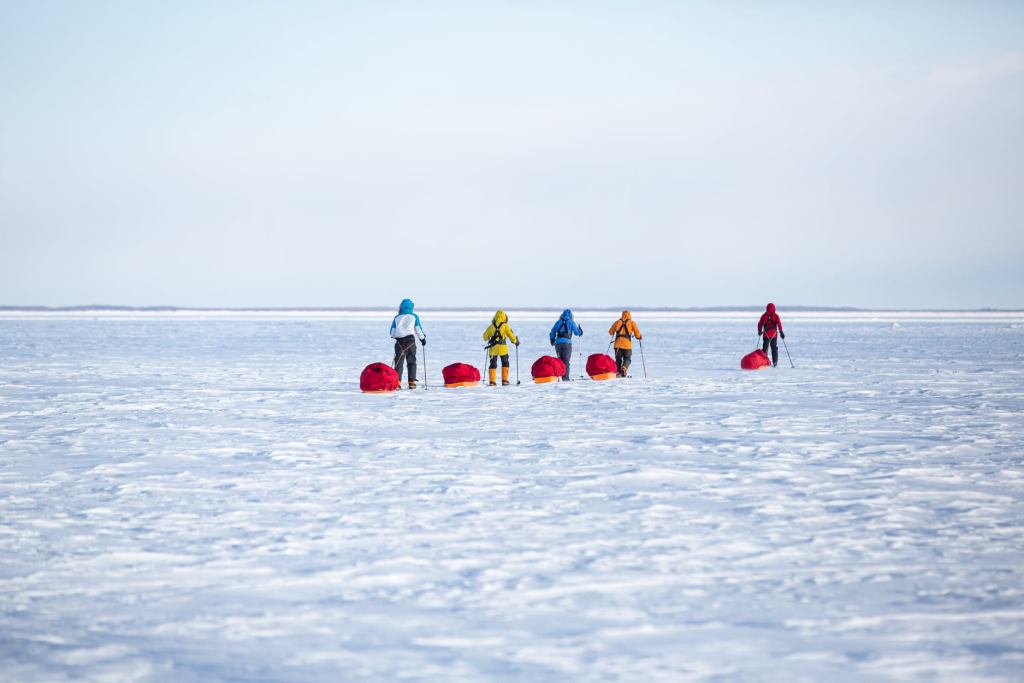
Eric Larsen and his team at the South Pole wear orange Sierra Designs extreme cold weather gear designed by Melodie Miller | Photos courtesy of Eric Larsen

Shaun Mauer at the summit of Mt. Rainier wearing Sierra Designs mountain gear designed by Melodie Miller.

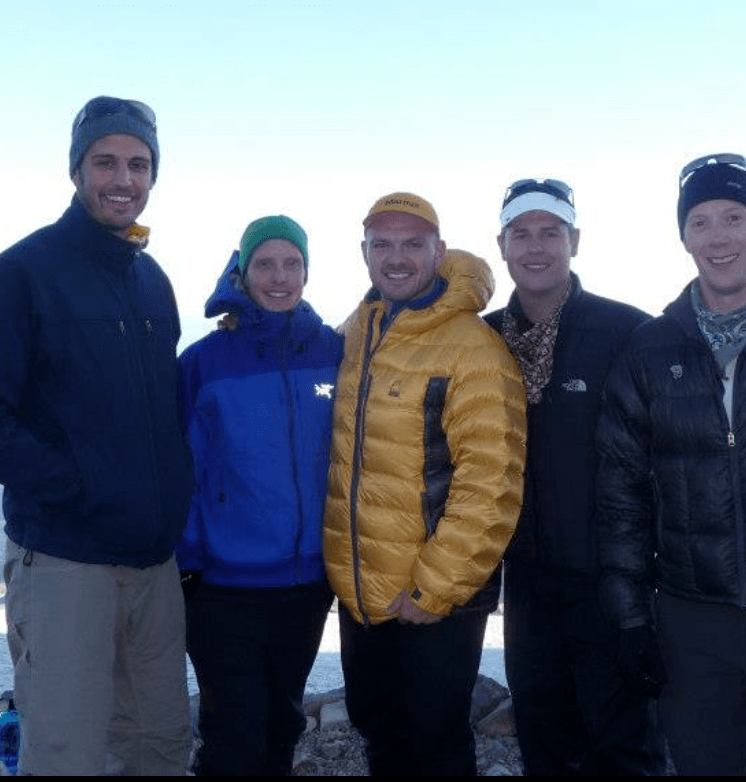
Brian Tschider and Shaun Mauer at John Muir as they prepare to ascend Mt. Rainier wearing Sierra Designs mountain gear designed by Melodie Miller. (Right) Shaun Mauer wearing Sierra Designs mountain gear designed by Melodie Miller. (Center Left)
HEXA Custom outdoor apparel designed and developed by Melodie Miller

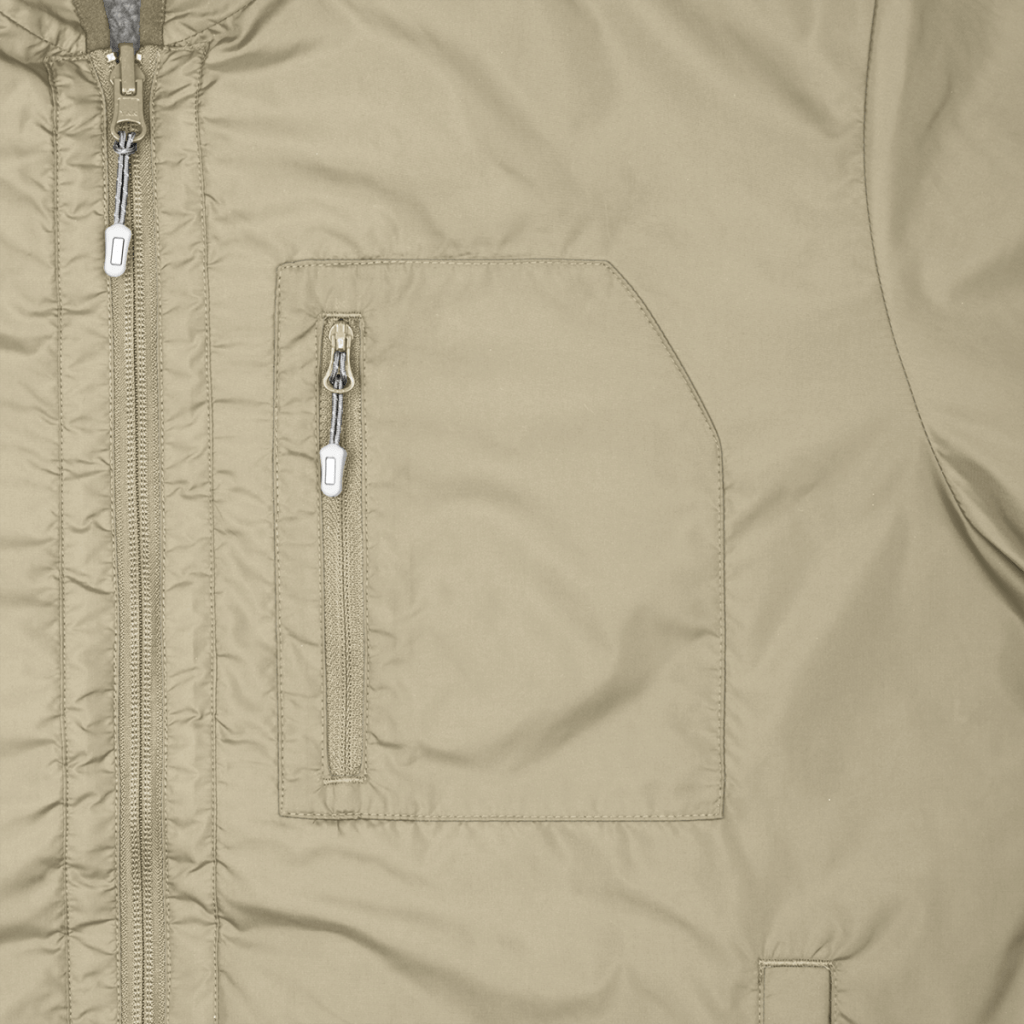



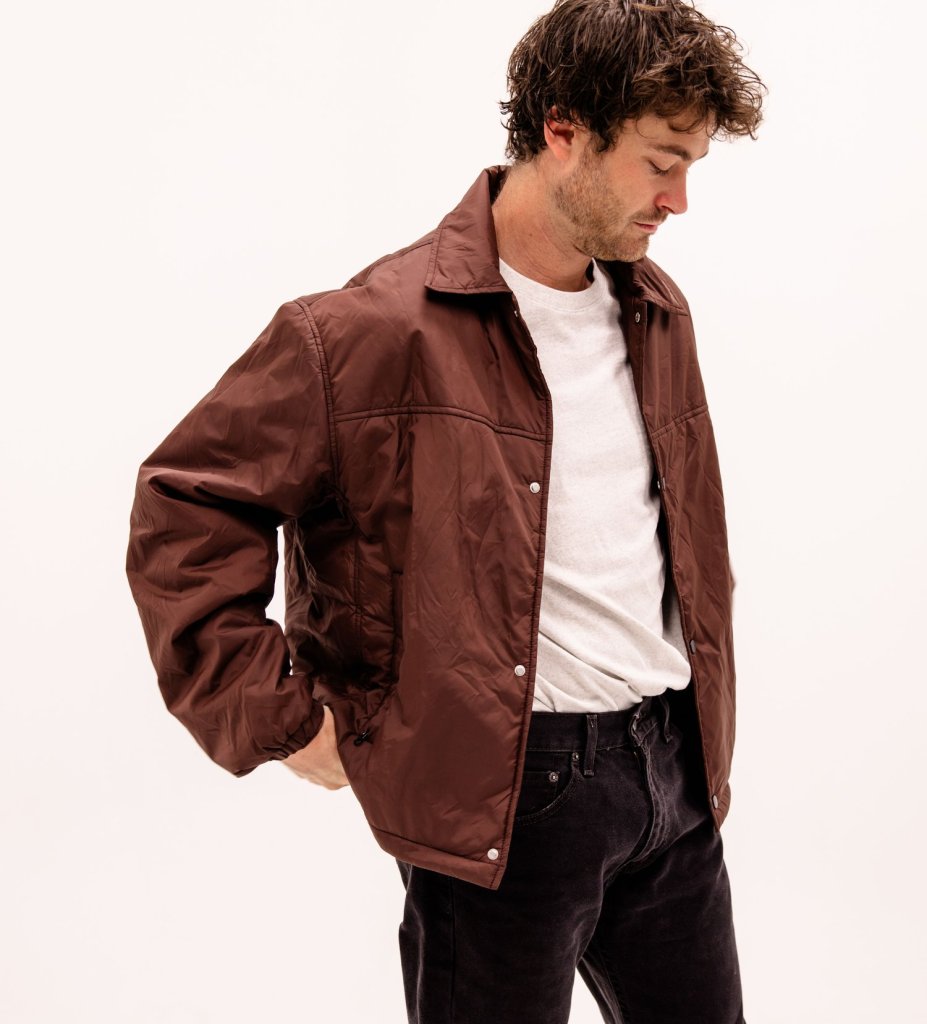


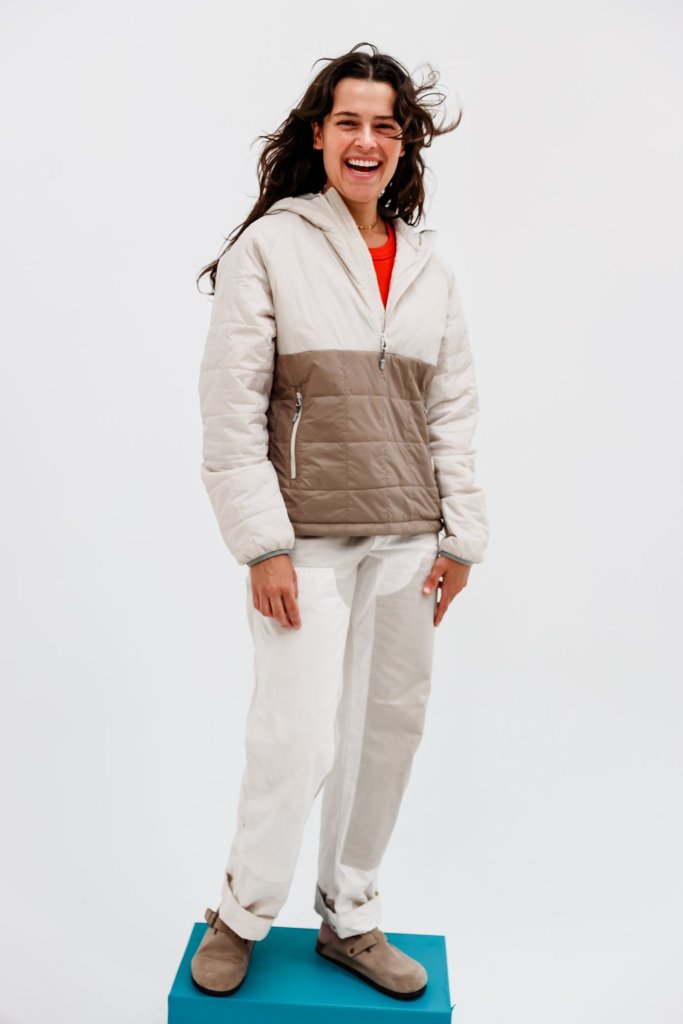
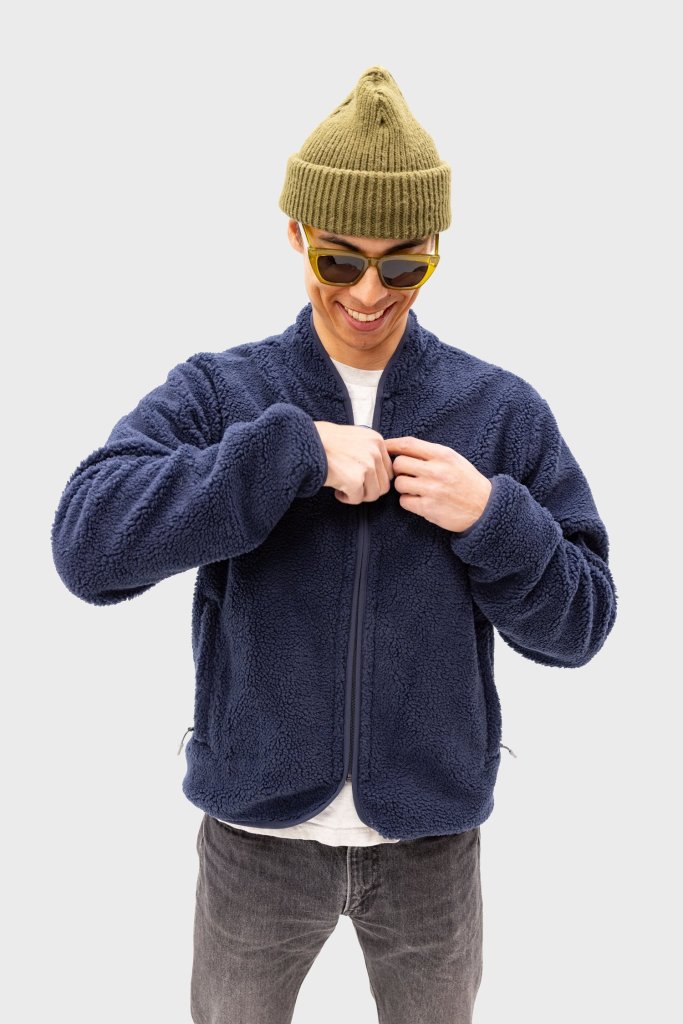
HEXA Reversible Sherpa Jacket (Photos courtesy of HEXA Custom)
Insulated Camping Blankets 57″ x 75″

HEXA Custom | Men’s Quilted Sherpa Vest | Sketch and Engineering
HEXA Custom | Women’s Standard Jacket | Sketch and Engineering
HEXA Custom | Men’s Standard Jacket | Sketch and Engineering
HEXA Custom | Men’s and Women’s Reversible Sherpa Vest | Sketch and Engineering

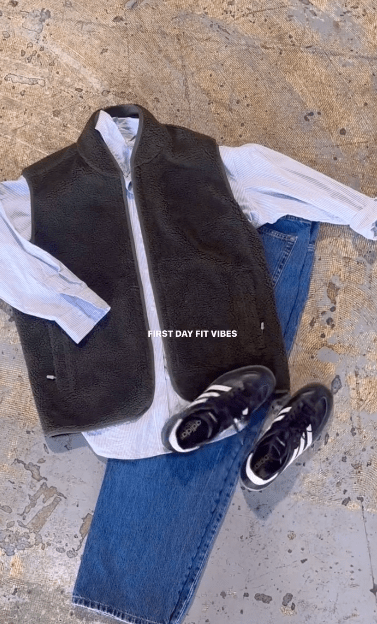
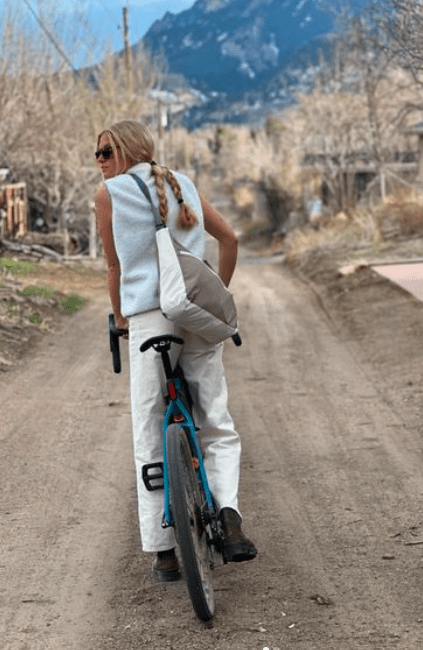
Academy Sports + Outdoors outdoor apparel designed by Melodie Miller


Academy Sports + Outdoors | Men’s Magellan Waterproof Jacket (Melodie Miller | Designer)
Academy Sports + Outdoors | Women’s Magellan Waterproof Pant (Melodie Miller | Designer)
Pearl Isumi Triathlon Suit

Dame Flora Duffy, DBE, is a Bermudian professional triathlete (Center) wearing Pearl Izumi developed exclusively for Duffy by Melodie Miller. Duffy won a gold medal at the 2020 Summer Olympics in Tokyo, Bermuda’s first gold medal. She also competed in the Beijing, London, and Rio de Janeiro Olympics. In 2018, she won gold in the women’s triathlon at the XXI Commonwealth Games in Australia.
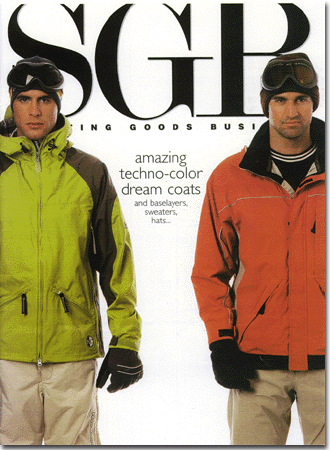
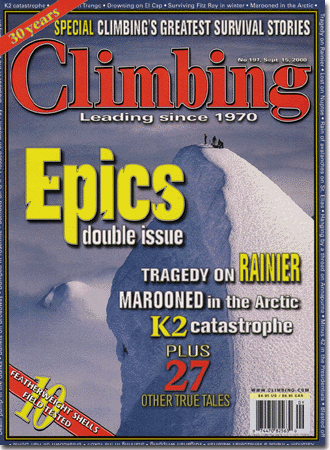
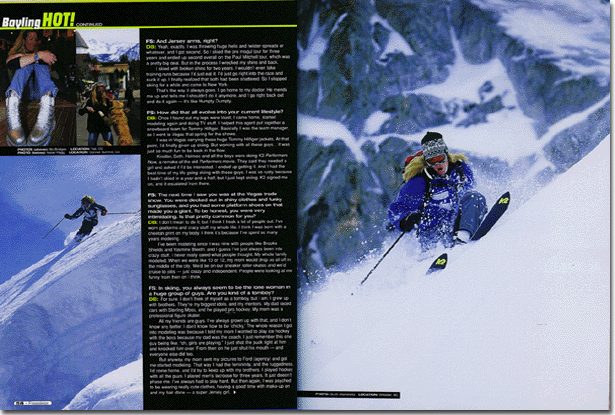
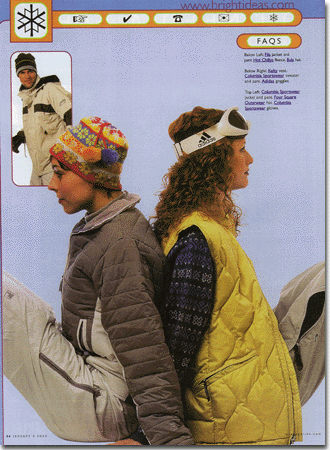
Magazine Covers of designs by Melodie Miller











-
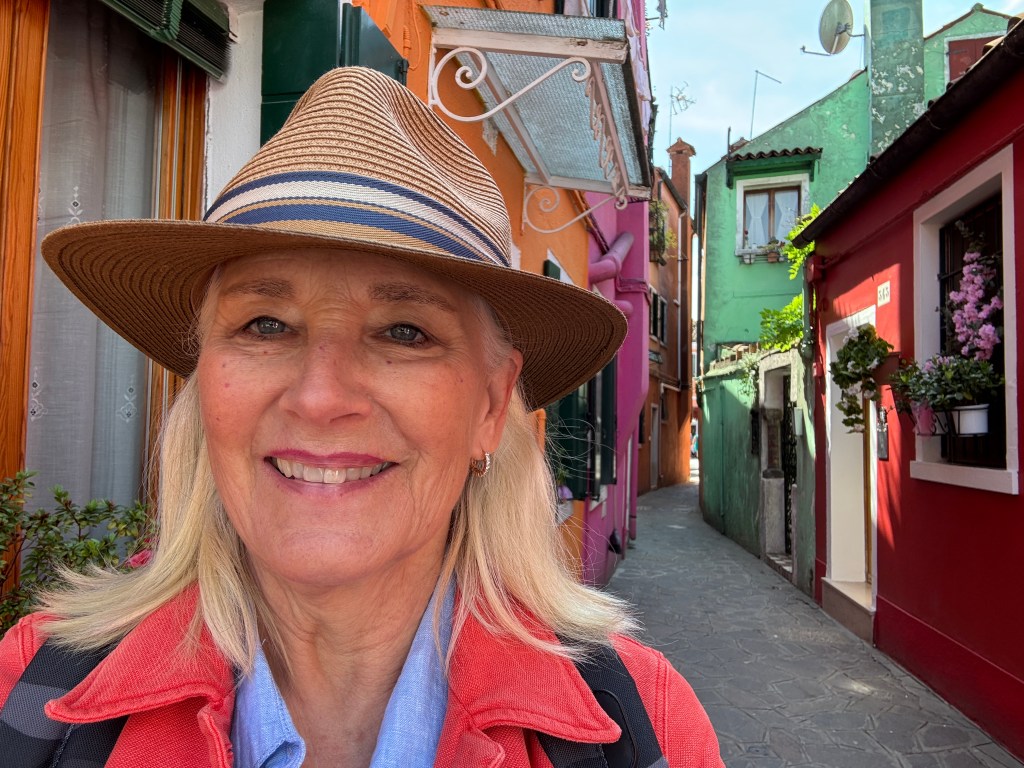
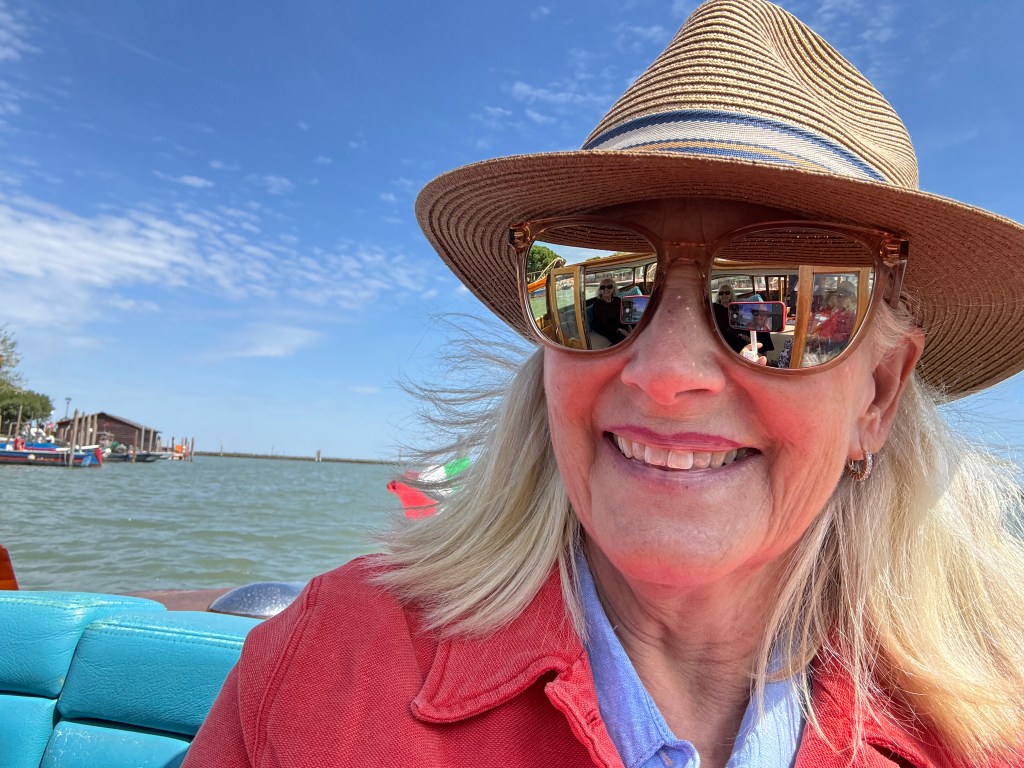
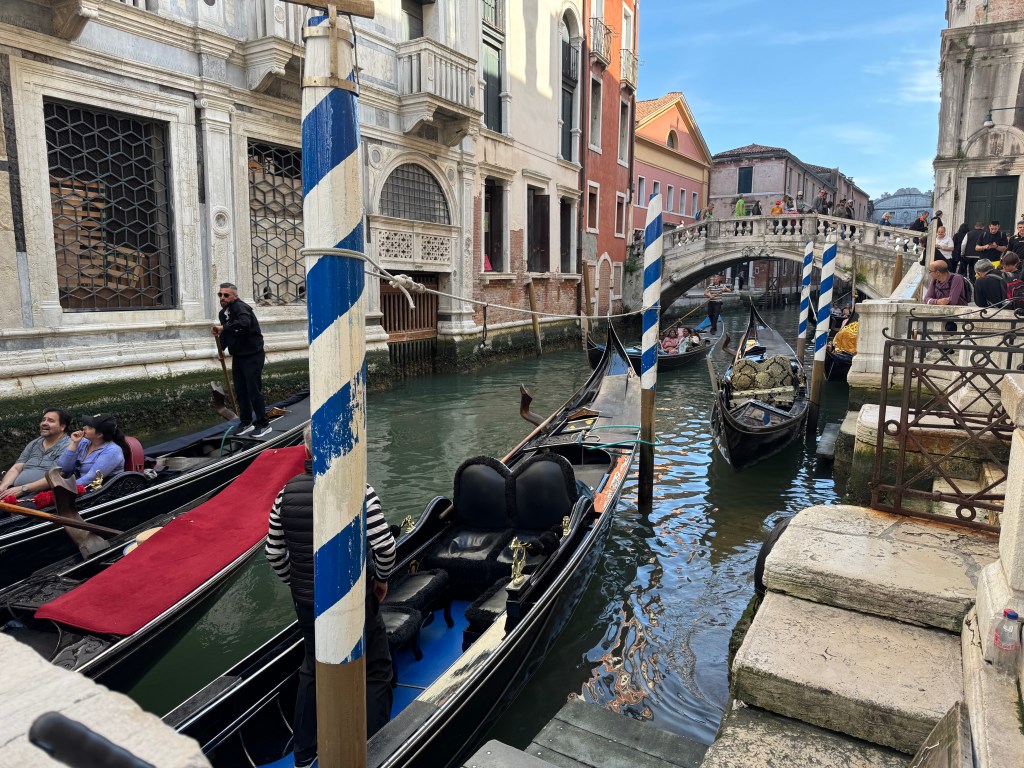
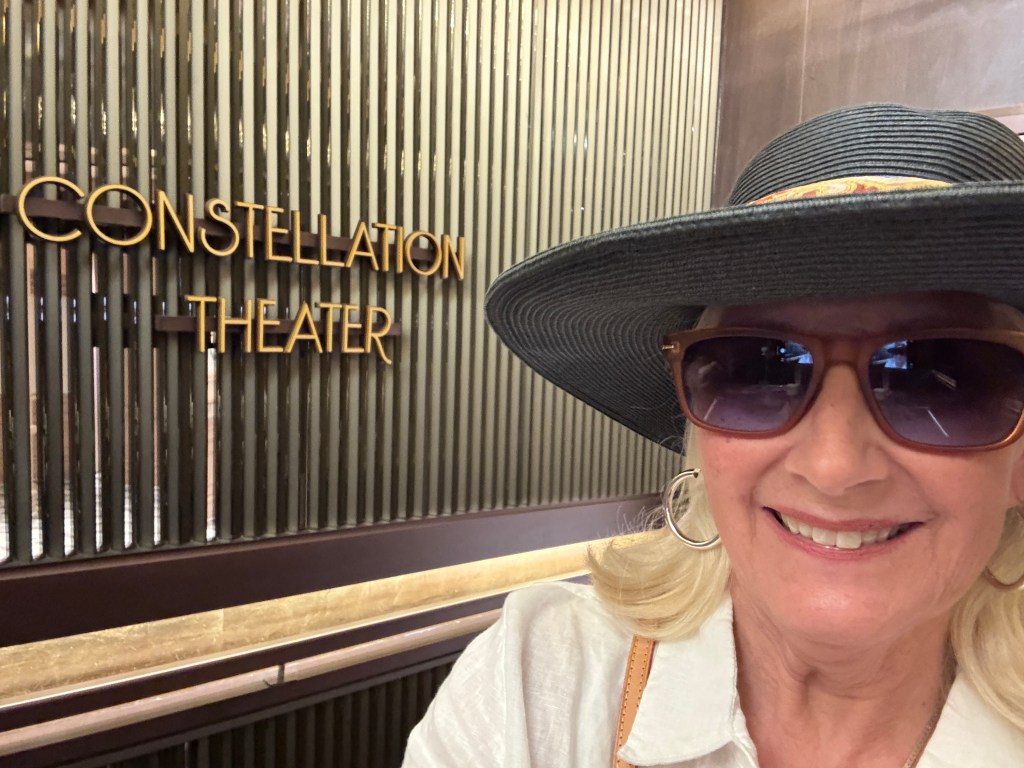
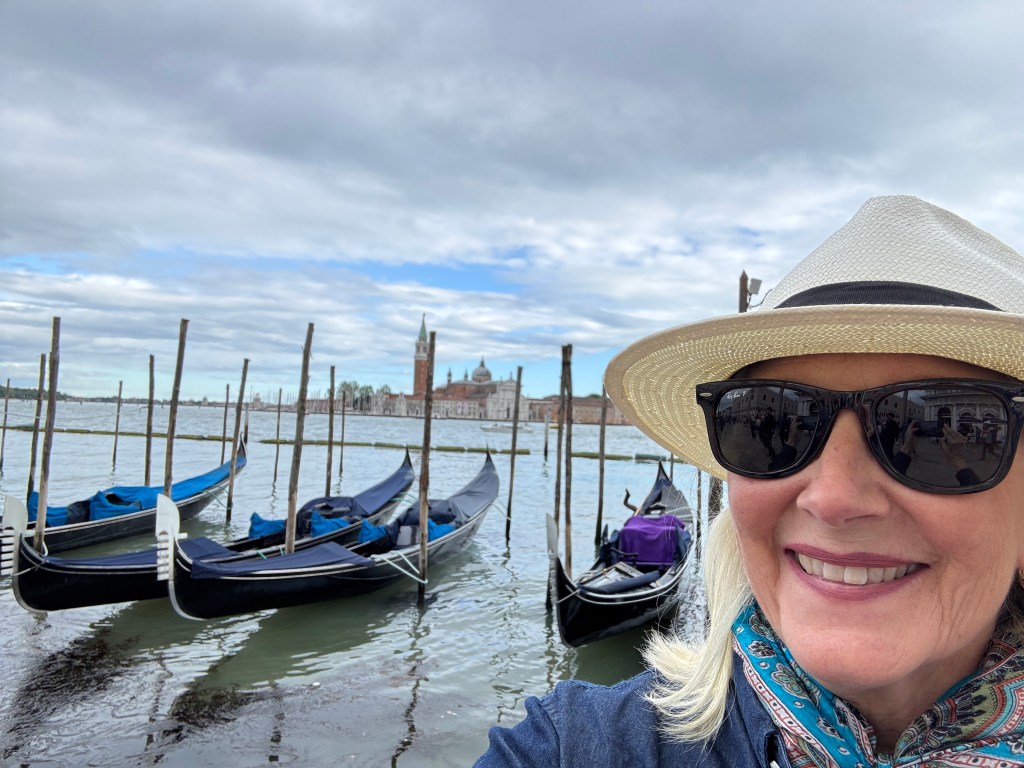
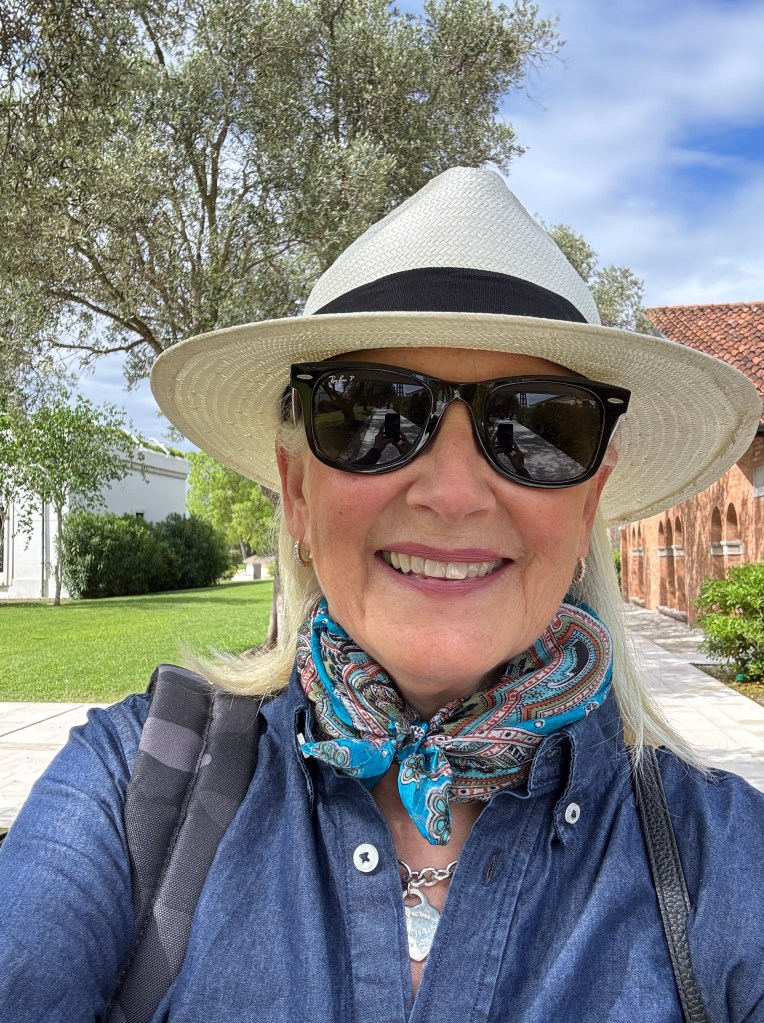
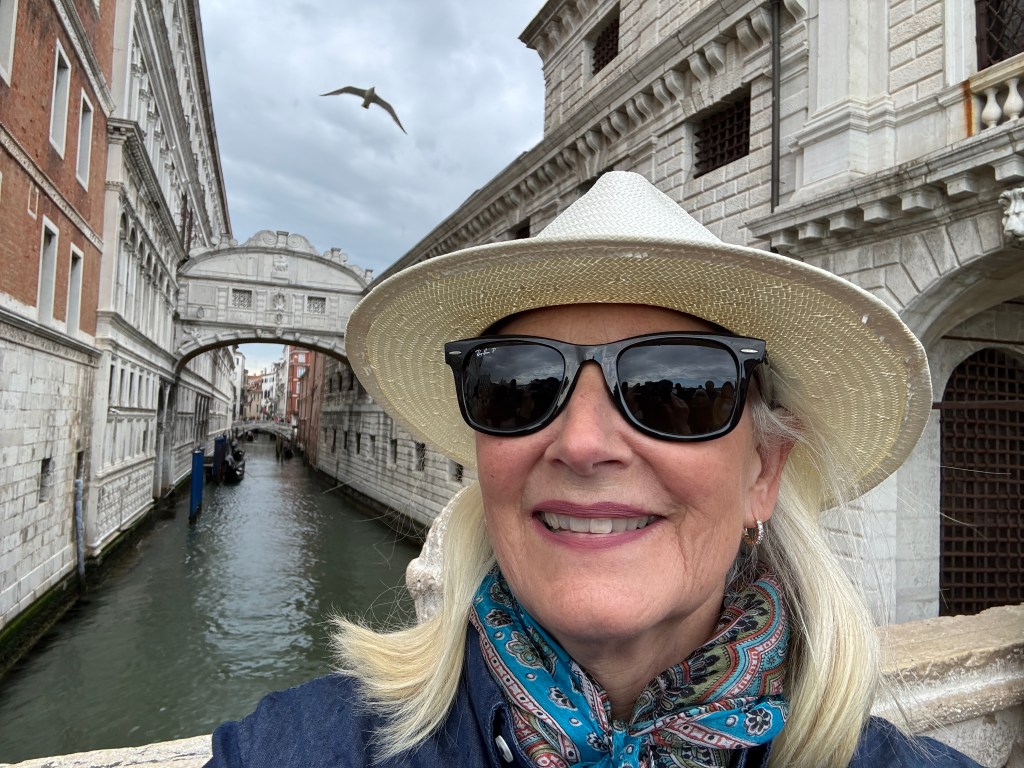
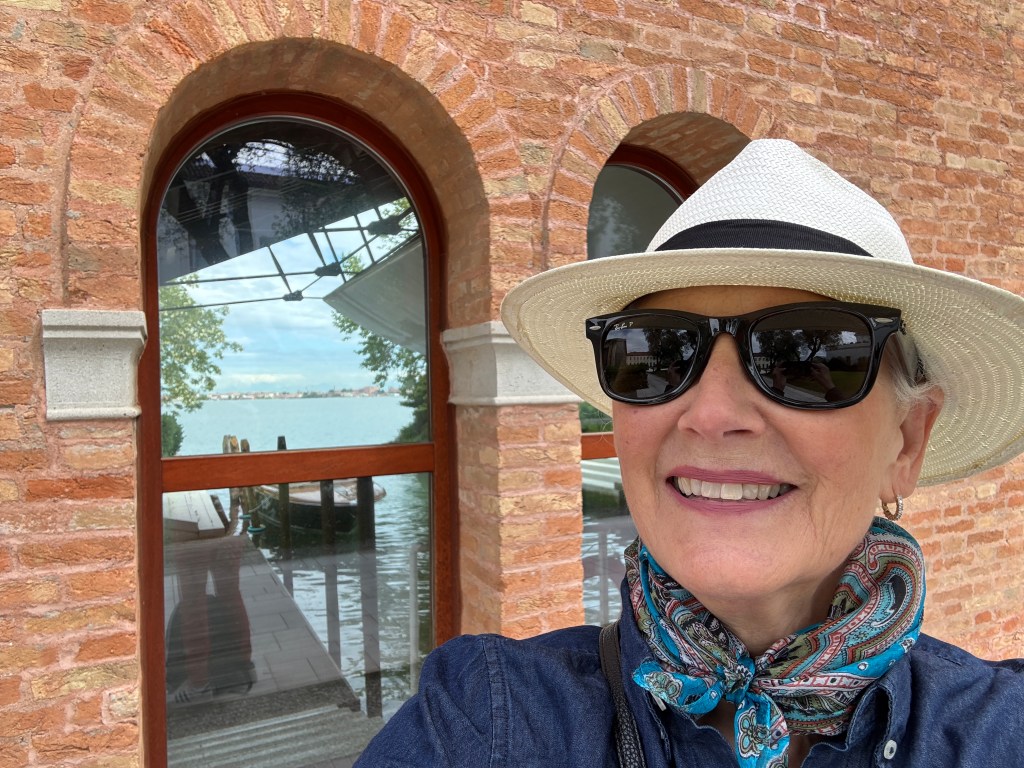
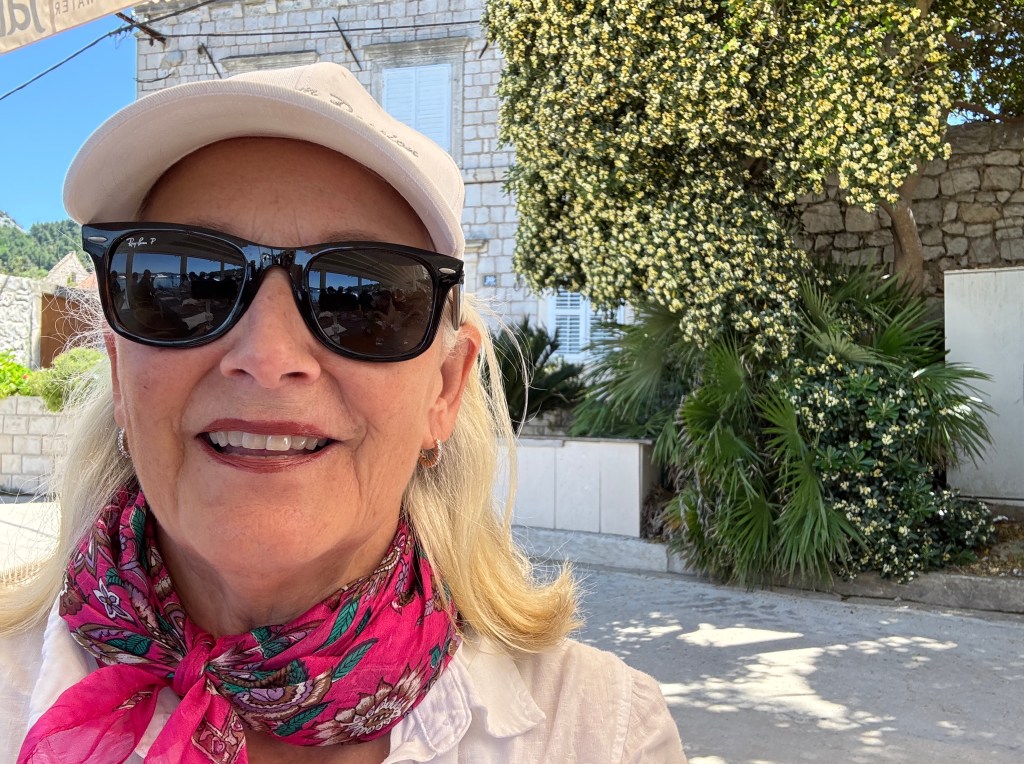
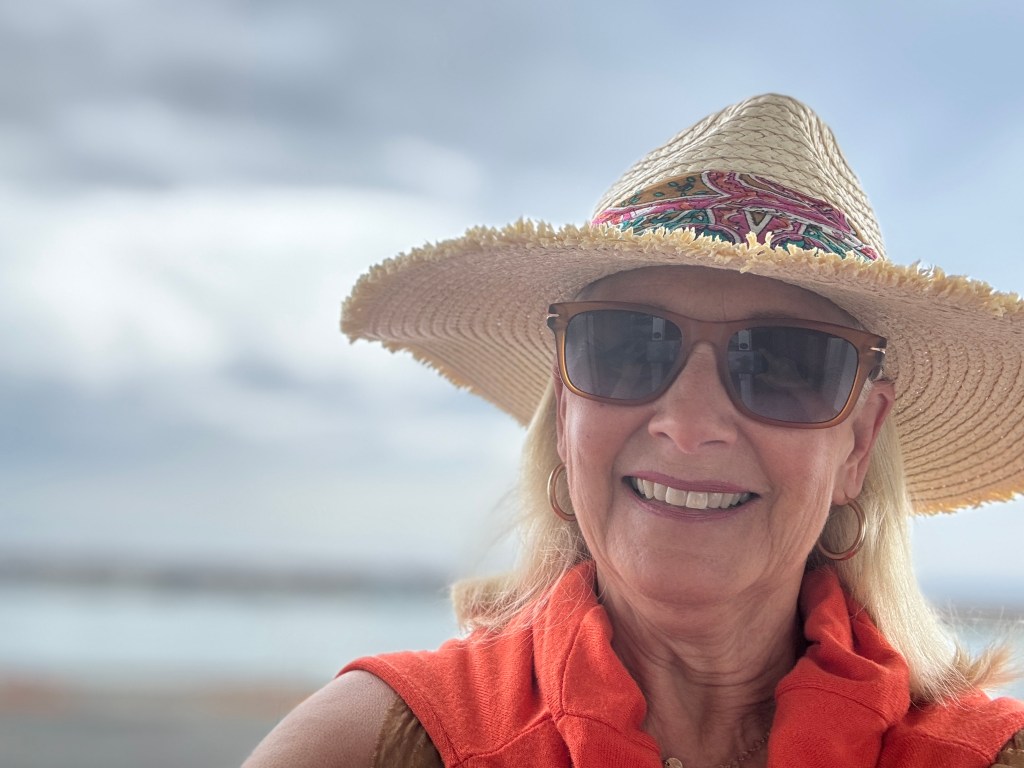
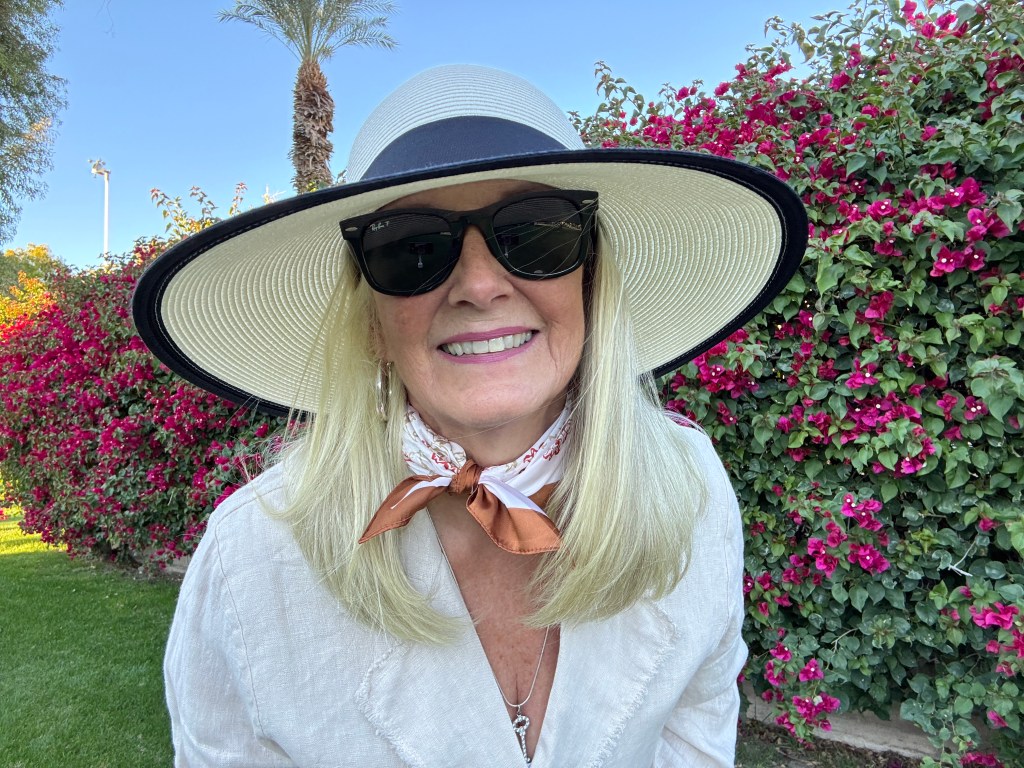
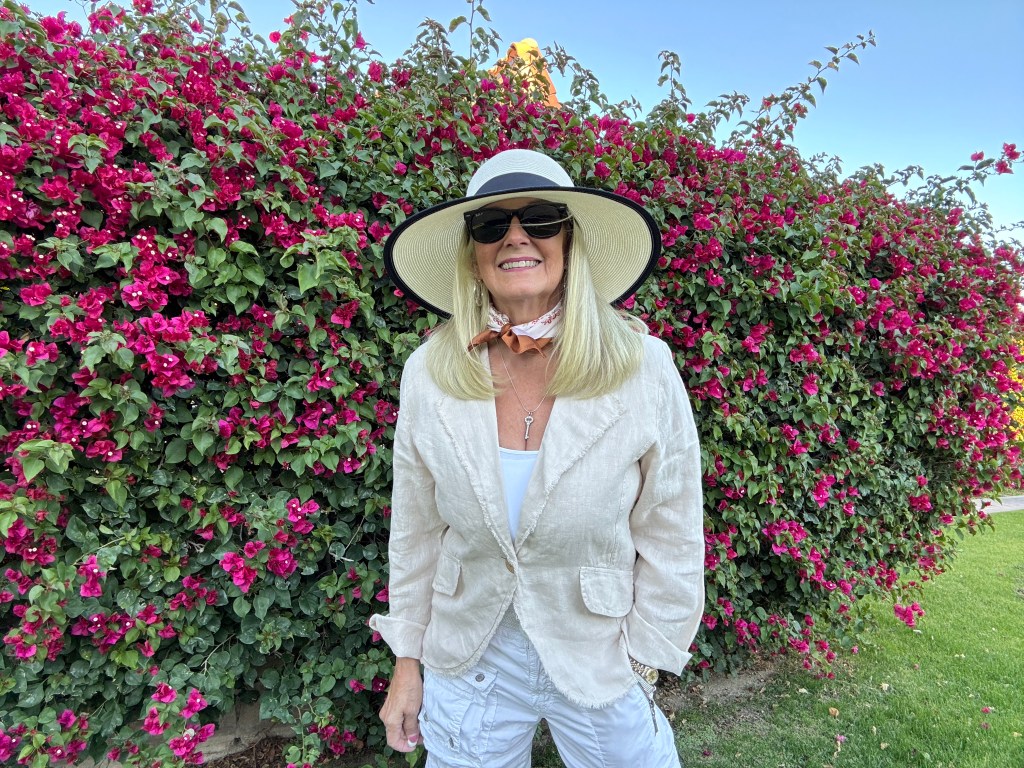
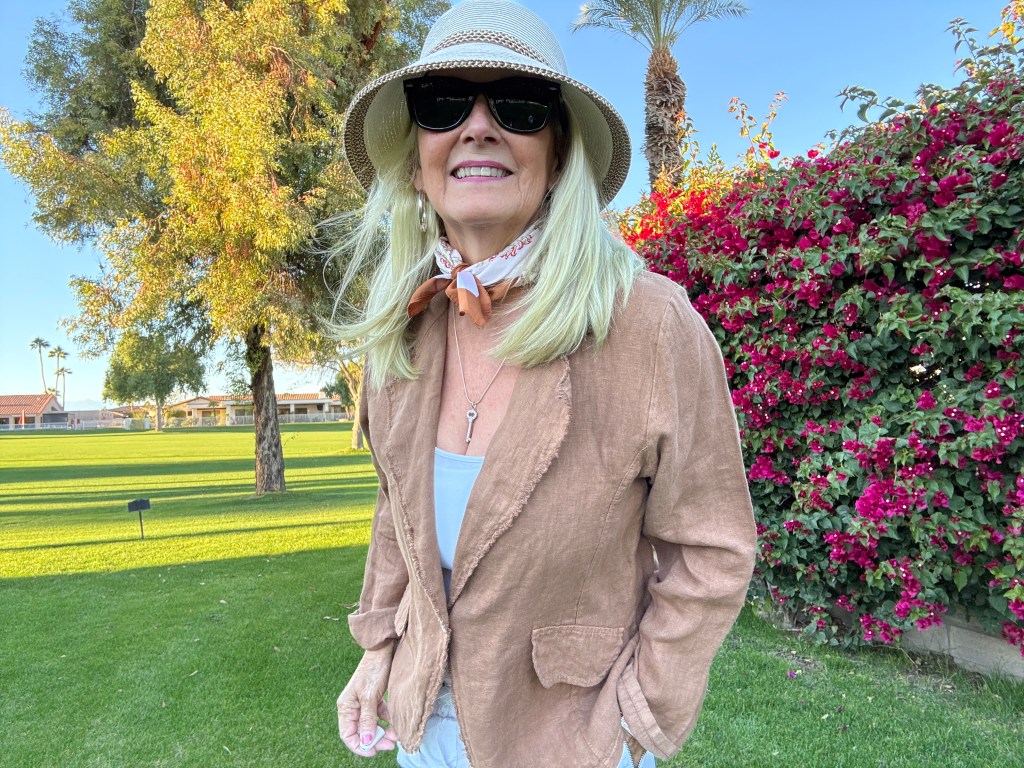
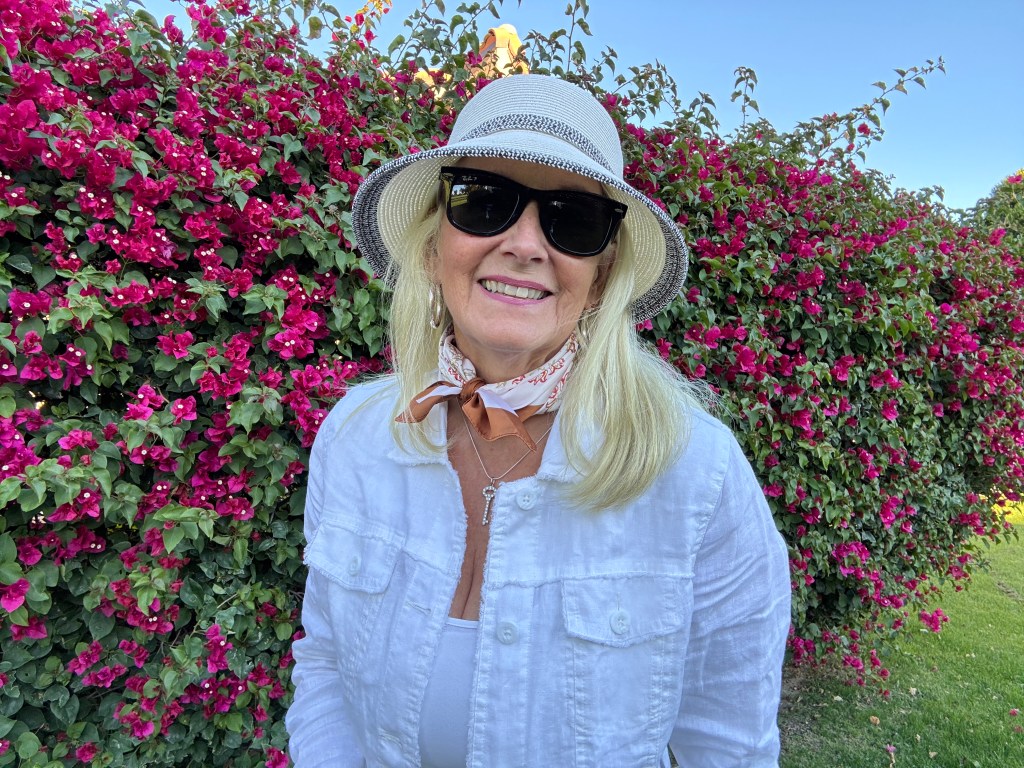
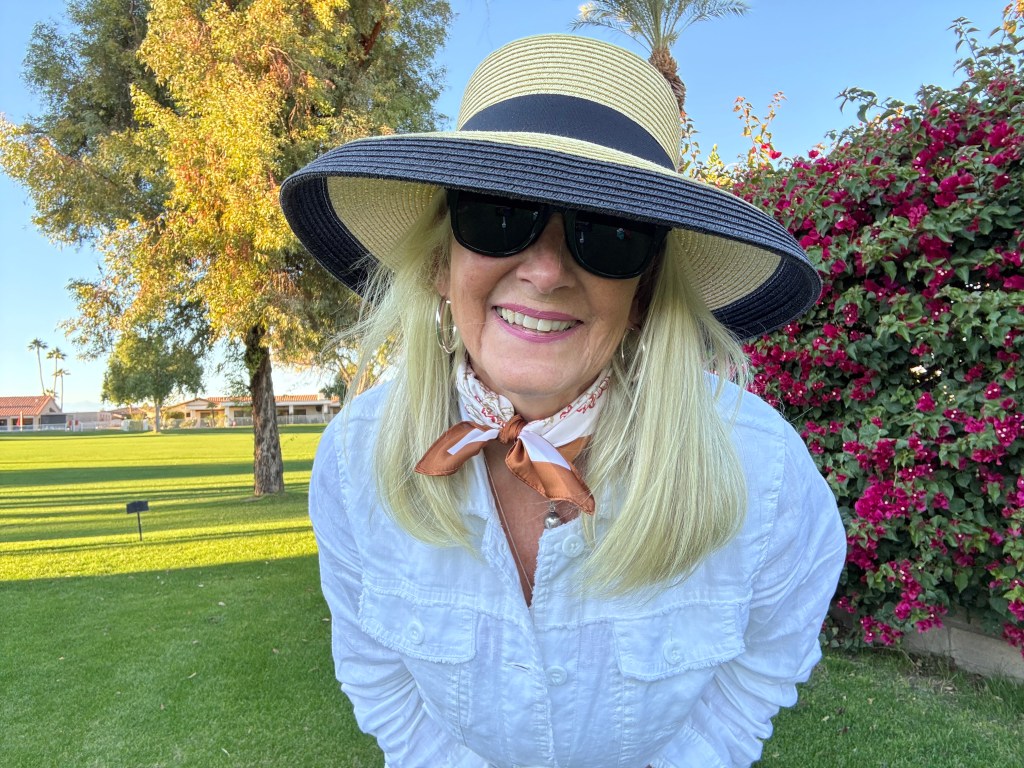
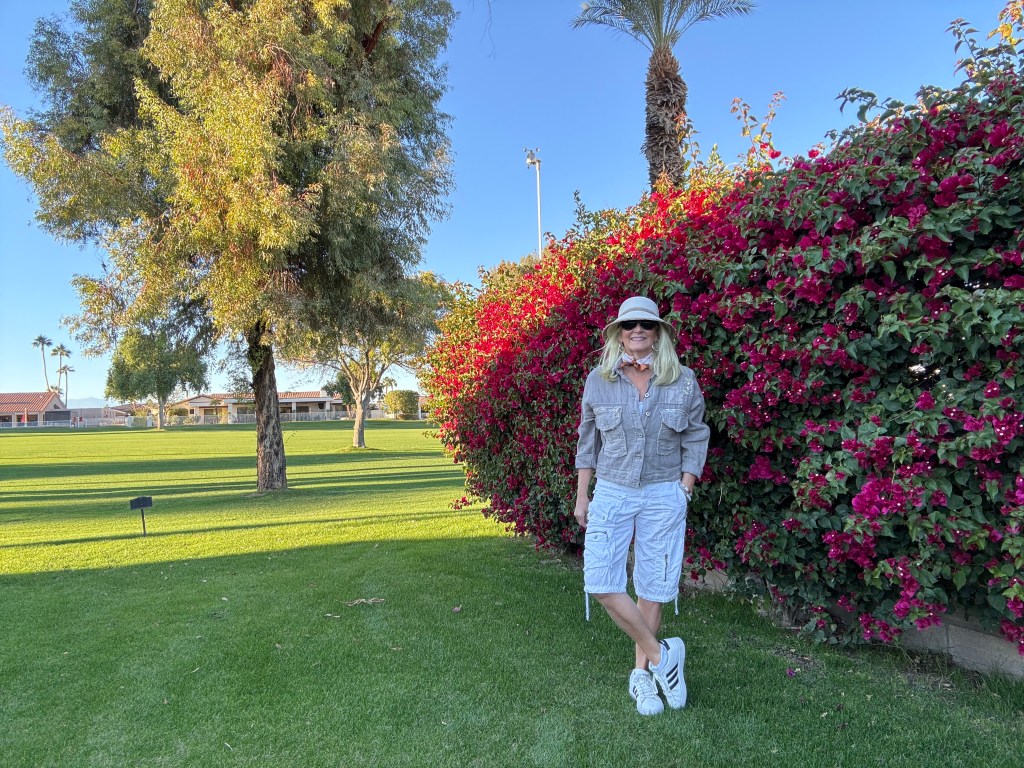
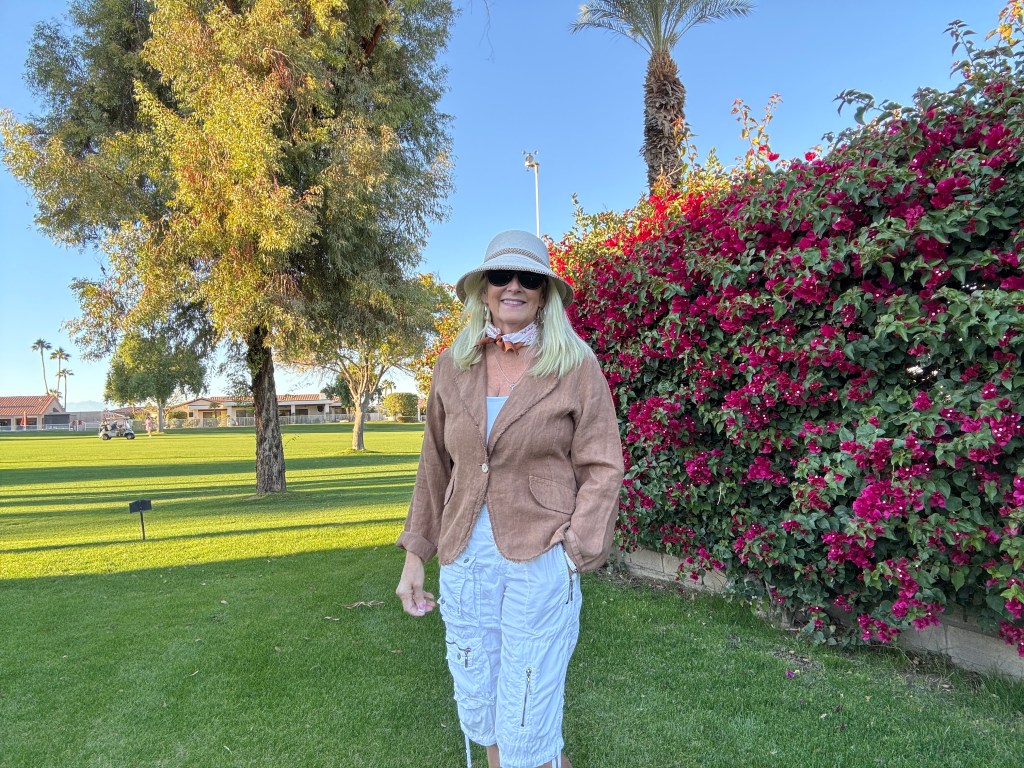
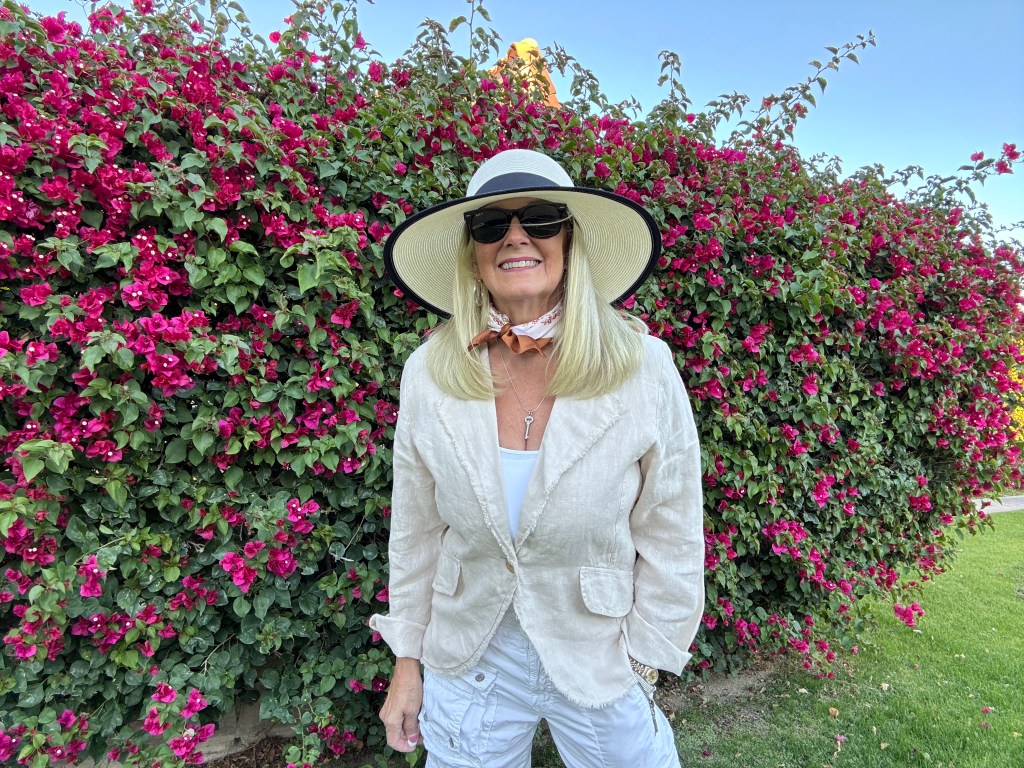
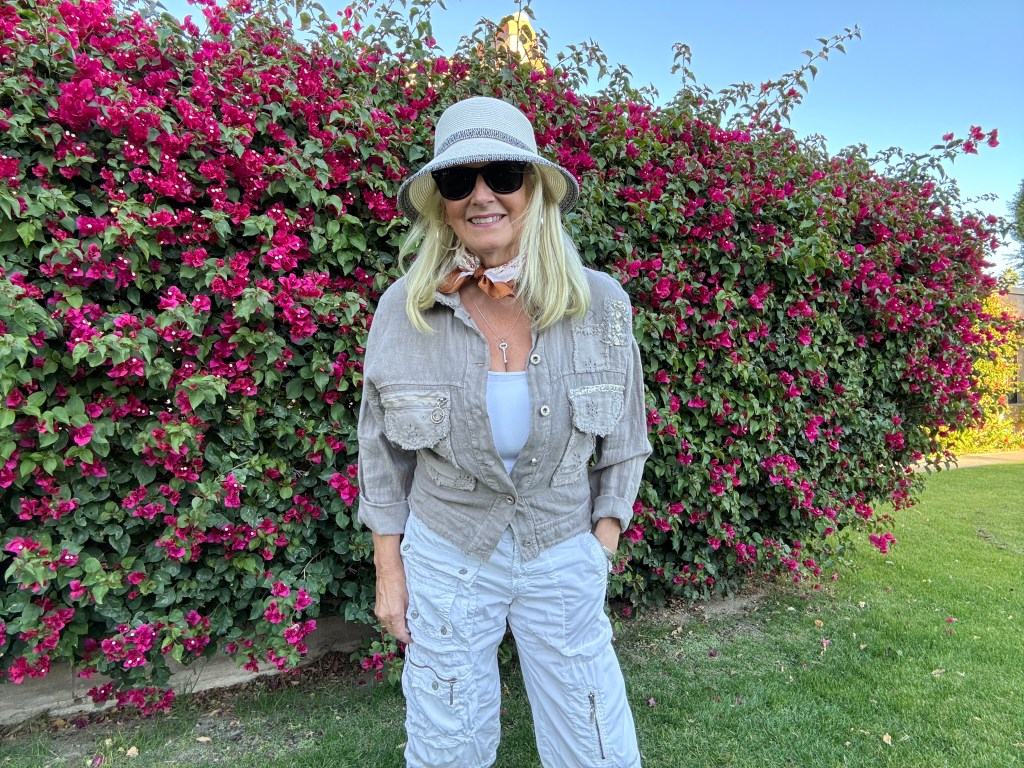
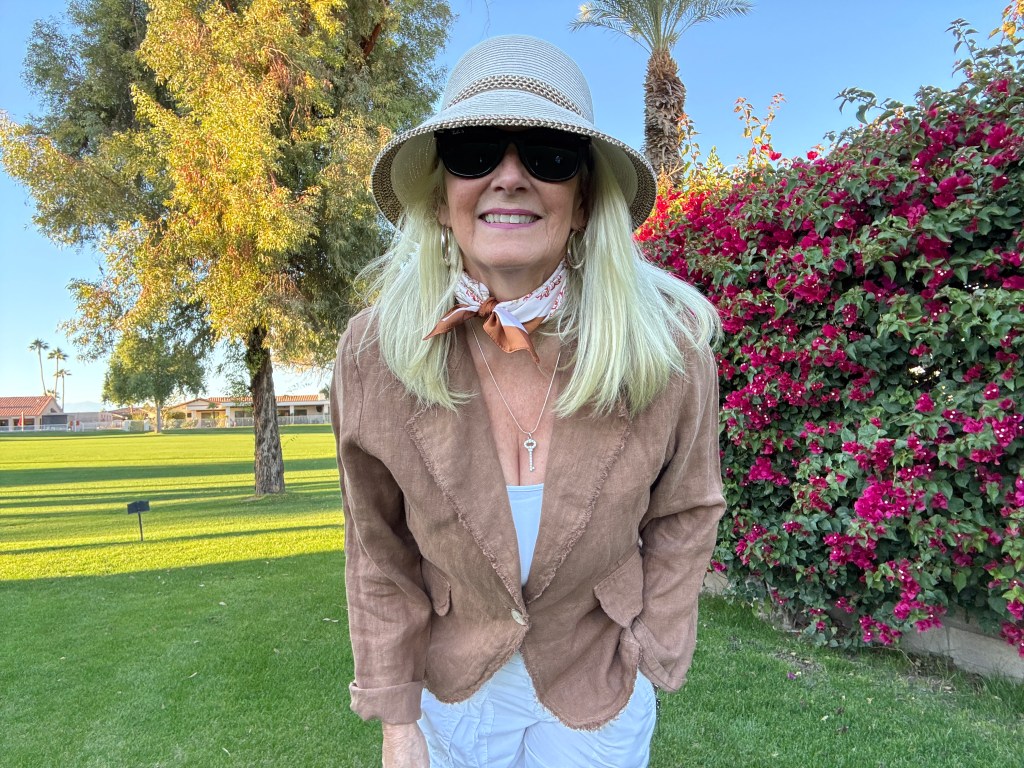
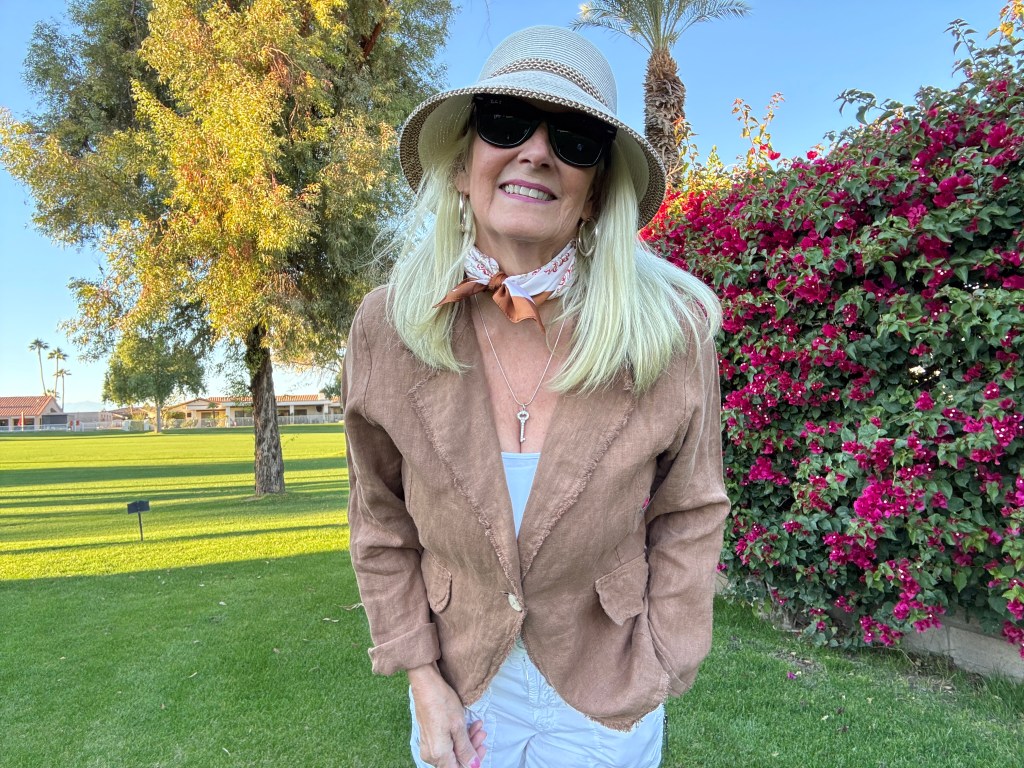
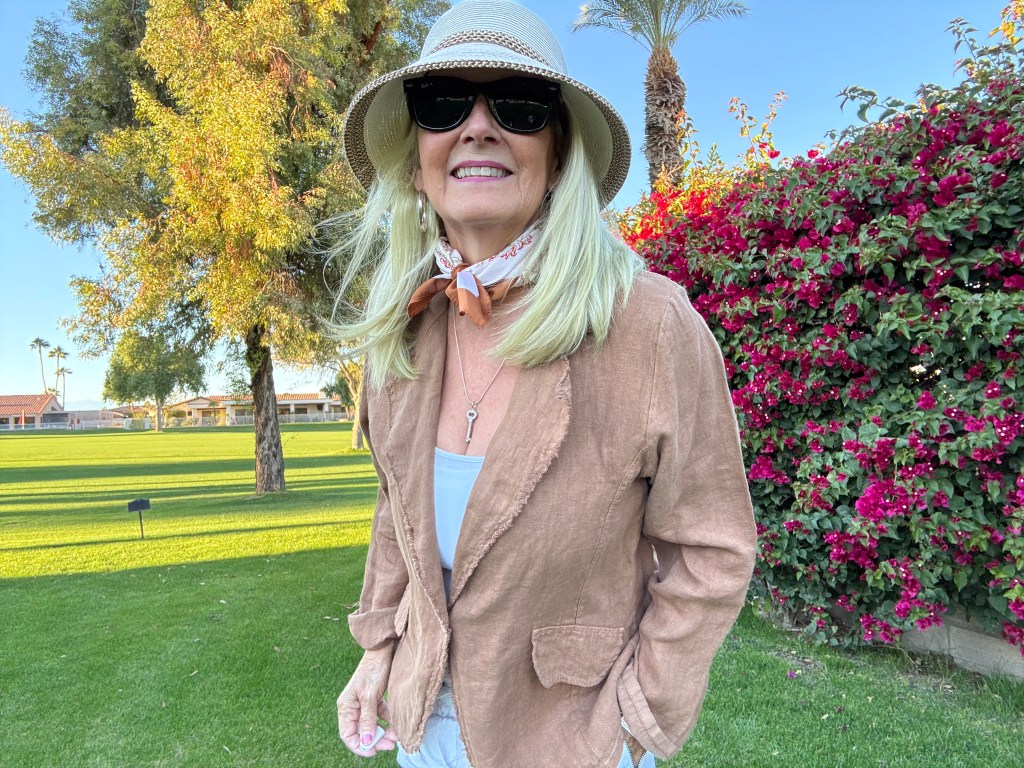
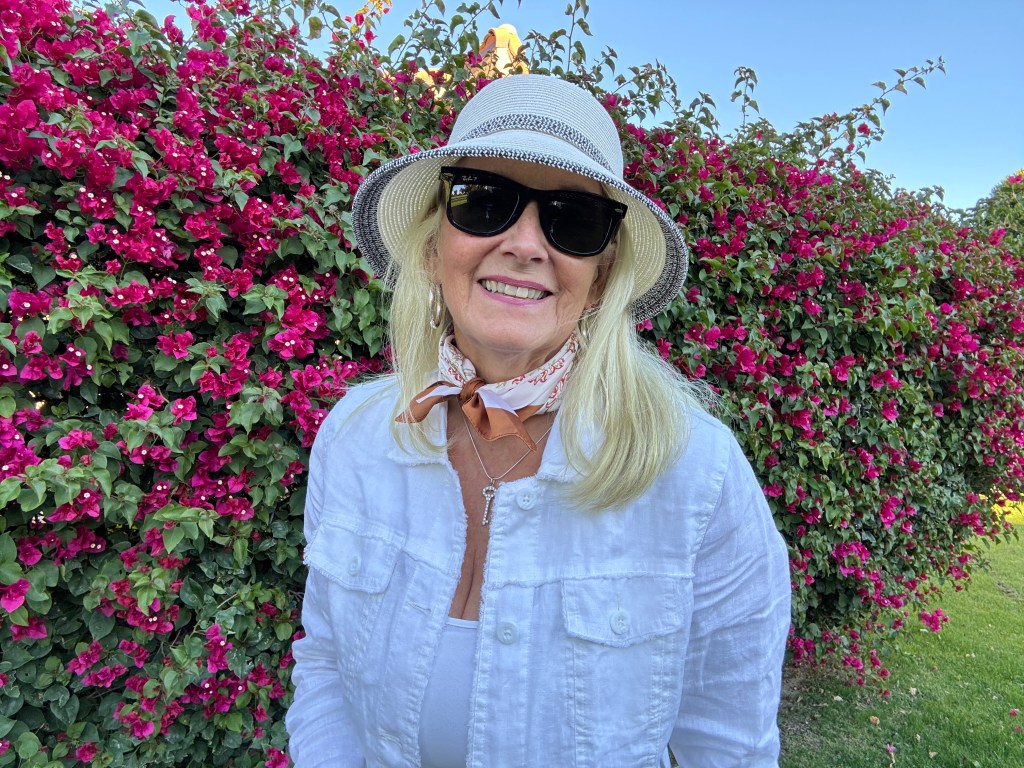
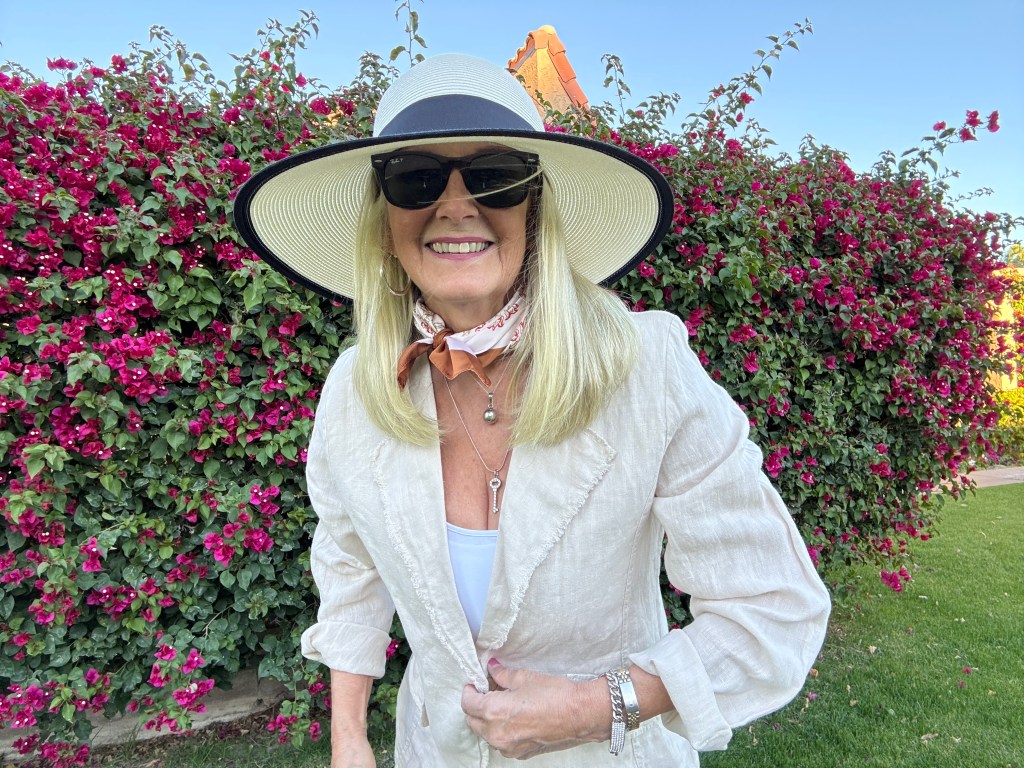
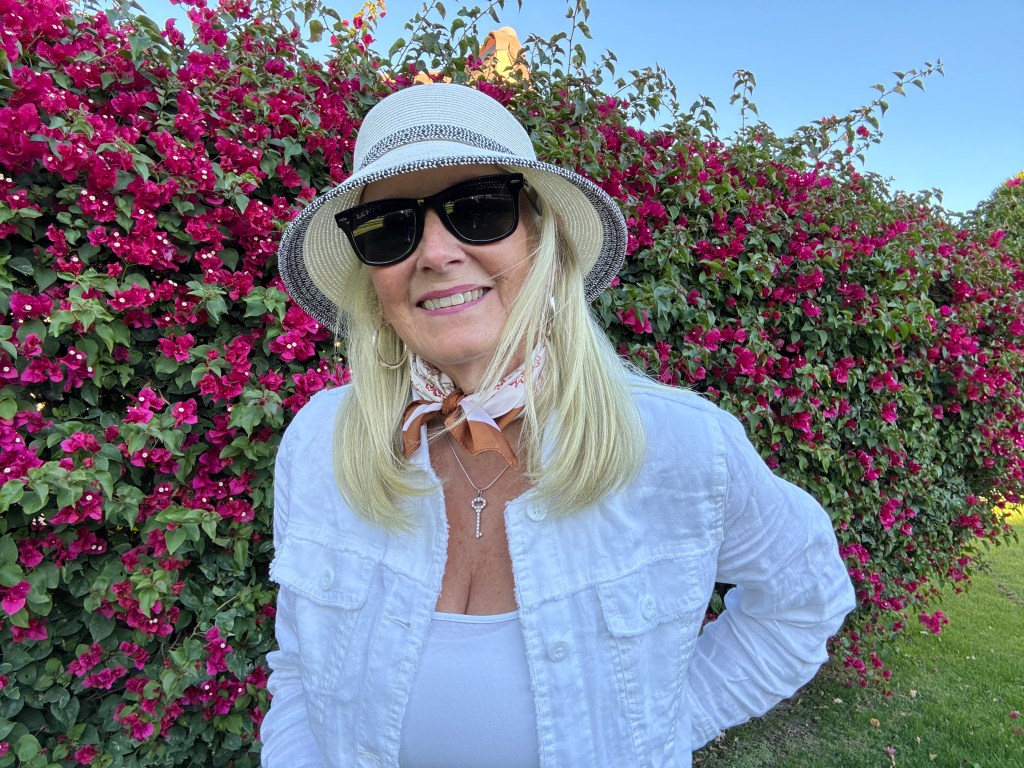
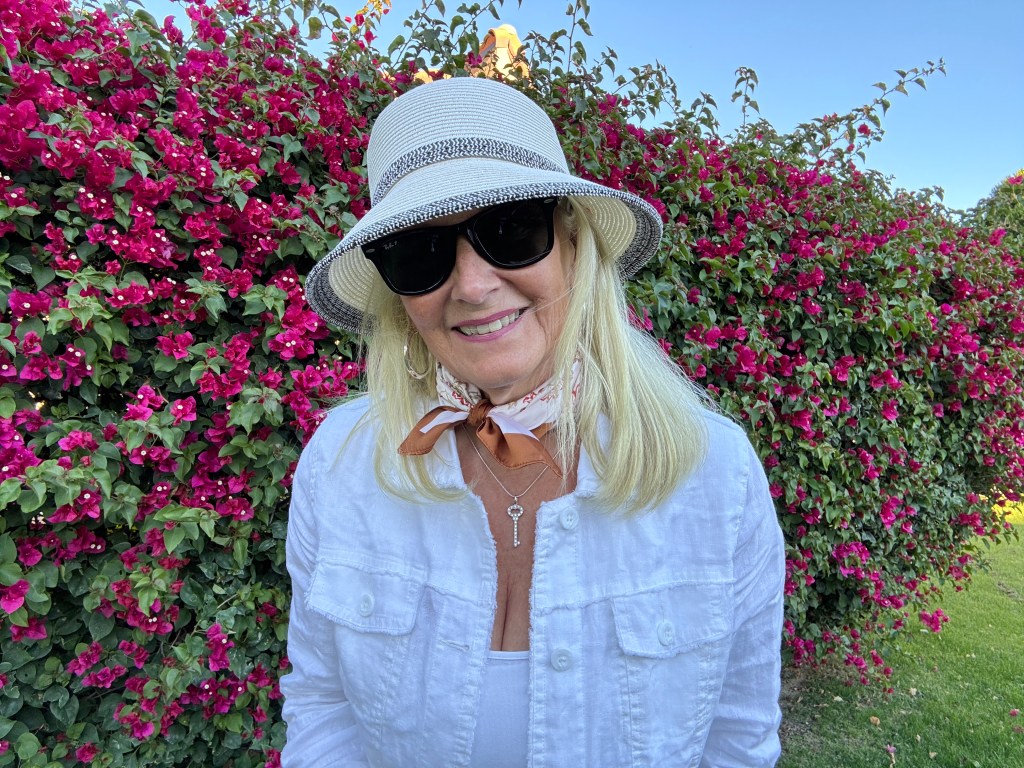
Dress with intent while summer traveling in Europe
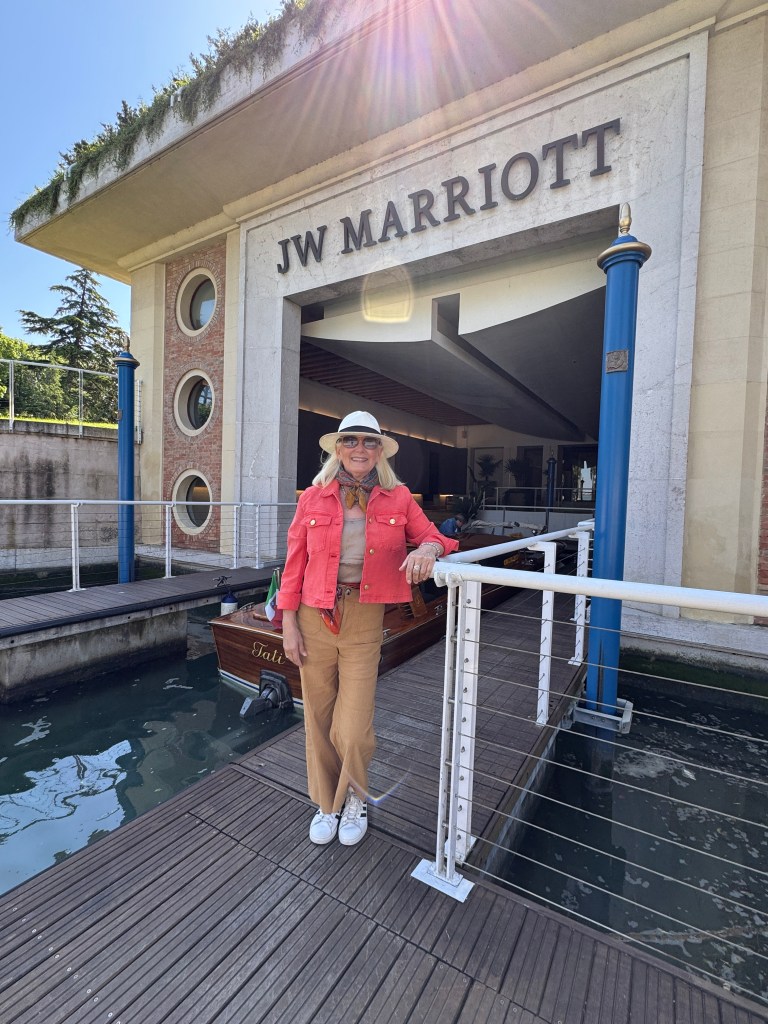
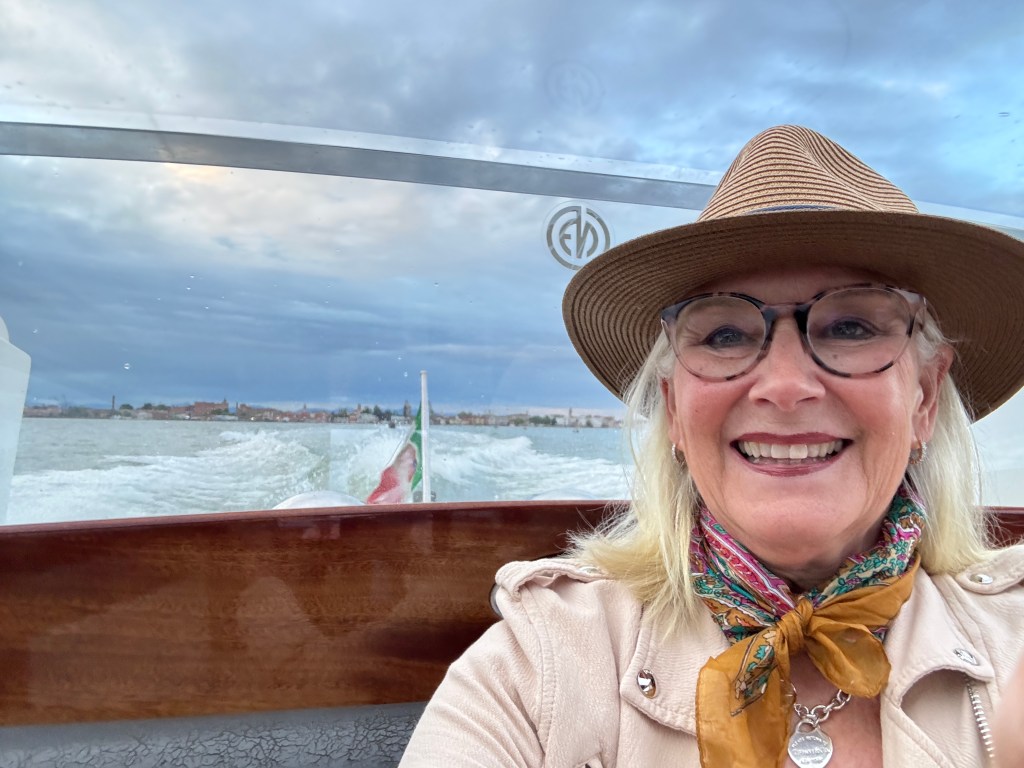
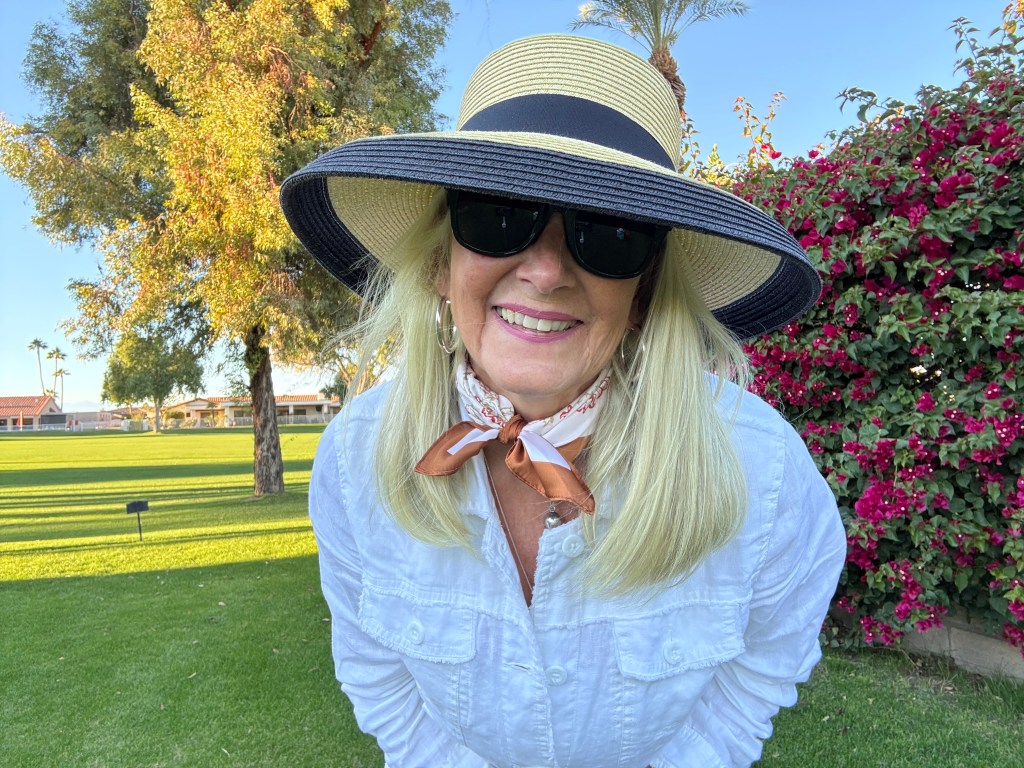
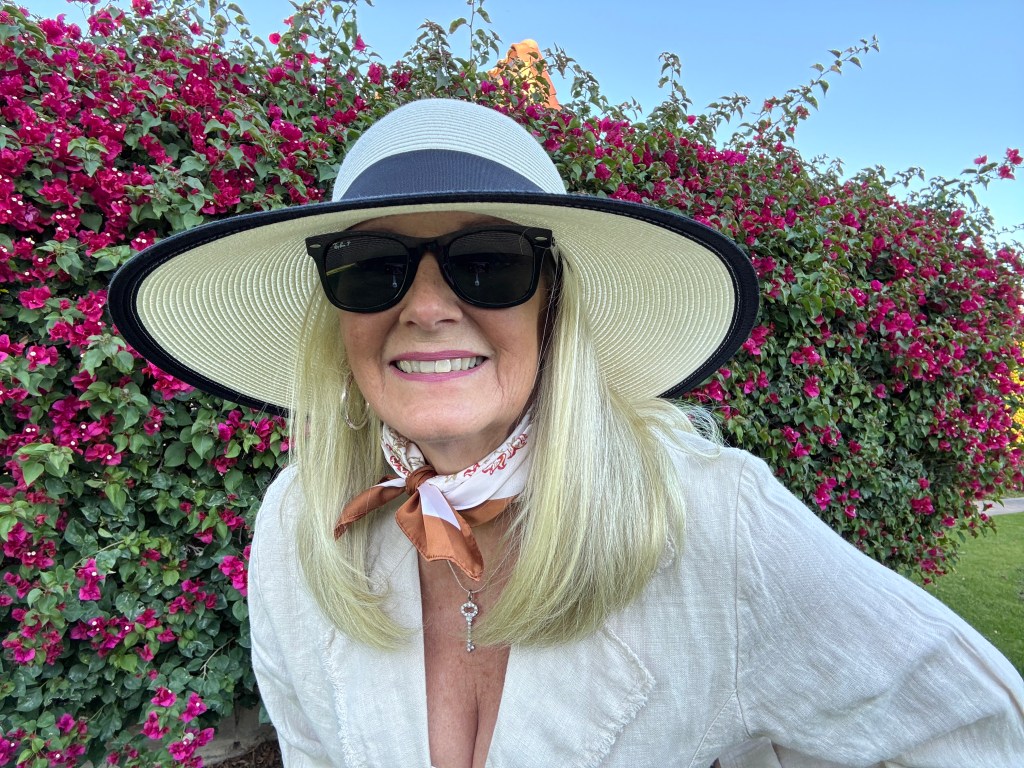
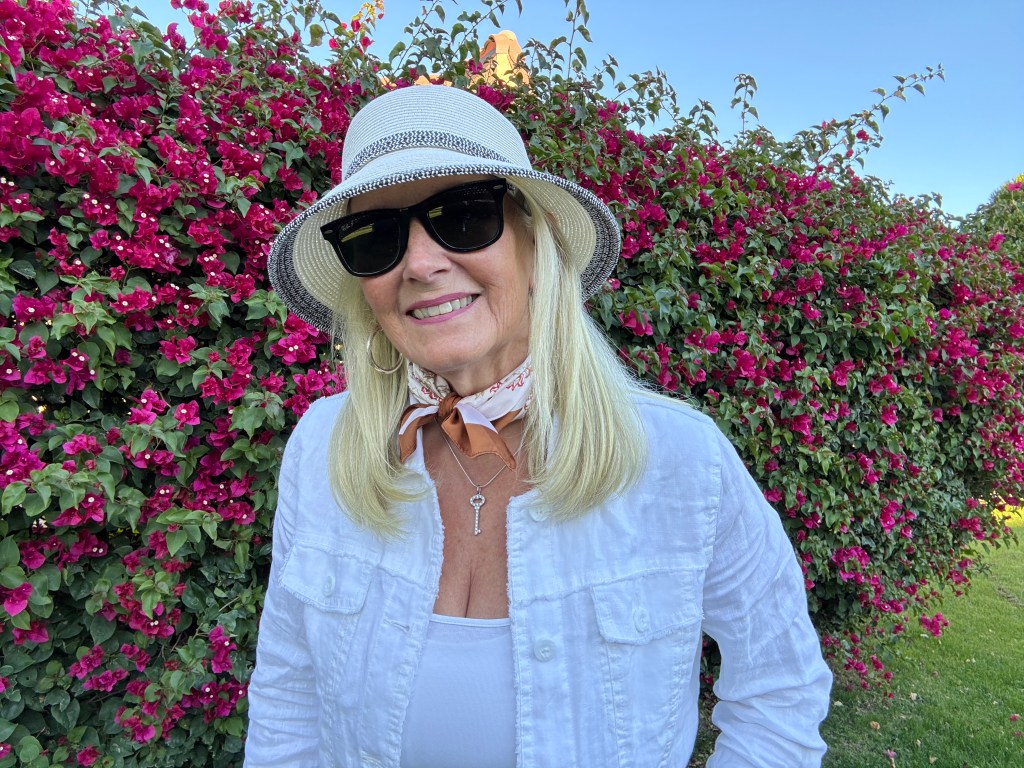
Dressing for travel in Europe does not require excess. It requires intention.
Pack three jackets, three scarves, and four hats. Add tennis shoes and flip-flops, one sweater, three tops and three bottoms, one dress, and one pair of evening shoes. Add two belts for styling. Each piece should work with the others.
With this structure, you can adjust for weather, setting, and occasion. The same garments shift from casual to formal by changing layers and accessories. The result is controlled, deliberate, and consistently polished.
















-
Powwow Heartbeat: a script (University of Colorado at Boulder)

The Heartbeat of the Powwow returned to the University of Colorado at Farrand Field on Sept. 28, 2024. (Melodie Miller | Photographer)
Listen to powwow musician Tony Crank at the University of Colorado Farrand Field Sept. 28, 2024. The Colorado American Indian Tribes In-State Tuition Act (CO SB 21-029) was passed to allow eligible students to pay in-state tuition at Colorado public universities and colleges.(Melodie Miller | Photographer)
This was the first powwow on campus in 23 years.
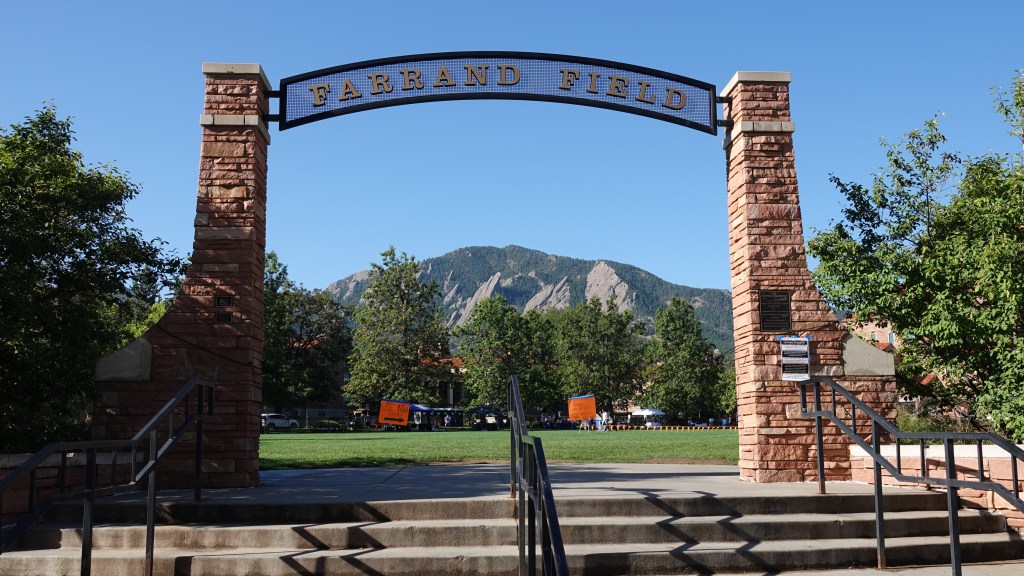
Farrand Field was named after Livingston Farrand, the university’s fourth president who served from 1914 to 1919.

After 23 years, the powwow returns to campus as a celebration of faith and tradition for the indigenous peoples of Colorado.

Grand entry for the powwow. (Melodie Miller | Photographer)

After 23 years, the powwow returns to campus as a celebration of faith and tradition for the indigenous peoples of Colorado. The grand entry victory song and two rounds of intertribals.
-
The Passion (2004), according to Biblical text
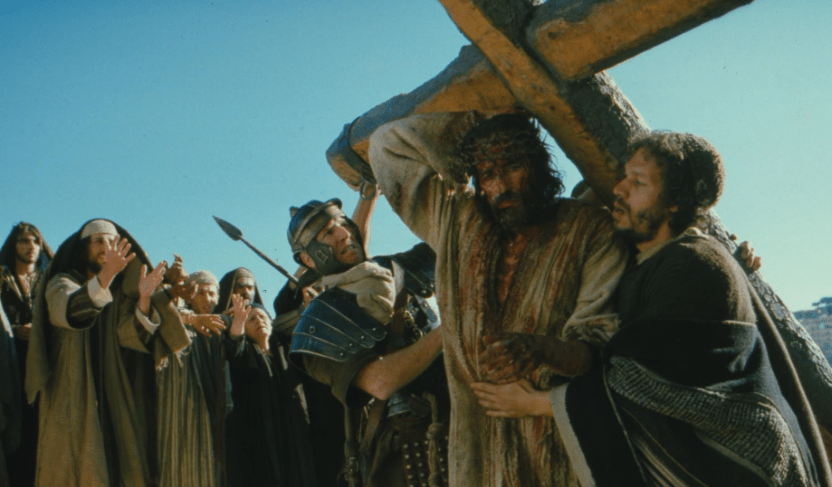
Jim Caviezel stars as Jesus Christ in Benedict Fitzgerald’s and Mel Gibson’s The Passion of the Christ. (Photo courtesy of IMBD, The Passion of the Christ).
-
Hercules (1997), an Academic Critique

Hercules (1997) Walt Disney Studios (Photograph courtesy of IMDB.com)
-
Ben-Hur (1959), a Twentieth Century Spectacle

William Wylers Ben Hur (1959) starred Charlton Heston as Judah Ben-Hur. (Ben Hur Film 1959 Stock Photos, Getty Images).
-
Politics in the Ancient and Modern Olympic Games
A commentary on how the ancient Olympic Games differ from today.

Olympic Games (Photograph courtesy of the Bridgeman Art Library)
-
The Pliny’s Contributions: A License for Inspiration
How the Pliny’s ancient writings created a lasting impact by inspiring Mary Shelley’s “Frankenstein” and Charles Dickens “A Christmas Carol.”
“Pliny the Younger” refers to Gaius Plinius Caecilius Secundus, a Roman author and lawyer who witnessed the eruption of Mount Vesuvius in 79 CE is most famous for his collection of letters. “Pliny the Elder” refers to his uncle, Gaius Plinius Secundus, a renowned natural historian who died during the eruption of Mount Vesuvius in 79 AD. Pliny the Younger is the nephew of Pliny the Elder, and both are known for their significant written works from ancient Rome.


Pliny the Elder. (Left) Pliny the Younger. (Right). Encyclopedia Britannica. Mary Evans Picture Library Ltd / age fotostock .
Pliny the Elder wrote the Natural History, an encyclopaedic work of uneven accuracy that was an authority on scientific matters up to the Middle Ages.

Pliny the Younger and his Mother at Misenum AD 79, Angelica Kauffmann, 1785, (Courtesy of Princeton University Art Museum
Read more about Pliny.
Mary Beard for The Guardian. https://www.theguardian.com/books/2012/jun/22/olympic-games-ancient-modern
-
“Pompeii:” An Analysis of Scientific Accuracy
In “Pompeii,” Robert Harris writes a fictional testament to Roman engineering brilliance during the 79 AD eruption of Mount Vesuvius.

Pompeii (Getty Images / Stockphoto)
-
Risen (2016), a Roman Passion Play, a review

Kevin Reynold’s Risen (2016), set in 33 CE, stars Joseph Fiennes as Clavius, a Roman Tribune in Judea who is tasked with finding the missing body of Jesus Christ.
-
John Roberts shares his sustainable Sunflower Farm with the community

The Longmont Colorado Sunflower Farm video and interviews were written and produced by Melodie Miller.

Sunflower Farm, Longmont Colorado (Melodie Miller Photographer)
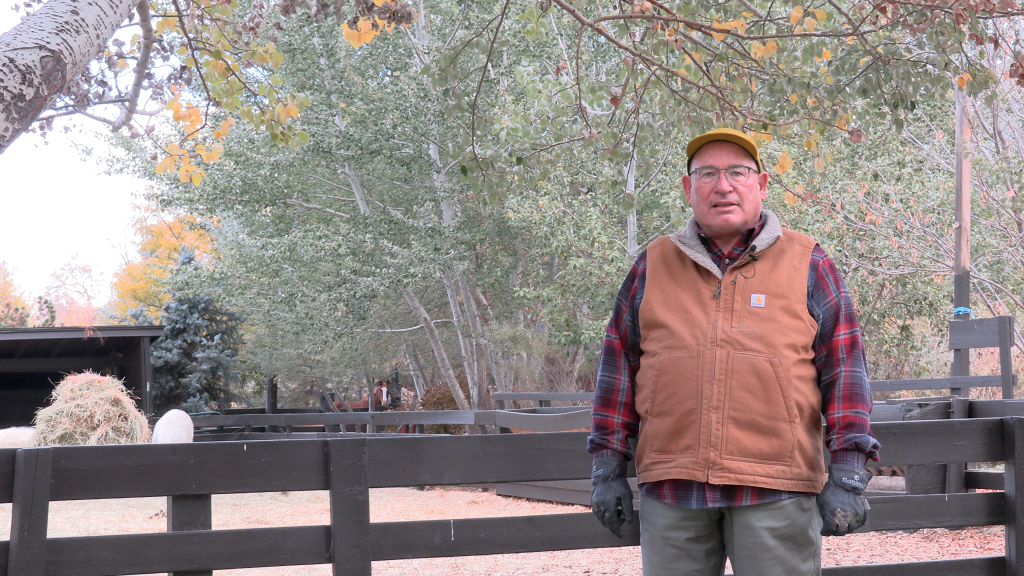
John Roberts, owner of Sunflower Farm, Longmont Colorado (Melodie Miller Photographer)
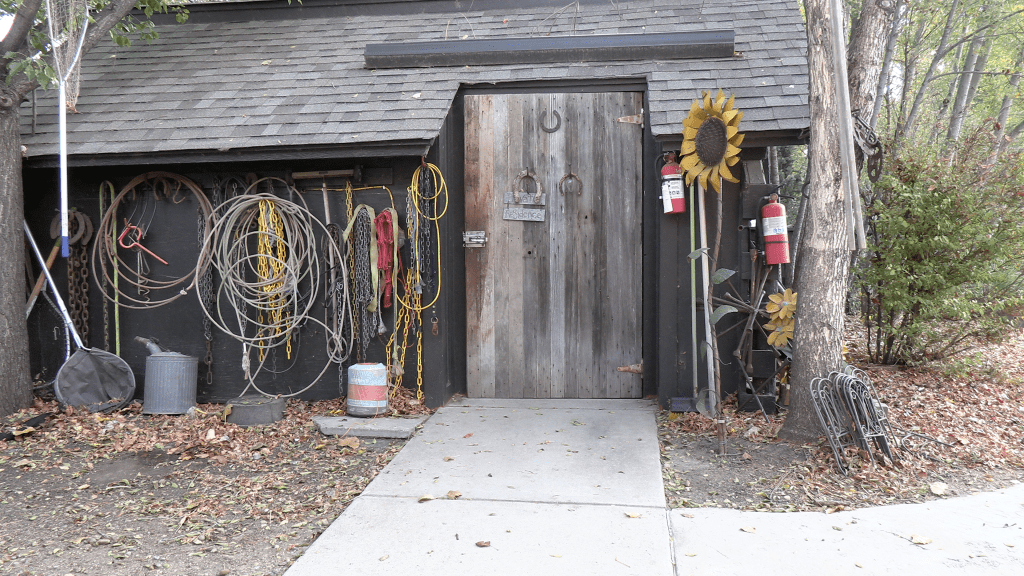
The tool shed on Sunflower Farm, Longmont Colorado (Melodie Miller Photographer)
-
University of Colorado Students Brave the Near-Freezing Temperatures to Vote on Election Day
By Melodie Miller and Adair Teuton
Updated Nov. 7, 2025 | 4 minute read
The presidential election ended on Tuesday. Multiple ballot drop boxes and the University of Colorado Boulder Memorial Center voting poll closed on the CU Boulder campus at 7 p.m.
Students lined up at the entrance to the Glenn Miller Ballroom inside the UMC at near-freezing temperatures, the line extended out the door. The warming tent housed many voters who waited to exercise their constitutional right.
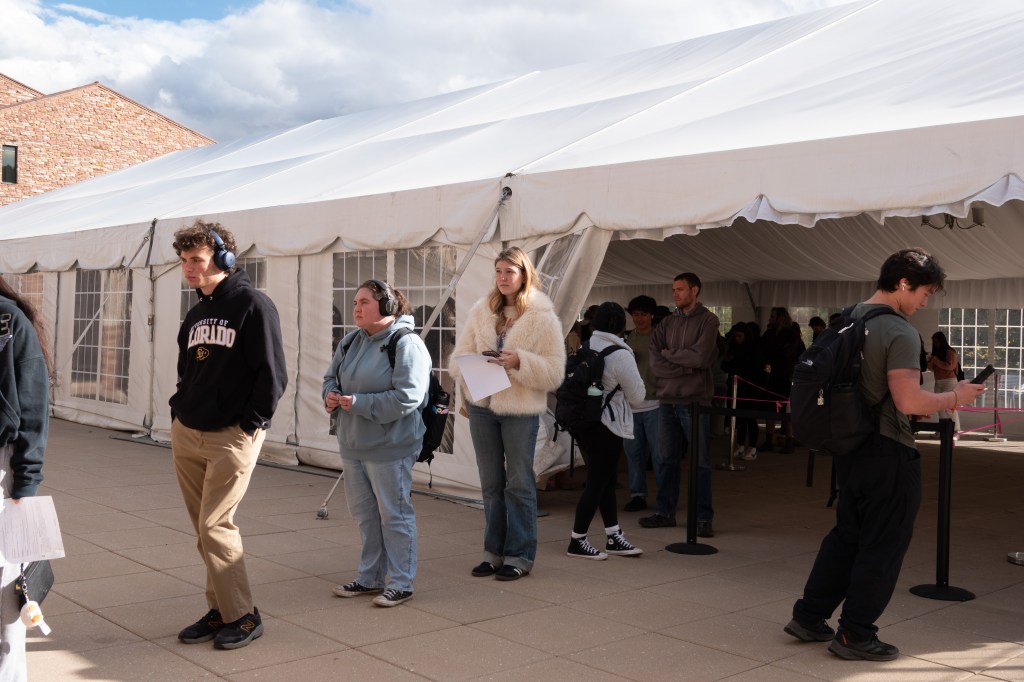
University of Colorado, Boulder students wait in line to vote outside the Colorado Memorial Center. (Melodie Miller | Photographer)
“Colorado typically boasts one of the highest turnouts for young voters in the entire country,” said Nicole Hensel, the director of New Era Colorado.
First-time voter Haley Hastedt, a senior at CU Boulder, expressed her concerns.
“I am extremely nervous about the election today,” Hastedt said. “I believe this is the most important election of our lifetime, and at this point, I think it could go either way,.”
University of Colorado, Boulder students register to vote at the Colorado Memorial Center. (Melodie Miller | Photographer)

Many first-time voters scrambled for identification cards and asked volunteers for information about how to register and vote. In-person voters show ID and “skip the signature verification,” which speeds up the process, according to Mircalla Wozniak, a communications specialist for Boulder County. All Colorado voters can register with Ballottrax to receive confirmation text messages that their ballot was received and counted. If there is a problem, Boulder County will notify the voter.
Thomas Uroskie, a CU Boulder student, waited in line at UMC. “This is my first time voting. I am feeling kind of weird. I’d rather vote in person than a mail-in ballot and get the experience,” Uroskie said.
Election day in Boulder unfolded smoothly after concerns heightened over ballot box fires reported in Washington and Oregon by CNN on Wednesday, October 30. Ballot box security “didn’t come out of nowhere. We have mechanisms for this,” Wozniak, said. “We have a regular pick-up schedule as we get closer to the election.”

New Era volunteers positioned outside the University Memorial Center answered voters questions. (Shutterstock | Photographer)
Georgia Moreland, a senior majoring in English at CU Boulder, said, “I’m nervous for the state of the country and how divided we have become due to this election.”
The FBI positioned election coordinators and command posts nationwide to enable streamlined communication and rapid response to ensure the safety of election workers, voters, ballot boxes and polling stations.
“Every FBI field office will stand up an election command post to coordinate with their local and state partners,” FBI spokesperson Vikki Migoya said. “Our focus is on protecting elections from potential threats so Coloradans can have confidence in their democratic process.”
The CU Division of Public Safety partnered with the CU Boulder Police Department to secure the UMC polling location and the rest of campus on election day. Academic buildings were locked with a Buff OneCards required for entrance “as part of ongoing efforts to enhance campus safety and minimize disruptions,” CUPD spokesperson Christine Mahoney said.
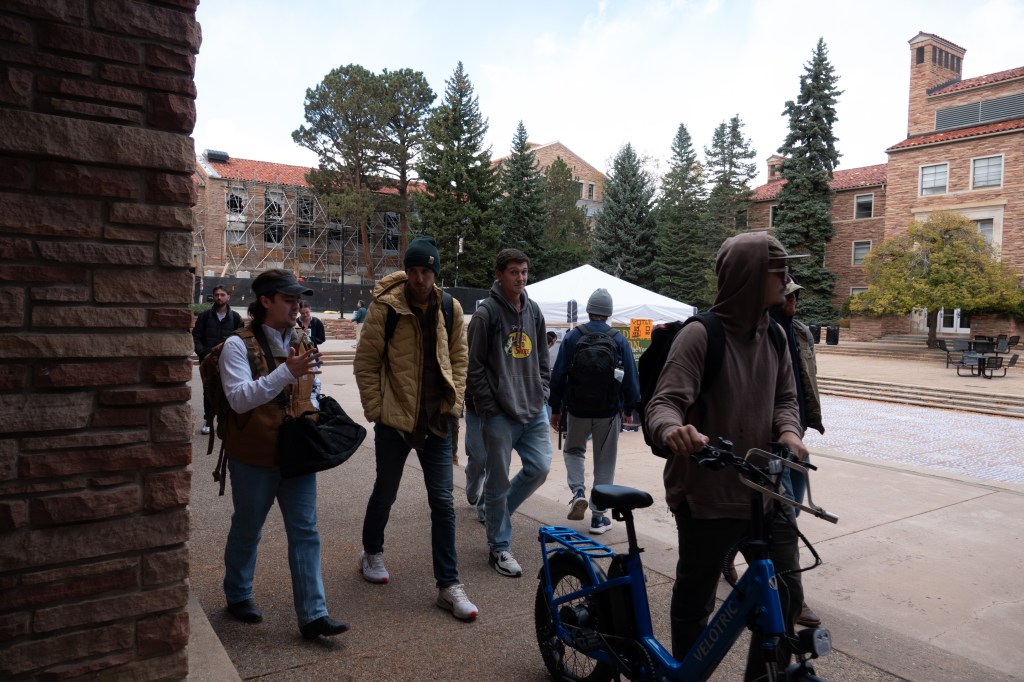
University of Colorado, Boulder students exit the University Memorial Center. (Melodie Miller | Photographer)
“Our campus is definitely encouraging the get out the vote, and we’re very very happy students are engaging in their civic duty,” Mahoney said. “We’re here to provide safety so they can do that.”
New Era Colorado was “on eight college campuses all across the state,” Hensel said, making sure that students had their voting rights protected “until every lost voter was through the polls at 7 p.m.”
New Era Colorado volunteers answer voters questions outside the University Memorial Center. (Melodie Miller | Photographer)
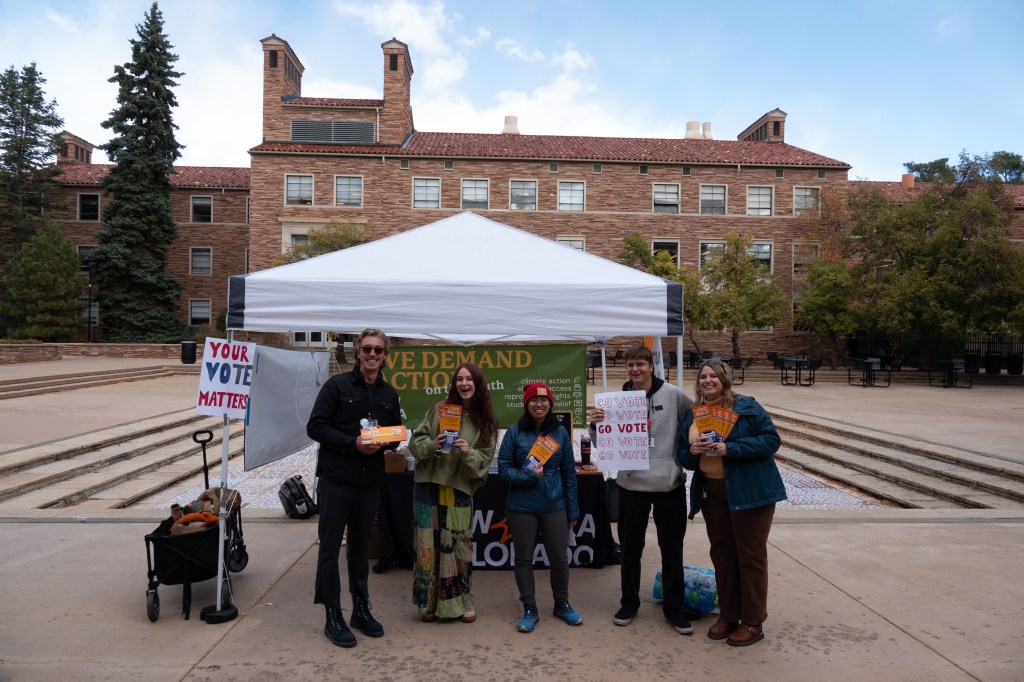
New Era volunteers positioned outside the University Memorial Center answered voters questions. (Melodie Miller | Photographer)
Although safety was a priority on campus, the results of the election troubled Elena Sedin, a junior in Philosophy at CU, Boulder. “I couldn’t relate to half of the U.S. population. I felt like a lot of people hate me through their vote,” Sedin said
New Era director Hensel said she felt “confident in the integrity of campus elections and knows that Colorado student election boards all across the state were working to ensure that students have safe and secure elections.”
New Era Colorado is a non-profit 501(c) political advocacy group that aims to educate and mobilize young people where they can have the greatest impact. New Era Colorado is a free resource for voters who want to know more about the ballot initiatives.

University of Colorado, Boulder students climb the stairs to the University Memorial Center to place their vote. (Melodie Miller | Photographer)
First-time voter Arielle Buzil said “It is very nice to vote, it feels empowering. It’s a little overwhelming, but I think it’s good because we’re all coming together and making change to the world.”
The Boulder County ballot included the presidential race, CO state and local candidates, measures, and the state constitutional Amendment 79 that would protect the right to an abortion. Colorado voters passed Amendment 79 with 1,736,436 votes, an 81% ‘yes’ vote by Boulder County and a 61.9% ‘yes’ vote statewide, as of 8:35 p.m. Thursday, Oct. 7.
CUPD offers a non-emergency line at 303-492-6666 to report any concerns that violate campus policies and 911 in an emergency.
Colorado voters can check the status of their ballot at https://ballottrax.coloradosos.gov/voter/
Voters can check election Colorado election results at https://results.enr.clarityelections.com/CO/122598/web.345435/#/summary
Originally Published: Nov. 5, 2024.
-
All Things Fiction
AI Image Generation
I live in Boulder, Colorado and create AI prompted images to match your story and marketing needs.

I am a writer, teacher, tutor, designer and artist. I have spent my career creating commercial products that people use to enrich their lives. I have a bachelor’s degree in English Literature from the University of Colorado. I am currently studying French there. I am also tutoring students in the Writing Center. While I working with English as a second language students I became inspired to write and illustrate simple French stories. Luc Apprend à Partager is the first in this series.

In the Luc Apprend series, my goal is to create a sympathetic mouse character. I want the character to be relatable. Children will adore and want to emulate this mouse. The stories are simple and entertaining. The mission is that Luc’s character will encourage positive behavior while readers are learning French and English words.
In Luc Apprend à Partager, Luc learns the importance of sharing after he encounters a shop keeper who wants to keep all his food for himself.
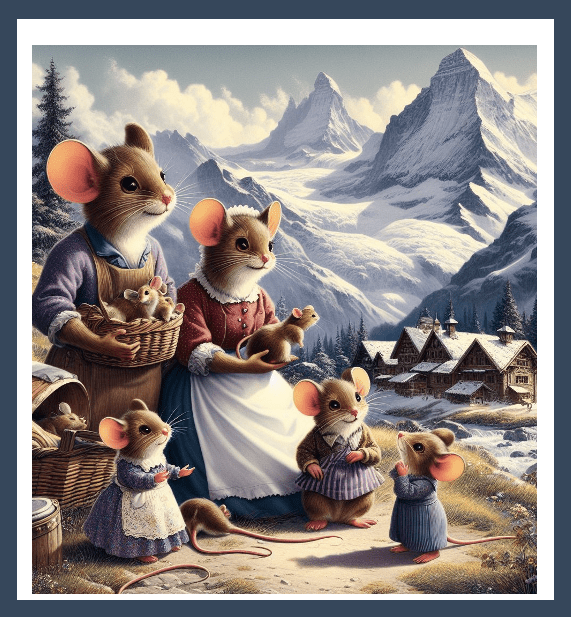
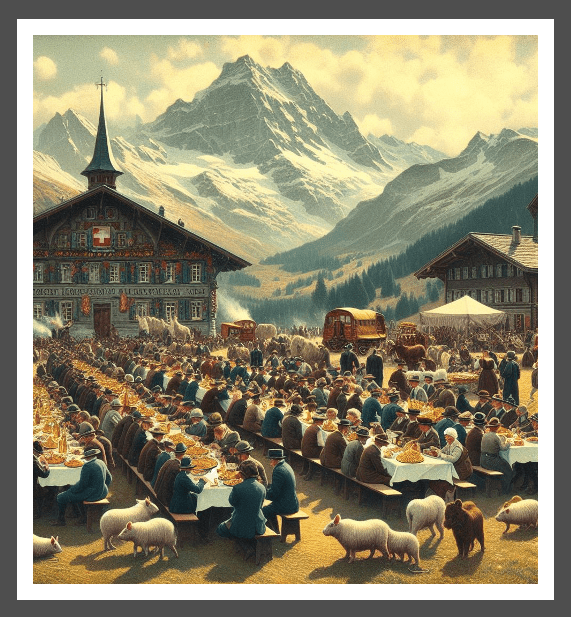
Luc Apprend à Partager – Microsoft Designer
I created this group of AI generated images with detailed word prompts to build on a model image. I worked to maintain consistency in the setting, place, and time. The character’s faces and clothing remained consistent. I used Microsoft Design.












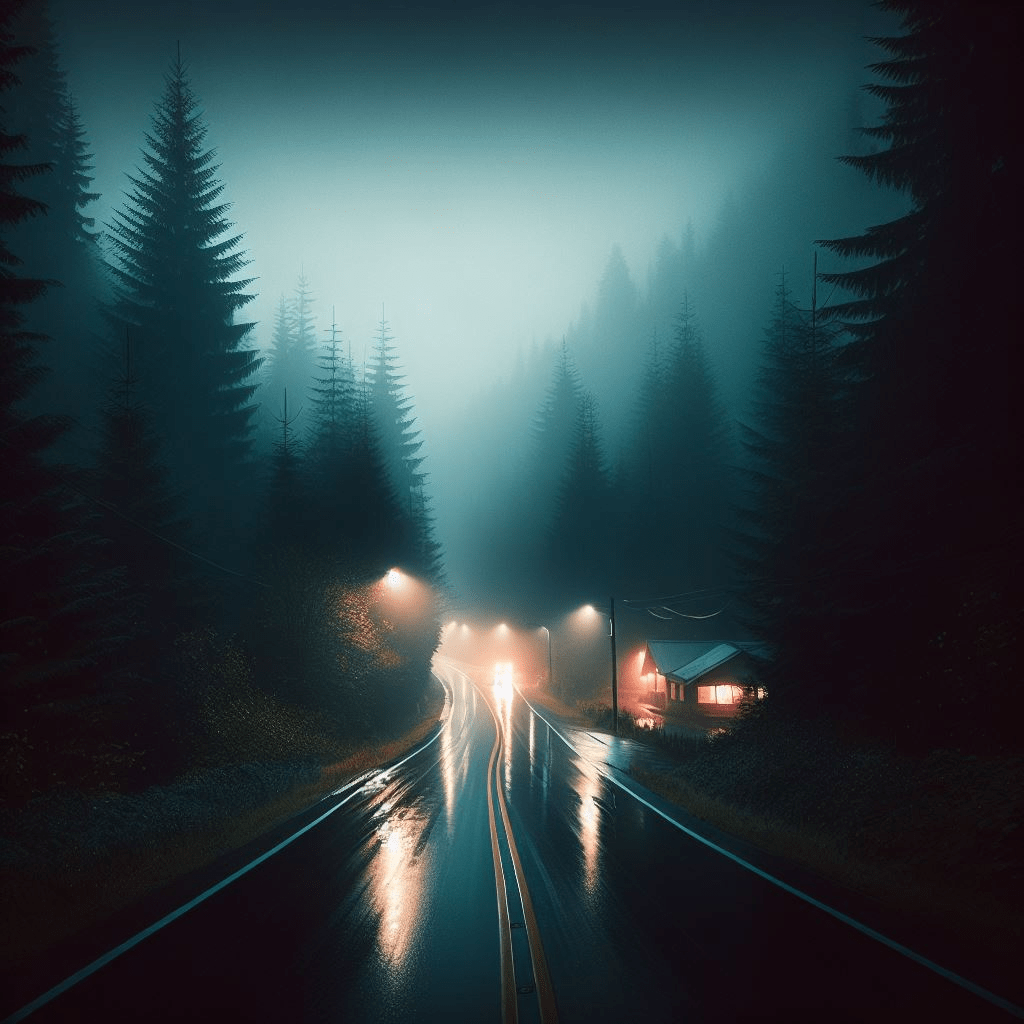
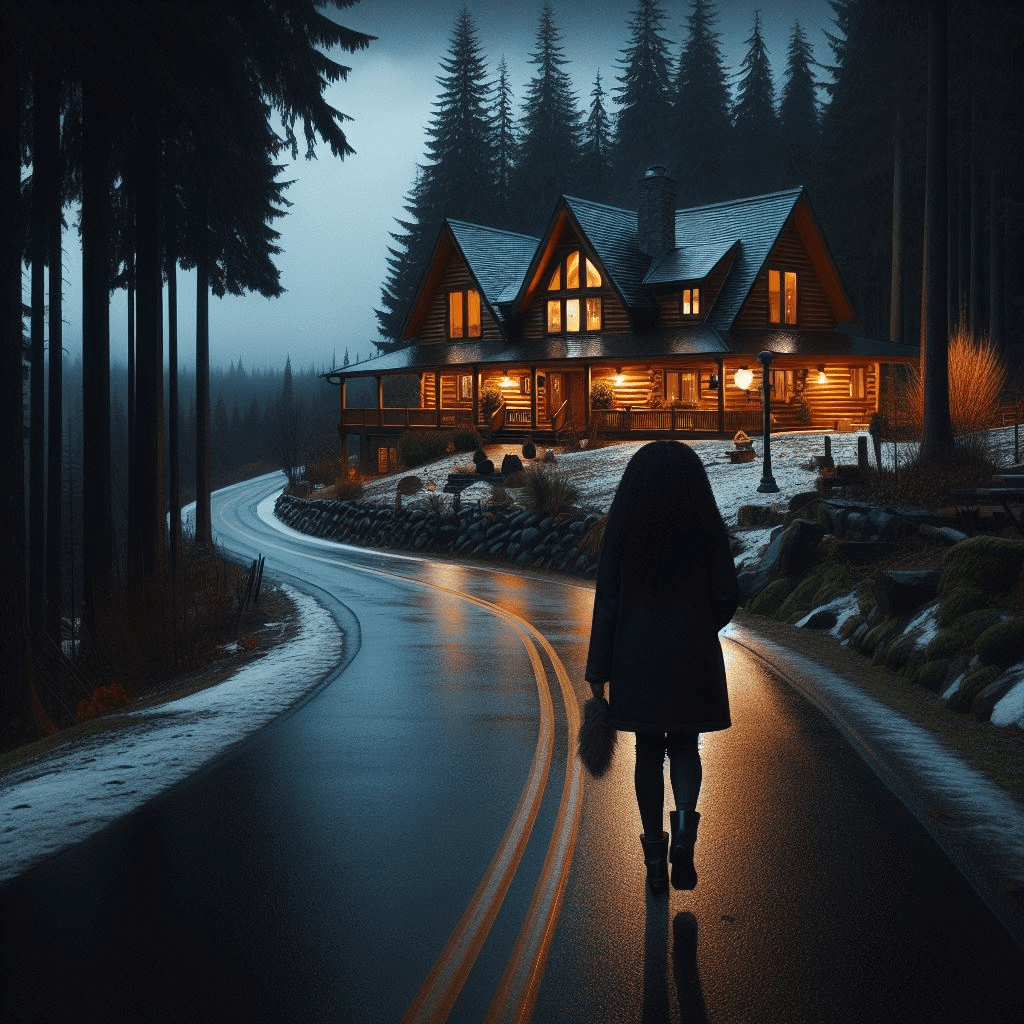
A Sublime Experience – Microsoft Designer
These sublime ferry images were created to capture the feeling of a dark winter’s night in the Northwest. The main character commutes home from work via Seattle to Bainbridge Island, Washington. This night follows the discover of a female murder victim in the parking lot near the ferry dock. The perpetrator was still at large.



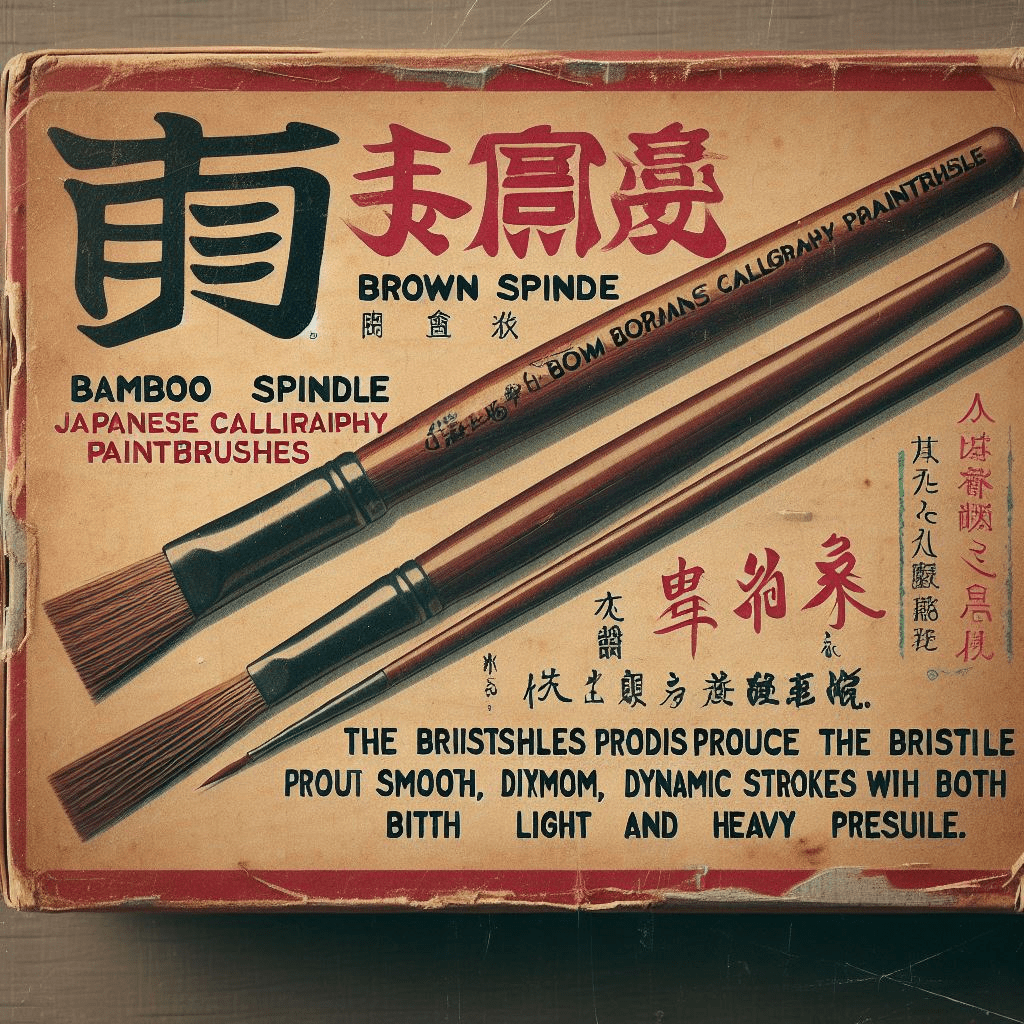
Artifacts of a Murder: The Dead Girls Paintbrushes – Microsoft Designer
These AI images were created as imagery for the introduction to my story Artifacts of a Murder. The soft brush bristles and the pale, gentle blond wood color scheme was used intending as a contrast to the violence of murder. The handles are smooth and polished as a professional killer.






The Frozen Castle, a Murderous Tale – Microsoft Designer
This is the cover image for a gothic story about a women who marries a mysterious, wealthy man who transports her to his castle in Scotland where she is imprisoned and her youth is slowly drained from her soul to keep his 200 year old mistress from aging.

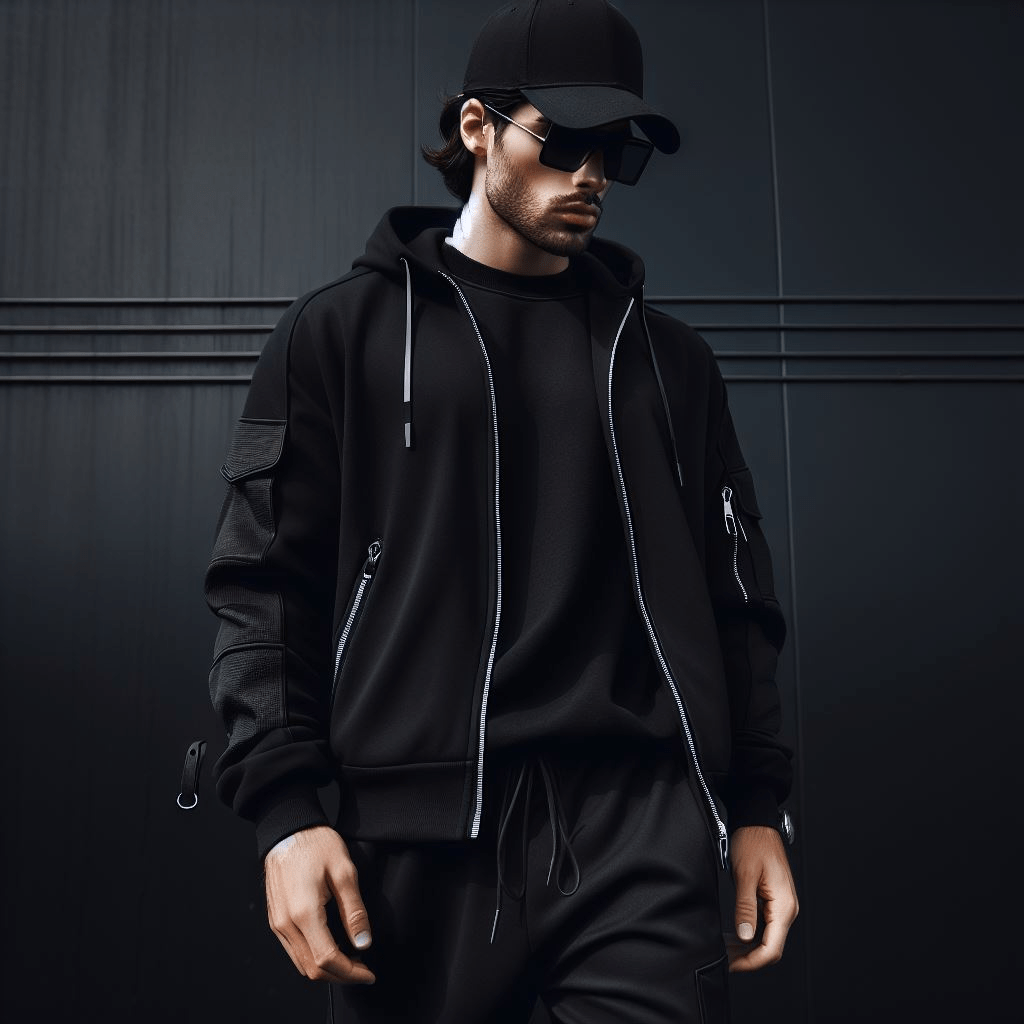
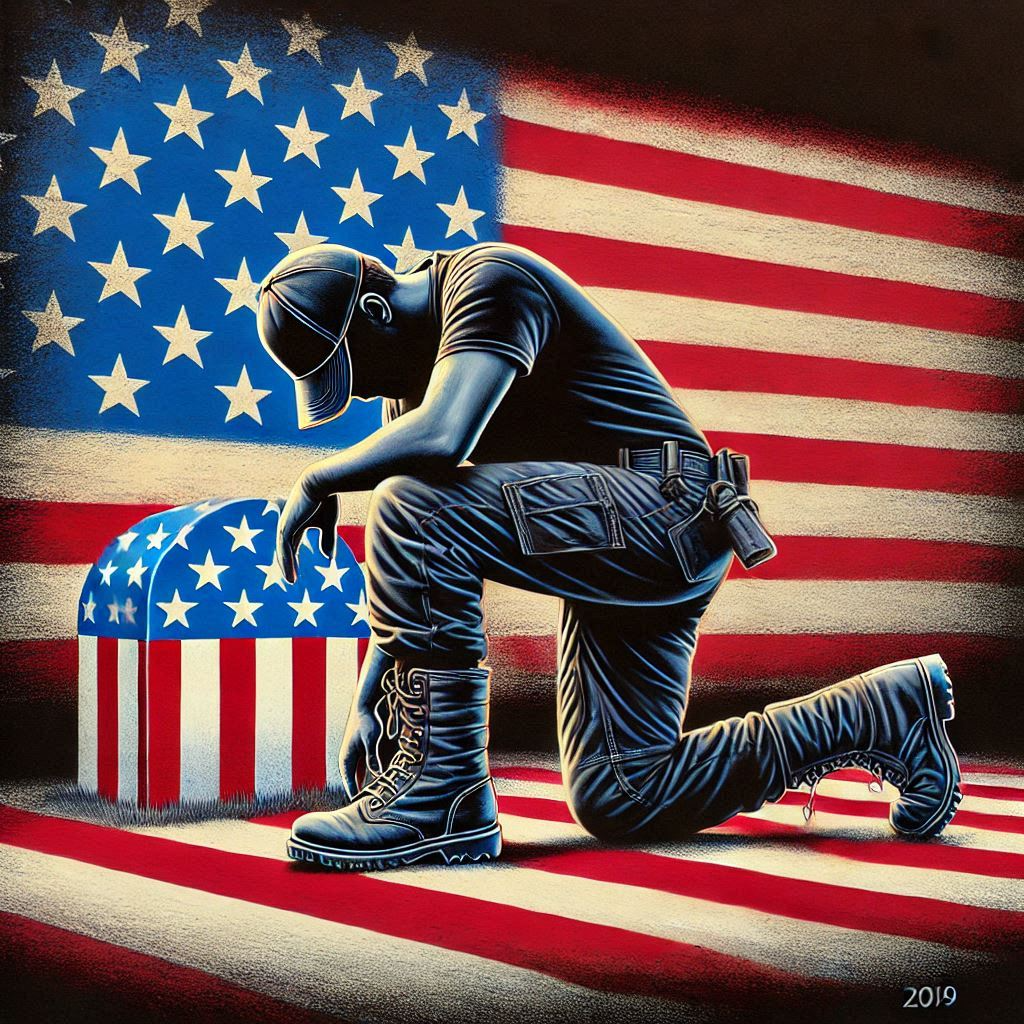
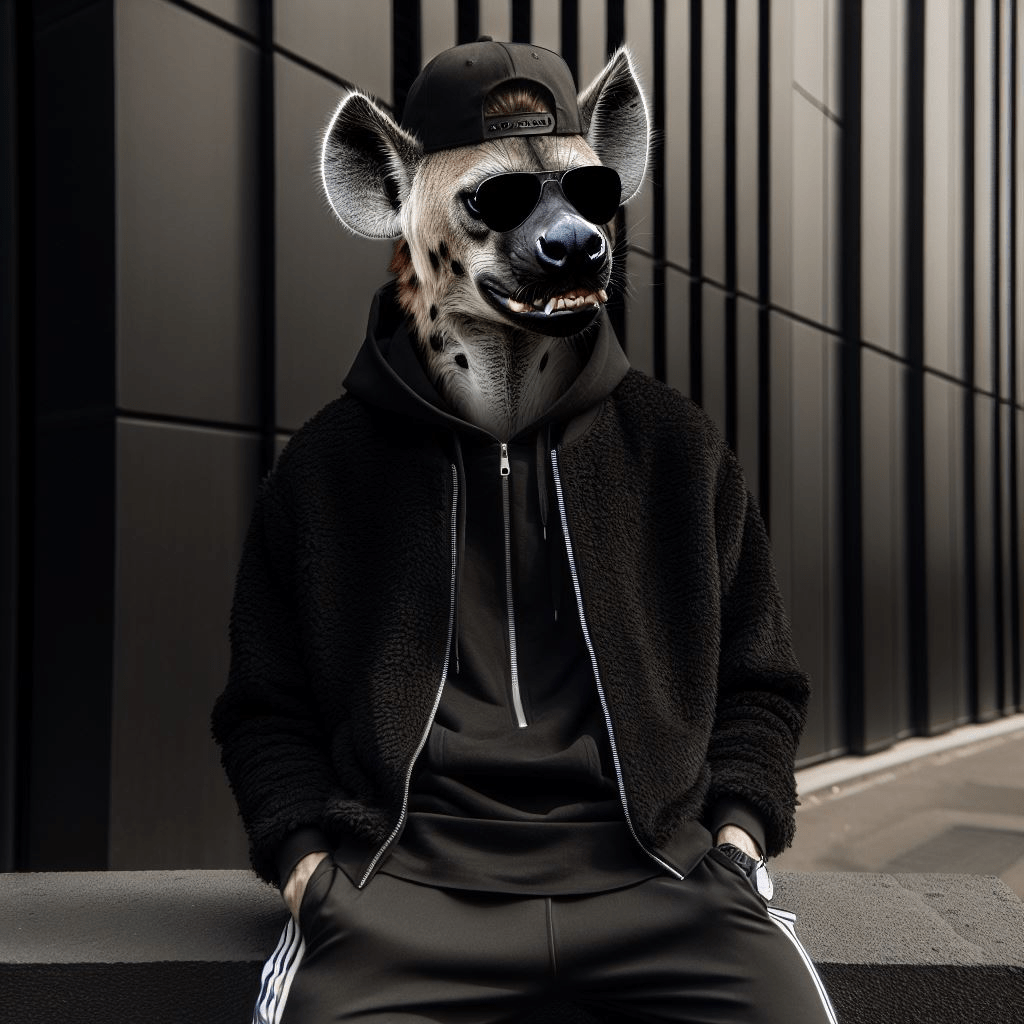
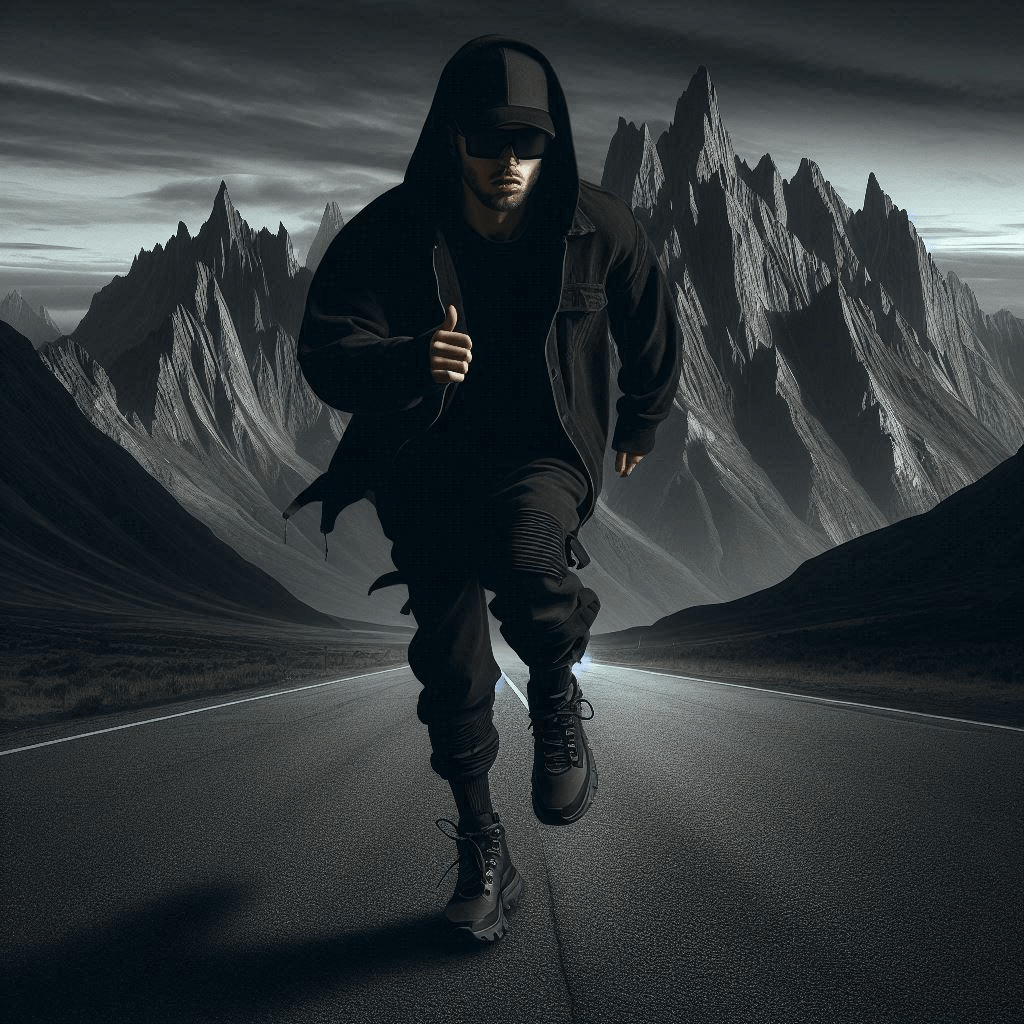
My Glamourous Career: A Memoir of Designing for U.S. Special Forces – Microsoft Copilot
I generated these AI images to set the dramatic mood of danger that is captured in my memoir about designing apparel for U.S. Special Forces to hunt Osama bin Laden in the Hindu Kush mountain range.


-
Artifacts of a murder: The Dead Girl’s Paintbrushes
by Melodie Miller © 2019
Fiona’s paintbrushes leaned at an eighty-degree angle inside the utility jar that sat on the easel shelf. The paintbrush’s heights were uniform, made of dark blond, smooth bamboo spindles. The bamboo spindles stood eight inches tall with a diameter of seven millimeters. A dark black, copper-clad ferrule circled the top of each spindle, holding the bristles in place.

The tip of one spindle was wrapped with a 2-millimeter open loop attached inside a small hole, glued to the moon-shaped head of the brush. Each outer bristle was made of soft mink belly hairs and the core was made of firm hairs taken from the spine of a wild boar.

Printed on the original paintbrush packaging the manufacturer guaranteed the bristles would produce “smooth, dynamic strokes when both light or heavy pressure was applied.”
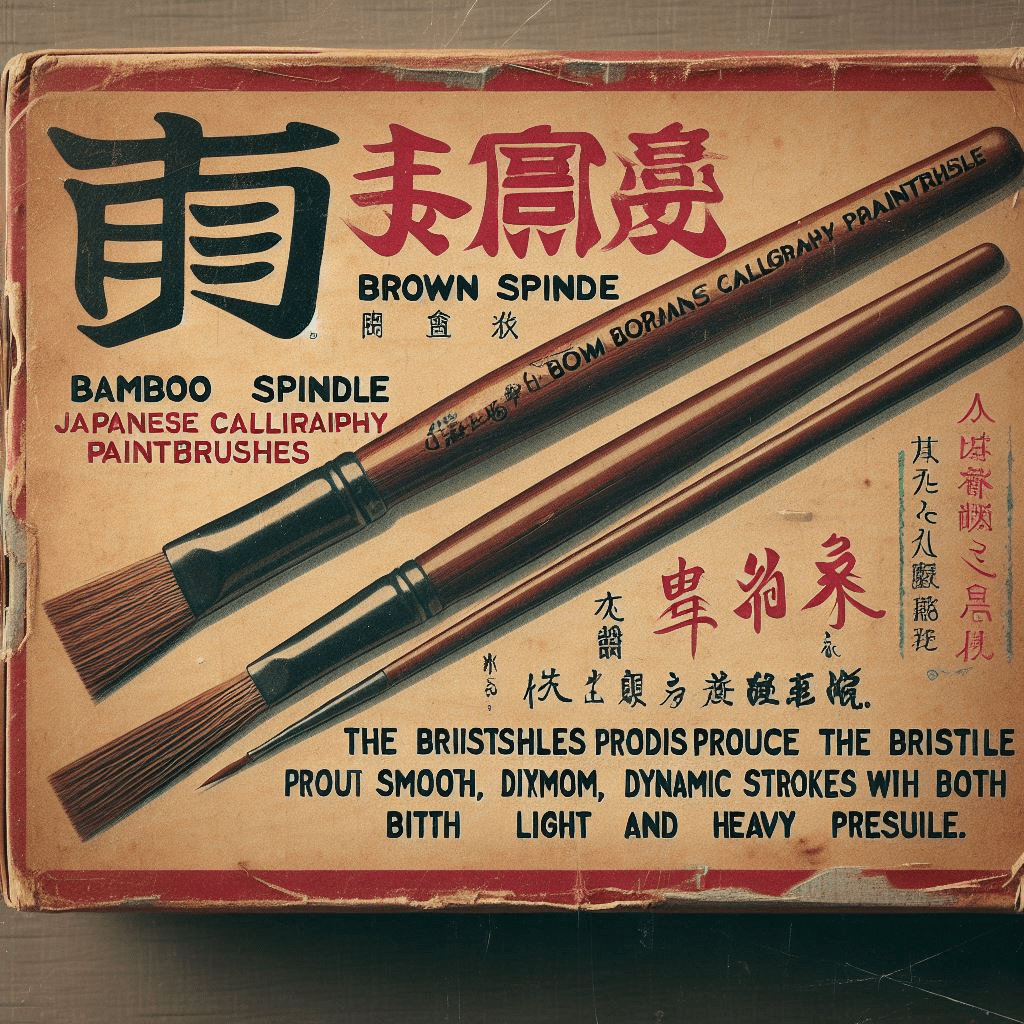
The bristles were clean and still damp from washing and pointed to the ceiling like boot camp soldiers falling out of rank. The name YASUTOMO BAMBOO CALLIGRAPHY BRUSH was engraved in a manually burned branding method at the lower third of the spinal. The engraving was coarse-looking and ruff to the touch, emblematic of Fiona’s temperament.

*************
Sara reached inside the bronze-colored storage shelf labeled ‘B.’ The box was wrapped in newsprint paper that was faded on the corners. Handwritten in black felt tip pen was the name ‘Fiona Xi, 2018, Evidence.”
-
The Strange Kingdom Script
Artwork created with Microsoft Copilot by Melodie Miller

“The Strange Kingdom” is intended as an anthology series that includes various genres of fantasy, science fiction, suspense, horror, drama, and psychological thrillers. However, all episodes have macabre and unexpected twists that tend toward amoral and antisocial themes where the anti-heroes and villains usually succeed.
In the pilot episode, The Magical Mountaintop acts metaphorically as an imaginary world. Mindy has lived there since she retired from ski racing because of an injury. The concept of a magical mountaintop alludes to a castle concept. This concept might be found in knight’s tales. Examples include Marie de France’s “The Lais of Marie de France” and Chrétien de Troyes’ “Arthurian Tales.” In these stories, knights find damsels in distress to rescue them. However, in this episode, Mindy is unknowingly attempting to rescue herself. None of the characters have altruistic natures or ambitions.
The Magical Mountaintop is inspired by Tennessee Williams’ play titled Magical Tower. In the play, two young, newly married lovers try to make a go of it. However, the hardships of life prove more potent than their love.
-
Downhill Racer, a Fractured Memory
by Melodie Miller © 2019
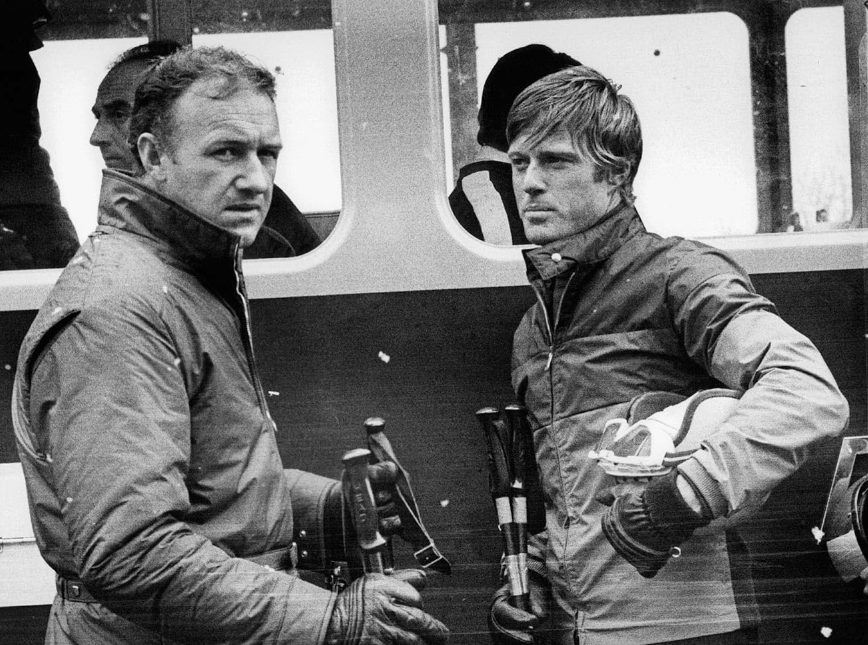
Downhill Racer, Gene Hackman and Robert Redford (Courtesy of IMDB.com)
Downhill Racer (1969) Movie Synopsis: David Chappellet (Robert Redford) is an arrogant and overly confident downhill skier. On the Olympic ski team but standing in as an alternate, he is called to Switzerland to compete after a teammate is injured. He quickly becomes an adversary within the team through his smug behavior and unconventional techniques on the slopes, falling into conflict with his coach (Gene Hackman).
“What’s past is prologue.”
William Shakespeare, The Tempest
An industry was born when a handsome and rugged Coloradan glamorized the sport of skiing and America began its life as a world contender on the international slopes of ski competition.
Before Gore-tex and waterproof breathable fabrics I was a young girl in search of an identity. Everything that happened up to this point will set the stage for what is to come thereafter.
It was the first day at a new school, Junior high, seventh grade. I felt small and solitary.
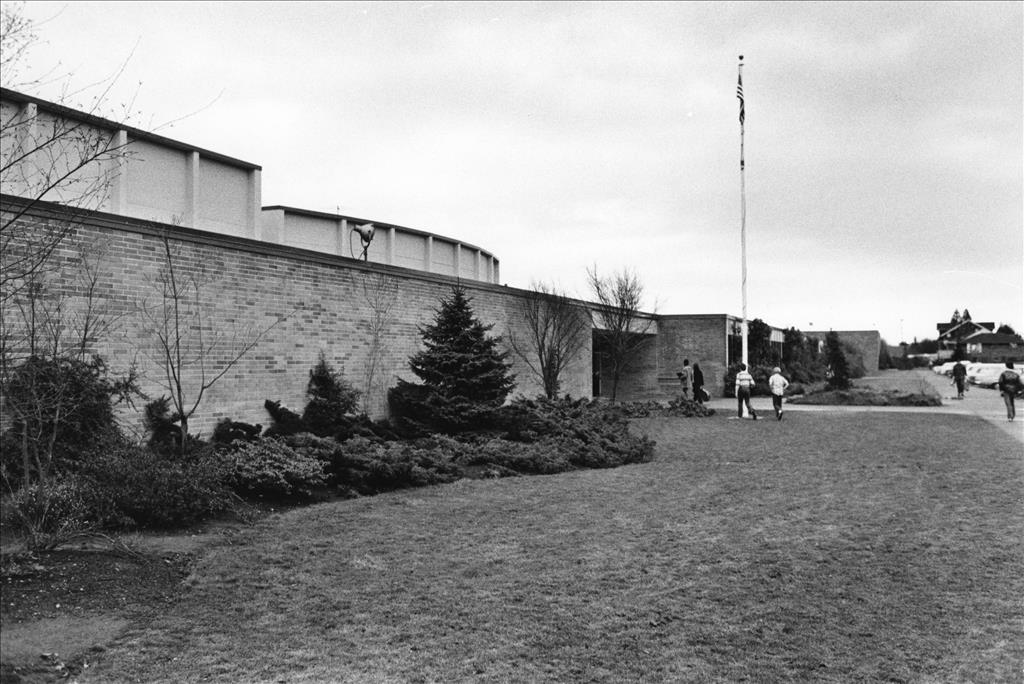
Marcus Whitman Junior High School, Seattle Washington (1969) (Courtesy of Marcus Whitman Junior High School Archives)
A short girl, like me, with a blond bobbed haircut, stopped me in the hall and said, “My big sister said I should find the cutest girls in the school and make them join my gang. You’re cute, you’re in my gang. Get a ride on Sunday to my house and we’ll go see Down Hill Racer? My name is Dev.”
Dev was one of the “cool girls” at school.
Sunday arrived and my mom drove me to the house of the “cool girl” named Dev with the blond bobbed haircut. She wanted to watch Robert Redford ski fast and I liked to ski so it sounded good to me.
I was in Seattle. It was raining. I didn’t know who Robert Redford was.
I wore a short dress because it was in style, and I am talented in the way of fashion. I read Vogue. My legs look good.
My mom drove very fast to Blue Ridge and stopped the car with a jerk at the foot of a very steep driveway that led to a newly, mid century modern house.

Mid-century modern house (Photograph non-accredited)
I push hard with my whole body on the heavy station wagon door that creaked open to an unstable position which I hold in place with one arm.

Plymouth Chrysler (1969) (Photograph courtesy of MyMopar.com, Youtube)
Swinging my bare legs out of the car and watching for puddles, I placed my two feet carefully onto the wet driveway. The door slammed with a crash behind me and I remember slamming my fingers in the car door when I was five. But that didn’t happen this time. My mom drove away.
I walked up the flawless path that led to the house, and along the way, I thought, “My new friend lives in a rich person’s house.” I see a gardener working outside in the rain, trimming the trees with professional tools. I thought, “That man is Japanese, and he is a long way from home, gardening for a stranger.”
He appeared to work in a very serious manner, making the boxed hedge very sharp and clipping the miniature leaves with great force.

Japanese Gardens at Cedar Hill, Roxbury Connecticut. (Photo courtesy of The Garden Conservancy.org)
I knocked on the front door, and my knuckles turned red with repeated impact. It was cold outside, and my good-looking legs wished they were covered with pants. Then I rang the doorbell. The right-hand side of the royal red lacquer-painted, double door opens mysteriously slowly, and I expect to see the black and white version of Nosferatu’s claw-like hand emerging along its edge. Instead, a grand-motherly looking person stood in front of me.
“Hello,” she said, “I’m Dev’s mother.”
“Dev’s mother looks ancient, as old as my grandmother, and she is rather plump,” I thought.
My mom was skinny and young; too young, I heard people say. Dev’s dad was a doctor; my dad lived in a different house than me and my mom was a waitress. I keep that fact to myself.
I stepped over the threshold into a colder and cavernous room that hung precariously over an ice-age ravine. It felt odd because my warm and crowded house sat firmly on the terra adjacent to a gully. This house was held in place by stilts sunk into the glacials silt.
“Might this house might slide down the hill at the next earthquake?” My neighbor’s house fell off its stilts in a mudslide and three people died: a mom, a dad and a newborn baby. I wondered when the rain would stop falling and hoped an earthquake didn’t happen now.
The clacking sound coming from my shiny new shoes hitting the slippery tile floor echoed across the room and bounced off the stark white walls.
Opposite the front door was one large, seamless window that looked west towards Puget Sound and out to the Olympic Mountains. It was the same view I saw from the city park near my house. My new friend, Dev, with the weird blond bobbed haircut, lived in a rich person’s house in her own private park.

The Puget Sound and the Olympic Mountains, from Seattle Washington (Photograph courtesy of Adobe Stock )
Dev appeared in the arched opening of the long hallway on the north side of the cavernous room.
“Come see my room,” she said.
She was wearing nice clothes, new clothes, which means something but I’m not sure what. I followed her down the hall. We entered a grand room with a garden view. She opened the top drawer of her dresser.
“Look at this,” Dev said.
I gazed at her socks, folded in pairs and arranged in groups by color, segregated by rigid dividers. It was a beautiful sight. My socks lie in a pile at the bottom of the dresser drawer that I share with my sister. Each morning we select a pair randomly, not concerned with finding its mate.
Dev was not an only child but a “surprise” she told me. She had two older sisters who were married. I couldn’t make sense of this familial arrangement.
“I get all the attention from my parents,” she said, “because I was a surprise.” I don’t understand what she means. I am the oldest of six children with a lot of surprises at my house, mostly stray dogs.
Two more “cool” girls arrived, and their clothes were nice and new. Mine were hand-me-downs from the “older girl” across the street from my grandmother. One of the “cool” girls, the one with dark hair, was wearing a button-down boy shirt with the tails hanging out over a knee length, A-line skirt made of fabric copied from a Chanel plaid. The other girl was wearing a mini, tailless shirt dress with bobby socks and brown and white saddle shoes that matched her hair. I dreamed of becoming a fashion designer so I was creating a mental archive of the clothes people wear.
“Let’s go,” Dev, the blond girl said.
We all piled into the grandmother looking mother’s German car that proudly displays an erect airplane propeller on its chest. “I Want You” from Abby Road played on the radio. We all sang along with the radio: “I want you; I want you so bad, it’s driving me mad, it’s driving me mad.” We all laugh. The rain continued falling from the sky and I am relieved to drive away from the cold, cavernous, “ready to slide down the hill in a mudslide” house where my friend Dev lives. I must be sure to never spend the night there.

Mercedes-Benz 280 SE (1969) (Photo courtesy of Carscoops.com, Youtube)
“Robert Redford, he’s so dreamy,” the dark-haired girl with the football helmet-shaped haircut said. Her name was Jan. Her dad was a doctor, and her mother was a doctor too. I’m not sure how that kind of thing happens. The other “cool” girl was named Marian and had dusty auburn color hair. She was the one whose hair color matched her shoes. Her hair was cut like a Chatty Cathy. Chatty Cathy was a long dead doll. Marian’s dad was a coroner, a “kind of a doctor” she tells me. I decide that when I get home, I will look in the dictionary for the definition of “coroner.”

Downhill Racer, Robert Redford (Courtesy of IMDB.com)
Something was happening. My new friends were smart, they had doctor dads and new clothes. I felt special.
My new friends had weird haircuts, and I wondered if I would need to cut my hair to be cool like them. My hair was long, parted down the middle, like Cher’s. All three girls had older sisters who told them “gross stories about boys.” When I babysit, I tell my younger siblings “The Tell-Tale Heart” story, and we all scream and laugh. I don’t have any “gross boy” stories. I felt young and immature with these girls. I was quiet.
The old-looking mother dropped us off at the movie theater. It was still raining. I had never heard of Robert Redford, but I don’t tell the other girls. I know that a downhill racer skis very fast on steep icy slopes and wins metals because I am a skier. Usually, the winners were French and named Claude. They wore tight suits that showed all their muscles and when they reach the bottom of the hill, they threw their arms up over their heads in surprise.

Downhill Racer, Opening Scene (Courtesy of IMDB.com)
“Down Hill Racer” started, and a violin soundtrack filled my eardrums while the camera panned over distant mountain tops that were not ski slopes. That seems strange. The soundtrack shifted to piano keys ominously plunking over a close-up of a ticking stop watch.
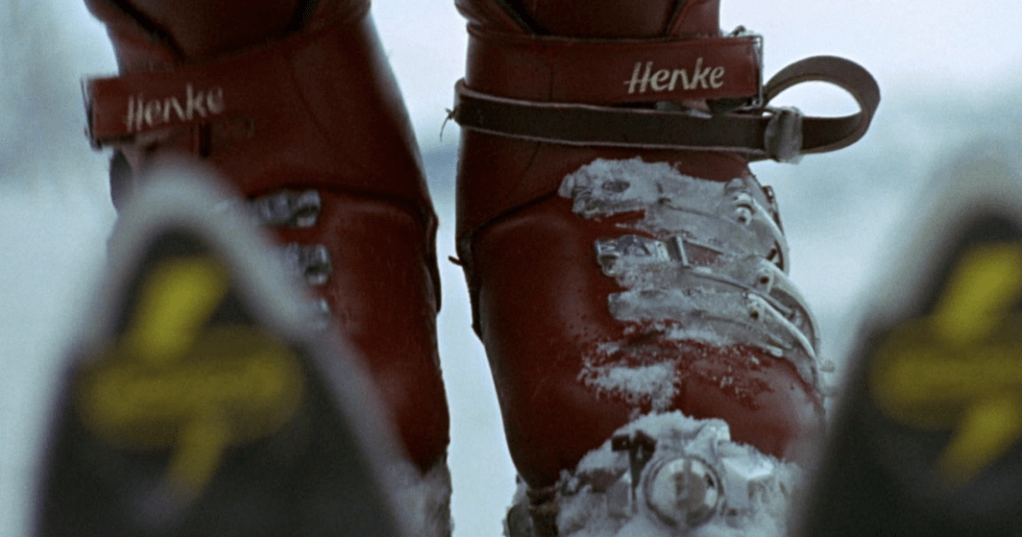
A faceless hand snapped a Look ski binding onto a red leather Henke boot with stainless steel buckles running up the front over the ski racer foot. The red leather boot stopped just above his unprotected ankle. The webbing ski strap pulled tight around the boot.

Downhill Racer, Opening Scene (Courtesy of IMDB.com)
A snug suit and nothing more covered the ski racer’s legs. A violin played dramatically as the camera zoomed in on a pair of long, narrow skis slicing back and forth like two hands carving a Thanksgiving turkey. The camera panned to the smooth face of a man who pulled his goggles over his eyes while the soundtrack shifted to the sound of a beeping heart. The man was wearing a USA Olympic ski team bib.
He launched from the starter’s gate crouched in a tuck then the frame froze and the title DOWNHILL RACER flashed onto the screen. The skier immediately caught his ski edge on a chunk of ice and crashed.

Downhill Racer, Opening Scene(Courtesy of IMDB.com)
“There is an accident on the course,” the voice over said in English with a French accent. A helicopter landed, taking the broken skier away.
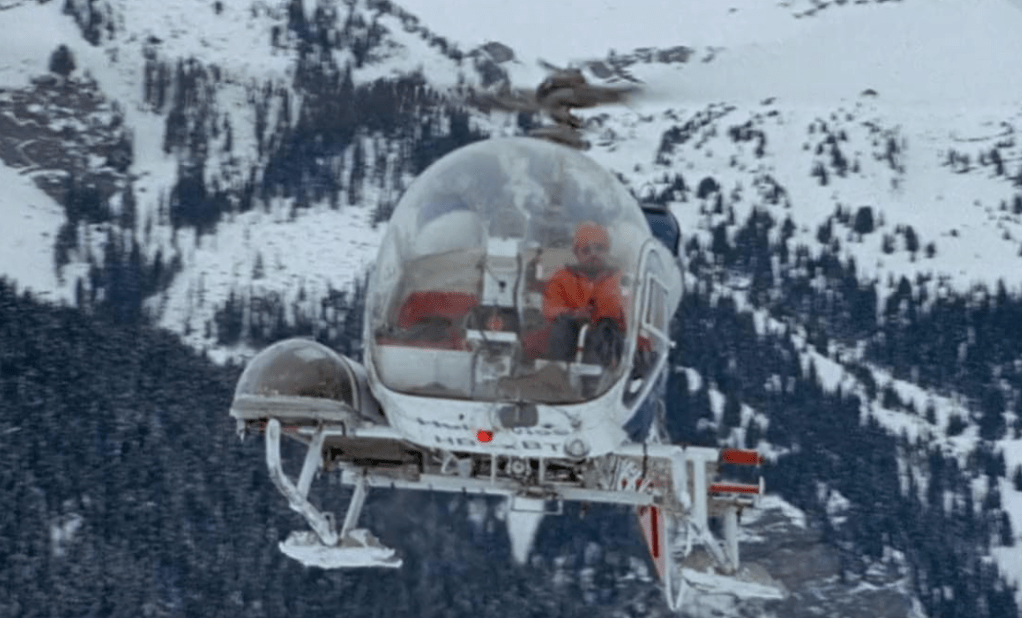
Downhill Racer, Opening Scene(Courtesy of IMDB.com)
A man with freckles, bushy blond eyebrows and long shaggy hair arrived to replace the crashed USA Olympic team downhill racer. The new racer wore a pair of cowboy boots and chewed gum with an open mouth. His attitude seemed strange; maybe arrogant. He looked like someones dad.
“That’s him,” the three girls whisper in unison. “Robert Redford.” The arrogant dad looking man with freckles and bushy hair, wearing cowboy boots and chewing gum with an open mouth was Robert Redford.
I looked at my new friends in wonderment.
“Where is the dreamy guy?”

Downhill Racer, Robert Redford (Courtesy of IMDB.com)
-
Sunflower Farms: Radio Script
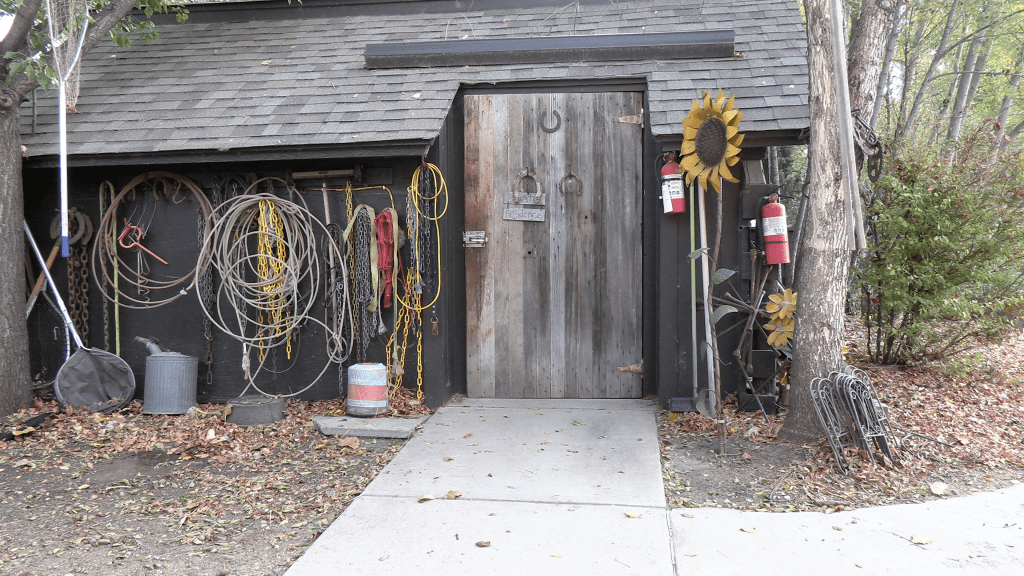
Sunflower Farm, Longmont Colorado (Melodie Miller / Photographer)
-
Super-Frog Saves Tokyo: A Classical Dream Vision Narrative
An analysis of Haruki Murakami’s Super-Frog saves Tokyo written by Melodie Miller.

Super-Frog Saves Tokyo illustration by PMGL (Courtsey of Amazon Books)
Haruki Murakami was born in Kyoto in 1949 and now lives near Tokyo. His work has been translated into more than fifty languages.
- https://en.wikipedia.org/wiki/Haruki_Murakami
- https://en.wikipedia.org/wiki/Drive_My_Car_(film)
- Norwegian Wood (1987)
- The Wind-Up Bird Chronicle (1994–95)
- Kafka on the Shore (2002)
- 1Q84 (2010)
- Men Without Women (2014)
- The Elephant Vanishes (1993)
-
The Story of the Western Wing: Breaking Tang Tradition
The West Wing, a play written by Wang Shifu (1250-1300) in the Yuan Dynasty.

Scenes from The Story of the Western Wing, National Museum of Asian Art (Courtesy of The Smithsonian)
-
The Story of Ying-ying: Strange Love
A timeless story of love where social expectations conflict with personal desires.
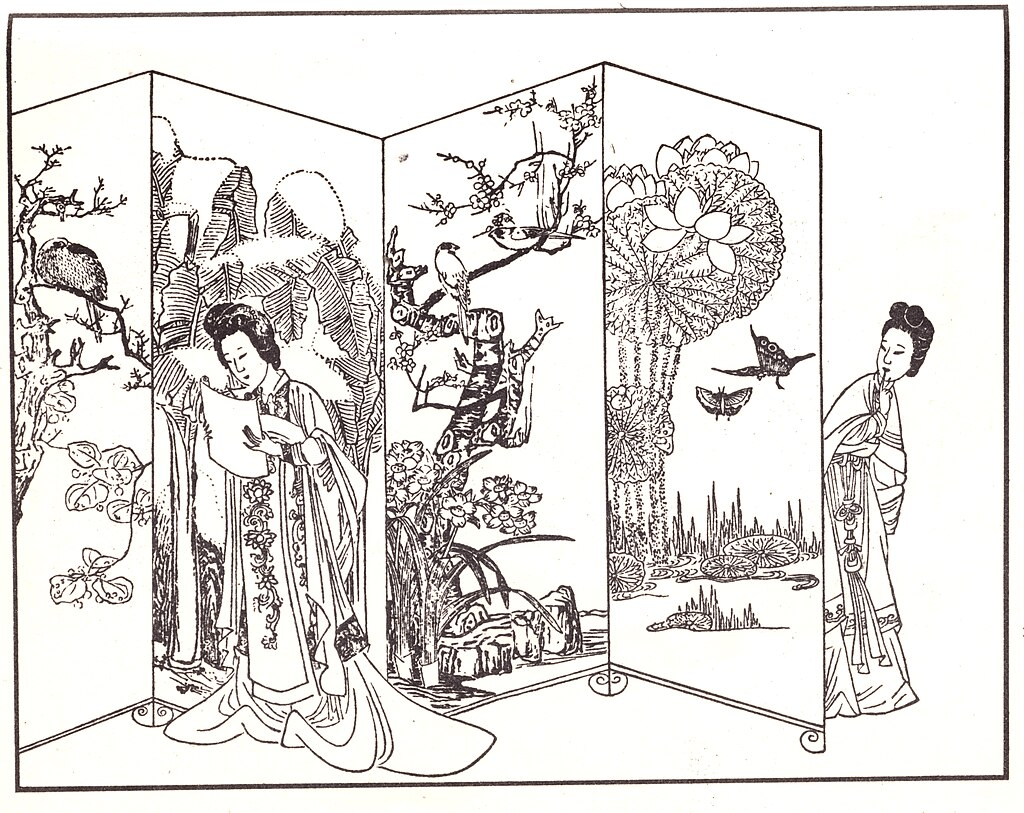
Scene from Romance of the Western Chamber, an opera inspired by the story of Ying-ying (Illustration of act 10 courtesy of Wikipedia.org)
-
Humans are Synonymous with Monsters in “Monster Takes a Bride” (1807), Ikku Jippensha

Original 19th century Japanese Woodblock Print The Monster Takes a Bride, 1886
-
Syntax in Shakespeare’s Sonnet 20 “A women’s face with nature’s own hand painted”
An exploration of the poet’s depiction of nature and beauty.

The Chandos portrait is an oil painted portrait thought to depict William Shakespeare (1564–1616). Painted between 1600 and 1610, it may have served as the basis for the engraved portrait of Shakespeare used in the First Folio in 1623. Attributed to John Taylor. (Courtesy of Wikipedia.org)
Read more about Shakespeare’s Sonnet 20 “A woman’s face with Nature’s own hand painted”
-
The Frozen Castle, a Murderous Tale

The Frozen Castle created in Microsoft Copilot by Melodie Miller
-
A Sublime Experience
Waiting for the the last ferry in a dark, wet abandoned parking lot in the far Northwest.

The sublime and disruptive aesthetics of winter in the Northwest. Image generated by CoPilot designed by Melodie Miller.

A sublime ferry crossing the Puget Sound on a Northwest winter night. Image generated by CoPilot designed by Melodie Miller.

A sublime drive home after crossing Puget Sound on a Northwest winter night. Image generated by CoPilot designed by Melodie Miller.
-
The Elbow Room
Melodie Miller ©
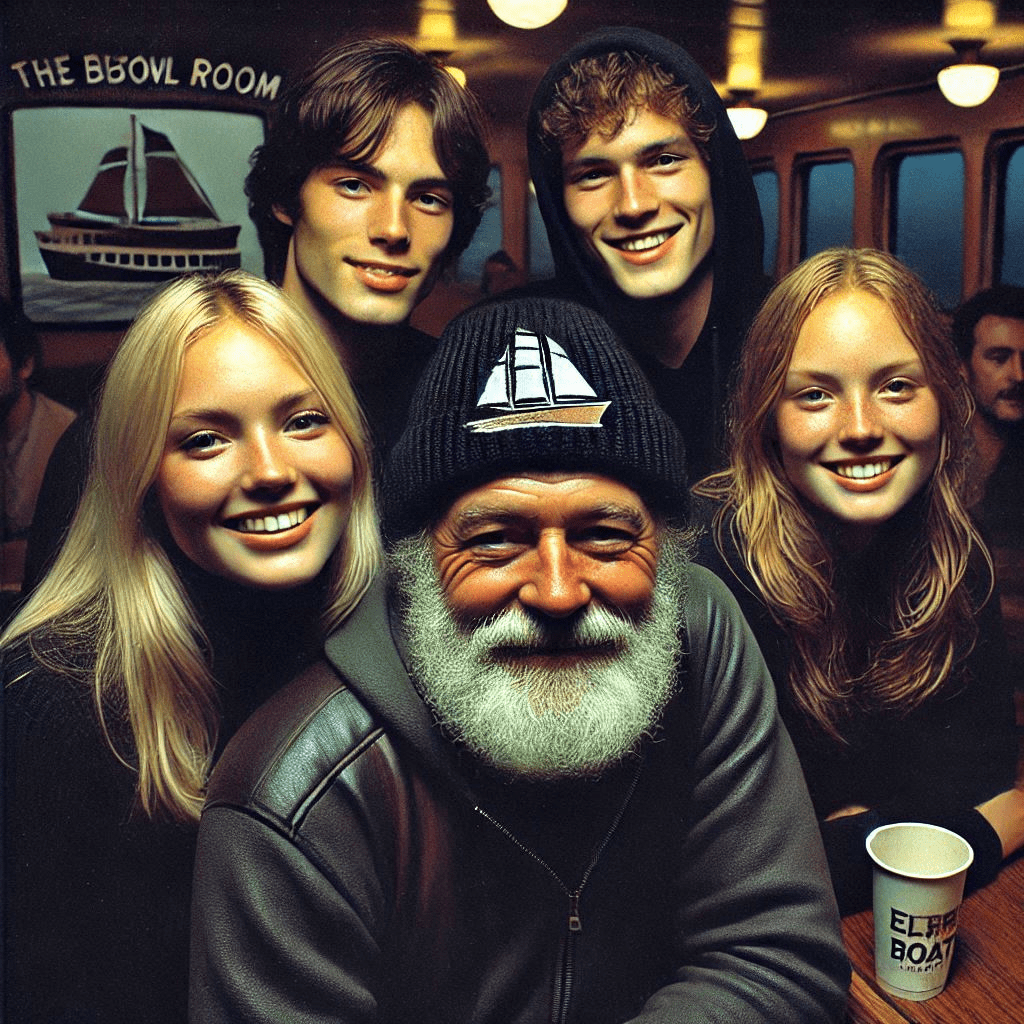
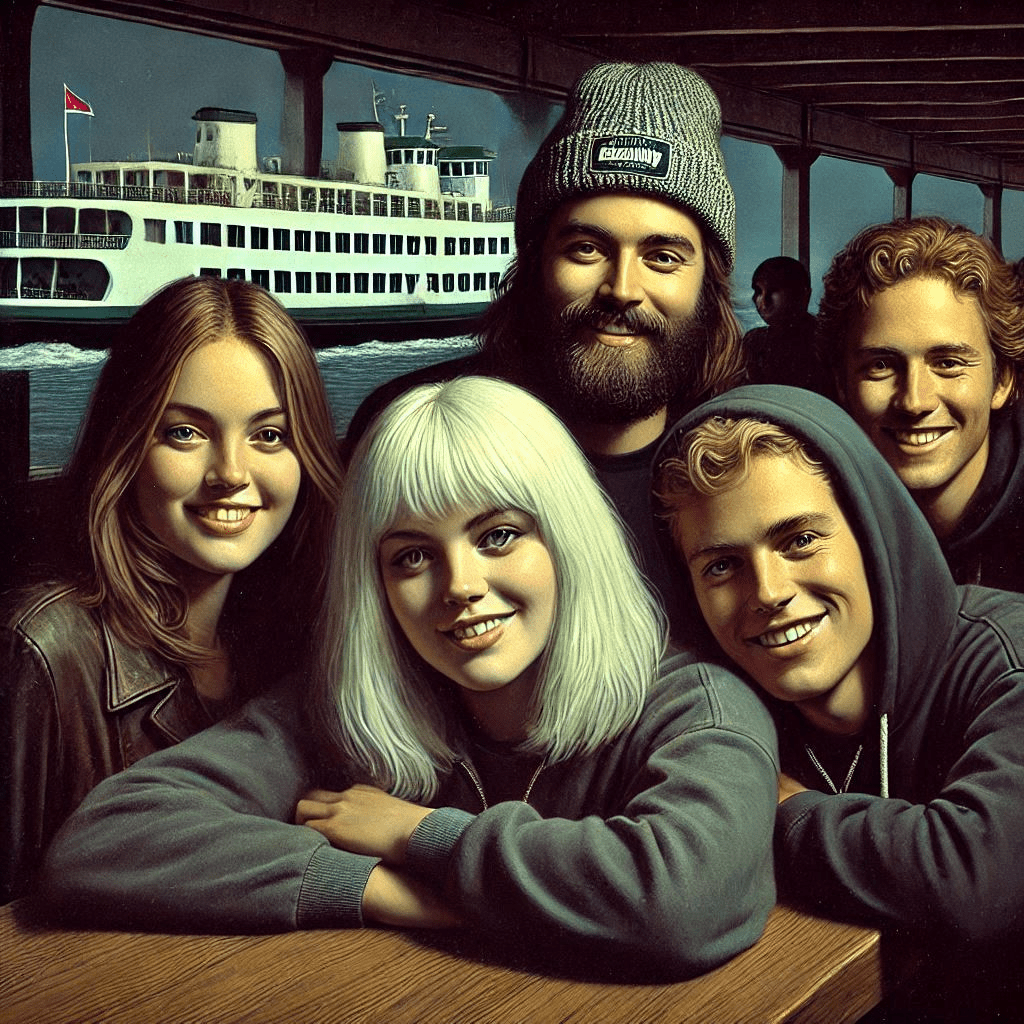
The Elbow Room is a situational comedy series set in 1984 at the birth of tech in Seattle, Washington. The Elbow Room is a fictitious bar on a Washington State Ferry where young commuters hang together during their battle to and from Bainbridge Island to their jobs in Seattle. Their friendships exist only inside the world of their commute and every effort is made to keep their personal lives separate from their ferry boat adventures.

-
Colorado Funds Affordable Housing but Not All Home Buyers Qualify
The term “starter home” has a new meaning. The average price of a home in Boulder jumped from $166,000 in 2000 to $966,000 in 2025. Boulder’s cost of living is 41% higher than the national average. This means a dozen eggs that costs $4 in Jackson, Mississippi, will cost $5.64 in Boulder, Colorado. What does that mean for housing?
The median sale price of homes in Boulder County, Colo. in 2024 was $970,000, according to Zillow.com. To match a house payment with the average rental price of $2,300 per month, a buyer needs $725,000 for a down payment.
With a median household income of $84,840 and expenses of $77,280 yearly, an excess of $7,560 per year will require ninety-five years to save the downpayment.

Zillow.com Boulder Housing Market Overview 2023 – 2024 – accessed Jan. 3, 2025
The Common Sense Institute of Colorado reported in January of 2023 that voters passed Proposition 123 with a 54 percent majority to fund affordable housing programs statewide.

Data USA. Adobe Express. (Melodie Miller / Creator)
Data USA reported similar data for Boulder, Colorado, in 2022, with a higher median household income of $99,700 and a lower median property value of $671,100. This additional $14,860 yearly income means a buyer could buy a house in 25 years.
However, according to Pro Builder, housing prices in Boulder increased 121% or $107 per day between 2015 and 2025. If prices continue to rise at that rate, a future buyer’s goal becomes non viable.

State Senator Dylan Roberts – Colorado Senate Democrats (Photographer / Uncredited)
“During my time in the state senate, I have been trying to find ways to lower the cost of living,” Senator Dylan Roberts said, “and this starts first and foremost with housing.”

Common Sense Institute Colorado Jan. 30, 2023
Proposition 123 dedicated a total of $290 million toward housing equity in the first year. Willoughby Corner at 120th and Emma Street in Lafayette is part of the Boulder County Housing Authority (BCHA) 400 affordable housing project using some Proposition 123 funding.

https://www.pinkardbuilds.com/expertise/affordable-housing-construction
“It takes a lot of funding. It takes federal funding, state funding, and a lot of it is funded by the low-income housing tax credits,” Bill Cole, housing partnership and policy manager for Boulder County. “It’s a federal program run through the state.”
According to Cole, the Willoughby Corner construction takes three phases. The first phase is 90 units of senior housing. The second phase is multifamily apartments totaling 200 units. “The third phase is actually going to be homeownership opportunities, townhomes, about 80 units,” Cole said. All units except the senior housing have a waiting list.

willoughby-corner-open-house-presentation-7-26-23 PDF (assets.bouldercounty.gov)
Boulder County’s affordable housing imposes income limits that exclude many people from government benefits. The average Boulder County resident earning a salary of $84,840 will not qualify for this benefit.

Boulder County Rent and Income Limits – Willoughby Center
Some potential home buyers find that there is no solution for home ownership. These buyers earn more than the income base to qualify for affordable housing but do not earn enough to make a substantial down payment.
“With 6% interest rate right now, how does a new home buyer afford that?” Boulder County realtor Ernie Sica said. “They have to have a really substantial income. That is really hard.”
With a mandatory high down payment, future homeowner Elena Sedin said, “My parents are already paying for my college. They can’t help me buy a house.”
According to Cole, those individuals who qualify for affordable housing should “Look at Prop 123. There’s gonna be a lot of the state funding for the foreseeable future,” Cole said. “Boulder County plans to build multifamily, senior and single-family developments as it tries to “increase the housing in the city of Boulder.”
-
The Decline of Hunting in the U.S. and the Threat to Wildlife Conservation
According to the archeological dating of the Morocco Jebel Irhoud animal fossils and the Homo sapiens who ate them, humans have hunted game animals for over 300,000 years. Although humans are omnivores, they did not start farming until 23,000 years ago, according to the Ohalo II archaeological site in Israel. This means that humans needed to hunt for 277,000 years for food security.
Kelly Maher, an avid Coloradan hunter and mother, said part of her family ethic is “we hunt to eat and we eat what we hunt.” During the Covid 19 shutdown, her family ate deer meat stored in the freezer from the previous hunting season. Maher said she believes hunting is a core part of “understanding our place in the world.”
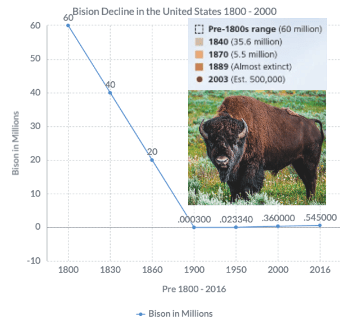
Data from All About Bison. https://allaboutbison.com/national-mammal/
American wildlife suffered at the end of the nineteenth century from mismanagement, according to the Audubon Society. The bison population had diminished from 60 million to 300 in 100 years due to lack of management and overhunting according to All About Bison. Together, President Theodore Roosevelt, George Bird Grinnell and John Muir along with the Audubon Society, established a conservation movement to preserve nature.
Roosevelt, the “conservation president,” used his authority in 1906 to protect public lands and wildlife by creating the United States Forest Service (USFS). This service established 150 national forests and 18 national monuments through the American Antiquities Act. This act protected over 230 million acres of open public space for citizens of the United States use.
With the advent of city living, increased public criticism, and reduced barriers to food security, hunting has declined in the United States. The decline of hunters is problematic state-wide for wildlife conservation efforts that depend on funding from hunting license sales.

Source: 2020 U.S. Census Demographic – City density
According to Wildlife for All, between 1960 and 2020, hunting license sales increased by 2 million or 13.5 percent. The U.S. Census Bureau (USCB) reports that the population increased by 152 million or 84 percent. Although the number of hunters increased, it dropped from 7.8 percent of the population in 1960 to 4.8 percent in 2024.
The U.S. Fish and Wildlife Service manages nationwide conservation funding through the collection of hunting license revenue and firearms and ammunition excise sales tax from each state. The funding is distributed back to the state parks and wildlife departments that manage public land conservation and animal populations.

Sources: U.S. Census Bureau. Wildlife for All. U.S Fish and Wild Life Service Hunting licenses issued between 1960 and 2020 compared to the U.S. population.
“There are 180 hunting units that Colorado has divided into Game Management Units (GMUs),” Cody Heneghan, a hunt planner for Colorado Parks and Wildlife said. “These units designate which part of the state your particular license permits you to hunt in.”
Hunting licenses for Colorado’s Western GMUs with higher elk populations are in high demand with a limited number available per year. A hunter must apply for these types of licenses through a “big game draw,” or purchase a leftover license after the draw if one is available.
“I’m not hunting as much now because the last time I bought a license, it was in a unit with a low population and I didn’t get an elk that time,” Wally Light, a 21-year-old hunter said. “It was a lot of work without a payoff. It didn’t seem worth it.” According to Colorado Parks and Wildlife, the Federal Bureau of Land Management (BLM) manages 8 million acres of public land in Colorado. However, non of the 23,000 acres of open space and trails in rural Pitkin County are open for hunting. Open space hunting in Pitkin County Colorado is prohibited according to the Pitkin County Open Space and Trails program. However, private land is huntable with permission.
But private land is diminishing. In January, Pitkin County Open Space and Trails Board voted unanimously to purchase 650 acres of private land in upper Snowmass Creek Valley to reclassify it to BLM open space.
According to wildlife advocates, limiting hunting units in Colorado become problematic for wildlife management. “Management of ecosystems is important,” Maher said. “By virtue of the fact that humans are here, we must manage this system” to ensure the well-being of animals and the environment.
Between 1970 and 2000, hunting license sales revenue increased from $600 million to $1.1 billion according to The U.S. Fish and Wildlife Service reports. However, revenue remained stagnant over the next two decades.

Sources: U.S. Fish and Wildlife Service. Congressional Research Service. Hunting license sales revenue and federal excise tax collected equally $2.2 billion in 2024.
Data from the Congressional Research Service reports that between 2017 and 2022, excise tax collected from the sale of firearms increased from $600 million (inflation adjusted) to $1.1 billion due to increased sales during the pandemic but not to sales for hunting equipment. However, funding from the U.S. Congress has decreased since 2015.
Hunting is an integral part of maintaining a stable deer and elk population. Lands maintained by hunting license revenues distributed by the U.S. Fish and Wildlife Service are more likely to support natural wildlife.
The “availability of food sources in the wilderness is a factor in monitoring the population,” wildlife advocate Mark Surls said. This becomes a closed-loop, sustainable ecosystem.
The U.S. Fish and Wildlife Service operating budget, is partially funded through congressional appropriations. In 2024, the operating budget was $4.1 billion with $1.722 billion allocated by the government and the balance coming from grants, excise tax revenue and hunting license sales.

Sources: Congressional Research Service Funding requested to manage Fish and Wildlife Services, and congressional funding enacted to finance conservation in all 50 states and 16 territories.
Public opinion contributes to the hunter’s image in the U.S. On Nov. 5, voters were given a choice through “Cats Aren’t Trophies” Proposition 127 to decide whether Colorado Parks and Wildlife would continue to manage the mountain lion population by issuing hunting licenses.
“Hunting deer is fair chase,” wildlife advocate Carol Monaco said. But hound hunting “mountain lion is cruel.” It isn’t helping anyone and “very few big cats are dressed for consumption. We need to learn to coexist with wildlife.”
Surls advocates that hound hunting is unethical and should be removed from the hunting license options because “it gives our hunters a bad name for violations of fair chase,” integrity in hunting.
Some critics combine hunting for food with “trophy hunting.” Trophy hunting is hunting wild animals for sport and keeping body parts for display, not food. Mesa County Commissioner Cody Davis commented that this type of rhetoric is needless with an “end route to limit hunting” and “trophy hunting is already illegal in Colorado.”
Proposition 127 aimed to remove mountain lion population management from the Colorado Parks and Wildlife. In Nov. 290,000 voters rejected the proposition. In a compromising effort at a public engagement meeting critics of mountain lion hunting demanded that “guaranteed kill” be removed from hunting outfitter’s advertising because it is illegal in Colorado and a violation of CPW’s policy.

Source: Ballotpedia Colorado Proposition 127 to Prohibit Hunting of Mountain Lion was rejected by Colorado voters, allowing Colorado Parks and Wildlife to continue managing the population.
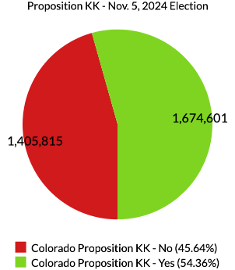
Source: Ballotpedia. Colorado Proposition KK, Excise Tax on Firearms was passed by Colorado voters, adding 6.5% excise tax to firearms and ammunition sales.
“We want to work with Colorado Parks and Wildlife,” Monaco said, “in every way so they can do their job” managing wildlife population.
As hunting license sales decrease, U.S. Fish and Wildlife Service funding must be replaced with a new source. Hunting licenses are an important source of revenue.
“Colorado Parks and Wildlife are brilliant at managing the wildlife population and it should stay that way. It is a scientific method of conservation,” Davis said






















-
Research and Technical Applications – Apparel Design by Melodie Miller
Photos courtesy of SKEA
SKEA Skiwear
The SKEA Elsa down filled ski parka with matching fur ruff.
Photos courtesy of SKEA
- Nylon Ciré – Ciré is a highly glazed wax finish that creates a water resistant barrier.
- Down filled insulation throughout
- Underarm ventilation zips.
- Interior sleeve cuff with thumb holes.
- Interior snow-skirt
- 3 zipper pockets
- Fixed collar and hood
- Optional snap-on real/faux fur trim
- An athletic fit with room to move
Unleash your skiing flair with the SKEA Elsa Jacket. This jacket is not just breathable and hydrophobic, but effortlessly shifts from the slopes to the streets. Filled with down, it offers unbeatable warmth and adaptability for your mountain adventures. The Elsa parka combines purpose and femininity, and comes in a range of colors to match your taste.
Photos courtesy of SKEA
The SKEA Elsa down filled parka sketch and production instructions
SKEA photo shoot at Loveland Pass, Colorado
Photos courtesy of SKEA
The SKEA vintage ski-wear inspired Thinsulate insulated Coco Parka
Photos courtesy of SKEA
- Polyester Stretch super water repellant 20K WP
- 200 grams Thinsulate Insulation
- 4 zip pockets
- Faux fur lined inner collar
- Helmet compatible hood with optional fur trim
- Removable belt to wear or not with snap down belt loops
- Snow skirt
- Cinch bottom
- Slim fit
The Coco Thinsulate insulated parka sketch and production instructions
Photos courtesy of SKEA
Cosmic Vest is the perfect layering garment. Snuggle into the collar on icy days.
Photos courtesy of SKEA
The SKEA Brit insulated ski suit
Photos courtesy of SKEA
Stay warm in Skea high quality, quick drying polyster knit baselayer’s designed by Melodie Miller
Tennis and Golf for Skea by Melodie Miller
Sierra Design extreme elevation mountain apparel designed by Melodie Miller
Paul Nanawa wearing Sierra Designs designed by Melodie Miller | Mt. Rainier | Photo courtesy of Eric Larsen
Paul Nanawa | Mt. Rainier | Eric Larsen | Both men wear Sierra Designs extreme weather gear designed by Melodie Miller | Photos courtesy of Eric Larsen
Eric Larsen and his team wear yellow and orange Sierra Designs cold weather gear designed by Melodie Miller | Photos courtesy of Eric Larsen
Eric Larsen and his team wear yellow and orange Sierra Designs cold weather gear designed by Melodie Miller | Photos courtesy of Eric Larsen
Eric Larsen attemps to summit Mt. Everest. (Right). Eric Larsens (Center right) expedition team wear orange Sierra Designs cold weather gear designed by Melodie Miller | Photos courtesy of Eric Larsen
Eric Larsen and his team at the South Pole wear orange Sierra Designs extreme cold weather gear designed by Melodie Miller | Photos courtesy of Eric Larsen
Shaun Mauer at the summit of Mt. Rainier wearing Sierra Designs mountain gear designed by Melodie Miller.
Brian Tschider and Shaun Mauer at John Muir as they prepare to ascend Mt. Rainier wearing Sierra Designs mountain gear designed by Melodie Miller. (Right) Shaun Mauer wearing Sierra Designs mountain gear designed by Melodie Miller. (Center Left)
HEXA Custom outdoor apparel designed and developed by Melodie Miller
HEXA Reversible Sherpa Jacket (Photos courtesy of HEXA Custom)
Insulated Camping Blankets 57″ x 75″
HEXA Custom | Men’s Quilted Sherpa Vest | Sketch and Engineering
HEXA Custom | Women’s Standard Jacket | Sketch and Engineering
HEXA Custom | Men’s Standard Jacket | Sketch and Engineering
HEXA Custom | Men’s and Women’s Reversible Sherpa Vest | Sketch and Engineering
Academy Sports + Outdoors outdoor apparel designed by Melodie Miller
Academy Sports + Outdoors | Men’s Magellan Waterproof Jacket (Melodie Miller | Designer)
Academy Sports + Outdoors | Women’s Magellan Waterproof Pant (Melodie Miller | Designer)
Pearl Isumi Triathlon Suit
Dame Flora Duffy, DBE, is a Bermudian professional triathlete (Center) wearing Pearl Izumi developed exclusively for Duffy by Melodie Miller. Duffy won a gold medal at the 2020 Summer Olympics in Tokyo, Bermuda’s first gold medal. She also competed in the Beijing, London, and Rio de Janeiro Olympics. In 2018, she won gold in the women’s triathlon at the XXI Commonwealth Games in Australia.
Magazine Covers of designs by Melodie Miller
-
Dress with intent while summer traveling in Europe
Dressing for travel in Europe does not require excess. It requires intention.
Pack three jackets, three scarves, and four hats. Add tennis shoes and flip-flops, one sweater, three tops and three bottoms, one dress, and one pair of evening shoes. Add two belts for styling. Each piece should work with the others.
With this structure, you can adjust for weather, setting, and occasion. The same garments shift from casual to formal by changing layers and accessories. The result is controlled, deliberate, and consistently polished.
-
Powwow Heartbeat: a script (University of Colorado at Boulder)
The Heartbeat of the Powwow returned to the University of Colorado at Farrand Field on Sept. 28, 2024. (Melodie Miller | Photographer)
Listen to powwow musician Tony Crank at the University of Colorado Farrand Field Sept. 28, 2024. The Colorado American Indian Tribes In-State Tuition Act (CO SB 21-029) was passed to allow eligible students to pay in-state tuition at Colorado public universities and colleges.(Melodie Miller | Photographer)
This was the first powwow on campus in 23 years.
Farrand Field was named after Livingston Farrand, the university’s fourth president who served from 1914 to 1919.
After 23 years, the powwow returns to campus as a celebration of faith and tradition for the indigenous peoples of Colorado.
Grand entry for the powwow. (Melodie Miller | Photographer)
After 23 years, the powwow returns to campus as a celebration of faith and tradition for the indigenous peoples of Colorado. The grand entry victory song and two rounds of intertribals.
-
The Passion (2004), according to Biblical text
Jim Caviezel stars as Jesus Christ in Benedict Fitzgerald’s and Mel Gibson’s The Passion of the Christ. (Photo courtesy of IMBD, The Passion of the Christ).
-
Hercules (1997), an Academic Critique
Hercules (1997) Walt Disney Studios (Photograph courtesy of IMDB.com)
-
Ben-Hur (1959), a Twentieth Century Spectacle
William Wylers Ben Hur (1959) starred Charlton Heston as Judah Ben-Hur. (Ben Hur Film 1959 Stock Photos, Getty Images).
-
Politics in the Ancient and Modern Olympic Games
A commentary on how the ancient Olympic Games differ from today.
Olympic Games (Photograph courtesy of the Bridgeman Art Library)
-
The Pliny’s Contributions: A License for Inspiration
How the Pliny’s ancient writings created a lasting impact by inspiring Mary Shelley’s “Frankenstein” and Charles Dickens “A Christmas Carol.”
“Pliny the Younger” refers to Gaius Plinius Caecilius Secundus, a Roman author and lawyer who witnessed the eruption of Mount Vesuvius in 79 CE is most famous for his collection of letters. “Pliny the Elder” refers to his uncle, Gaius Plinius Secundus, a renowned natural historian who died during the eruption of Mount Vesuvius in 79 AD. Pliny the Younger is the nephew of Pliny the Elder, and both are known for their significant written works from ancient Rome.
Pliny the Elder. (Left) Pliny the Younger. (Right). Encyclopedia Britannica. Mary Evans Picture Library Ltd / age fotostock .
Pliny the Elder wrote the Natural History, an encyclopaedic work of uneven accuracy that was an authority on scientific matters up to the Middle Ages.
Pliny the Younger and his Mother at Misenum AD 79, Angelica Kauffmann, 1785, (Courtesy of Princeton University Art Museum
Read more about Pliny.
Mary Beard for The Guardian. https://www.theguardian.com/books/2012/jun/22/olympic-games-ancient-modern
-
“Pompeii:” An Analysis of Scientific Accuracy
In “Pompeii,” Robert Harris writes a fictional testament to Roman engineering brilliance during the 79 AD eruption of Mount Vesuvius.
Pompeii (Getty Images / Stockphoto)
-
Risen (2016), a Roman Passion Play, a review
Kevin Reynold’s Risen (2016), set in 33 CE, stars Joseph Fiennes as Clavius, a Roman Tribune in Judea who is tasked with finding the missing body of Jesus Christ.
-
John Roberts shares his sustainable Sunflower Farm with the community
The Longmont Colorado Sunflower Farm video and interviews were written and produced by Melodie Miller.
Sunflower Farm, Longmont Colorado (Melodie Miller Photographer)
John Roberts, owner of Sunflower Farm, Longmont Colorado (Melodie Miller Photographer)
The tool shed on Sunflower Farm, Longmont Colorado (Melodie Miller Photographer)
-
University of Colorado Students Brave the Near-Freezing Temperatures to Vote on Election Day
By Melodie Miller and Adair Teuton
Updated Nov. 7, 2025 | 4 minute read
The presidential election ended on Tuesday. Multiple ballot drop boxes and the University of Colorado Boulder Memorial Center voting poll closed on the CU Boulder campus at 7 p.m.
Students lined up at the entrance to the Glenn Miller Ballroom inside the UMC at near-freezing temperatures, the line extended out the door. The warming tent housed many voters who waited to exercise their constitutional right.
University of Colorado, Boulder students wait in line to vote outside the Colorado Memorial Center. (Melodie Miller | Photographer)
“Colorado typically boasts one of the highest turnouts for young voters in the entire country,” said Nicole Hensel, the director of New Era Colorado.
First-time voter Haley Hastedt, a senior at CU Boulder, expressed her concerns.
“I am extremely nervous about the election today,” Hastedt said. “I believe this is the most important election of our lifetime, and at this point, I think it could go either way,.”
University of Colorado, Boulder students register to vote at the Colorado Memorial Center. (Melodie Miller | Photographer)
Many first-time voters scrambled for identification cards and asked volunteers for information about how to register and vote. In-person voters show ID and “skip the signature verification,” which speeds up the process, according to Mircalla Wozniak, a communications specialist for Boulder County. All Colorado voters can register with Ballottrax to receive confirmation text messages that their ballot was received and counted. If there is a problem, Boulder County will notify the voter.
Thomas Uroskie, a CU Boulder student, waited in line at UMC. “This is my first time voting. I am feeling kind of weird. I’d rather vote in person than a mail-in ballot and get the experience,” Uroskie said.
Election day in Boulder unfolded smoothly after concerns heightened over ballot box fires reported in Washington and Oregon by CNN on Wednesday, October 30. Ballot box security “didn’t come out of nowhere. We have mechanisms for this,” Wozniak, said. “We have a regular pick-up schedule as we get closer to the election.”
New Era volunteers positioned outside the University Memorial Center answered voters questions. (Shutterstock | Photographer)
Georgia Moreland, a senior majoring in English at CU Boulder, said, “I’m nervous for the state of the country and how divided we have become due to this election.”
The FBI positioned election coordinators and command posts nationwide to enable streamlined communication and rapid response to ensure the safety of election workers, voters, ballot boxes and polling stations.
“Every FBI field office will stand up an election command post to coordinate with their local and state partners,” FBI spokesperson Vikki Migoya said. “Our focus is on protecting elections from potential threats so Coloradans can have confidence in their democratic process.”
The CU Division of Public Safety partnered with the CU Boulder Police Department to secure the UMC polling location and the rest of campus on election day. Academic buildings were locked with a Buff OneCards required for entrance “as part of ongoing efforts to enhance campus safety and minimize disruptions,” CUPD spokesperson Christine Mahoney said.
University of Colorado, Boulder students exit the University Memorial Center. (Melodie Miller | Photographer)
“Our campus is definitely encouraging the get out the vote, and we’re very very happy students are engaging in their civic duty,” Mahoney said. “We’re here to provide safety so they can do that.”
New Era Colorado was “on eight college campuses all across the state,” Hensel said, making sure that students had their voting rights protected “until every lost voter was through the polls at 7 p.m.”
New Era Colorado volunteers answer voters questions outside the University Memorial Center. (Melodie Miller | Photographer)
New Era volunteers positioned outside the University Memorial Center answered voters questions. (Melodie Miller | Photographer)
Although safety was a priority on campus, the results of the election troubled Elena Sedin, a junior in Philosophy at CU, Boulder. “I couldn’t relate to half of the U.S. population. I felt like a lot of people hate me through their vote,” Sedin said
New Era director Hensel said she felt “confident in the integrity of campus elections and knows that Colorado student election boards all across the state were working to ensure that students have safe and secure elections.”
New Era Colorado is a non-profit 501(c) political advocacy group that aims to educate and mobilize young people where they can have the greatest impact. New Era Colorado is a free resource for voters who want to know more about the ballot initiatives.
University of Colorado, Boulder students climb the stairs to the University Memorial Center to place their vote. (Melodie Miller | Photographer)
First-time voter Arielle Buzil said “It is very nice to vote, it feels empowering. It’s a little overwhelming, but I think it’s good because we’re all coming together and making change to the world.”
The Boulder County ballot included the presidential race, CO state and local candidates, measures, and the state constitutional Amendment 79 that would protect the right to an abortion. Colorado voters passed Amendment 79 with 1,736,436 votes, an 81% ‘yes’ vote by Boulder County and a 61.9% ‘yes’ vote statewide, as of 8:35 p.m. Thursday, Oct. 7.
CUPD offers a non-emergency line at 303-492-6666 to report any concerns that violate campus policies and 911 in an emergency.
Colorado voters can check the status of their ballot at https://ballottrax.coloradosos.gov/voter/
Voters can check election Colorado election results at https://results.enr.clarityelections.com/CO/122598/web.345435/#/summary
Originally Published: Nov. 5, 2024.
-
All Things Fiction
AI Image Generation
I live in Boulder, Colorado and create AI prompted images to match your story and marketing needs.
I am a writer, teacher, tutor, designer and artist. I have spent my career creating commercial products that people use to enrich their lives. I have a bachelor’s degree in English Literature from the University of Colorado. I am currently studying French there. I am also tutoring students in the Writing Center. While I working with English as a second language students I became inspired to write and illustrate simple French stories. Luc Apprend à Partager is the first in this series.
In the Luc Apprend series, my goal is to create a sympathetic mouse character. I want the character to be relatable. Children will adore and want to emulate this mouse. The stories are simple and entertaining. The mission is that Luc’s character will encourage positive behavior while readers are learning French and English words.
In Luc Apprend à Partager, Luc learns the importance of sharing after he encounters a shop keeper who wants to keep all his food for himself.
Luc Apprend à Partager – Microsoft Designer
I created this group of AI generated images with detailed word prompts to build on a model image. I worked to maintain consistency in the setting, place, and time. The character’s faces and clothing remained consistent. I used Microsoft Design.
A Sublime Experience – Microsoft Designer
These sublime ferry images were created to capture the feeling of a dark winter’s night in the Northwest. The main character commutes home from work via Seattle to Bainbridge Island, Washington. This night follows the discover of a female murder victim in the parking lot near the ferry dock. The perpetrator was still at large.
Artifacts of a Murder: The Dead Girls Paintbrushes – Microsoft Designer
These AI images were created as imagery for the introduction to my story Artifacts of a Murder. The soft brush bristles and the pale, gentle blond wood color scheme was used intending as a contrast to the violence of murder. The handles are smooth and polished as a professional killer.
The Frozen Castle, a Murderous Tale – Microsoft Designer
This is the cover image for a gothic story about a women who marries a mysterious, wealthy man who transports her to his castle in Scotland where she is imprisoned and her youth is slowly drained from her soul to keep his 200 year old mistress from aging.
My Glamourous Career: A Memoir of Designing for U.S. Special Forces – Microsoft Copilot
I generated these AI images to set the dramatic mood of danger that is captured in my memoir about designing apparel for U.S. Special Forces to hunt Osama bin Laden in the Hindu Kush mountain range.
-
Artifacts of a murder: The Dead Girl’s Paintbrushes
by Melodie Miller © 2019
Fiona’s paintbrushes leaned at an eighty-degree angle inside the utility jar that sat on the easel shelf. The paintbrush’s heights were uniform, made of dark blond, smooth bamboo spindles. The bamboo spindles stood eight inches tall with a diameter of seven millimeters. A dark black, copper-clad ferrule circled the top of each spindle, holding the bristles in place.
The tip of one spindle was wrapped with a 2-millimeter open loop attached inside a small hole, glued to the moon-shaped head of the brush. Each outer bristle was made of soft mink belly hairs and the core was made of firm hairs taken from the spine of a wild boar.
Printed on the original paintbrush packaging the manufacturer guaranteed the bristles would produce “smooth, dynamic strokes when both light or heavy pressure was applied.”
The bristles were clean and still damp from washing and pointed to the ceiling like boot camp soldiers falling out of rank. The name YASUTOMO BAMBOO CALLIGRAPHY BRUSH was engraved in a manually burned branding method at the lower third of the spinal. The engraving was coarse-looking and ruff to the touch, emblematic of Fiona’s temperament.
*************
Sara reached inside the bronze-colored storage shelf labeled ‘B.’ The box was wrapped in newsprint paper that was faded on the corners. Handwritten in black felt tip pen was the name ‘Fiona Xi, 2018, Evidence.”
-
The Strange Kingdom Script
Artwork created with Microsoft Copilot by Melodie Miller
“The Strange Kingdom” is intended as an anthology series that includes various genres of fantasy, science fiction, suspense, horror, drama, and psychological thrillers. However, all episodes have macabre and unexpected twists that tend toward amoral and antisocial themes where the anti-heroes and villains usually succeed.
In the pilot episode, The Magical Mountaintop acts metaphorically as an imaginary world. Mindy has lived there since she retired from ski racing because of an injury. The concept of a magical mountaintop alludes to a castle concept. This concept might be found in knight’s tales. Examples include Marie de France’s “The Lais of Marie de France” and Chrétien de Troyes’ “Arthurian Tales.” In these stories, knights find damsels in distress to rescue them. However, in this episode, Mindy is unknowingly attempting to rescue herself. None of the characters have altruistic natures or ambitions.
The Magical Mountaintop is inspired by Tennessee Williams’ play titled Magical Tower. In the play, two young, newly married lovers try to make a go of it. However, the hardships of life prove more potent than their love.
-
Downhill Racer, a Fractured Memory
by Melodie Miller © 2019
Downhill Racer, Gene Hackman and Robert Redford (Courtesy of IMDB.com)
Downhill Racer (1969) Movie Synopsis: David Chappellet (Robert Redford) is an arrogant and overly confident downhill skier. On the Olympic ski team but standing in as an alternate, he is called to Switzerland to compete after a teammate is injured. He quickly becomes an adversary within the team through his smug behavior and unconventional techniques on the slopes, falling into conflict with his coach (Gene Hackman).
“What’s past is prologue.”
William Shakespeare, The Tempest
An industry was born when a handsome and rugged Coloradan glamorized the sport of skiing and America began its life as a world contender on the international slopes of ski competition.
Before Gore-tex and waterproof breathable fabrics I was a young girl in search of an identity. Everything that happened up to this point will set the stage for what is to come thereafter.
It was the first day at a new school, Junior high, seventh grade. I felt small and solitary.
Marcus Whitman Junior High School, Seattle Washington (1969) (Courtesy of Marcus Whitman Junior High School Archives)
A short girl, like me, with a blond bobbed haircut, stopped me in the hall and said, “My big sister said I should find the cutest girls in the school and make them join my gang. You’re cute, you’re in my gang. Get a ride on Sunday to my house and we’ll go see Down Hill Racer? My name is Dev.”
Dev was one of the “cool girls” at school.
Sunday arrived and my mom drove me to the house of the “cool girl” named Dev with the blond bobbed haircut. She wanted to watch Robert Redford ski fast and I liked to ski so it sounded good to me.
I was in Seattle. It was raining. I didn’t know who Robert Redford was.
I wore a short dress because it was in style, and I am talented in the way of fashion. I read Vogue. My legs look good.
My mom drove very fast to Blue Ridge and stopped the car with a jerk at the foot of a very steep driveway that led to a newly, mid century modern house.
Mid-century modern house (Photograph non-accredited)
I push hard with my whole body on the heavy station wagon door that creaked open to an unstable position which I hold in place with one arm.
Plymouth Chrysler (1969) (Photograph courtesy of MyMopar.com, Youtube)
Swinging my bare legs out of the car and watching for puddles, I placed my two feet carefully onto the wet driveway. The door slammed with a crash behind me and I remember slamming my fingers in the car door when I was five. But that didn’t happen this time. My mom drove away.
I walked up the flawless path that led to the house, and along the way, I thought, “My new friend lives in a rich person’s house.” I see a gardener working outside in the rain, trimming the trees with professional tools. I thought, “That man is Japanese, and he is a long way from home, gardening for a stranger.”
He appeared to work in a very serious manner, making the boxed hedge very sharp and clipping the miniature leaves with great force.
Japanese Gardens at Cedar Hill, Roxbury Connecticut. (Photo courtesy of The Garden Conservancy.org)
I knocked on the front door, and my knuckles turned red with repeated impact. It was cold outside, and my good-looking legs wished they were covered with pants. Then I rang the doorbell. The right-hand side of the royal red lacquer-painted, double door opens mysteriously slowly, and I expect to see the black and white version of Nosferatu’s claw-like hand emerging along its edge. Instead, a grand-motherly looking person stood in front of me.
“Hello,” she said, “I’m Dev’s mother.”
“Dev’s mother looks ancient, as old as my grandmother, and she is rather plump,” I thought.
My mom was skinny and young; too young, I heard people say. Dev’s dad was a doctor; my dad lived in a different house than me and my mom was a waitress. I keep that fact to myself.
I stepped over the threshold into a colder and cavernous room that hung precariously over an ice-age ravine. It felt odd because my warm and crowded house sat firmly on the terra adjacent to a gully. This house was held in place by stilts sunk into the glacials silt.
“Might this house might slide down the hill at the next earthquake?” My neighbor’s house fell off its stilts in a mudslide and three people died: a mom, a dad and a newborn baby. I wondered when the rain would stop falling and hoped an earthquake didn’t happen now.
The clacking sound coming from my shiny new shoes hitting the slippery tile floor echoed across the room and bounced off the stark white walls.
Opposite the front door was one large, seamless window that looked west towards Puget Sound and out to the Olympic Mountains. It was the same view I saw from the city park near my house. My new friend, Dev, with the weird blond bobbed haircut, lived in a rich person’s house in her own private park.
The Puget Sound and the Olympic Mountains, from Seattle Washington (Photograph courtesy of Adobe Stock )
Dev appeared in the arched opening of the long hallway on the north side of the cavernous room.
“Come see my room,” she said.
She was wearing nice clothes, new clothes, which means something but I’m not sure what. I followed her down the hall. We entered a grand room with a garden view. She opened the top drawer of her dresser.
“Look at this,” Dev said.
I gazed at her socks, folded in pairs and arranged in groups by color, segregated by rigid dividers. It was a beautiful sight. My socks lie in a pile at the bottom of the dresser drawer that I share with my sister. Each morning we select a pair randomly, not concerned with finding its mate.
Dev was not an only child but a “surprise” she told me. She had two older sisters who were married. I couldn’t make sense of this familial arrangement.
“I get all the attention from my parents,” she said, “because I was a surprise.” I don’t understand what she means. I am the oldest of six children with a lot of surprises at my house, mostly stray dogs.
Two more “cool” girls arrived, and their clothes were nice and new. Mine were hand-me-downs from the “older girl” across the street from my grandmother. One of the “cool” girls, the one with dark hair, was wearing a button-down boy shirt with the tails hanging out over a knee length, A-line skirt made of fabric copied from a Chanel plaid. The other girl was wearing a mini, tailless shirt dress with bobby socks and brown and white saddle shoes that matched her hair. I dreamed of becoming a fashion designer so I was creating a mental archive of the clothes people wear.
“Let’s go,” Dev, the blond girl said.
We all piled into the grandmother looking mother’s German car that proudly displays an erect airplane propeller on its chest. “I Want You” from Abby Road played on the radio. We all sang along with the radio: “I want you; I want you so bad, it’s driving me mad, it’s driving me mad.” We all laugh. The rain continued falling from the sky and I am relieved to drive away from the cold, cavernous, “ready to slide down the hill in a mudslide” house where my friend Dev lives. I must be sure to never spend the night there.
Mercedes-Benz 280 SE (1969) (Photo courtesy of Carscoops.com, Youtube)
“Robert Redford, he’s so dreamy,” the dark-haired girl with the football helmet-shaped haircut said. Her name was Jan. Her dad was a doctor, and her mother was a doctor too. I’m not sure how that kind of thing happens. The other “cool” girl was named Marian and had dusty auburn color hair. She was the one whose hair color matched her shoes. Her hair was cut like a Chatty Cathy. Chatty Cathy was a long dead doll. Marian’s dad was a coroner, a “kind of a doctor” she tells me. I decide that when I get home, I will look in the dictionary for the definition of “coroner.”
Downhill Racer, Robert Redford (Courtesy of IMDB.com)
Something was happening. My new friends were smart, they had doctor dads and new clothes. I felt special.
My new friends had weird haircuts, and I wondered if I would need to cut my hair to be cool like them. My hair was long, parted down the middle, like Cher’s. All three girls had older sisters who told them “gross stories about boys.” When I babysit, I tell my younger siblings “The Tell-Tale Heart” story, and we all scream and laugh. I don’t have any “gross boy” stories. I felt young and immature with these girls. I was quiet.
The old-looking mother dropped us off at the movie theater. It was still raining. I had never heard of Robert Redford, but I don’t tell the other girls. I know that a downhill racer skis very fast on steep icy slopes and wins metals because I am a skier. Usually, the winners were French and named Claude. They wore tight suits that showed all their muscles and when they reach the bottom of the hill, they threw their arms up over their heads in surprise.
Downhill Racer, Opening Scene (Courtesy of IMDB.com)
“Down Hill Racer” started, and a violin soundtrack filled my eardrums while the camera panned over distant mountain tops that were not ski slopes. That seems strange. The soundtrack shifted to piano keys ominously plunking over a close-up of a ticking stop watch.
A faceless hand snapped a Look ski binding onto a red leather Henke boot with stainless steel buckles running up the front over the ski racer foot. The red leather boot stopped just above his unprotected ankle. The webbing ski strap pulled tight around the boot.
Downhill Racer, Opening Scene (Courtesy of IMDB.com)
A snug suit and nothing more covered the ski racer’s legs. A violin played dramatically as the camera zoomed in on a pair of long, narrow skis slicing back and forth like two hands carving a Thanksgiving turkey. The camera panned to the smooth face of a man who pulled his goggles over his eyes while the soundtrack shifted to the sound of a beeping heart. The man was wearing a USA Olympic ski team bib.
He launched from the starter’s gate crouched in a tuck then the frame froze and the title DOWNHILL RACER flashed onto the screen. The skier immediately caught his ski edge on a chunk of ice and crashed.
Downhill Racer, Opening Scene(Courtesy of IMDB.com)
“There is an accident on the course,” the voice over said in English with a French accent. A helicopter landed, taking the broken skier away.
Downhill Racer, Opening Scene(Courtesy of IMDB.com)
A man with freckles, bushy blond eyebrows and long shaggy hair arrived to replace the crashed USA Olympic team downhill racer. The new racer wore a pair of cowboy boots and chewed gum with an open mouth. His attitude seemed strange; maybe arrogant. He looked like someones dad.
“That’s him,” the three girls whisper in unison. “Robert Redford.” The arrogant dad looking man with freckles and bushy hair, wearing cowboy boots and chewing gum with an open mouth was Robert Redford.
I looked at my new friends in wonderment.
“Where is the dreamy guy?”
Downhill Racer, Robert Redford (Courtesy of IMDB.com)
-
Sunflower Farms: Radio Script
Sunflower Farm, Longmont Colorado (Melodie Miller / Photographer)
-
Super-Frog Saves Tokyo: A Classical Dream Vision Narrative
An analysis of Haruki Murakami’s Super-Frog saves Tokyo written by Melodie Miller.
Super-Frog Saves Tokyo illustration by PMGL (Courtsey of Amazon Books)
Haruki Murakami was born in Kyoto in 1949 and now lives near Tokyo. His work has been translated into more than fifty languages.
- https://en.wikipedia.org/wiki/Haruki_Murakami
- https://en.wikipedia.org/wiki/Drive_My_Car_(film)
- Norwegian Wood (1987)
- The Wind-Up Bird Chronicle (1994–95)
- Kafka on the Shore (2002)
- 1Q84 (2010)
- Men Without Women (2014)
- The Elephant Vanishes (1993)
-
The Story of the Western Wing: Breaking Tang Tradition
The West Wing, a play written by Wang Shifu (1250-1300) in the Yuan Dynasty.
Scenes from The Story of the Western Wing, National Museum of Asian Art (Courtesy of The Smithsonian)
-
The Story of Ying-ying: Strange Love
A timeless story of love where social expectations conflict with personal desires.
Scene from Romance of the Western Chamber, an opera inspired by the story of Ying-ying (Illustration of act 10 courtesy of Wikipedia.org)
-
Humans are Synonymous with Monsters in “Monster Takes a Bride” (1807), Ikku Jippensha
Original 19th century Japanese Woodblock Print The Monster Takes a Bride, 1886
-
Syntax in Shakespeare’s Sonnet 20 “A women’s face with nature’s own hand painted”
An exploration of the poet’s depiction of nature and beauty.
The Chandos portrait is an oil painted portrait thought to depict William Shakespeare (1564–1616). Painted between 1600 and 1610, it may have served as the basis for the engraved portrait of Shakespeare used in the First Folio in 1623. Attributed to John Taylor. (Courtesy of Wikipedia.org)
Read more about Shakespeare’s Sonnet 20 “A woman’s face with Nature’s own hand painted”
-
The Frozen Castle, a Murderous Tale
The Frozen Castle created in Microsoft Copilot by Melodie Miller
-
A Sublime Experience
Waiting for the the last ferry in a dark, wet abandoned parking lot in the far Northwest.
The sublime and disruptive aesthetics of winter in the Northwest. Image generated by CoPilot designed by Melodie Miller.
A sublime ferry crossing the Puget Sound on a Northwest winter night. Image generated by CoPilot designed by Melodie Miller.
A sublime drive home after crossing Puget Sound on a Northwest winter night. Image generated by CoPilot designed by Melodie Miller.
-
The Elbow Room
Melodie Miller ©
The Elbow Room is a situational comedy series set in 1984 at the birth of tech in Seattle, Washington. The Elbow Room is a fictitious bar on a Washington State Ferry where young commuters hang together during their battle to and from Bainbridge Island to their jobs in Seattle. Their friendships exist only inside the world of their commute and every effort is made to keep their personal lives separate from their ferry boat adventures.
-
Colorado Funds Affordable Housing but Not All Home Buyers Qualify
The term “starter home” has a new meaning. The average price of a home in Boulder jumped from $166,000 in 2000 to $966,000 in 2025. Boulder’s cost of living is 41% higher than the national average. This means a dozen eggs that costs $4 in Jackson, Mississippi, will cost $5.64 in Boulder, Colorado. What does that mean for housing?
The median sale price of homes in Boulder County, Colo. in 2024 was $970,000, according to Zillow.com. To match a house payment with the average rental price of $2,300 per month, a buyer needs $725,000 for a down payment.
With a median household income of $84,840 and expenses of $77,280 yearly, an excess of $7,560 per year will require ninety-five years to save the downpayment.
Zillow.com Boulder Housing Market Overview 2023 – 2024 – accessed Jan. 3, 2025
The Common Sense Institute of Colorado reported in January of 2023 that voters passed Proposition 123 with a 54 percent majority to fund affordable housing programs statewide.
Data USA. Adobe Express. (Melodie Miller / Creator)
Data USA reported similar data for Boulder, Colorado, in 2022, with a higher median household income of $99,700 and a lower median property value of $671,100. This additional $14,860 yearly income means a buyer could buy a house in 25 years.
However, according to Pro Builder, housing prices in Boulder increased 121% or $107 per day between 2015 and 2025. If prices continue to rise at that rate, a future buyer’s goal becomes non viable.
State Senator Dylan Roberts – Colorado Senate Democrats (Photographer / Uncredited)
“During my time in the state senate, I have been trying to find ways to lower the cost of living,” Senator Dylan Roberts said, “and this starts first and foremost with housing.”
Common Sense Institute Colorado Jan. 30, 2023
Proposition 123 dedicated a total of $290 million toward housing equity in the first year. Willoughby Corner at 120th and Emma Street in Lafayette is part of the Boulder County Housing Authority (BCHA) 400 affordable housing project using some Proposition 123 funding.
https://www.pinkardbuilds.com/expertise/affordable-housing-construction
“It takes a lot of funding. It takes federal funding, state funding, and a lot of it is funded by the low-income housing tax credits,” Bill Cole, housing partnership and policy manager for Boulder County. “It’s a federal program run through the state.”
According to Cole, the Willoughby Corner construction takes three phases. The first phase is 90 units of senior housing. The second phase is multifamily apartments totaling 200 units. “The third phase is actually going to be homeownership opportunities, townhomes, about 80 units,” Cole said. All units except the senior housing have a waiting list.
willoughby-corner-open-house-presentation-7-26-23 PDF (assets.bouldercounty.gov)
Boulder County’s affordable housing imposes income limits that exclude many people from government benefits. The average Boulder County resident earning a salary of $84,840 will not qualify for this benefit.
Boulder County Rent and Income Limits – Willoughby Center
Some potential home buyers find that there is no solution for home ownership. These buyers earn more than the income base to qualify for affordable housing but do not earn enough to make a substantial down payment.
“With 6% interest rate right now, how does a new home buyer afford that?” Boulder County realtor Ernie Sica said. “They have to have a really substantial income. That is really hard.”
With a mandatory high down payment, future homeowner Elena Sedin said, “My parents are already paying for my college. They can’t help me buy a house.”
According to Cole, those individuals who qualify for affordable housing should “Look at Prop 123. There’s gonna be a lot of the state funding for the foreseeable future,” Cole said. “Boulder County plans to build multifamily, senior and single-family developments as it tries to “increase the housing in the city of Boulder.”
-
The Decline of Hunting in the U.S. and the Threat to Wildlife Conservation
According to the archeological dating of the Morocco Jebel Irhoud animal fossils and the Homo sapiens who ate them, humans have hunted game animals for over 300,000 years. Although humans are omnivores, they did not start farming until 23,000 years ago, according to the Ohalo II archaeological site in Israel. This means that humans needed to hunt for 277,000 years for food security.
Kelly Maher, an avid Coloradan hunter and mother, said part of her family ethic is “we hunt to eat and we eat what we hunt.” During the Covid 19 shutdown, her family ate deer meat stored in the freezer from the previous hunting season. Maher said she believes hunting is a core part of “understanding our place in the world.”
Data from All About Bison. https://allaboutbison.com/national-mammal/
American wildlife suffered at the end of the nineteenth century from mismanagement, according to the Audubon Society. The bison population had diminished from 60 million to 300 in 100 years due to lack of management and overhunting according to All About Bison. Together, President Theodore Roosevelt, George Bird Grinnell and John Muir along with the Audubon Society, established a conservation movement to preserve nature.
Roosevelt, the “conservation president,” used his authority in 1906 to protect public lands and wildlife by creating the United States Forest Service (USFS). This service established 150 national forests and 18 national monuments through the American Antiquities Act. This act protected over 230 million acres of open public space for citizens of the United States use.
With the advent of city living, increased public criticism, and reduced barriers to food security, hunting has declined in the United States. The decline of hunters is problematic state-wide for wildlife conservation efforts that depend on funding from hunting license sales.
Source: 2020 U.S. Census Demographic – City density
According to Wildlife for All, between 1960 and 2020, hunting license sales increased by 2 million or 13.5 percent. The U.S. Census Bureau (USCB) reports that the population increased by 152 million or 84 percent. Although the number of hunters increased, it dropped from 7.8 percent of the population in 1960 to 4.8 percent in 2024.
The U.S. Fish and Wildlife Service manages nationwide conservation funding through the collection of hunting license revenue and firearms and ammunition excise sales tax from each state. The funding is distributed back to the state parks and wildlife departments that manage public land conservation and animal populations.
Sources: U.S. Census Bureau. Wildlife for All. U.S Fish and Wild Life Service Hunting licenses issued between 1960 and 2020 compared to the U.S. population.
“There are 180 hunting units that Colorado has divided into Game Management Units (GMUs),” Cody Heneghan, a hunt planner for Colorado Parks and Wildlife said. “These units designate which part of the state your particular license permits you to hunt in.”
Hunting licenses for Colorado’s Western GMUs with higher elk populations are in high demand with a limited number available per year. A hunter must apply for these types of licenses through a “big game draw,” or purchase a leftover license after the draw if one is available.
“I’m not hunting as much now because the last time I bought a license, it was in a unit with a low population and I didn’t get an elk that time,” Wally Light, a 21-year-old hunter said. “It was a lot of work without a payoff. It didn’t seem worth it.” According to Colorado Parks and Wildlife, the Federal Bureau of Land Management (BLM) manages 8 million acres of public land in Colorado. However, non of the 23,000 acres of open space and trails in rural Pitkin County are open for hunting. Open space hunting in Pitkin County Colorado is prohibited according to the Pitkin County Open Space and Trails program. However, private land is huntable with permission.
But private land is diminishing. In January, Pitkin County Open Space and Trails Board voted unanimously to purchase 650 acres of private land in upper Snowmass Creek Valley to reclassify it to BLM open space.
According to wildlife advocates, limiting hunting units in Colorado become problematic for wildlife management. “Management of ecosystems is important,” Maher said. “By virtue of the fact that humans are here, we must manage this system” to ensure the well-being of animals and the environment.
Between 1970 and 2000, hunting license sales revenue increased from $600 million to $1.1 billion according to The U.S. Fish and Wildlife Service reports. However, revenue remained stagnant over the next two decades.
Sources: U.S. Fish and Wildlife Service. Congressional Research Service. Hunting license sales revenue and federal excise tax collected equally $2.2 billion in 2024.
Data from the Congressional Research Service reports that between 2017 and 2022, excise tax collected from the sale of firearms increased from $600 million (inflation adjusted) to $1.1 billion due to increased sales during the pandemic but not to sales for hunting equipment. However, funding from the U.S. Congress has decreased since 2015.
Hunting is an integral part of maintaining a stable deer and elk population. Lands maintained by hunting license revenues distributed by the U.S. Fish and Wildlife Service are more likely to support natural wildlife.
The “availability of food sources in the wilderness is a factor in monitoring the population,” wildlife advocate Mark Surls said. This becomes a closed-loop, sustainable ecosystem.
The U.S. Fish and Wildlife Service operating budget, is partially funded through congressional appropriations. In 2024, the operating budget was $4.1 billion with $1.722 billion allocated by the government and the balance coming from grants, excise tax revenue and hunting license sales.
Sources: Congressional Research Service Funding requested to manage Fish and Wildlife Services, and congressional funding enacted to finance conservation in all 50 states and 16 territories.
Public opinion contributes to the hunter’s image in the U.S. On Nov. 5, voters were given a choice through “Cats Aren’t Trophies” Proposition 127 to decide whether Colorado Parks and Wildlife would continue to manage the mountain lion population by issuing hunting licenses.
“Hunting deer is fair chase,” wildlife advocate Carol Monaco said. But hound hunting “mountain lion is cruel.” It isn’t helping anyone and “very few big cats are dressed for consumption. We need to learn to coexist with wildlife.”
Surls advocates that hound hunting is unethical and should be removed from the hunting license options because “it gives our hunters a bad name for violations of fair chase,” integrity in hunting.
Some critics combine hunting for food with “trophy hunting.” Trophy hunting is hunting wild animals for sport and keeping body parts for display, not food. Mesa County Commissioner Cody Davis commented that this type of rhetoric is needless with an “end route to limit hunting” and “trophy hunting is already illegal in Colorado.”
Proposition 127 aimed to remove mountain lion population management from the Colorado Parks and Wildlife. In Nov. 290,000 voters rejected the proposition. In a compromising effort at a public engagement meeting critics of mountain lion hunting demanded that “guaranteed kill” be removed from hunting outfitter’s advertising because it is illegal in Colorado and a violation of CPW’s policy.
Source: Ballotpedia Colorado Proposition 127 to Prohibit Hunting of Mountain Lion was rejected by Colorado voters, allowing Colorado Parks and Wildlife to continue managing the population.
Source: Ballotpedia. Colorado Proposition KK, Excise Tax on Firearms was passed by Colorado voters, adding 6.5% excise tax to firearms and ammunition sales.
“We want to work with Colorado Parks and Wildlife,” Monaco said, “in every way so they can do their job” managing wildlife population.
As hunting license sales decrease, U.S. Fish and Wildlife Service funding must be replaced with a new source. Hunting licenses are an important source of revenue.
“Colorado Parks and Wildlife are brilliant at managing the wildlife population and it should stay that way. It is a scientific method of conservation,” Davis said
 Melodie Dawn Miller